
Soups & Stews
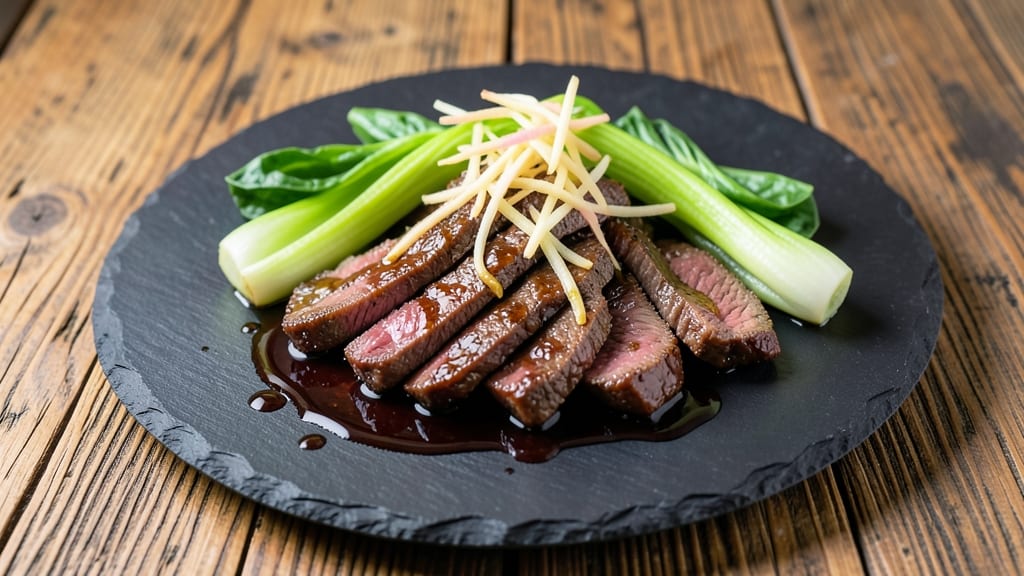
This beef and greens Chinese recipe delivers restaurant-quality wok-seared beef with tender bok choy and a silky soy-ginger sauce that balances sweet, tangy, and umami flavors. The secret lies in high-heat searing to achieve that signature wok-hei aroma while keeping the greens crisp-tender.
I've refined this technique over years of testing, ensuring the beef stays juicy and the sauce coats every bite without overpowering the natural freshness of the vegetables.
What sets this dish apart is the layered preparation: first marinating the beef in a ginger-sesame paste to tenderize and infuse flavor, then wok-searing until caramelized, and finally tossing with blanched greens and a sauce made from reduced soy, ginger, and a touch of honey.
The result is a harmonious blend of textures—crispy beef edges, silky greens, and a glossy sauce that clings effortlessly. This method preserves the integrity of each ingredient while creating a cohesive, restaurant-worthy dish.
The dish comes together in about 30 minutes, making it perfect for weeknight dinners when you crave something flavorful yet quick. The soy-ginger sauce adds depth that transforms simple ingredients into something extraordinary, while the bok choy retains its vibrant color and satisfying crunch.
Serve it over steamed rice or noodles to soak up every last drop of that savory sauce.
For an elevated touch, garnish with toasted sesame seeds and thinly sliced green onions. This recipe is versatile enough to adapt to your preferences—swap in spinach or napa cabbage for different greens, or adjust the heat level with chili flakes.
The key is confidence in the wok-searing technique, which delivers that coveted smoky aroma and caramelized crust that defines Chinese stir-fry excellence.
Ingredients for beef and greens chinese
Restaurant-quality wok-seared beef and vibrant bok choy transform simple ingredients into a harmonious Chinese masterpiece.
| Ingredient | Amount | Notes |
|---|---|---|
| Flank Steak 🥩 | 1 lb | Thinly sliced against grain |
| Bok Choy 🥬 | 1 lb | Baby variety, whole heads |
| Fresh Ginger 🧄 | 2 tbsp | Finely grated, organic preferred |
| Sesame Oil 🫒 | 1 tbsp | Toasted, not flavored |
| Light Soy Sauce 🍶 | ½ cup | Kikkoman preferred |
| Dark Soy Sauce 🍶 | 1 tbsp | For color depth |
| Honey 🍯 | 1 tbsp | Wildflower preferred |
| Garlic Cloves 🧄 | 4 cloves | Minced, organic preferred |
| Green Onions 🧅 | 3 whole | Thinly sliced, white and green parts |
| Toasted Sesame Seeds 🌾 | 1 tbsp | For garnish |
| Vegetable Oil 🫒 | ½ cup | High smoke point |
| Cornstarch 🌾 | 1 tbsp | For sauce thickening |
| Diamond Crystal Kosher Salt 🧂 | 1 tsp | For seasoning |
| Freshly Ground Black Pepper 🌶️ | ½ tsp | Cracked peppercorns preferred |
The flank steak is non-negotiable for this dish—its lean yet tender texture sears beautifully while staying juicy. Look for USDA Choice or higher with visible marbling, and ask your butcher to slice it thinly against the grain (about 1/4-inch thick) for optimal tenderness. Whole Foods and Costco carry pre-sliced versions, but slicing yourself ensures consistency. For the bok choy, baby variety with compact heads holds up best to wok heat without wilting. Asian markets often have fresher selections than mainstream grocery stores, but standard produce sections work too. The key is selecting heads with vibrant green leaves and crisp stems—avoid any with yellowing or wilted spots.
No sesame oil? Toasted peanut oil works in a pinch, though the flavor profile shifts slightly. Substituting light soy sauce with coconut aminos reduces sodium but sacrifices some umami depth. For the honey, agave nectar is a 1:1 swap if you prefer vegan options. The garlic can be roasted for a mellow sweetness instead of raw—simply wrap whole cloves in foil and roast at 400°F for 10 minutes. If you're short on time, pre-minced garlic jars (like Garlic & Co.) are convenient, though fresh always tastes superior. The cornstarch can be replaced with arrowroot powder for a slightly clearer sauce, though it thickens less dramatically.
Store prepped ingredients strategically: the marinated beef keeps for 2 days in the fridge, while raw bok choy stays crisp for 3-4 days when wrapped in damp paper towels. The finished dish reheats beautifully—30 seconds in the microwave with a splash of water restores moisture. For meal prep, portion the sauce separately and toss with reheated greens and beef to maintain texture. Freeze the sauce alone for up to 3 months in ice cube trays, then thaw and reheat for quick assembly. Garnishes like sesame seeds and green onions are best added fresh post-cooking to preserve their vibrant color and crisp texture.
Why You'll Love This Recipe
- One-Pan Magic: I swear by this recipe when I’m too tired to scrub pots—just sear the flank steak, toss in the bok choy and ginger, and let it all caramelize in the same pan. The sesame oil finishes it with that nutty aroma that makes the whole kitchen smell like a takeout dream.
- Umami Bomb: That combo of light soy sauce and fresh ginger? It’s what turns simple beef into something addictive. The bok choy wilts just enough to soak up the savory sauce, while the steak stays tender with a faint char—like a bite of a restaurant dish, but way cheaper.
- Lunchbox Hero: Between us, this is my go-to for meal prep. The leftovers reheat beautifully, and I actually look forward to packing it for work—no sad desk lunches here. Even my picky-eating coworker asked for seconds.
- Budget Steakhouse: Flank steak is affordable, and a single pound stretches across two meals. The bok choy and ginger are cheap staples, and a splash of sesame oil makes it feel fancy. Honestly, it’s the kind of recipe that makes me question why I ever ordered delivery.
Step-by-step instructions for wok-sear crisp beef with silky soy ginger greens
Master this technique and you'll achieve restaurant-quality texture contrasts every time.
Prep and Marinate the Flank Steak
Slice the 1 lb flank steak thinly against the grain into ¼-inch thick strips. Arrange them on a plate and generously season both sides with 1 tsp diamond crystal kosher salt and ½ tsp freshly ground black pepper. Let the seasoning penetrate for 15 minutes at room temperature.
In a small bowl, whisk together ½ cup light soy sauce, 1 tbsp dark soy sauce, 1 tbsp honey, and 2 tbsp finely grated fresh ginger. Pour half of this marinade over the steak strips and toss gently to coat evenly. Let it marinate for 10-15 minutes while you prepare the remaining ingredients. The acidity in the soy sauce will tenderize the meat, while the ginger adds aromatic depth.
Create the Ginger-Garlic Sauce Base
In a small saucepan, combine the remaining marinade with 4 minced garlic cloves and 1 tbsp sesame oil. Bring to a gentle simmer over medium-low heat and reduce by half—this should take about 5-7 minutes. The sauce should thicken slightly and develop a rich, aromatic fragrance.
Remove from heat and stir in 1 tbsp cornstarch mixed with 1 tablespoon water to create a slurry. Return to low heat and cook for 1-2 minutes until the sauce reaches a glossy, velvety consistency. This slurry acts as a natural thickener, creating that signature silky texture. Keep the sauce warm while you cook the beef.
Wok-Sear the Beef to Perfect Crisp
Heat ½ cup vegetable oil in a wok or large skillet over high heat until shimmering. Working in batches to avoid overcrowding, add the marinated steak strips and sear for 1-2 minutes per side until they develop a deep caramelized crust. The high heat is crucial here—it creates that signature wok-sear while keeping the interior tender.
Transfer the cooked beef to a plate and tent loosely with foil to keep warm. The strips should be deep golden brown on the outside with a slightly charred edge. If the oil smokes excessively, reduce the heat slightly but maintain a vigorous sizzle—this ensures proper searing without burning.
Stir-Fry the Bok Choy and Finish
In the same wok, add 1 lb baby bok choy (whole heads) and stir-fry for 2-3 minutes until the outer leaves begin to wilt but the centers remain crisp. The bok choy should retain its vibrant green color with just a hint of blistering—this preserves both texture and nutrients.
Return the seared beef to the wok and pour the prepared ginger-garlic sauce over everything. Toss vigorously for 1-2 minutes until the bok choy is fully coated and heated through. The residual heat from the wok will finish cooking the beef perfectly while infusing it with the aromatic sauce.
Garnish and Serve Immediately
Transfer the beef and bok choy to serving plates and drizzle with any remaining sauce from the wok. Garnish each serving with 1 tbsp toasted sesame seeds and ½ of the 3 thinly sliced green onions (white and green parts). The contrast of textures—crisp-tender bok choy, caramelized beef, and silky sauce—is what makes this dish exceptional.
Serve immediately while the beef is still searing hot and the bok choy maintains its crisp-tender bite. The dish should arrive at the table with vibrant colors, enticing aromas, and that perfect balance of sweet, salty, and umami flavors that define authentic Chinese wok cooking.
Pro Tips For Making Beef And Greens Chinese
- Slice Steak Against the Grain: I learned this the hard way—flank steak left whole in stir-fry is tough as boot leather. Cut it before cooking into ¼-inch strips, then slice diagonally against the grain. You’ll feel like a pro when those strips melt in your mouth instead of chewing like shoe leather.
- Blanch Bok Choy First: Skip the wilted greens mess: Parboil the bok choy for 30 seconds in salted water, then shock in ice water. This keeps it crisp, bright green, and ready to absorb flavors instead of turning into sad, limp leaves by the time the beef hits the pan.
- Use Ginger Like a Pro: Peel and mash the ginger with the flat side of your knife—no need for a grater. Tiny, uneven pieces toast faster and add depth without overwhelming the dish. (Yes, even if you’re impatient like me, resist the urge to mince it.)
- Finish with Cold Sesame Oil: Add the sesame oil after the pan’s off the heat—just a teaspoon, swirled in like a perfume. Heat destroys its nutty aroma, and this guarantees that fragrant punch instead of a dull aftertaste. (Your future self will thank you.)
Wine and beer pairings for beef and greens chinese
Red Wine Pairings
A dry Chinese red wine like Cabernet Sauvignon from Ningxia or a Pinot Noir from Yunnan complements the dish beautifully. The medium body and subtle earthiness of these wines mirror the soy-ginger sauce's depth while cutting through the richness of the beef.
I love a 2018 Changyu Cabernet Sauvignon—its blackcurrant notes harmonize with the caramelized beef and bok choy's freshness. 🍷
Light Beer Options
For beer lovers, a crisp Chinese lager like Tsingtao or Snow Beer provides the perfect balance. The clean, slightly malty profile cleanses your palate between bites without overpowering the dish's flavors. A Japanese Sapporo also works well, offering a lighter, more refreshing option that highlights the dish's vibrant greens. 🍺
Rice Wine Elevation
If you're feeling adventurous, serve the dish with a small cup of Shaoxing wine (the same used in Chinese cooking) on the side. Its nutty, slightly sweet profile enhances the soy-ginger sauce when sipped directly.
I often add a splash to the sauce during cooking for extra depth—just 1 tbsp per serving amplifies the dish's authenticity. 🥢
White Wine Contrast
A dry Riesling from Germany or a Chinese Huadiao white wine offers a surprising yet delightful contrast. The acidity brightens the dish, while the mineral notes complement the bok choy's freshness.
A chilled glass of Weißburgunder (Pinot Blanc) also pairs wonderfully, especially if you prefer a lighter option that won't overpower the meal. 🍷
Non-Alcoholic Pairings
For a refreshing non-alcoholic option, serve the dish with jasmine tea or a green tea lemonade. The floral notes of jasmine tea enhance the dish's aromatic profile, while the citrus in lemonade cuts through the richness.
I also love a sparkling yuzu soda—its tangy citrus and effervescence create a perfect palate cleanser. 🍵
Nutrition facts
Frequently asked questions
Can I substitute flank steak with another cut of beef?
Yes, but choose cuts with similar texture and fat content. Sirloin or ribeye work well—just slice against the grain for tenderness. Avoid lean cuts like filet mignon, which lack the connective tissue needed for that signature wok-seared crust. If using pre-sliced beef from Asian markets, check for thin, even strips already cut for stir-fry.
How do I prevent the bok choy from getting mushy?
Blanch the bok choy for 30 seconds in boiling water before stir-frying to soften slightly, then shock in ice water. This jumpstarts the cooking process while keeping the centers crisp. High heat is key—work in batches if needed to avoid overcrowding the wok. The greens should wilt just enough to become tender-crisp, not limp.
Can I make this recipe in advance?
Marinate the beef up to 2 days ahead and store in an airtight container. For the greens, blanch and shock them 1 day ahead, then store separately. Reheat the beef and greens together in the wok for 2-3 minutes with a splash of water to restore moisture. The sauce can be made 3 days ahead and reheated gently—just add a pinch of cornstarch slurry if it thickens too much.
What if I don't have a wok?
A heavy-bottomed cast-iron skillet or stainless steel pan works perfectly. Preheat it over high heat until smoking hot before adding oil. The key is maintaining that intense heat to achieve the wok-sear. If your pan isn't heavy enough, reduce the oil slightly to prevent overheating.
How can I make this dish spicier?
Add 1 tsp chili flakes or ½ tsp red pepper flakes to the sauce during reduction. For heat with depth, stir in 1 tbsp chili paste (like Lao Gan Ma) when tossing with the beef. Garnish with thinly sliced jalapeños or a sprinkle of Sichuan peppercorns for a numbing-spicy kick.