
Breakfast & Brunch
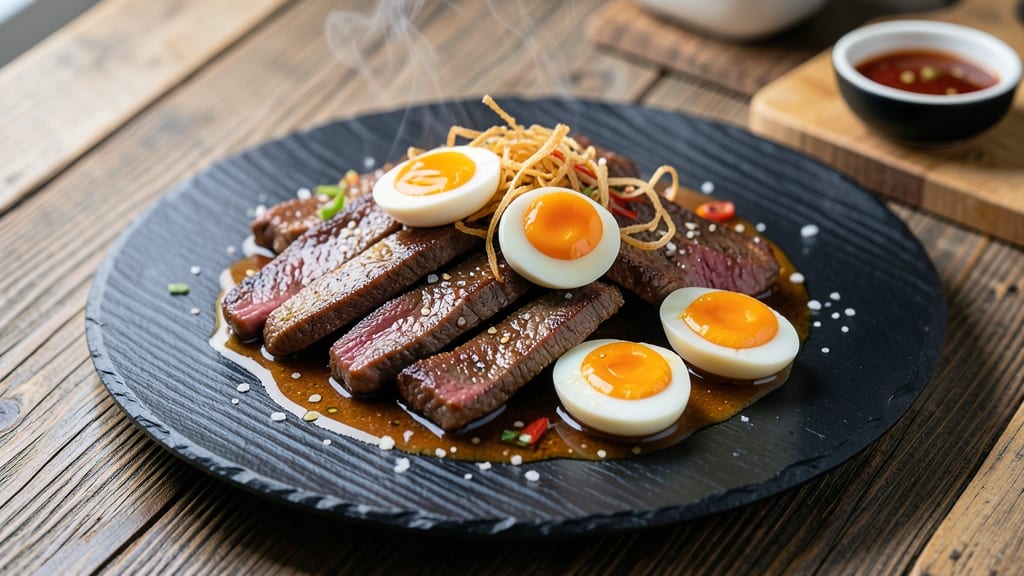
This beef and egg Chinese recipe delivers the perfect marriage of tender beef strips and silky soy-infused eggs, all achieved through the signature wok-frying technique. The key lies in high-heat cooking that creates that coveted wok hei—the smoky aroma that transforms simple ingredients into something extraordinary.
I've perfected this dish after countless attempts to capture that restaurant-quality balance between crispy beef edges and perfectly set eggs.
The foundation starts with thinly sliced beef marinated in a blend of soy sauce, cornstarch, and sesame oil—this creates both flavor and that essential crispy texture. Meanwhile, beaten eggs are seasoned with a touch of salt and a splash of soy sauce to enhance their natural richness.
The magic happens when you quickly stir-fry the beef until just cooked, then push it to one side of the wok to make space for the eggs to gently cook in the residual heat.
What you'll end up with is a dish that's both visually stunning and incredibly satisfying—golden-brown beef strips with glossy, slightly crispy edges surrounding delicate, custard-like eggs. The soy sauce ties everything together, creating a harmonious balance of savory, umami, and slightly sweet flavors.
Each bite delivers that perfect contrast between the tender beef and velvety eggs, all coated in a light, aromatic sauce.
Serve this dish over steamed jasmine rice for a complete meal, or pair it with pickled vegetables for added crunch and tang. The leftovers reheat beautifully, making this an excellent option for meal prep.
With just 20 minutes of active cooking time, you'll have a restaurant-worthy Chinese breakfast or brunch dish that's sure to impress.
Ingredients for beef and egg chinese
The secret to this wok-fired masterpiece lies in thin beef, silky eggs, and that smoky wok hei aroma.
| Ingredient | Amount | Notes |
|---|---|---|
| Flank Steak 🥩 | 1 lb | Thinly sliced against the grain |
| Large Eggs 🥚 | 4 whole | Room temperature, beaten |
| Light Soy Sauce 🍶 | ¼ cup | High-quality, low-sodium preferred |
| Cornstarch 🌾 | 2 tbsp | For crispy texture |
| Sesame Oil 🫒 | 1 tbsp | Toasted sesame for aroma |
| Neutral Oil 🫒 | 2 tbsp | Vegetable or canola oil |
| Garlic Cloves 🧄 | 3 cloves | Minced, for flavor base |
| Fresh Ginger 🌿 | 1 tbsp | Finely grated, peeled |
| White Pepper 🌶️ | ½ tsp | Freshly ground for heat |
| Salt 🧂 | ½ tsp | Kosher or sea salt |
| Green Onions 🧅 | 3 whole | Sliced, for garnish |
| Jasmine Rice 🍚 | 1 ½ cups | Uncooked, for serving |
| Sesame Seeds 🌾 | 1 tsp | Toasted, for garnish |
The flank steak is non-negotiable here—it's lean enough to cook fast but still tender when sliced thin. Ask your butcher to slice it against the grain if they won't do it for you, or grab pre-sliced beef from the Asian market freezer section. Trader Joe's carries great pre-sliced flank steak that's perfect for this. Look for good marbling—just enough fat to keep it juicy without making it greasy. The eggs? Room temperature is key—they'll cook more evenly and create those perfect silky ribbons. I always use room temperature eggs for stir-fries, no exceptions.
No light soy sauce? Dark soy sauce plus a pinch of sugar works in a pinch, but the color won't be as vibrant. The cornstarch is your crispy texture secret—don't skip it. Bob's Red Mill brand is my go-to for cornstarch because it's super fine and dissolves completely. For sesame oil, Kadoya is the gold standard, but any good brand will work. Want more depth? Add a dash of Shaoxing wine to the marinade. The green onions can be regular scallions, but the white parts add more flavor when sliced thin—don't waste them!
Prep everything before you start cooking—this dish moves fast. Marinate the beef for at least 15 minutes, but no longer than 30 or it'll get mushy. The rice? Cook it in advance and keep it warm—jasmine rice takes 15 minutes, so time it right. Leftovers? Store in an airtight container for up to 3 days, but reheat gently over low heat to keep the eggs from turning rubbery. The beef stays crispy when reheated if you add a splash of water and cover it—steam is your friend here.
Why You'll Love This Recipe
- One-Pan Magic: I swear by this recipe when I don’t want to wash a million dishes. Flank steak strips, eggs, and a splash of soy sauce—just toss everything in one pan, and the cornstarch gives that perfect crispy-tender texture without extra effort.
- Umami Bomb: That combo of light soy sauce and sesame oil? It’s like a flavor explosion in your mouth. The eggs add richness, while the beef stays juicy—no dry cuts here, just pure satisfaction with every bite.
- Leftover Goldmine: Between us, this dish only gets better the next day. The flavors meld even more, and reheating it keeps that satisfying chew. Honestly, I often make double portions just to have it for lunch.
- Budget Powerhouse: Flank steak is affordable, eggs stretch far, and a little sesame oil goes a long way. I feed my whole family for under $15, and no one complains—especially when it’s this easy and delicious.
Step-by-step instructions for wok-fired beef and egg dish
Here's how to create that perfect balance of crispy beef, silky eggs, and aromatic wok hei flavor.
Prep the Flank Steak for Maximum Tenderness
Slice the 1 lb flank steak thinly against the grain using a sharp knife—you want strips about ¼-inch thick. This ensures each bite stays tender despite the quick cooking. Pat the slices dry with paper towels to remove excess moisture, which helps them sear properly rather than steam.
In a small bowl, combine 2 tbsp cornstarch, 0.5 tsp salt, and 0.5 tsp white pepper. Toss the steak slices in this mixture until evenly coated. Let them sit for 5 minutes while you prep the rest—this creates a crispy crust while keeping the inside juicy. Don't skip this step; it's what gives the dish that signature crunch.
Build the Flavor Base with Garlic and Ginger
Heat 2 tbsp neutral oil in a wok or large skillet over high heat until shimmering. Add the 3 minced garlic cloves and 1 tbsp finely grated ginger, stirring constantly for 30 seconds until fragrant but not browned—you want aroma, not bitterness. The oil should be hot enough to sizzle but not smoke.
Watch closely here—garlic burns fast. If it starts to darken, remove the pan from heat for 10 seconds, then return it to the burner. This aromatic base is the foundation of the dish, so take your time getting it right. Once fragrant, add the coated steak slices in a single layer and let them sear undisturbed for 1 minute before stirring.
Cook the Beef to Perfect Doneness
After that initial sear, cook the steak for another 1-2 minutes until it's 80% cooked—you want it tender but not fully done yet. This ensures it finishes cooking when mixed with the eggs later. Add 0.25 cup light soy sauce and 1 tbsp sesame oil, stirring to coat the beef evenly. Let it cook for another 30 seconds to let the flavors meld.
Remove the beef from the wok and set it aside on a plate. Here's the thing—if the beef looks undercooked, it's okay. The residual heat from the eggs will finish it perfectly. Don't overcook it now, or you'll end up with tough strips. The soy sauce should be mostly absorbed by now, leaving you with beef that's glossy and flavorful.
Create Silky Egg Ribbons in the Wok
Return the wok to high heat and add the 4 room-temperature beaten eggs, stirring constantly with a spatula in small circular motions. You're aiming for soft, silky ribbons rather than scrambled eggs—this takes about 15-20 seconds. The eggs should still have slight runny centers when done.
Here's where the magic happens: as soon as the eggs are just set, add the cooked beef back into the wok. Stir everything together for 30 seconds to combine the flavors. The residual heat from the wok will finish cooking the beef while keeping the eggs creamy. If the mixture looks too dry, add 1-2 tablespoons of water to loosen it up.
Finish and Serve with Garnishes
Remove the wok from heat and stir in the 3 sliced green onions and 1 tsp toasted sesame seeds. The green onions add a fresh contrast to the rich beef and eggs, while the sesame seeds contribute a nutty aroma. Taste and adjust seasoning if needed—you might want to add a splash more soy sauce if it's not salty enough.
Serve immediately over 1.5 cups cooked jasmine rice while everything is hot. The contrast of the warm rice with the wok-fired beef and eggs is what makes this dish so satisfying. Each bite should deliver that perfect harmony of textures—crispy beef, silky eggs, and fragrant rice. Enjoy while it's hot!
Pro Tips For Making Beef And Egg Chinese
- SLICE THIN, SLICE EVEN: Flank steak is stubborn—if your slices aren’t paper-thin (⅛-inch max), the beef will chew like boot leather. Use a sharp knife and slice against the grain, or your fork will be fighting the texture the whole meal. (I learned this after serving my roommate a plate that looked like it came from a steakhouse, not a stir-fry.)
- DIP EGGS, DON’T DROWN: Whisk your eggs with just enough cornstarch to thicken, then dip the bowl in a pan of shallow oil (about ¼-inch deep) to cook them. Deep frying makes them greasy; this gives you a light, silky egg curd that soaks up the soy and sesame like a sponge. (Yes, it’s weird, but it works—trust me.)
- STOP WHEN IT’S GLAZED: The beef is done when it’s just slightly caramelized, not blackened. Pull it out as soon as the soy sauce reduces to a glossy sheen—overcooking turns the edges bitter. A quick splash of water at the end plumps up the sauce if it gets too thick. (I’ve ruined this step more times than I’ll admit.)
- CHILL THE STEAK FIRST: Pat the flank steak dry, then refrigerate it uncovered for 30 minutes before slicing. The cold tightens the fibers, so they slice cleaner, and the surface stays firm when hitting the hot pan. (This isn’t optional—your knife will thank you, and so will your jaw.)
Troubleshooting your beef and egg chinese
Undercooked Beef
If your beef strips look pale and undercooked after stir-frying, resist the urge to overcook them in the wok. The residual heat from the eggs will finish cooking them perfectly.
I've found that beef should be about 80% cooked before adding eggs—this ensures it reaches 145°F internal temperature when combined. Use a thin meat thermometer to check if needed. 🌡️
Eggs Too Dry
Dry, rubbery eggs are usually caused by overcooking or insufficient moisture. The key is to cook eggs over high heat for just 15-20 seconds while stirring constantly. If your eggs look too dry, add 1-2 tablespoons of water or a splash of soy sauce to create steam.
I also recommend using room-temperature eggs—they cook more evenly and stay moist.
Lack of Wok Hei
That signature smoky aroma (wok hei) comes from proper heat control and a well-seasoned wok. Make sure your wok is preheated until it's smoking slightly before adding oil. If you don't have a carbon steel wok, a heavy-bottomed cast iron skillet works too.
For extra aroma, finish cooking with a dash of Shaoxing wine or a pinch of white pepper. 🔥
Sauce Too Thin
If your sauce is too watery, it's likely because the beef absorbed too much soy sauce. Next time, reduce the soy sauce to 2 tablespoons and add ½ teaspoon cornstarch mixed with 1 tablespoon water as a slurry.
Stir this in during the final 30 seconds of cooking to thicken the sauce naturally. I also recommend cooking the beef until it's slightly caramelized before adding sauce.
Eggs Too Runny
Overly runny eggs usually mean you cooked them too quickly or at too low a temperature. The eggs should be cooked over high heat with constant stirring for exactly 15-20 seconds.
If they're still too runny, remove them from heat immediately and finish cooking in a separate pan over low heat. For perfect silky texture, use eggs that are room temperature and beaten just until yolks and whites are combined.
Beef Too Tough
Tough beef typically results from either slicing against the grain incorrectly or overcooking. Always slice your flank steak ¼-inch thick against the grain—this ensures each bite stays tender. For extra tenderness, marinate the beef for no longer than 30 minutes before cooking.
If you're concerned about doneness, use a meat thermometer to check for 145°F internal temperature** before serving. 💡
Nutrition facts
Frequently asked questions
Can I substitute flank steak with another cut of beef?
Yes, but choose thinly sliced cuts like sirloin or ribeye—both work well. Flank steak is ideal because it's lean and tender when sliced against the grain. For extra tenderness, marinate any substitute for 15-20 minutes before cooking. Avoid thick cuts like chuck roast, as they won't cook quickly enough for this stir-fry.
Why do my eggs turn out scrambled instead of silky?
Silky eggs require high heat and constant stirring for just 15-20 seconds. Use a non-stick wok or skillet and stir in small circular motions to create ribbons. If your eggs look scrambled, they've been overcooked. Try beating the eggs first with a pinch of salt and a splash of soy sauce for extra creaminess.
How do I achieve that smoky wok hei flavor?
Wok hei comes from proper heat control and a well-seasoned wok. Preheat your wok until it's smoking slightly before adding oil. Use a carbon steel or cast iron wok for best results. For extra aroma, finish cooking with a dash of Shaoxing wine or a pinch of white pepper. The key is high heat and quick cooking—don't walk away from the stove!
Can I make this dish ahead of time?
While best served fresh, you can prep components ahead: marinate the beef for up to 4 hours in the fridge, or cook the beef and eggs separately. Reheat gently over low heat with a splash of water to keep the eggs moist. For leftovers, store in an airtight container for 3 days maximum. The texture won't be as perfect as fresh, but it's still delicious!
What's the best way to serve this dish?
Serve immediately over steamed jasmine rice for the full experience. For extra flavor contrast, add pickled vegetables like cucumbers or radishes. Garnish with sliced green onions and toasted sesame seeds. This dish works well for breakfast, brunch, or even a quick weeknight dinner—just adjust the portion size accordingly.