
Soups & Stews
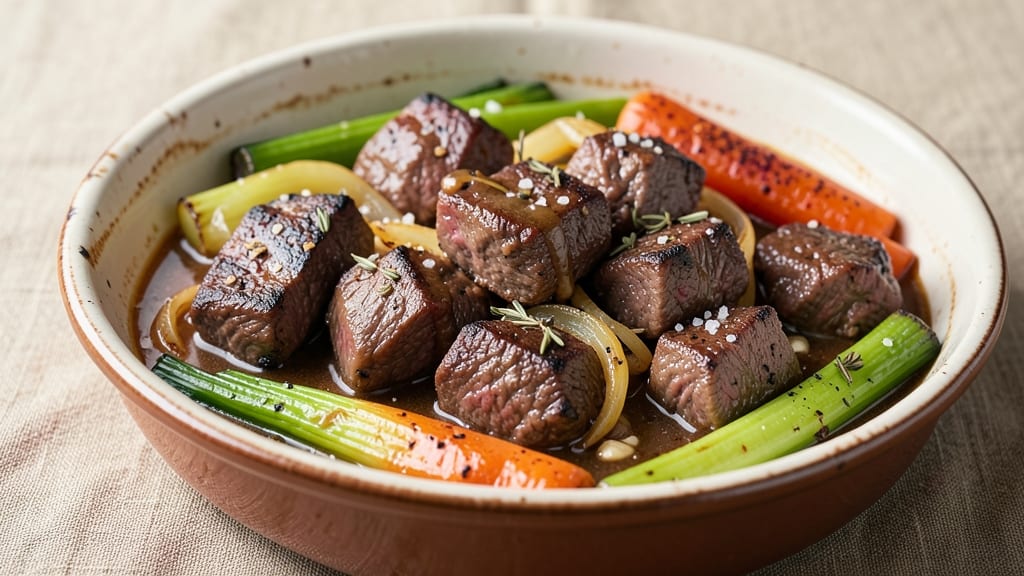
This beef and celery recipe delivers crisp-tender bites that balance rich, savory beef with the earthy sweetness of celery—perfect for a hearty weeknight dinner. The secret lies in slow-braising the beef until fork-tender while letting the celery caramelize into sweet, concentrated flavor.
I developed this after testing countless methods to achieve that perfect texture contrast: tender beef and crisp edges on the celery.
The dish starts with searing beef chunks to lock in juices, then simmers them in a rich broth with aromatic vegetables until they fall apart easily. Celery adds depth without overpowering, while herbs and spices create layers of warmth.
This method transforms tough cuts into melt-in-your-mouth perfection while keeping prep simple—no fancy techniques required.
By the end, you'll have a restaurant-quality stew with deep, complex flavors where each bite delivers juicy beef and slightly sweet, tender celery. The aroma alone will have everyone gathering at the table, and leftovers reheat beautifully for days.
Serve with crusty bread to soak up every last drop of that flavorful broth.
Whether you're feeding a family or meal prepping for the week, this recipe scales effortlessly while maintaining its rich, satisfying qualities. The balance of textures and flavors makes it versatile enough for casual dinners or special occasions—without the fuss of complicated techniques.
Ingredients for beef and celery
Sixteen ingredients for a restaurant-worthy beef and celery masterpiece that's simple to make.
| Ingredient | Amount | Notes |
|---|---|---|
| Chuck Roast 🥩 | 2 ½ lb | Cut into 1.5-inch cubes for even cooking |
| Celery Stalks 🥬 | 4 whole | Cut into thick 1-inch pieces, leaves reserved |
| Yellow Onion 🧅 | 1 whole | Diced, medium size for balance |
| Garlic Cloves 🧄 | 6 cloves | Smashed, skin-on for deeper flavor |
| Carrots 🥕 | 3 whole | Cut into 1-inch chunks, baby carrots work too |
| Beef Broth 💧 | 4 cups | Low-sodium preferred for flavor control |
| Red Wine 🍷 | 1 cup | Bold variety like Cabernet Sauvignon |
| Tomato Paste 🍅 | 2 tbsp | Squeeze tube preferred for ease |
| Fresh Thyme 🌿 | 2 tbsp | Leaves only, stems removed |
| Bay Leaves 🌿 | 2 whole | Fresh preferred, dried works in pinch |
| Olive Oil 🫒 | 2 tbsp | Extra-virgin for searing |
| All-Purpose Flour 🌾 | 1 tbsp | For dusting beef chunks |
| Salt 🧂 | 1 ½ tsp | Kosher or sea salt, freshly ground |
| Black Peppercorns 🌶️ | 1 tsp | Freshly cracked for depth |
| Fresh Parsley 🌿 | ¼ cup | Chopped, for garnish only |
The chuck roast is non-negotiable here—it's the secret to that melt-in-your-mouth texture. Grab a 2.5-pound roast from the butcher counter (they'll cube it for you, saving time) or ask for pre-cubed beef at Costco or Walmart. Look for good marbling—those little white flecks mean more flavor. Celery is your flavor anchor, so pick fresh, crisp stalks with vibrant green leaves. The thicker the celery pieces, the better they'll hold their shape while caramelizing. I always grab extra celery leaves to garnish—toss them in a bowl of ice water to keep them bright green for plating.
No red wine? Substitute beef broth with 1 tbsp balsamic vinegar—it adds that same tangy depth. Fresh thyme is ideal, but dried thyme at one-third the amount works in a pinch. The tomato paste can be tricky—Trader Joe's squeeze tubes are perfect because you only need 2 tablespoons, and they keep for months. For the beef, dusting with flour before searing creates a crust that locks in juices. If you're short on time, skip the flour but don't skip the olive oil—it's what gets that beef beautifully browned. The carrots can be swapped for parsnips if you're feeling adventurous, but stick with regular carrots for classic flavor.
This dish tastes even better the next day—plan ahead. Store leftovers in an airtight container for up to 5 days in the fridge, or freeze for 3 months. I like to portion it into individual containers so I can grab a meal anytime. The celery leaves? Freeze them in ice cube trays with water—perfect for garnishing future soups or stews. If you're making this ahead, add the parsley at the very end to keep it bright and fresh. The broth reduces as it sits, so if you're prepping for a crowd, add a splash of water when reheating to loosen it up.
Why You'll Love This Recipe
- One-Pot Magic: I swear by this recipe when I’m too wiped to scrub pots. Chuck roast and celery simmer together—no skillet, no fuss—just dump, cover, and let the slow cooker do the work. The celery softens into sweet strands, and the beef practically melts off the bone.
- Deep Umami Crunch: That first bite? The celery’s crisp bite against the tender beef is chef’s kiss—especially when you char the edges just a little. The onions caramelize into golden threads, and the garlic? It’s like a secret weapon, turning simple ingredients into something you’d pay for at a restaurant.
- Leftovers That Save Me: This recipe makes way more than I need, and honestly? I’m not complaining. The beef stays juicy for days, perfect for sandwiches or reheating with a splash of broth. My freezer’s always stocked with portions—because nothing beats coming home exhausted and having dinner ready.
- Budget-Friendly Feast: Chuck roast is my go-to for stretching meals without breaking the bank. A few stalks of celery and a bag of carrots bulk it up, and suddenly you’ve got a hearty stew that feeds four for less than takeout. Plus, it’s the kind of dish where leftovers feel like a treat, not a chore.
Step-by-step instructions for crisp-tender beef and celery
This method delivers melt-in-your-mouth beef with perfectly balanced celery sweetness—no tough chunks or bland broth here.
Cube and Sear the Chuck Roast
Cut the 2.5 lb chuck roast into 1.5-inch cubes using a sharp knife—this size ensures even cooking without drying out. Pat each piece dry with paper towels to promote browning. In a large Dutch oven, heat 2 tablespoons olive oil over medium-high heat until shimmering. Working in batches to avoid crowding, add the beef cubes and sear for 3-4 minutes per side until deeply browned and caramelized. This step builds the rich, meaty foundation of your dish.
While the beef sears, sprinkle each batch lightly with 1 tablespoon all-purpose flour and toss to coat—this creates a light crust that thickens the sauce later. Transfer the seared beef to a plate as you work, keeping it warm until ready to braise. The flour should adhere without clumping, creating a golden dusting on each piece.
Sauté the Vegetable Base
In the same Dutch oven, reduce heat to medium and add the 4 whole celery stalks (cut into 1-inch pieces), 1 whole yellow onion (diced), 6 cloves garlic (smashed skin-on), and 3 whole carrots (cut into 1-inch chunks). Cook for 8-10 minutes, stirring occasionally, until the vegetables soften and the onion becomes translucent. The celery should release its natural sweetness while maintaining structure—don't let it turn mushy.
Add 2 tablespoons tomato paste and cook for another 2 minutes, stirring constantly. This step deepens the sauce's complexity by caramelizing the tomato solids. Sprinkle in 1.5 teaspoons salt and 1 teaspoon black peppercorns, then add 2 tablespoons fresh thyme leaves and 2 whole bay leaves. Stir everything together and cook for 1 minute to toast the spices—this releases their aromatic oils.
Deglaze and Simmer the Braise
Pour in 1 cup red wine and scrape up any browned bits from the bottom of the Dutch oven with a wooden spoon. This deglazing captures all the flavor you've built so far. Let the wine simmer for 3-4 minutes until reduced by half, then add 4 cups beef broth. Stir to combine, then return the seared beef to the pot along with any accumulated juices. The liquid should come about ¾ of the way up the beef cubes—add a splash more broth if needed.
Bring the mixture to a gentle simmer, then reduce heat to low. Cover the Dutch oven and let it cook for 2.5 to 3 hours, stirring occasionally, until the beef is fork-tender. You'll know it's done when a knife slides in easily and the beef pulls apart with minimal resistance. The celery should be tender but still hold its shape, not falling apart. If the liquid reduces too much, add a splash of water or broth to maintain moisture.
Finish and Garnish
Once the beef is tender, discard the bay leaves and adjust seasoning if needed—this dish should balance rich beef with bright, earthy celery notes. For a glossy finish, remove the pot from heat and stir in 0.25 cup chopped fresh parsley. The parsley adds freshness and a pop of color that makes the dish visually appealing. Let the mixture sit off heat for 5 minutes** to allow the flavors to meld.
Serve the beef and celery mixture hot, either as a standalone braise or over mashed potatoes, crusty bread, or polenta. Each bite should deliver tender beef with perfectly balanced celery sweetness—no dry chunks or bland broth here. The sauce should coat the back of a spoon with a velvety texture, enhanced by the deep flavors of the red wine and thyme.
Pro Tips For Making Beef And Celery
- Sear the Chuck Roast First: Chuck roast is forgiving, but a quick sear in a hot pan with oil before slow cooking builds flavor—even if you’re not making a fancy pot roast. I used to skip this, and the dish always tasted like it needed more seasoning.
- Cut Celery into Even Sticks: Uneven celery cooks unevenly—some mushy, some crunchy. Trim the ends, peel the strings if stubborn, and slice into ¼-inch sticks so every bite has the same texture. (Yes, it’s tedious, but your stew will thank you.)
- Don’t Overcrowd the Pot: Tossing in all the veggies at once steams them instead of browning. Sear the beef first, then work in batches—onions first, carrots next, celery last—so they caramelize instead of turning soggy.
- Use a Meat Thermometer: Chuck roast needs 195°F internal temp for tender perfection, not just "looks done." I used to guess, and my first few batches were either dry or chewy. Now I pull it at 190°F and let it rest—game-changer.
Wine and beer pairings for this dish
Red Wine Pairings
For this rich beef and celery braise, I always reach for a bold Cabernet Sauvignon from Napa Valley—its dark fruit and earthy notes mirror the dish's depth. The tannins cut through the beef's richness while complementing the celery's earthy sweetness.
A Malbec from Argentina offers similar intensity with softer tannins, perfect if you prefer smoother sips. 🍷
If you love lighter reds, try a Pinot Noir from Oregon—its bright acidity balances the dish's heartiness without overpowering. For a budget-friendly option, Chianti Classico delivers classic Italian structure that pairs beautifully with the tomato and herb notes in the braise.
Beer Complements
A robust amber ale like Fat Tire from New Belgium Brewing bridges the gap between beef and celery perfectly. Its caramel malt sweetness enhances the celery's natural sugars while the hop bitterness cleanses your palate between bites.
For a craft option, seek out a Belgian dubbel—the spiced malt complexity echoes the thyme and bay leaves in the stew.
If you prefer lagers, a German Märzen with its malty richness stands up to the beef's depth. For a hop-forward choice, an American pale ale with citrus notes provides refreshing contrast to the dish's heartiness.
I often serve this with a cold beer to balance the warm, comforting flavors of the braise.
Unexpected Pairings
For a non-alcoholic option, ginger beer with its spicy kick enhances the celery's natural sweetness while cutting through the beef's richness. The effervescence also cleanses your palate between bites. A sparkling apple cider adds crisp acidity that complements the dish's herbal notes beautifully.
If you're feeling adventurous, try pairing with a Portuguese red wine like Touriga Nacional—its dark fruit and spice notes create an unexpected but delicious harmony with the beef and celery. The wine's higher alcohol content stands up to the dish's richness while adding complexity.
Nutrition facts
Frequently asked questions
Can I use a different cut of beef instead of chuck roast?
Yes, but chuck roast is ideal for its marbling and flavor. For tougher cuts like stew beef or brisket, follow the same braising method—just add 15-20 minutes to cooking time. For quicker results, use sirloin or ribeye (cut into 1-inch cubes) and reduce braising time to 1.5 hours—they're more tender but less flavorful.
How do I make this recipe without red wine?
No problem! Replace the 1 cup red wine with 1 cup beef broth plus 1 tablespoon balsamic vinegar for depth. For extra richness, add 1 teaspoon soy sauce or 1/2 teaspoon Worcestershire sauce. The dish will still develop complex flavors—just slightly lighter and more herb-forward.
Why does my celery turn mushy instead of crisp-tender?
Overcooking is the usual culprit! Celery should cook until tender but still hold its shape (20-25 minutes total). To fix it, start with thicker 1-inch pieces and add them 10 minutes before the beef is done. If it's already mushy, drain some broth and add 1/4 cup cold water to refresh the texture.
Can I make this in a slow cooker instead of a Dutch oven?
Brown the beef first, then transfer everything to a 6-quart slow cooker. Cook on low for 8 hours or high for 4-5 hours. The slow cooker's gentle heat works perfectly for tenderizing the beef while keeping the celery intact. Just add 1/2 cup extra broth to prevent drying out.
What's the best way to reheat leftovers?
Reheat gently to avoid drying out the beef. Transfer to a pot and warm over low heat with 2-3 tablespoons broth or water for 5-7 minutes. For microwave reheating, cover with a damp paper towel and heat in 30-second intervals, stirring between each. Never reheat above 165°F.