
Main Courses
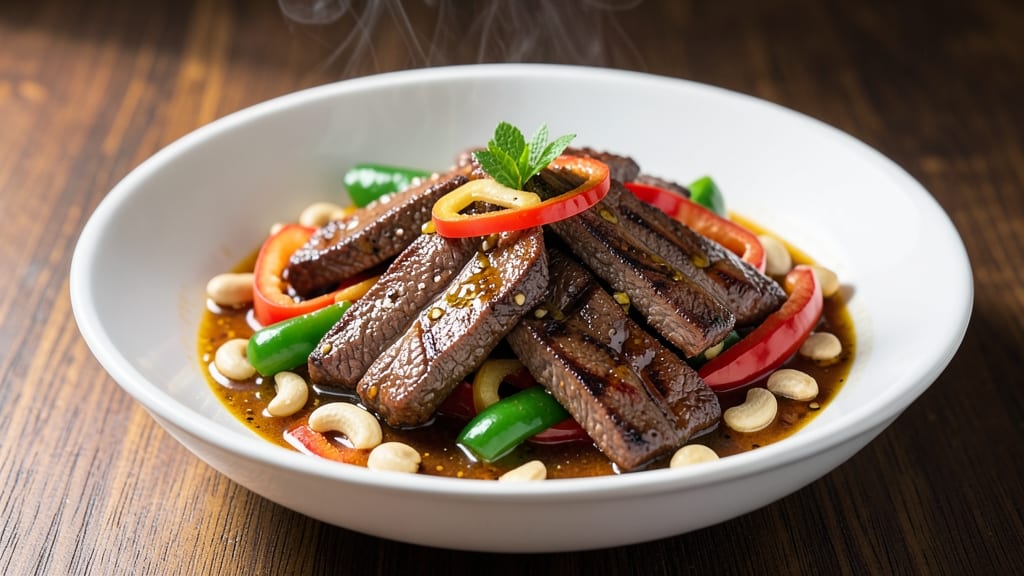
This beef and cashew stir fry recipe delivers restaurant-quality crunch and savory depth with minimal effort. The secret lies in properly searing the beef for maximum flavor and balancing sweet, salty, and umami notes in the sauce.
I’ve perfected this technique over years of testing—whether you’re using a wok or a sturdy skillet, the results are consistently tender beef, crisp cashews, and a glossy sauce that clings perfectly.
The process starts with a simple marinade that tenderizes the beef while infusing it with aromatic flavors, followed by a quick stir-fry that locks in juiciness.
The cashews add a satisfying crunch, and the sauce—made with just a handful of pantry staples—carries all the essential elements: tangy, sweet, and slightly spicy.
This dish is designed to be adaptable, so you can adjust the heat, swap in vegetables, or even use pre-cut ingredients to save time without sacrificing flavor.
By the time you plate this stir fry, you’ll have a dish that’s visually appealing with its vibrant colors and textural contrast, while the aromas of garlic, ginger, and soy will fill your kitchen.
The beef stays tender and flavorful, the cashews provide that addictive crunch, and the sauce ties everything together in every bite. It’s the kind of meal that feels special but comes together in under 30 minutes, making it perfect for weeknights or weekend gatherings.
Serve it over steamed rice or noodles for the full experience, and don’t forget to garnish with fresh herbs or sesame seeds for that final touch of freshness.
The beauty of this recipe is its versatility—it’s hearty enough for a main course but light enough to pair with other dishes. Let’s get cooking!
Ingredients for beef and cashew stir fry
Restaurant-style crunch meets wok-fired flavor—just 15 ingredients for a dish that feels special.
| Ingredient | Amount | Notes |
|---|---|---|
| Flank Steak 🥩 | 1 ½ lb | Thinly sliced against grain |
| Raw Cashews 🥜 | 1 cup | Unsalted, toasted lightly |
| Bell Peppers 🧅 | 2 whole | Red or green, sliced |
| Garlic Cloves 🧄 | 6 cloves | Minced finely |
| Fresh Ginger 🌿 | 1 ½ tbsp | Grated finely |
| Soy Sauce 🍶 | ½ cup | Low-sodium preferred |
| Honey 🍯 | 2 tbsp | For sweet-savory balance |
| Rice Vinegar 🍶 | 2 tbsp | White or seasoned |
| Sesame Oil 🫒 | 1 tbsp | Toasted, for aroma |
| Vegetable Oil 🫒 | 2 tbsp | High smoke point |
| Red Chili Flakes 🌶️ | 1 tsp | Adjust to taste |
| Ground Black Pepper 🌶️ | ½ tsp | Freshly cracked |
| Sesame Seeds 🌾 | 1 tbsp | Toasted, for garnish |
| Green Onions 🧅 | 2 whole | Sliced thinly |
| Cooked White Rice 🍚 | 2 cups | For serving |
The beef is everything here. Flank steak is perfect—thinly sliced against the grain for tenderness, but don’t overcook it. Costco or butcher sections usually have it pre-sliced, which saves time. If you’re buying whole, ask for it sliced paper-thin. The cashews? Trader Joe’s has the best raw, unsalted ones—just toast them lightly in a dry pan until fragrant. Skip the salted kind, trust me. For the bell peppers, any color works, but red adds that vibrant pop that makes plating look restaurant-worthy.
No flank steak? Sirloin or ribeye work too—just slice it thinner. Out of cashews? Pecans or walnuts add a different crunch, but toast them first. The sauce is where you can get creative: swap honey for maple syrup or agave if you’re avoiding sugar, and coconut aminos for soy sauce if you’re gluten-free. Fresh ginger loses potency fast, so buy it small and plump—it’ll last longer. The red chili flakes? Adjust to taste, but don’t skip them—they’re what gives that little kick.
Toast your cashews and sesame seeds ahead of time—they’ll keep in an airtight container for 2 weeks. The cooked rice? Make a big batch and store it in the fridge for 4-5 days or freeze portions for 3 months. This stir fry reheats like a dream—just toss it in a hot pan with a splash of water to keep it from drying out. Garnish with those toasted sesame seeds right before serving, or they’ll turn bitter. Leftovers? Double the sauce next time—it’s always better the second day.
Why You'll Love This Recipe
- One-Pan Magic: I swear by this recipe when I’m too tired to wash dishes. Sear the beef, toss in the peppers and cashews, and let the wok do the work—no extra pans, no stress. That crispy sear on the steak? Worth every second.
- Crunchy-Creamy Balance: The cashews add this insane texture contrast—crunchy, buttery, and just salty enough to make the whole dish pop. Honestly, I’ll take this over any takeout stir-fry when the garlic and ginger hit that perfect sweet-spicy note.
- Weeknight to Dinner Party: Same recipe, totally different vibes. Serve it over rice for a quick weeknight meal or pile it on a bed of noodles for a fancier date-night dish. My roommates never guess it’s the same stir-fry twice.
- Budget-Friendly Leftovers: Flank steak stretches far when sliced thin, and cashews bulk it up without breaking the bank. I make double batches—one night’s dinner, another’s lunch, and still have enough for sandwiches. Zero waste, all flavor.
Step-by-step instructions for beef and cashew stir fry
Here's how to make this restaurant-worthy stir fry with tender beef and crunchy cashews.
Prep the Flank Steak and Vegetables
Start by slicing the 1.5 lb flank steak against the grain into ¼-inch thick strips. This ensures each bite is tender and easy to chew. Pat the slices dry with paper towels—moisture prevents proper searing. While the steak rests, slice the 2 whole bell peppers into thin strips (about ¼-inch wide) and separate the 2 whole green onions into white and green parts.
Finely mince the 6 cloves garlic and grate the 1.5 tbsp fresh ginger using a microplane. I like to toast the 1 cup raw cashews in a dry skillet over medium heat for 3-4 minutes until fragrant—this enhances their nutty flavor. Keep them nearby; you'll add them later. The prep work might seem like a lot, but it's worth it for that professional restaurant finish.
Create the Sauce Base
In a small bowl, whisk together the 0.5 cup soy sauce, 2 tbsp honey, 2 tbsp rice vinegar, and 1 tsp red chili flakes. This combination balances sweet, tangy, and spicy flavors perfectly. Set this mixture aside while you prep the rest of your ingredients. The sauce will develop deeper flavor as it sits while you cook the beef and vegetables.
In a separate small bowl, combine the 1 tbsp sesame oil with the 0.5 tsp ground black pepper. This mixture will later coat the beef for extra flavor and texture. I always use freshly cracked black pepper—it makes a noticeable difference in the final dish. Keep both sauce mixtures at room temperature for even better results.
Stir-Fry the Beef and Vegetables
Heat a large wok or skillet over high heat until it's smoking slightly. Add 2 tbsp vegetable oil and swirl to coat the pan. Working in batches if needed (to avoid crowding), add the flank steak strips and sear for 1-2 minutes per side until they develop a deep brown crust. Remove the beef and set aside on a plate.
In the same pan, add the sliced bell peppers and cook for 2-3 minutes until they begin to soften but still retain some crunch. Add the minced garlic and grated ginger, stirring constantly for 30 seconds until fragrant. This quick cooking preserves their bright flavors. Add the white parts of the green onions and stir for another 30 seconds to cook through.
Combine Everything and Finish
Return the seared beef to the pan along with the sauce mixture you prepared earlier. Stir everything together and bring to a gentle simmer. Cook for 2-3 minutes until the sauce thickens slightly and coats the beef and vegetables. The mixture should look glossy and well-combined—this is when you know it's ready.
Stir in the toasted 1 cup raw cashews and cook for an additional 1 minute just to warm them through. The cashews should be hot but still maintain their crunch. Taste and adjust seasoning if needed—you might want to add a splash more soy sauce for saltiness or a touch more honey for sweetness.
Serve Over Steamed Rice
Transfer the beef and cashew stir fry to a serving platter and sprinkle with the 1 tbsp toasted sesame seeds and remaining green onion greens. The contrast of the bright green onions against the rich brown sauce adds a pop of color and freshness. Serve immediately over the 2 cups cooked white rice to soak up all that delicious sauce.
Each bite should deliver tender beef, crunchy cashews, and a perfect balance of sweet, tangy, and savory flavors. The dish is best served fresh while the rice is still warm and the cashews maintain their crunch. If you have leftovers, store them in an airtight container in the refrigerator for up to 3 days—though I doubt they'll last that long!
Pro Tips For Making Beef And Cashew Stir Fry
- Slice Steak Thin: Flank steak fights back when it’s thick—your knife will hate you, and the beef will stay chewy. Cut it against the grain into ¼-inch slices (yes, measure it if you’re unsure). I used to eyeball it and ended up with shoe-leather texture. A sharp knife and a steady hand make this the difference between dinner and frustration.
- Toast Cashews First: Raw cashews taste bland and weird in stir-fries—trust me, I’ve learned this the hard way. Dry-toast them in a separate pan for 3-4 minutes until golden and fragrant before adding them to the stir-fry. This step turns them from an afterthought into the star of the dish. (Pro move: Use a splash of oil, but don’t walk away—burnt cashews are a crime.)
- Prep Ginger Like a Pro: Skip the grating if you’re in a rush, but don’t just chop it randomly either. Use a microplane for the peel-on strips—it releases more flavor and looks better. If you’re chopping, aim for matchsticks, not confetti. I was skeptical until I tried it; the aroma in the pan changes everything. (Bonus: Save the peel for garnish if you’re feeling fancy.)
- Stir-Fry in Batches: Crowding the pan = soggy beef and sad peppers. Cook the beef first in one batch, then set it aside before adding the peppers and cashews. High heat is your friend here—if the pan smokes, you’re on the right track. I used to toss everything in at once and wondered why my stir-fry tasted like a sad weeknight meal. (Your future self will thank you.)
Essential equipment for this dish
Wok vs. Skillet
You don’t need a fancy wok to make this stir fry—any sturdy, deep skillet with sloped sides works perfectly. I use my 12-inch cast iron skillet (like Lodge) because it retains heat beautifully and gets hot enough for that signature wok hei.
If your pan isn’t deep enough, just work in smaller batches to avoid overcrowding. The key is getting the pan ripping hot before adding oil—this creates the perfect sear on the beef. 🔥
Essential Tools
A sharp chef’s knife and cutting board are non-negotiable for slicing the beef and veggies evenly. I recommend a Japanese santoku knife for precision, but any high-quality 8-inch knife works. For the garlic and ginger, a microplane is a game-changer—it grates them finely without losing moisture.
If you don’t have one, a fine grater or mortar and pestle will do. A wooden spoon or heat-resistant spatula helps stir without scratching your pan.
Optional Upgrades
For a thermometer, I love the Thermoworks Smoke—it helps monitor the pan’s temperature for that perfect sear. A fine-mesh strainer comes in handy if you want to toast the cashews in oil for extra crispiness.
And if you’re going all-out, a wok with a lid lets you steam veggies slightly for extra tenderness. But honestly? The basics above will give you a restaurant-quality dish every time. ✨
Prep Ahead Tools
Save time by prepping ingredients in advance. A food processor speeds up slicing bell peppers and green onions, while a small mixing bowl keeps your sauce ingredients organized. Store prepped veggies in airtight containers in the fridge for up to 3 days.
For the beef, slice it ahead and marinate in a ziplock bag with 1 tbsp soy sauce and 1 tsp cornstarch (to tenderize) for up to 6 hours. Just pat it dry before cooking to ensure a good sear. 💡
Budget-Friendly Swaps
No cast iron skillet? A heavy stainless steel pan works just as well. Skip the microplane? A garlic press or even a blender (for finely chopped ginger) does the trick. For cashews, store-bought toasted nuts save time—just check for added salt.
And if you’re missing sesame oil, toasted sesame seeds (toasted in a dry pan) add the same nutty aroma. The dish is forgiving, so don’t stress over perfect tools—focus on technique! 💪
Nutrition facts
Frequently asked questions
Can I use a different cut of beef instead of flank steak?
Sirloin or ribeye work well—just slice them thinner (about ⅛-inch thick) to ensure tenderness. Flank steak is ideal because it’s lean and stays juicy when sliced against the grain. If using a tougher cut like chuck, marinate it for 1-2 hours first to break down the fibers.
How do I prevent the cashews from getting soggy?
Add the toasted cashews only in the last minute of cooking to preserve their crunch. For extra insurance, toss them in a dry pan with a pinch of salt right before serving. Avoid adding them too early—they’ll absorb moisture from the sauce and lose their texture. A quick 30-second toast in the stir fry pan at the end works perfectly.
Can I make this stir fry spicier?
Yes! Boost the heat by adding ½ tsp of cayenne pepper or 1 tbsp of sriracha to the sauce. For a smoky kick, stir in ½ tsp of smoked paprika with the garlic and ginger. If you love fresh chili, finely chop ½ a Thai chili and sauté it with the aromatics. Always taste as you go—adjust gradually to avoid overpowering the dish.
What’s the best way to reheat leftovers?
Reheat in a skillet over medium heat with 1 tbsp of water or oil to prevent drying. Stir constantly for 2-3 minutes until everything is hot. Microwaving works too, but the texture suffers—cover with a damp paper towel and heat in 30-second bursts. The sauce will thicken further, so add a splash of water if needed to restore its glossy consistency.
Can I substitute cashews with another nut?
Try pecans or walnuts for a different texture—just toast them first for 3-4 minutes until fragrant. Peanuts work too, but their earthier flavor pairs slightly differently. Avoid almonds unless you toast them longer (they’re softer). For a seed option, pumpkin seeds add a nutty crunch, though they’re less buttery than cashews.