
Soups & Stews
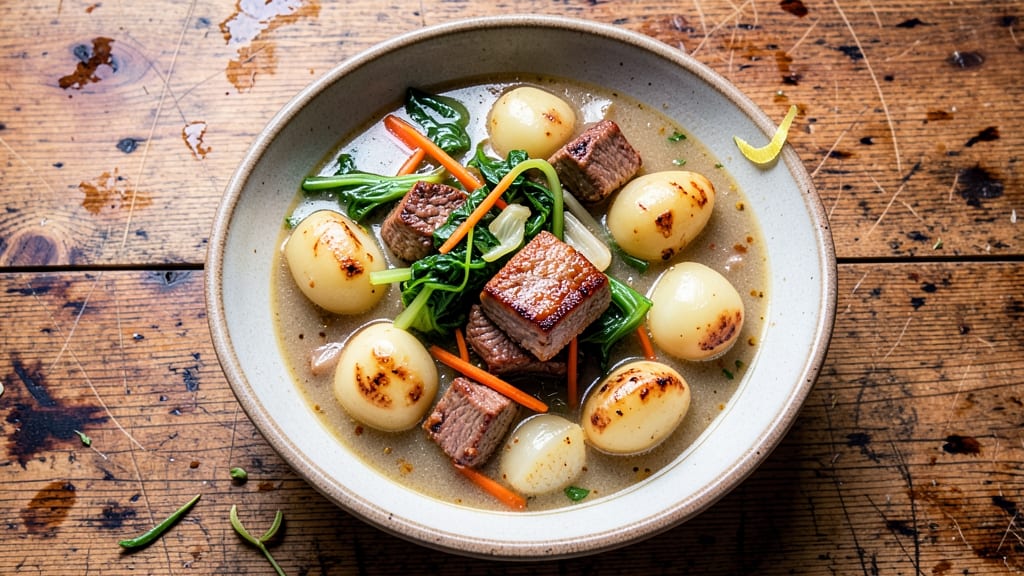
This beef and cabbage soup recipe with potatoes delivers the soul-warming comfort of a classic winter stew in just one pot. The slow simmer transforms tough beef into tender chunks while cabbage and potatoes soften into a rich, flavorful broth that feels like a hug on a chilly day.
I've perfected this recipe over years of testing, balancing traditional techniques with modern shortcuts to ensure it works whether you have hours or just a pressure cooker.
The foundation of this soup lies in proper browning and layering flavors—caramelized onions and garlic form the base, while beef simmers until fork-tender, releasing deep, savory notes into the broth.
Potatoes and cabbage cook until perfectly soft but still hold their shape, creating a hearty texture that's satisfying in every spoonful. What makes this version special is the balance of acidity from tomatoes and brightness from fresh herbs, cutting through the richness without overpowering the natural beef flavor.
By the time you serve this soup, your kitchen will smell like a cozy country kitchen, and every bowl will be packed with tender beef, creamy potatoes, and slightly sweet cabbage in a broth so flavorful it disappears quickly.
The beauty of this recipe is its versatility—it feeds a crowd, reheats beautifully, and tastes even better the next day as flavors meld. Whether you're preparing for a family gathering or simply craving comfort, this soup delivers restaurant-quality results with minimal effort.
For those short on time, a pressure cooker reduces the cooking time dramatically while preserving all the rich flavors. Garnish with fresh parsley or a drizzle of sour cream for an extra touch of elegance. Here's how to make it—simple, hearty, and impossible to resist.
Ingredients for beef and cabbage soup recipe with potatoes
Six hearty ingredients transform into a comforting stew that warms up any chilly evening.
| Ingredient | Amount | Notes |
|---|---|---|
| Chuck Roast 🥩 | 2 lb | Cut into 1.5-inch cubes |
| Yellow Onions 🧅 | 2 whole | Thinly sliced |
| Garlic Cloves 🧄 | 4 cloves | Minced |
| Green Cabbage 🥬 | 1 lb | Shredded, core removed |
| Russet Potatoes 🥔 | 2 lb | Peeled, cut into 1-inch chunks |
| Carrots 🥕 | 4 whole | Peeled, cut into 1-inch pieces |
| Canned Tomatoes 🍅 | 28 oz | Crushed or diced |
| Beef Broth 💧 | 6 cups | Low-sodium preferred |
| Bay Leaves 🌿 | 2 whole | Removed before serving |
| Fresh Thyme 🌿 | 2 tbsp | Chopped, or 1 tsp dried |
| Salt 🧂 | 1 ½ tsp | Adjust to taste |
| Black Pepper 🌶️ | 1 tsp | Freshly ground |
| Olive Oil 🫒 | 2 tbsp | For browning meat |
| Fresh Parsley 🌿 | ¼ cup | Chopped, for garnish |
The beef is the star here—chuck roast is perfect for its tenderness after long cooking. Grab it from the butcher section if you can, or the pre-cut cubes from the supermarket meat department work too. I always look for well-marbled pieces since the fat renders down into the broth. For the veggies, green cabbage should be crisp and vibrant (avoid any wilted outer leaves), and russet potatoes are ideal because they hold their shape while cooking. Carrots can be baby carrots if you're in a hurry—just peel and chop them. The 28 oz can of tomatoes is a game-changer for acidity—San Marzano if you want to splurge, but regular crushed tomatoes work too.
No fresh thyme? Dried works at one-third the amount, but fresh has that bright aroma that really elevates the soup. Running low on beef broth? Chicken broth plus a splash of soy sauce gets you close. The carrots can be swapped for parsnips or celery if that's what you've got. For a deeper flavor, toast the bay leaves in the oil for 30 seconds before adding them to the pot. And if you're using a pressure cooker, skip the olive oil browning step—just add everything raw and pressure cook for 20 minutes.
This soup tastes even better the next day as flavors meld. Store leftovers in the fridge for 4-5 days or freeze for 3 months—it reheats beautifully. I like to portion it into containers so lunches are ready for the week. The broth reduces slightly when refrigerated, so add a splash of water when reheating. Garnish with fresh parsley or a dollop of sour cream right before serving—trust me, it's worth it.
Why You'll Love This Recipe
- One-Pot Magic: I swear by this recipe when I’m too tired to scrub pots—just toss everything in one deep skillet, let the chuck roast simmer until it’s fork-tender, and the potatoes soak up all that rich broth. The onions caramelize right in the pan, so you get that deep, sweet flavor without extra work.
- Garlic Bomb Flavor: Between us, the garlic and cabbage combo is chef’s kiss—crisp-tender cabbage with garlic cloves that soften just enough to infuse the broth without turning to mush. The chuck roast falls apart so easily, and the potatoes? Buttery perfection every time.
- Weeknight Workhorse: This soup is my go-to for busy nights, but it also shines at potlucks or when my in-laws visit. Double the batch, freeze half, and you’ve got a meal ready in minutes—no fancy plating, just honest, hearty goodness that disappears fast.
- Budget-Friendly Feast: A single chuck roast stretches across three meals here: soup night, shredded tacos the next day, and even a quick beef hash. The cabbage and potatoes stretch every dollar, and honestly? You’ll never regret buying a whole head of cabbage for this—it’s the star.
Step-by-step instructions for beef and cabbage soup with potatoes
This hearty stew comes together in one pot with rich flavors and tender meat.
Brown the Chuck Roast for Deep Flavor
Heat a large Dutch oven over medium-high heat and add the 2 tablespoons olive oil. Once shimmering, add the 2 lb chuck roast cut into 1.5-inch cubes in a single layer. Let them sear undisturbed for 3-4 minutes until deeply browned on all sides.
This browning step is crucial—it develops the Maillard reaction, creating that deep, meaty flavor that forms the base of your soup. I like to work in batches if needed, but don't overcrowd the pan or the meat will steam instead of brown. Once all pieces are golden, transfer them to a plate and set aside.
Sauté Onions, Garlic, and Vegetables
In the same Dutch oven, add the 2 whole yellow onions sliced thinly and cook for 5-6 minutes until softened and starting to caramelize at the edges. Add the 4 minced garlic cloves and cook for another 30 seconds until fragrant.
Next, add the 2 lb russet potatoes cut into 1-inch chunks, 4 whole carrots cut into 1-inch pieces, and the 1 lb shredded green cabbage. Stir everything together and cook for 5 minutes until the potatoes begin to soften slightly and the cabbage wilts down. This step builds the vegetable flavor base before adding liquids.
Build the Rich Broth Base
Pour in the 28 oz canned tomatoes (crushed or diced) and the 6 cups beef broth. Add the 2 whole bay leaves and 2 tablespoons chopped fresh thyme. Stir well to combine, then return the browned chuck roast to the pot. Bring everything to a gentle boil, then reduce heat to medium-low.
Let the soup simmer uncovered for 1 hour until the beef is fork-tender and pulls apart easily. You'll know it's ready when the meat is so tender it practically falls off the bone. If the soup gets too thick, add a splash of water or broth to maintain the right consistency for serving.
Season and Finish the Soup
Remove the 2 bay leaves from the soup. Taste and adjust seasoning with 1.5 teaspoons salt and 1 teaspoon freshly ground black pepper. The soup should be well-seasoned but not overly salty—remember the broth may already have some salt.
Let the soup sit off heat for 10 minutes before serving. This resting time allows all the flavors to meld together beautifully. Garnish each bowl with ¼ cup chopped fresh parsley just before serving. The parsley adds a bright, fresh contrast to the rich, hearty flavors of the soup.
Serve Warm with Crusty Bread
Ladle the soup into bowls and serve immediately with warm crusty bread. The combination of tender beef, hearty vegetables, and rich broth makes this soup perfect for cold winter days. Each spoonful delivers a perfect balance of flavors and textures—creamy potatoes, tender beef, and crisp cabbage all in one comforting bowl.
This soup tastes even better the next day as the flavors continue to develop. Store any leftovers in the refrigerator for up to 4 days or freeze for up to 3 months. The flavors only get richer with time, making this a perfect make-ahead meal for busy weeknights.
Pro Tips For Making Beef And Cabbage Soup Recipe With Potatoes
- Brown the Chuck Roast: Chuck roast needs a deep, dark crust to stay tender and flavorful—don’t skip this. Sear it in batches over medium-high heat for 3-4 minutes per side until it’s golden brown, not just pink. I used to rush this, and the meat always turned out tougher than it should have.
- Cut Potatoes Evenly: Uneven potato chunks mean some will cook into mush while others stay hard. Cut them into 1-inch cubes—big enough to hold shape but small enough to cook through in the same time as the beef. (Yes, even if you’re impatient like me.)
- Add Cabbage Late: Cabbage turns to sludge if it sits too long in hot broth. Wait until the beef is nearly tender—about 20 minutes before the end—then add it to keep it crisp. I learned this the hard way after serving soup with sad, limp cabbage.
- Use Cold Potatoes: Cold potatoes release starch slower, keeping the broth from turning gluey. Add them to the pot straight from the fridge when the beef still has 20 minutes left to cook. (Your future self will thank you.)
Troubleshooting your beef and cabbage soup recipe with potatoes
Meat Too Tough
If your beef turns out tough instead of tender, it likely didn't simmer long enough. Chuck roast needs at least 1.5-2 hours at a gentle simmer to break down properly. I recommend checking for doneness by piercing with a fork—it should fall apart easily.
For extra tenderness, add 1 cup water or broth after the initial hour and continue simmering uncovered. 🌡️
Broth Too Thin
A watery soup usually means too much liquid was added early. Start with 6 cups broth and only add more if needed during cooking. If your soup is too thin, let it simmer uncovered for 10-15 minutes to reduce naturally.
For a thicker texture, mash 1-2 potato chunks with a fork directly in the pot to create a natural thickener.
Vegetables Overcooked
Mushy cabbage or potatoes happen when they simmer too long. Add the potatoes and carrots first, then the cabbage last—it cooks fastest. For perfect texture, remove the cabbage 10-15 minutes before the beef is done. If using a pressure cooker, reduce cooking time by 10 minutes and check doneness early.
Flat Flavor Profile
If your soup tastes bland, the browning step was likely skipped. Always sear the beef until deeply browned to develop rich flavors. For extra depth, toast the bay leaves in olive oil for 30 seconds before adding them.
A splash of red wine (¼ cup) or apple cider vinegar (1 tbsp) brightens the broth beautifully.
Skin on Potatoes
Russet potatoes develop a skin when cooked too long. To prevent this, add them 20 minutes before the beef is done. For creamy texture without skin, peel them before cooking. If you prefer rustic texture, leave the skins on but reduce simmering time by 10 minutes after adding potatoes.
Sour Cream Curdling
Adding cold sour cream to hot soup causes it to separate. Let the soup cool to 100°F or below before stirring in 2-3 tbsp sour cream per bowl.
For a creamy finish without curdling, mix ¼ cup sour cream with 1 tbsp cold broth first, then stir into each serving. 💫
Nutrition facts
Frequently asked questions
Can I use ground beef instead of chuck roast in this recipe?
Ground beef works but will create a different texture—more like a thick stew than traditional chunky soup. For best results, use 80/20 ground beef and brown it thoroughly first. The fat content helps flavor the broth, but expect smaller, meatier pieces rather than large tender chunks. If you prefer the classic texture, stick with chuck roast.
How do I make this soup in a slow cooker?
Simply brown the beef first, then combine all ingredients (except parsley) in your slow cooker. Cook on low for 7-8 hours or high for 4-5 hours. The slow cooker's gentle heat ensures tender beef without monitoring. Add potatoes and cabbage 1 hour before serving to prevent overcooking.
What can I add to make this soup more filling?
For extra heartiness, stir in 1 cup cooked barley or pearl onions during the last 30 minutes of cooking. You could also add 1 cup diced celery with the onions or serve with crusty bread and a side salad. The broth will thicken slightly with added starches, creating a more satisfying meal.
Can I prepare this soup ahead of time?
This soup actually tastes better the next day! Store in an airtight container in the fridge for 4-5 days or freeze for 3 months. When reheating, add 2-3 tablespoons water or broth to restore consistency. The flavors deepen as the broth reduces overnight.
Why does my cabbage turn mushy?
Cabbage overcooks when left in the broth too long. Add it 20 minutes before serving or remove it 10 minutes before the beef is done. For extra texture, blanch shredded cabbage in boiling water for 2 minutes before adding to the soup. This preserves its crispness while still allowing it to absorb flavors.