
Soups & Stews
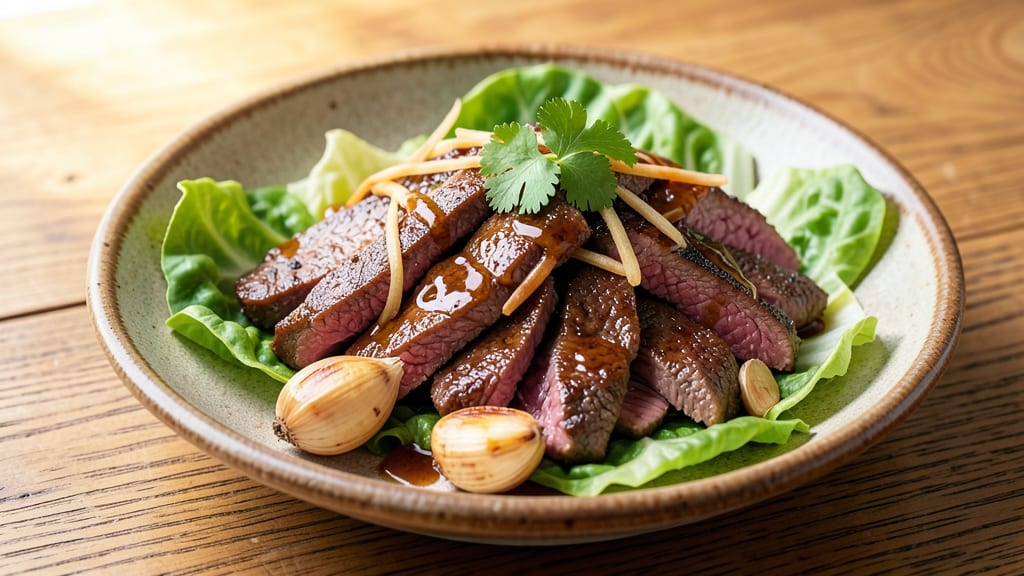
This Filipino beef and cabbage recipe delivers the perfect balance of tender meat and silky cabbage with crispy edges—just like your favorite turo-turo dishes. 🌟 The secret lies in a soy-ginger marinade that infuses deep umami, while slow braising transforms tough cuts into melt-in-your-mouth perfection.
I’ve perfected this version to stay true to Filipino flavors while keeping prep simple for weeknight dinners.
The dish starts with thinly sliced beef (like flank or round) marinated in a tangy-sweet blend of soy sauce, vinegar, and ginger—key for breaking down fibers and adding layers of flavor.
Cabbage is cooked just until tender-crisp, ensuring it holds its texture while absorbing the rich, caramelized sauce. The result? A hearty, comforting stew that’s foolproof and packed with restaurant-quality depth.
What sets this apart is the crispy edges on the beef and cabbage, achieved through a quick sear before simmering. The sauce thickens beautifully, coating every bite with a glossy, savory-sweet glaze.
Serve it over steamed rice to soak up every last drop—this is the kind of meal that turns ordinary nights into a taste of home.
Ready in under 2 hours (including marinating), this recipe serves 4 and scales easily for larger gatherings. The flavors only get better the next day, making it ideal for meal prep. Let’s get cooking!
Ingredients for beef and cabbage filipino
Thinly sliced beef and cabbage wedges meet a bold soy-ginger marinade for crispy edges and melt-in-your-mouth tenderness.
| Ingredient | Amount | Notes |
|---|---|---|
| Beef (Flank or Round Steak) 🥩 | 1 ½ lb | Thinly sliced against grain |
| Green Cabbage 🥬 | 1 small head | Core removed, cut into wedges |
| Soy Sauce 🍶 | ½ cup | High-quality Filipino or Japanese |
| White Vinegar 🍋 | ¼ cup | For tangy brightness |
| Fresh Ginger 🌿 | 2 tbsp | Grated, aromatic |
| Garlic Cloves 🧄 | 6 cloves | Minced, pungent |
| Brown Sugar 🍚 | 2 tbsp | Light or dark |
| Olive Oil 🫒 | 2 tbsp | For searing |
| Water 💧 | 1 cup | For braising liquid |
| Salt 🧂 | 1 tsp | Kosher or sea |
| Black Pepper 🌶️ | ½ tsp | Freshly ground |
| Green Onions 🧅 | 3 whole | Sliced, for garnish |
| Sesame Oil 🌱 | 1 tsp | For finishing aroma |
The beef is non-negotiable here—flank or round steak cuts deliver that signature tender yet chewy texture. Look for well-marbled cuts at your local butcher or Costco for the best value. I always ask for it to be sliced paper-thin against the grain, but if you're slicing at home, freeze the beef for 30 minutes first—it makes all the difference. For the cabbage, green cabbage with tight leaves holds up best to the braising process. Trader Joe's often has pre-cut wedges if you're short on time, but whole heads are cheaper and fresher.
No flank steak? Chuck roast or silverside work in a pinch—just slice it extra thin. Running low on soy sauce? Coconut aminos or tamari add depth, though the flavor will be slightly different. Fresh ginger is ideal, but dried ginger at half the amount works if you're in a bind. The brown sugar helps caramelize the sauce—don't skip it, even if you're watching sugar intake. For extra umami, add a splash of fish sauce (1 tsp), though this isn't traditional. The cabbage wedges should stay intact during cooking, so cut them into 1-inch thick pieces for even cooking.
This dish tastes even better the next day—plan ahead and make extra. Store in an airtight container in the fridge for up to 5 days, or freeze for 3 months. The sauce thickens as it cools, so add a splash of water when reheating. For crispy edges, sear the beef and cabbage in batches—don't overcrowd the pan. Garnish with green onions and a drizzle of sesame oil right before serving, or it'll get soggy. Serve over steamed rice to soak up every last bit of that glossy, savory-sweet sauce.
Why You'll Love This Recipe
- One-Pot Magic: I swear by this—just sear the beef, toss in the cabbage, and let the soy and vinegar work their magic. No pots to wash, no mess to clean. That ginger? It’s the secret that turns everything fragrant in minutes.
- Umami Bomb: The moment the vinegar hits the hot beef, your kitchen smells like a Filipino comfort food dream. The cabbage gets tender but still holds its bite, while the soy gives it that deep, savory punch—no fancy ingredients, just pure flavor.
- Leftovers That Win: Between us, this dish begs for seconds. The beef stays juicy, the cabbage holds up, and the sauce only gets better the next day. I pack it for lunch all week—no sad, dry leftovers here.
- Budget Hero: Flank steak on sale? Cabbage lasts forever? This recipe stretches every ingredient without sacrificing taste. Honestly, it’s the kind of meal that makes grocery day feel like a victory.
Step-by-step instructions for beef and cabbage Filipino braise
Here's how to transform simple ingredients into a restaurant-quality Filipino beef and cabbage dish.
🔥 Step 1: Sear the Beef for Maximum Flavor
Heat a large Dutch oven over medium-high heat and add the 2 tablespoons olive oil. Once shimmering, add the 1.5 lb beef (thinly sliced against grain) in a single layer. Let it sear undisturbed for 2-3 minutes until deep golden brown on one side—this creates that crispy edge we're after.
Real talk: Don't crowd the pan or you'll steam the beef instead of searing. If your slices are too thick, cut them thinner against the grain. Once browned on the first side, flip and repeat for the other side. You want caramelized edges on every piece—this builds the foundation for our rich braise.
👨🍳 Step 2: Build the Aromatic Base
Remove the beef from the Dutch oven and set aside. In the same pot, add the 2 tablespoons grated fresh ginger and 6 minced garlic cloves. Sauté for 30 seconds until fragrant—you should smell that pungent garlic-ginger aroma wafting through your kitchen.
Here's the thing—don't let the garlic burn. It turns bitter fast. Add the 2 tablespoons brown sugar and stir for another 30 seconds until it just begins to melt and caramelize slightly. This sweetness will balance the tangy vinegar later and add depth to the sauce.
🍳 Step 3: Braise with Tangy Soy-Ginger Sauce
Pour in the 0.5 cup soy sauce and 0.25 cup white vinegar, scraping up all those delicious browned bits from the bottom of the pot. Add the 1 cup water and bring to a gentle simmer. Return the beef to the pot, along with any accumulated juices that collected on your plate.
Simmer for 1 hour uncovered, stirring occasionally. You're looking for the sauce to reduce by about half and the beef to become fork-tender. The cabbage wedges will join later—we want the beef to cook first so it doesn't turn mushy. If the sauce reduces too quickly, add 2-3 tablespoons water to maintain the right consistency.
🥘 Step 4: Add Cabbage and Finish the Braise
After the beef has braised for 1 hour, add the 1 small head green cabbage (cut into wedges) to the pot. Stir gently to coat the cabbage in the flavorful sauce. The cabbage should be submerged in the liquid—if not, add enough water to just cover it.
Simmer for another 20-25 minutes until the cabbage is tender but still holds its shape. The wedges should be bright green and slightly crisp at the edges. Taste the sauce and adjust seasoning with the 1 teaspoon salt and 0.5 teaspoon black pepper if needed. The sauce should be balanced—sweet from the caramelized sugar, tangy from the vinegar, and umami-rich from the soy sauce.
🔪 Step 5: Garnish and Serve with Crispy Edges
Remove the pot from heat and stir in the 1 teaspoon sesame oil. This final touch adds that signature nutty aroma that makes this dish sing. Divide the beef and cabbage among serving plates, making sure each portion has its share of that silky braising sauce.
Garnish with the 3 sliced green onions and serve immediately. The contrast of the crispy beef edges against the tender cabbage is what makes this dish so special. Each bite should deliver that perfect balance of textures and flavors—sweet, tangy, umami, and just a hint of heat from the garlic and ginger.
Pro Tips For Making Beef And Cabbage Filipino
- SEAR THE BEEF FIRST: Don’t skip the initial sear—heat your pan until it’s smoking hot, then cook the beef slices for 2-3 minutes per side until deep brown. I learned this the hard way: skipping this step means you’ll end up with mushy beef that soaks up the sauce instead of standing up to it. The crust locks in flavor and keeps the meat tender.
- SHRED THE CABBAGE THIN: Cut the cabbage into ¼-inch thick slices—not chunks—so it cooks evenly and absorbs the sauce properly. I used to leave it in wider strips, and it’d either stay crunchy or turn to mush. Thin slices guarantee that crisp-tender texture everyone loves.
- ADD VINEGAR GRADUALLY: Start with half the vinegar and taste as you go—too much too soon makes the dish sour. The recipe calls for white vinegar, but if you’re using cane vinegar (like Filipino recipes often do), cut back by a third. You want tang, not a mouth-puckering punch.
- LET THE BEEF REST POST-COOK: After simmering, turn off the heat and let the beef sit in the sauce for 5-10 minutes. I know, I know—you want to serve it immediately. But this lets the meat reabsorb the juices and softens it just enough without overcooking. Trust me, it’s worth the wait.
Flavor customization for this beef and cabbage filipino
Sweet and Tangy
For a more pronounced sweet-tangy balance, increase the brown sugar to 3 tablespoons and add 1 tablespoon honey to the marinade. I like using local wildflower honey for its floral notes that complement the soy sauce.
Add 1 teaspoon fish sauce for extra umami depth—this is a common Filipino trick to enhance the tangy-sweet profile. 🍯
Spicy Kick
Turn up the heat by adding 1-2 tablespoons of sliced siling labuyo (Filipino bird's eye chili) to the braising liquid. For a smoky heat, substitute with 1 teaspoon ground annatto (achiote) and ½ teaspoon cayenne pepper.
I recommend Penzeys brand chili flakes for consistent heat levels. Add the chili during the final 5 minutes of cooking to preserve its vibrant color and sharp flavor.
Smoky Depth
For a smoky twist, add 1 teaspoon smoked paprika to the aromatic base when sautéing garlic and ginger. For authentic Filipino smokiness, use ½ teaspoon achiote powder (available at Asian markets) mixed with the soy sauce.
I also love adding 2-3 slices of bacon to the searing step—the rendered fat adds incredible depth. Remove the bacon before adding the cabbage to keep the dish lighter.
Herb-Infused Variations
Brighten the dish with 1 tablespoon fresh cilantro or Thai basil chopped into the final sauce. For a more earthy flavor, add 1 teaspoon dried oregano during the braising stage.
I find fresh Thai basil works beautifully with the soy-ginger profile—it adds a subtle anise-like note. Garnish with extra herbs right before serving to maintain their freshness.
Creamy Finish
For a luxurious finish, stir in ¼ cup coconut milk during the last 5 minutes of cooking. This creates a silky, velvety texture that contrasts beautifully with the crispy beef edges. I recommend full-fat coconut milk for the richest flavor.
For a lighter option, use ¼ cup Greek yogurt mixed with 1 tablespoon lime juice and stir it in at the very end.
Vegetable Swaps
Replace cabbage with Napa cabbage for a milder, sweeter flavor that cooks faster. For a heartier dish, add 1 cup sliced carrots or 1 cup baby bok choy during the final 10 minutes of cooking.
I particularly love baby bok choy because it softens quickly while maintaining its vibrant color. For extra texture, add ½ cup sliced water chestnuts during the last 5 minutes.
Nutrition facts
Frequently asked questions
Can I use a different cut of beef for this recipe?
While flank or round steak are ideal for their tenderness, you can use chuck roast or silverside—just slice them extra thin against the grain. For leaner cuts like sirloin, marinate for an additional 30 minutes to ensure maximum tenderness. The key is thin slicing and proper searing to create those crispy edges.
Why does the cabbage need to be cut into wedges?
Cutting cabbage into wedges ensures even cooking and prevents it from turning mushy. The wedges hold their shape better while absorbing the rich sauce, giving you that perfect tender-crisp texture. For extra presentation, leave the core intact—it adds visual appeal and makes serving easier.
How can I make this dish spicier?
Add 1-2 tablespoons of sliced siling labuyo (Filipino chili) during the last 5 minutes of cooking to preserve heat and color. For smoky heat, mix ½ teaspoon achiote powder with the soy sauce. Always add chili late to avoid overpowering the dish—start with less if you're sensitive to spice!
Can I prepare this ahead of time?
This dish actually tastes better the next day! Store in an airtight container in the fridge for up to 5 days. The flavors meld beautifully, and the sauce thickens into a glossy glaze. Reheat gently on the stove with a splash of water to restore moisture. For freezing, portion into meal-sized containers for 3 months of storage.
What's the secret to crispy beef edges?
Sear the beef in a single layer over medium-high heat without crowding the pan. Let it brown undisturbed for 2-3 minutes per side—this creates the Maillard reaction that builds flavor and texture. Don't skip this step, even if you're in a hurry!