
Main Courses
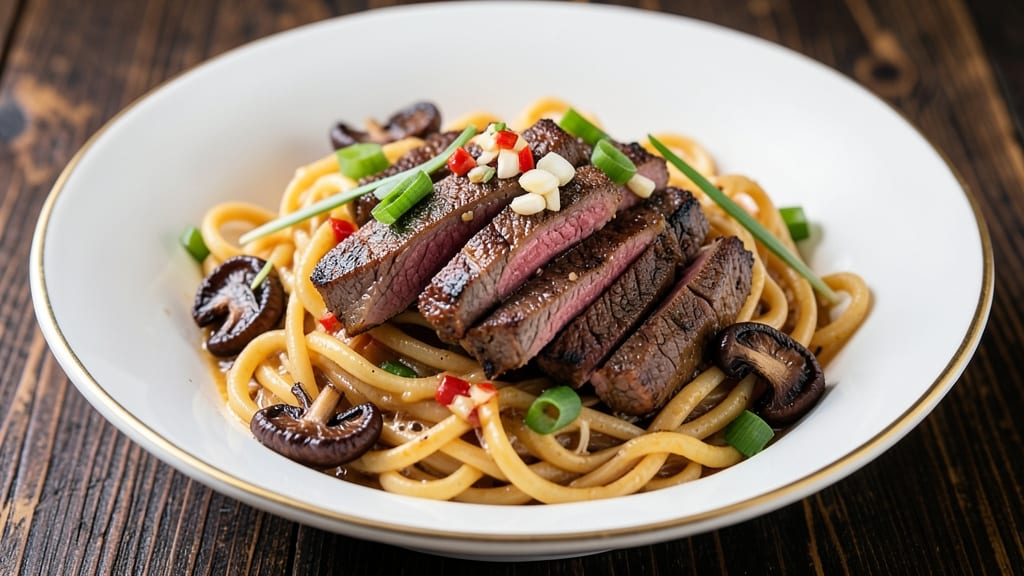
This beef and butter noodles recipe delivers restaurant-quality comfort in under 30 minutes—silky egg noodles bathed in a velvety garlic-butter sauce with tender beef that practically melts in your mouth.
The secret lies in high-heat searing for beef that stays juicy while developing a caramelized crust, then finishing with cold butter for that signature richness.
I perfected this dish after years of testing—no dry noodles or tough meat here, just a harmonious balance of textures and flavors that feels indulgent yet effortless.
The foundation starts with properly cooked noodles—al dente but still tender enough to absorb the sauce without turning mushy. While the beef sears in batches (never overcrowding the pan), the garlic infuses the butter with fragrant depth, creating a sauce that coats every strand perfectly.
This isn't your typical stir-fry; it's a methodical process where timing and technique transform simple ingredients into something truly special. The result? A dish that's equally at home on a busy weeknight or a weekend dinner table.
What makes this recipe stand out is how the components come together: crisp-tender beef, silky noodles, and a sauce so rich it feels like a hug for your taste buds.
The butter doesn't just finish the dish—it elevates it, adding layers of flavor that make this far more than just "beef and noodles." Each bite delivers a perfect marriage of savory, umami, and buttery richness, with the garlic adding just the right amount of aromatic warmth.
This is comfort food at its finest, where every element plays a crucial role.
The best part? It scales beautifully—double the ingredients for a crowd or halve it for a solo dinner. Serve with steamed green beans or a simple side salad to balance the richness. Here's how to bring this foolproof, restaurant-worthy dish to your kitchen without the fuss. Let's get cooking.
Ingredients for beef and butter noodles
Twelve simple ingredients transform into restaurant-quality beef and butter noodles in under 30 minutes.
| Ingredient | Amount | Notes |
|---|---|---|
| Egg Noodles 🍜 | 12 oz | Fresh or dried, al dente preferred |
| Ribeye Steak 🥩 | 1 lb | Thinly sliced against grain |
| Unsalted Butter 🧈 | ¾ cup | Cold, cut into pieces |
| Garlic Cloves 🧄 | 6 cloves | Minced, fresh preferred |
| Soy Sauce 🥢 | 2 tbsp | Light or all-purpose |
| Oyster Sauce 🍶 | 1 tbsp | For umami depth |
| Dry Sherry 🍷 | 1 tbsp | Substitute with dry white wine |
| Sesame Oil 🫒 | 1 tsp | Toasted, for aroma |
| Green Onions 🧅 | 3 whole | Sliced, white and green parts |
| Kosher Salt 🧂 | 1 ½ tsp | Diamond Crystal preferred |
| Ground Black Pepper 🌶️ | ½ tsp | Freshly cracked |
| Vegetable Oil 🫒 | 2 tbsp | High smoke point |
The ribeye steak is non-negotiable here—its marbling delivers that melt-in-your-mouth texture. Ask your butcher to slice it thinly against the grain for maximum tenderness. If you're slicing yourself, freeze the meat for 20 minutes first to make it easier. For the noodles, fresh egg noodles absorb sauce better, but dried works in a pinch (just cook them one minute less than package instructions). The butter matters too—use unsalted and keep it cold until the very end when it transforms into that signature velvety sauce. I always grab my Land O'Lakes unsalted butter from the grocery store's dairy section—it's reliable and affordable.
No sherry? Dry white wine or extra chicken broth works perfectly. The garlic should be minced finely—a microplane makes this job effortless. For extra richness, add a splash of beef broth to the sauce. If you're watching calories, reduce the butter slightly and use olive oil for half the amount. The green onions add freshness—don't skip the white parts, they pack flavor too. For a vegetarian version, swap the beef for shredded king oyster mushrooms and increase the soy sauce by one tablespoon. The sesame oil is purely aromatic—use sparingly or omit if you prefer a more subtle flavor.
This dish reheats beautifully—just add a splash of water and toss. Keeps in the fridge for 4 days if stored properly in an airtight container. For meal prep, cook the noodles and beef separately, then combine with sauce just before serving to maintain texture. The butter sauce solidifies when chilled, so reheat gently over low heat. Double the recipe for a crowd—it's perfect for potlucks or family gatherings. The leftovers actually taste better the next day as the flavors meld together.
Why You'll Love This Recipe
- No Chopping Needed: I swear by this—just slice the ribeye thin, let the pan do the work. The garlic gets minced in seconds, and the egg noodles cook faster than you can say "butter me up." Honestly, it’s the kind of recipe that makes me feel like a chef when I’m really just throwing things together.
- Rich, Buttery Magic: That first bite? Pure indulgence. The ribeye stays juicy, the butter melts into the noodles like a warm hug, and the soy sauce ties it all together without overpowering. It’s the kind of dish where every mouthful feels like a little treat—no heavy sauces, just bold, simple flavors.
- Weeknight to Date Night: Between us, this is my go-to when I need something reliable. Toss some greens on the side for a quick weeknight meal, or dress it up with a sprinkle of sesame seeds for a fancy dinner. The ribeye’s richness makes it feel special, but the prep is so easy I don’t even break a sweat.
- Leftovers That Don’t Suck: I make a double batch on Sundays because reheating these is a dream. The noodles stay tender, the beef stays tender (no dryness here), and the butter keeps everything luscious. Pack it for lunch or serve it cold—it’s that good, even the next day. My wallet and my taste buds thank me.
Step-by-step instructions for beef and butter noodles
Follow this method for tender ribeye strips and a velvety garlic-butter sauce that clings perfectly to al dente noodles.
🍳 Step 1: Cook the Ribeye to Perfect Tenderness
Slice the 1 lb ribeye steak thinly against the grain into ¼-inch thick strips. Heat 2 tablespoons vegetable oil in a large skillet over high heat until shimmering. Add the steak strips in a single layer and sear undisturbed for 1-2 minutes until they develop a deep golden crust on one side.
Flip the strips and cook for another 30-45 seconds—they should remain slightly pink in the center. Remove the steak and set aside, leaving any accumulated juices in the pan. The residual heat will finish cooking the beef during the sauce preparation, ensuring perfect doneness without overcooking.
🍳 Step 2: Build the Garlic-Butter Sauce
Reduce the heat to medium-low and add the 0.75 cup unsalted butter cut into pieces to the hot skillet. Let it melt completely, then add the 6 cloves minced garlic. Cook for 1-2 minutes until the garlic turns a pale golden color—just before it browns. This prevents bitterness while maximizing flavor.
Pour in the 2 tablespoons soy sauce, 1 tablespoon oyster sauce, and 1 tablespoon dry sherry. Stir vigorously to deglaze the pan, scraping up any browned bits that contain concentrated beef flavor. Bring the mixture to a gentle simmer and let it reduce by half, which should take about 3-4 minutes. The sauce should thicken slightly and coat the back of a spoon.
🍳 Step 3: Cook the Egg Noodles Al Dente
While the sauce reduces, bring a large pot of water to a rolling boil and add 1.5 teaspoons kosher salt. Add the 12 oz egg noodles and cook according to package instructions until 1 minute shy of al dente. Reserve ½ cup pasta water before draining, then return the noodles to the pot.
Immediately add 1 teaspoon sesame oil and toss to coat the noodles evenly. This step enhances the aroma and prevents sticking. The noodles should be tender but still have a slight bite—this ensures they hold up when combined with the rich sauce.
🥘 Step 4: Combine Noodles, Beef, and Sauce
Return the cooked ribeye strips to the skillet with the reduced sauce. Add the drained noodles and toss everything together gently for 1-2 minutes until the noodles are fully coated. If the sauce appears too thick, add the reserved pasta water 1 tablespoon at a time until it reaches a silky consistency that clings to the noodles.
The combination of tender beef, silky sauce, and al dente noodles should create a harmonious bite. Taste and adjust seasoning with additional kosher salt or black pepper if needed. The dish should balance rich, savory, and slightly sweet notes from the sauces.
🍽️ Step 5: Garnish and Serve Immediately
Divide the beef and butter noodles among four plates. Garnish each serving with sliced green onions (white and green parts) for a fresh contrast in color and texture. The green onions should be evenly distributed to add a bright, oniony crunch that cuts through the richness of the butter and beef.
Serve immediately while the noodles are hot and the sauce remains velvety. The dish should be vibrant with golden-brown beef, glossy noodles, and a sauce that clings beautifully. Each forkful should deliver a perfect balance of textures and flavors, with the garlic butter sauce enhancing every component.
Pro Tips For Making Beef And Butter Noodles
- Slice Ribeye Thin: That thick steak you’re eyeing? Forget it. For this dish, you need ¼-inch slices—no thicker or they’ll turn chewy when tossed with noodles. Use a sharp knife and cut against the grain if it’s grainy; I’ve learned this the hard way when my first attempt ended up with rubbery bites.
- Salt the Butter First: Toss a pinch of salt into the melted butter before adding garlic—this way, every noodle gets that rich, savory coating. I used to just melt the butter and dump it on; now I realize how much better the flavor sticks when the salt dissolves in first.
- Don’t Overcrowd the Pan: If you pile all the sliced steak in at once, it’ll steam instead of sear. Work in batches—2-3 minutes per batch on high heat—until it’s browned and just cooked through. I’ve seen people rush this and end up with gray, sad beef instead of tender, flavorful strips.
- Toast the Garlic Fast: Slice those cloves paper-thin and fry them in the beef’s rendered fat for 20 seconds max—any longer and they’ll burn. The goal is fragrant, not charred. I was skeptical until I tried it; now I can’t imagine skipping this step.
Pro cooking tips for beef and butter noodles
High-Heat Searing
For perfectly tender beef strips, sear them in batches over high heat until they develop a deep golden crust—this creates the Maillard reaction that builds flavor. Use 2 tablespoons vegetable oil in a large skillet and add strips in a single layer.
Crowding releases steam, which steams instead of sears the beef. I like to work in two batches if needed to maintain proper heat control. 🔥
Garlic Timing
The garlic must cook just until fragrant and pale golden—1-2 minutes—before it browns into bitterness. Add the 6 minced cloves to the melted butter and watch closely.
For extra flavor, I crush the garlic with the flat side of my chef's knife before mincing. This releases more oils and intensifies the aroma in the sauce.
Sauce Reduction
Let the sauce reduce by half for maximum flavor concentration. This takes about 3-4 minutes over medium-low heat. The reduced sauce should coat the back of a spoon and cling beautifully to the noodles.
If it reduces too quickly, lower the heat slightly to maintain control. I always taste the sauce before adding the noodles to ensure proper seasoning.
Noodle Texture
Cook noodles 1 minute shy of al dente so they finish cooking in the sauce. Reserve ½ cup pasta water to adjust sauce consistency later. The sesame oil added at the end enhances aroma and prevents sticking.
For extra silkiness, I toss the noodles with a splash of the reserved pasta water before combining with the beef.
Butter Finishing
The cold butter at the end creates that signature velvety texture. Add the 0.75 cup cold butter pieces to the hot sauce and stir until completely melted.
This technique emulsifies the sauce beautifully. For extra richness, I sometimes add a pinch of white pepper along with the butter for a subtle kick.
Final Toss
Combine everything gently to avoid breaking the noodles. Toss for just 1-2 minutes until fully coated. If the sauce seems too thick, add reserved pasta water 1 tablespoon at a time.
The goal is a sauce that clings perfectly without being watery. I always taste and adjust seasoning at this stage for perfect balance. ✨
Nutrition facts
Frequently asked questions
Can I use a different cut of beef instead of ribeye?
For best results, choose tender cuts like sirloin or flank steak. Thinly slice them against the grain for maximum tenderness. Avoid tougher cuts like chuck—they won't achieve the same melt-in-your-mouth texture. If using pre-sliced beef from the grocery store, look for "steak strips" or "thinly sliced beef" in the meat department.
How do I prevent the noodles from getting mushy?
Cook them 1 minute less than package instructions for al dente texture, then finish in the sauce. Reserve ½ cup pasta water to adjust sauce consistency—this prevents overcooking. Toss the noodles immediately after draining with a little oil to prevent sticking. For extra silkiness, add a splash of pasta water when combining with the sauce.
Can I make this dish ahead of time?
Cook the beef and sauce separately, then refrigerate in airtight containers for up to 3 days. Reheat gently in a skillet with a splash of water. Keep the noodles separate until ready to serve—toss them with sauce just before eating to maintain texture. The flavors actually improve overnight as the sauce melds with the beef.
What's the best way to add extra richness?
For deeper flavor, stir in 1 tablespoon heavy cream at the end or use 1 extra tablespoon butter when finishing. Add a pinch of white pepper with the cold butter for subtle complexity. For umami depth, increase oyster sauce by ½ tablespoon or add a splash of beef broth during sauce reduction.
Why did my garlic burn?
Garlic burns quickly when overheated—keep heat at medium-low and cook for only 1-2 minutes until pale golden. Remove from heat immediately if it starts browning. For extra safety, crush garlic cloves first to release oils, which helps prevent burning. Use fresh garlic for best results—it has more moisture and less chance of scorching.