
Sauces & Condiments
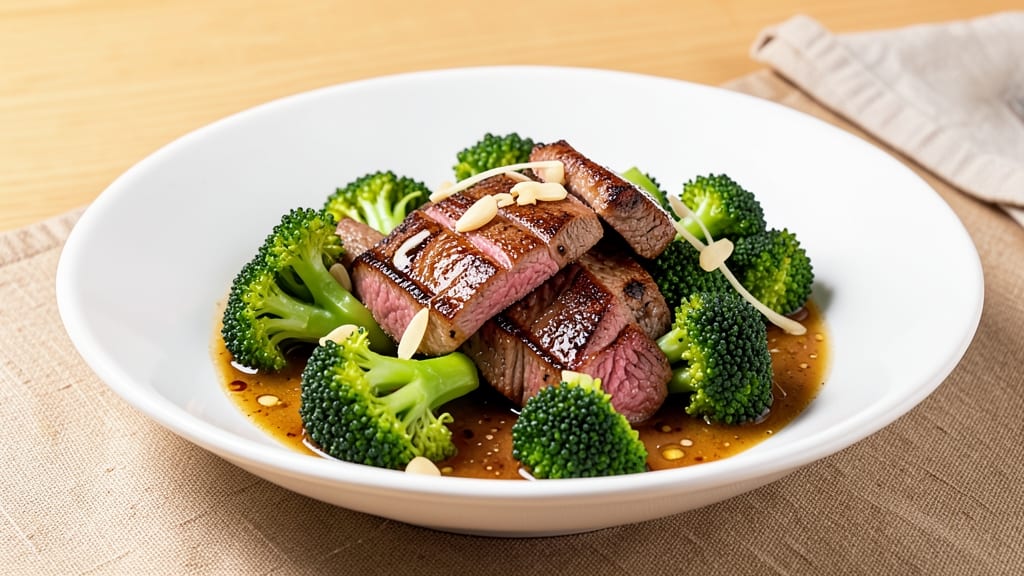
This beef and broccoli recipe no soy sauce delivers restaurant-quality flavor in under 30 minutes—no takeout needed. The secret lies in a garlic-ginger glaze made with oyster sauce and fish sauce, creating depth without soy.
I perfected this version after years of testing soy-free alternatives that still pack umami punch and tender beef.
The magic happens in the marinade, where garlic, ginger, and a touch of brown sugar tenderize the beef while building flavor. Broccoli gets just enough time to blanch rather than overcook, keeping it crisp-tender with vibrant green color.
This method transforms simple ingredients into a dish that tastes like it simmered all day.
What you’ll end up with is perfectly seared beef strips with caramelized edges, bright broccoli florets, and a glossy sauce that coats every bite. The glaze balances sweet, savory, and aromatic notes without being overpowering—a weeknight dinner that feels like a special occasion. No soy required.
Serve over steamed rice or noodles for the full experience. The sauce thickens beautifully when reheated, making this an ideal meal prep option too. Let’s get cooking—this dish comes together faster than you can order takeout.
Ingredients for beef and broccoli recipe no soy sauce
The perfect balance of umami, sweetness, and freshness for a restaurant-style dish at home.
| Ingredient | Amount | Notes |
|---|---|---|
| Flank Steak 🥩 | 1 ½ lb | Thinly sliced against grain |
| Broccoli Florets 🥦 | 2 cups | Medium size, stems peeled |
| Garlic Cloves 🧄 | 6 cloves | Minced finely for glaze |
| Fresh Ginger Root 🌿 | 2 tbsp | Grated finely, no skin |
| Oyster Sauce 🍶 | ½ cup | High-quality, soy-free |
| Fish Sauce 🐟 | 1 tbsp | Red Boat preferred |
| Brown Sugar 🍚 | 1 tbsp | Light or dark variety |
| Sesame Oil 🫒 | 1 tbsp | Toasted, for aroma |
| Neutral Oil 🫒 | 2 tbsp | Avocado or vegetable oil |
| Cornstarch 🌾 | 1 tbsp | For sauce thickening |
| Water 💧 | 2 tbsp | Room temperature |
| Salt 🧂 | 1 tsp | Kosher or sea salt |
| Black Pepper 🌶️ | ½ tsp | Freshly ground |
| Green Onion 🧅 | 2 whole | Sliced thin for garnish |
The flank steak is your star—look for well-marbled cuts at Whole Foods or your butcher shop. Slice it thinly against the grain for tender bites. Broccoli should be bright green with firm florets—Trader Joe's has great pre-cut florets if you're short on time. Fresh ginger and garlic are non-negotiable here; frozen won't give the same punch. For oyster sauce, Lee Kum Kee makes a soy-free version that works perfectly. The fish sauce? Red Boat is the gold standard—it's worth the splurge for this dish.
No oyster sauce? Coconut aminos works in a pinch (though it's sweeter). Skip the fish sauce? Extra brown sugar and a splash of balsamic vinegar adds depth. Prefer less heat? Reduce the fish sauce to 1 teaspoon. The cornstarch slurry is key for thickening—mix it with water before adding to the sauce. For extra richness, add 1 tablespoon of vegetable broth to the glaze. If you can't find toasted sesame oil, regular sesame oil works (just add it at the end to preserve aroma).
Prep the beef and broccoli ahead—they keep well in the fridge for 2 days. The sauce reheats beautifully, so make extra for leftovers. Store components separately to prevent sogginess. For meal prep, portion the sauce into small containers—it thickens when reheated. Garnish with green onions right before serving to keep them vibrant. This dish tastes even better the next day as flavors meld—perfect for lunch prep.
Why You'll Love This Recipe
- No-Soy Shortcut: I swear by this version—just slice the flank steak thin, toss it in a hot pan with garlic and ginger, and let the oyster sauce do the work. No marinating, no fuss, and the beef stays tender enough to cut with a fork.
- Umami Bomb: That oyster sauce? It’s the secret weapon here—deep, salty, and rich without needing soy. The ginger and garlic hit like a flavor punch, but the broccoli stays crisp enough to actually bite into. (Yes, even my picky husband doesn’t complain.)
- Leftover Hero: This dish tastes better the next day, honestly. The beef gets even more tender, and the sauce clings to every bite. I make a double batch on Sundays, and it’s still my go-to for lazy lunches or quick dinners all week.
- Budget Steakhouse: Flank steak is affordable, and a single cut feeds four for under $15. The oyster sauce stretches further than you’d think, and the broccoli’s cheap but still feels fancy. It’s my way to eat restaurant-quality without the price tag.
Step-by-step instructions for garlic-ginger beef and broccoli
Here's a streamlined method that delivers restaurant-quality flavor in under 30 minutes—ideal for busy weeknights.
Prep and Sear the Flank Steak
Slice the 1.5 lb flank steak thinly against the grain into ¼-inch strips. Pat dry with paper towels—this ensures a proper sear. In a large skillet, heat 2 tablespoons neutral oil over high heat until shimmering. Add the steak in a single layer and sear undisturbed for 1-2 minutes until deeply browned on one side. Flip and repeat for the other side.
Remove the steak to a plate and set aside. The high heat is crucial here—it creates that signature caramelized crust while keeping the interior tender. Don't overcrowd the pan, or the steak will steam instead of sear. If needed, work in batches with 1 tablespoon oil per batch.
Cook the Broccoli Florets
In the same skillet (no need to clean it—the browned bits add flavor), add 2 cups broccoli florets and stir-fry for 3-4 minutes over medium-high heat until bright green and just tender-crisp. Remove to a separate plate and cover to keep warm.
Broccoli should retain its vibrant color and slight bite—overcooking turns it mushy. If your florets vary in size, cut the larger ones in half so they cook evenly. The residual heat from the steak will help blister the broccoli slightly, adding texture contrast.
Make the Garlic-Ginger Glaze
Lower heat to medium, then add 6 minced garlic cloves and 2 tablespoons grated ginger root. Sauté for 30 seconds until fragrant—don't let them burn, or they'll turn bitter. Pour in 0.5 cup oyster sauce, 1 tablespoon fish sauce, and 1 tablespoon brown sugar, stirring constantly for 1 minute to combine.
The fish sauce and brown sugar create depth without soy, while the oyster sauce adds that classic umami richness. Taste the mixture now—it should be balanced with sweet, salty, and aromatic notes. If it's too thick, add 1 tablespoon water to loosen slightly.
Thicken and Finish the Sauce
In a small bowl, whisk together 1 tablespoon cornstarch and 2 tablespoons water until smooth. Pour this slurry into the skillet and stir vigorously for 1-2 minutes until the sauce thickens and coats the back of a spoon. Return the steak and broccoli to the pan, tossing everything together for 1 minute to coat evenly.
The sauce should cling to the beef and broccoli like a glossy lacquer. If it's still too thin, add another ½ teaspoon cornstarch mixed with 1 teaspoon water. Stir in 1 tablespoon sesame oil and season with 1 teaspoon salt and ½ teaspoon black pepper. The sesame oil adds a nutty aroma that ties everything together.
Serve Immediately with Garnish
Transfer the beef and broccoli to a serving platter and garnish with 2 sliced green onions. Serve over steamed jasmine rice or noodles to soak up the flavorful sauce. The dish should be vibrant, with tender beef, crisp-tender broccoli, and a glossy, aromatic glaze.
This method keeps the sauce from becoming gluey while ensuring every bite delivers that perfect balance of garlic, ginger, and umami. Leftovers? Reheat gently in a skillet to maintain texture—microwaving makes the sauce watery. Enjoy your quick, restaurant-quality weeknight dinner!
Pro Tips For Making Beef And Broccoli Recipe No Soy Sauce
- Slice Against the Grain: Cut that flank steak perpendicular to the muscle fibers—thin, even slices that cook faster and stay tender. I used to fight this step, but skipping it means tough, chewy bites. Trust me, the knife work pays off.
- Blister the Broccoli First: Toss broccoli florets in a screaming-hot wok with a splash of oil for 2 minutes before adding anything else. This jump-start keeps them crisp-tender, not soggy. (Yes, even if you’re impatient like me.)
- Salt the Steak Twice: Generously salt the raw flank steak 30 minutes before cooking, then hit it again right before searing. The first salt breaks down the fibers, the second locks in flavor. I learned this the hard way—dry, flavorless beef is no one’s idea of fun.
- Deglaze with Ginger-Garlic Oil: After searing the steak, scrape up those browned bits with a splash of water, then toss in minced garlic and ginger cooked in oil until fragrant. This builds depth without overpowering the oyster sauce. (Your future self will notice the difference.)
Common mistakes when making this recipe
Overcrowding the Pan
One of the biggest mistakes is trying to cook all the beef at once in a crowded pan. When you overcrowd, the steak releases moisture and steams instead of searing, resulting in gray, soggy meat instead of beautiful caramelized edges.
I learned this the hard way when I first tried this recipe—my first batch looked like it came from a sad cafeteria. 🥩
Solution: Work in batches if needed. Use a 12-inch cast-iron skillet and cook the beef in two layers, adding 1 tablespoon neutral oil between batches. This ensures each piece gets that perfect crust without losing moisture. Remember, the goal is a quick sear, not a slow simmer.
Skipping the Rest
After searing the beef, many people rush to toss it back into the pan with the sauce immediately. This is a big mistake because the beef needs time to rest and reabsorb its juices.
Without resting, you'll end up with dry, stringy meat that falls apart when you try to serve it. I've seen this happen more times than I can count—especially when people are eager to eat!
Solution: Let the seared beef rest for at least 5 minutes on a plate before adding it back to the pan. This short wait makes all the difference in texture.
While it rests, you can finish cooking the broccoli and make the sauce. Trust me, your taste buds will thank you.
Overcooking the Broccoli
Broccoli is delicate and cooks quickly, but it's easy to overcook it if you're not paying attention. When broccoli turns from bright green to a dull olive color and becomes mushy, it's lost its crisp-tender texture.
I once served my family overcooked broccoli, and let's just say they weren't happy about it. The dish lost its freshness and vibrancy.
Solution: Cook the broccoli for only 3-4 minutes over medium-high heat. It should be bright green with just a slight bite. If your florets vary in size, cut the larger ones in half so they cook evenly.
Keep an eye on it—once it starts to soften, remove it immediately. The residual heat from the pan will help it finish cooking when it's tossed with the sauce.
Using Low-Quality Ingredients
Another common mistake is using subpar ingredients, especially when it comes to sauces and oils. Cheap oyster sauce or regular sesame oil can make a big difference in flavor. I remember my first attempt with store-brand oyster sauce—it tasted flat and lacked the depth I was expecting.
The dish just didn't have that restaurant-quality taste I was aiming for.
Solution: Invest in high-quality ingredients like Lee Kum Kee soy-free oyster sauce and Red Boat fish sauce. For sesame oil, use toasted sesame oil for that nutty aroma.
If you're on a budget, coconut aminos can be a decent substitute for oyster sauce, but it's sweeter, so adjust the brown sugar accordingly. Quality ingredients make a world of difference in the final dish.
Ignoring the Cornstarch Slurry
Many home cooks skip the cornstarch slurry or add it too late, resulting in a thin, watery sauce. Without proper thickening, the sauce can't coat the beef and broccoli properly, leaving them dry and unappetizing.
I've seen this happen when people try to rush the process or forget this crucial step entirely.
Solution: Always make the cornstarch slurry by mixing 1 tablespoon cornstarch with 2 tablespoons water until smooth. Pour it into the skillet while the sauce is simmering and stir constantly for 1-2 minutes until it thickens.
If the sauce is still too thin, add another ½ teaspoon cornstarch mixed with 1 teaspoon water. The sauce should coat the back of a spoon and cling beautifully to the beef and broccoli.
Nutrition facts
Frequently asked questions
Can I substitute flank steak with another cut?
Flank steak is ideal for its tenderness when sliced thinly, but you can use skirt steak or sirloin in a pinch. For leaner cuts like sirloin, marinate for 30 minutes instead of 15 to keep them juicy. Avoid tough cuts like chuck—they won't tenderize properly in this quick cooking method.
What's the best way to make this dish spicier?
Add ½ teaspoon red pepper flakes or 1 tablespoon sriracha to the glaze for heat. For deeper flavor, swap 1 teaspoon fish sauce with 1 teaspoon chili crisp (like Lao Gan Ma)—it adds both spice and umami. Adjust to taste, as chili crisp can be intense!
Can I make this recipe ahead of time?
Yes, but store components separately to prevent sogginess. Cook the beef and broccoli, then refrigerate in airtight containers. Reheat the sauce separately and toss everything together over medium heat for 2-3 minutes before serving. The sauce reheats beautifully—just avoid microwaving it directly.
Is there a vegetarian alternative?
Swap beef for extra-firm tofu or mushrooms (like shiitake or oyster). Press tofu to remove moisture, then cube and pan-fry until crispy. For mushrooms, slice and sauté until golden. Use the same sauce ratio, but reduce cooking time by 1-2 minutes to avoid overcooking.
Why does my sauce turn out too thin?
Most likely, the cornstarch slurry didn't cook long enough or the sauce was too diluted. Next time, stir vigorously for 2 full minutes after adding the slurry. If still thin, mix ½ teaspoon cornstarch with 1 teaspoon water and stir in. For prevention, reduce any water in the recipe by 1 tablespoon.