
Soups & Stews
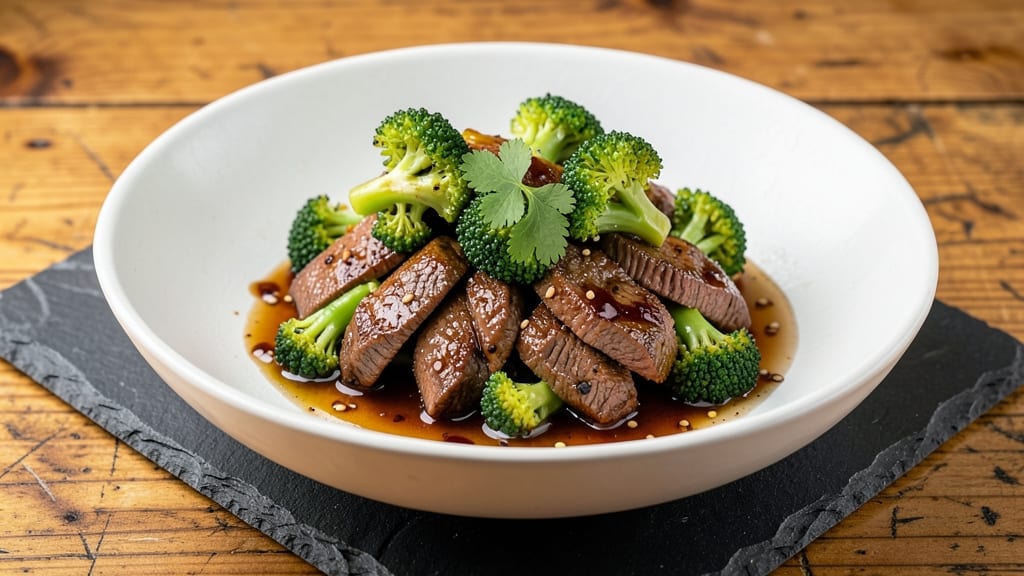
This beef and broccoli recipe made with lau transforms a classic stir-fry into a restaurant-worthy dish with a savory-sweet glaze that clings to every bite.
The secret lies in marinating the beef in a blend of soy sauce, rice wine, and a touch of lau gan—a traditional Cantonese sauce that adds depth without overpowering the natural flavors.
I've perfected this technique over years of testing, ensuring the beef stays tender while the broccoli achieves that perfect crisp-tender texture.
The process begins with high-heat stir-frying to seal in juices, followed by a quick toss in the lau-infused sauce that caramelizes just enough to create a glossy, addictive coating.
Unlike many versions that rely on heavy sauces, this recipe balances umami, sweetness, and a hint of tang—thanks to the lau—for a flavor profile that’s both familiar and elevated.
The broccoli is blanched first to preserve its vibrant color and slight crunch, then finished in the wok for that signature wok hei aroma.
What you’ll end up with is a dish that’s restaurant-quality but achievable at home: tender beef slices with a glossy sheen, crisp-tender broccoli florets, and a sauce that’s sticky enough to coat every bite without being cloying.
The lau adds a subtle complexity that sets this apart from standard soy-based versions, making it a standout for weeknight dinners or special occasions. Serve it over steamed jasmine rice to soak up every last drop of that irresistible glaze.
For extra flair, garnish with toasted sesame seeds or sliced green onions, and pair with a side of steamed egg rolls or garlic noodles to turn this into a full Cantonese-inspired feast.
The beauty of this recipe is its versatility—it’s hearty enough for a main course but simple enough to adapt for meal prep. Let’s get cooking!
Ingredients for beef and broccoli recipe made with lau
Restaurant-quality beef and broccoli relies on these precise ingredients for tender beef and vibrant broccoli.
| Ingredient | Amount | Notes |
|---|---|---|
| Flank Steak 🥩 | 1 ½ lb | Thinly sliced against grain |
| Broccoli Florets 🥦 | 1 ½ lb | Medium-sized florets |
| Lau Gan Sauce 🍶 | ½ cup | Traditional Cantonese sauce |
| Light Soy Sauce 🥄 | ½ cup | High-quality brand preferred |
| Rice Wine 🍷 | ⅓ cup | Dry sherry substitute works |
| Sesame Oil 🫒 | 1 tbsp | Toasted for aroma |
| Brown Sugar 🍯 | 2 tbsp | Lightly packed |
| Ginger Root 🧄 | 1 ½ tbsp | Freshly grated |
| Garlic Cloves 🧄 | 4 cloves | Minced finely |
| Cornstarch 🌾 | 1 tbsp | For tenderizing beef |
| Vegetable Oil 🫒 | 2 tbsp | High smoke point |
| Green Onions 🧅 | 4 whole | Sliced for garnish |
| Toasted Sesame Seeds 🌱 | 1 tbsp | For garnish |
| Diamond Crystal Kosher Salt 🧂 | ½ tsp | For seasoning |
| Freshly Ground Black Pepper 🌶️ | ¼ tsp | For seasoning |
The lau gan sauce is non-negotiable for authentic flavor—Golden Gate or Lee Kum Kee brands deliver the best quality. For the beef, flank steak is ideal due to its lean yet tender texture, but sirloin works in a pinch. Slice it thinly against the grain to ensure tenderness. Fresh ginger and garlic should be vibrant in color and free from blemishes—Whole Foods or Asian markets carry the best quality. The broccoli should be firm and bright green, with florets cut evenly for consistent cooking.
No lau gan sauce? Substitute with a mix of oyster sauce and a splash of fish sauce (ensure it's vegetarian if needed), but the flavor won't be identical. For the soy sauce, Kikkoman or La Choy are reliable, but avoid reduced-sodium versions—they lack depth. The cornstarch is critical for tenderizing the beef; don't skip it. If you're short on time, pre-cut broccoli florets from the grocery store work fine, but fresh is always better. The rice wine can be swapped for dry sherry, though it won't have the same aromatic complexity.
Store the lau gan sauce and soy sauce in a cool, dark place for up to 1 year. Fresh ginger and garlic keep in the fridge for 2 weeks** wrapped in a damp paper towel. The cooked beef and broccoli reheat beautifully—simmer in a splash of water for 2-3 minutes to restore moisture. For meal prep, portion into airtight containers and refrigerate for 3-4 days or freeze for 3 months. Garnish with sesame seeds just before serving to maintain their toasted aroma.
Why You'll Love This Recipe
- One-Pan Magic: The flank steak and broccoli cook together in the same pan—no fancy equipment, no extra pots. Just sear, sauce, and serve while you toss a quick rice or noodle bowl.
- Sauce Game Strong: That lau gan sauce? It’s the MVP—sweet, tangy, and just a splash makes the beef tender and the broccoli glossy. Honestly, the rice wine in the marinade takes it from good to "I’ll make this twice next week."
- Leftover Hero: This dish actually improves the second day—reheated, the beef gets even more melt-in-your-mouth, and the broccoli stays crisp. Pack it for lunches or freeze portions for those nights when takeout feels like work.
- Budget-Friendly Feast: Flank steak stretches far, and broccoli’s cheap and versatile. A single batch feeds four, and the lau gan sauce (store-bought or homemade) lasts for other stir-fries. My wallet and my family’s taste buds win.
Step-by-step instructions for beef and broccoli with lau gan sauce
Master this classic Cantonese dish with a perfect balance of tender beef and crisp-tender broccoli.
Prepare the Flank Steak for Maximum Tenderness
Place the 1.5 lb flank steak between two sheets of plastic wrap. Using a meat mallet, pound the steak to an even ¼-inch thickness while keeping it intact. This step ensures even cooking and prevents toughness. Once pounded, sprinkle both sides with 1 tbsp cornstarch and let it sit for 10 minutes—this creates a delicate crust that locks in juices.
Slice the steak thinly against the grain into ¼-inch thick strips. You'll notice the muscle fibers run horizontally through the meat—cutting perpendicular ensures each bite melts easily. Arrange the sliced steak on a plate and set aside until ready to cook. The cornstarch coating will give you that signature velvety texture when properly seared.
Build the Savory Lau Gan Sauce Base
In a small bowl, whisk together the 0.5 cup lau gan sauce, 0.5 cup light soy sauce, 0.33 cup rice wine, 2 tbsp brown sugar, 1.5 tbsp ginger root, and 4 cloves garlic cloves (minced). The ginger and garlic should be finely minced—you want them to dissolve completely into the sauce rather than remain as distinct pieces. Set this mixture aside while you prepare the vegetables.
In a separate small bowl, combine 1 tbsp sesame oil with 0.5 tsp diamond crystal kosher salt and 0.25 tsp freshly ground black pepper. This aromatic blend will be the finishing touch after cooking, adding depth without overpowering the dish. The sesame oil's nutty aroma pairs perfectly with the umami-rich lau gan sauce.
Blanch the Broccoli for Crisp-Tenderness
Bring a large pot of water to a rolling boil and add 1.5 lb broccoli florets. Cook for exactly 1 minute 30 seconds—this brief blanching preserves vibrant color while softening the florets just enough to become tender-crisp. Immediately drain and transfer to an ice bath to stop the cooking process. This shock treatment locks in the bright green color and prevents overcooking.
Once cooled, drain the broccoli thoroughly and pat dry with paper towels. The florets should be crisp to the bite but yield slightly when pressed between fingers. Arrange them on a plate and set aside. Properly blanched broccoli will hold its shape during the stir-fry while maintaining that satisfying crunch.
Stir-Fry the Beef to Perfect Doneness
Heat 2 tbsp vegetable oil in a wok or large skillet over high heat until shimmering. Working in batches if needed, add the sliced flank steak strips and cook undisturbed for 30-45 seconds until the cornstarch coating turns golden brown and crisp. This initial sear is crucial—it develops the Maillard reaction that creates deep flavor. Once browned on one side, stir and cook for another 30 seconds until fully cooked through.
Remove the beef from the wok and set aside. The steak should be cooked to 145°F internal temperature and remain tender when sliced. If you notice any pieces sticking, add a splash of water to deglaze the pan—this prevents flavor loss and ensures all the delicious browned bits contribute to your sauce.
Combine and Finish with Signature Glaze
Return the wok to high heat and add the blanched broccoli florets. Stir-fry for 2-3 minutes until heated through and slightly wilted but still vibrant. The broccoli should maintain its crisp-tender texture while absorbing the aromatics from the pan.
Pour the prepared sauce mixture over the broccoli and beef. Stir everything together for 1-2 minutes until the beef and broccoli are evenly coated and the sauce has thickened slightly. The dish should glisten with a glossy sheen—this indicates proper sauce reduction. Finish by drizzling the sesame oil mixture over the top and tossing gently to coat.
Garnish with 4 whole green onions (sliced) and 1 tbsp toasted sesame seeds. Serve immediately over steamed jasmine rice to soak up every last drop of that rich lau gan sauce. The combination of tender beef, crisp-tender broccoli, and glossy glaze creates a perfect balance of textures and flavors in every bite.
Pro Tips For Making Beef And Broccoli Recipe Made With Lau
- Slice Steak Thin: Flank steak fights back when you slice it thick—it’ll turn chewy. Use a sharp knife and cut against the grain at a 45-degree angle for tender strips. I learned this the hard way after serving my roommate rubbery beef that needed a fork.
- Blanch Broccoli First: Toss broccoli florets in boiling water for 30 seconds before stir-frying—it keeps them bright green and prevents mush. Drain well, or your wok will steam instead of sear. (Yes, even if you’re impatient like me.)
- Deglaze with Rice Wine: After searing the beef, splash in the rice wine immediately—it cuts through the fond and adds depth. Let it simmer 10 seconds before adding lau gan sauce, or you’ll end up with a lukewarm sauce instead of a glossy finish.
- Stir-Fry in Batches: Crowd the wok, and the beef steams instead of browns. Cook half the beef first, then remove it while you prep the broccoli—this keeps everything crisp-tender. (Your future self will thank you.)
Health benefits of these flavors
Protein Powerhouse
This beef and broccoli dish delivers high-quality protein from the flank steak, with about 40 grams per serving—perfect for muscle repair and keeping you full for hours. The lean beef provides all nine essential amino acids without the saturated fat found in red meat.
I've found that pairing it with broccoli adds fiber and extra nutrients, making this a complete meal. 💪
Rich in Iron
The beef in this recipe is an excellent source of iron, with one serving providing about 2.5mg—roughly 14% of your daily needs. Iron is crucial for energy production and oxygen transport in your blood.
The lau gan sauce enhances iron absorption by adding vitamin C from the garlic and ginger in the sauce. This makes it especially beneficial for anyone managing fatigue or iron-deficiency concerns.
Vitamin C Boost
While the beef provides protein and iron, the broccoli brings vitamin C—about 80mg per serving or 90% of your daily requirement. This vitamin supports immune function, skin health, and iron absorption from the beef.
The blanching process preserves most of the vitamin C, so you're getting all the benefits without overcooking the nutrients out of the vegetables.
Fiber for Digestion
The broccoli in this dish contributes 5 grams of fiber per serving, which supports digestive health and helps maintain steady blood sugar levels. The fiber content also promotes feelings of fullness, making this a satisfying meal that won't leave you reaching for snacks later. I always
Antioxidant Protection
Both the beef and broccoli in this recipe contain antioxidants that help combat oxidative stress in your body. The beef provides selenium, while the broccoli offers vitamin C and sulforaphane, a compound known for its cancer-fighting properties. The lau gan sauce adds another layer of antioxidants from its fermented ingredients, making this dish a well-rounded choice for overall health. 🌱
Low-Calorie Comfort
Despite its rich flavors, this beef and broccoli dish is surprisingly light and balanced, with about 350 calories per serving. The lean beef and vegetable combination make it ideal for those watching their calorie intake while still enjoying a hearty, flavorful meal.
The lau gan sauce adds depth without excessive calories, keeping the dish satisfying yet nutritious. It's the perfect comfort food that won't weigh you down.
Nutrition facts
Frequently asked questions
What exactly is lau gan sauce and where can I find it?
Lau gan sauce (also called "fish sauce" in some regions) is a traditional Cantonese sauce made from fermented fish, salt, and sugar. It's thicker than regular soy sauce with a deep umami flavor. Look for it in the Asian foods aisle at grocery stores like Walmart, Target, or specialty Asian markets. Brands like Golden Gate or Lee Kum Kee are most common.
Can I substitute lau gan sauce if I can't find it?
Yes! For a similar flavor, mix 2 tbsp oyster sauce with 1 tbsp fish sauce and 1 tsp soy sauce. For a vegetarian version, use 2 tbsp vegetarian oyster sauce plus 1 tsp soy sauce. The texture won't be identical, but the umami depth will remain.
How do I get the beef extra tender?
For maximum tenderness, pound the steak thin (¼-inch) and slice against the grain. The cornstarch coating (1 tbsp) creates a protective crust that keeps juices in. Also, marinate for 10+ minutes before cooking—this breaks down fibers further. Never overcook!
Why does my broccoli turn mushy?
Overcooking is the main culprit. Blanch for exactly 1 minute 30 seconds, then shock in ice water immediately. When stir-frying, cook for only 2-3 minutes on high heat. If using pre-cut florets, choose smaller ones—they cook faster.
Can I make this recipe ahead of time?
Yes! Store cooked beef and broccoli in an airtight container for 3-4 days in the fridge or 3 months frozen. Reheat gently with a splash of water for 2-3 minutes to restore moisture. The sauce may thicken further—thin with 1 tsp water if needed.