
Soups & Stews
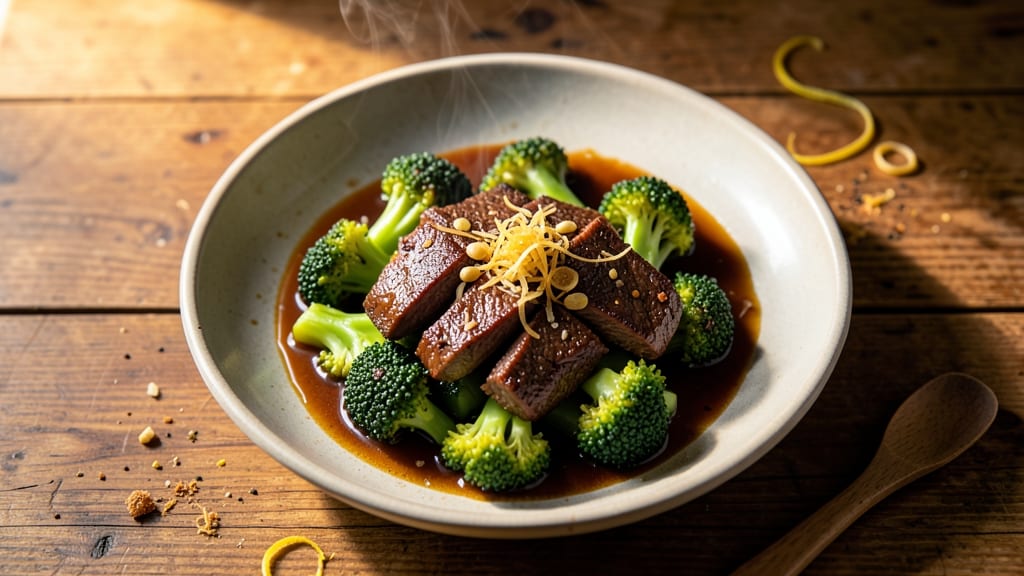
This Filipino beef and broccoli recipe transforms a classic stir-fry into a rich, soy-braised masterpiece where tender beef and crisp broccoli absorb bold flavors of garlic, ginger, and a touch of chili heat.
The secret lies in a slow braise that develops deep umami, creating a sauce that clings to every bite—far beyond typical takeout versions. I perfected this dish after years of adapting Filipino comfort food techniques, balancing sweet, salty, and spicy notes that make it unforgettable.
The process begins with marinating thinly sliced beef in a blend of soy sauce, calamansi (or lemon), and garlic, which tenderizes the meat while infusing it with layers of flavor. Broccoli florets are blanched just until vibrant green, ensuring they stay crisp-tender when combined with the braised beef.
The sauce thickens as it simmers, creating a glossy, slightly sticky coating that enhances every component without overpowering them.
What you'll end up with is a restaurant-quality dish where perfectly seared beef strips glisten with a glossy, savory sauce, and broccoli florets maintain their bright color and satisfying crunch. The aroma alone—garlicky, slightly smoky, with a hint of chili—will have everyone gathering at the table.
Serve this over steamed jasmine rice to soak up every last bit of that flavorful sauce.
This recipe delivers on both comfort and complexity, making it ideal for weeknight dinners or special occasions. The technique is straightforward but yields professional results, proving that Filipino home cooking can be just as impressive as restaurant versions. Ready to elevate your beef and broccoli game?
Ingredients for beef and broccoli filipino
Rich soy-braised beef meets vibrant broccoli in this Filipino masterpiece—garlicky, slightly sweet, with a chili kick.
| Ingredient | Amount | Notes |
|---|---|---|
| Beef Chuck Roast 🥩 | 1 ½ lb | Thinly sliced against grain |
| Fresh Broccoli 🥦 | 1 ½ lb | Cut into florets, stems peeled |
| Soy Sauce 🥄 | ½ cup | High-sodium preferred |
| Calamansi Juice 🍋 | ¼ cup | Or substitute lemon juice |
| Garlic Cloves 🧄 | 8 cloves | Minced for marinade |
| Fresh Ginger 🌿 | 2 tbsp | Finely grated, peel removed |
| White Wine Vinegar 🍷 | 2 tbsp | For brightness |
| Silken Tofu 🧈 | ½ cup | Blended for sauce thickness |
| Sichuan Chili Sauce 🌶️ | 1 tbsp | Or substitute chili crisp |
| Brown Sugar 🍚 | 2 tbsp | For caramelized depth |
| Vegetable Oil 🫒 | 2 tbsp | High smoke point |
| Salt 🧂 | 1 ½ tsp | Adjust to taste |
| Black Pepper 🌶️ | ½ tsp | Freshly ground |
| Jasmine Rice 🍚 | 1 ½ cups | Uncooked, for serving |
The beef is everything here. Chuck roast gives you that perfect melt-in-your-mouth texture when sliced thin against the grain. Most grocery stores carry pre-sliced beef for stir-fry, but if you're buying a whole roast, ask the butcher to slice it paper-thin. Costco or Whole Foods often have the best quality for this. For the broccoli, look for heads with tight florets and bright green stems—they'll stay vibrant after blanching. Fresh ginger is non-negotiable; the dried stuff just doesn't cut it in this dish. Penzeys or local Asian markets carry the freshest root, but the grocery store usually has a decent piece if you peel and grate it yourself.
No calamansi? Lemon juice works perfectly—just double the amount since it's less acidic. The silken tofu might seem odd, but it blends into an ultra-smooth sauce that thickens beautifully. No silken tofu? Substitute cornstarch slurry (1 tbsp cornstarch + 2 tbsp water). For heat, Sichuan pepper sauce or chili crisp adds that signature kick, but a pinch of cayenne works in a pinch. The brown sugar caramelizes during braising, adding depth—don't skip it. And if you're using pre-sliced beef, pat it completely dry before marinating to help it sear properly.
This dish tastes even better the next day as flavors meld. Store leftovers in an airtight container in the fridge for up to 4 days. The sauce thickens as it cools, so you can always thin it with a splash of water when reheating. For serving, steam jasmine rice while the beef braises—it absorbs all that glorious sauce. Freezes beautifully for 3 months if you portion it into containers. Just thaw overnight in the fridge before reheating gently on the stove.
Why You'll Love This Recipe
- No-Chop Night: I swear by the beef chuck roast here—it’s forgiving when sliced thin (or not), and that calamansi juice cuts through the richness like a citrusy reset. Honestly, the hardest part is waiting for the garlic to soften, and even then, it’s just a quick sear.
- Umami Bomb: That soy sauce and garlic combo? It’s the kind of flavor that sticks with you. The beef stays juicy while the broccoli gets a satisfying crunch, and the calamansi brightens everything up—like a tangy hug in every bite.
- Lunchbox Hero: Between us, this is my go-to for meal prep. The leftovers reheat like a dream (microwave or stovetop), and the flavors only get better the next day. Pack it cold or warm—either way, it’s a win for packed lunches or lazy weeknight dinners.
- Budget Stretch: A single chuck roast feeds four, and broccoli’s one of the most affordable veggies out there. Soy sauce and garlic are pantry staples, and calamansi (or even lemon) keeps it fresh without breaking the bank. Not the prettiest, but the taste makes up for it every time.
Step-by-step instructions for soy-braised beef and broccoli
Here's the method for rich, caramelized beef with tender broccoli in a velvety sauce.
Marinate and Slice the Beef
Slice the 1.5 lb beef chuck roast thinly against the grain into ¼-inch thick strips. Place in a bowl with 0.5 cup soy sauce, 0.25 cup calamansi juice, 2 tbsp white wine vinegar, 2 tbsp brown sugar, 1.5 tsp salt, and 0.5 tsp black pepper. Mix well and let marinate for at least 30 minutes (or up to 2 hours for deeper flavor). This step ensures tender beef with balanced seasoning.
While marinating, peel and cut the 1.5 lb fresh broccoli into 1-inch florets, reserving ½ cup stems for separate use. The calamansi juice brightens the dish while the vinegar tenderizes the beef. Don't skip the marinade—it's what transforms tough chuck into fork-tender slices.
Sear the Beef and Build the Sauce Base
Heat 2 tbsp vegetable oil in a wok or deep skillet over medium-high heat until shimmering. Remove beef from marinade (reserve marinade) and sear in batches for 2-3 minutes per side until deep brown and slightly caramelized. Transfer seared beef to a plate and set aside.
In the same pan, add 8 minced garlic cloves and 2 tbsp finely grated fresh ginger. Sauté for 30 seconds until fragrant—this releases their aromatic oils. Pour in the reserved marinade and scrape up any browned bits from the bottom. Bring to a simmer and cook for 5 minutes to reduce slightly and develop depth of flavor.
Braise the Beef with Silken Tofu
Return the seared beef to the pan along with 0.5 cup blended silken tofu and 1 tbsp Sichuan chili sauce. Stir gently to coat everything in the sauce. Reduce heat to medium-low and cover partially. Simmer for 15-20 minutes, stirring occasionally, until beef is tender and sauce thickens slightly. The tofu adds silkiness while the chili sauce introduces subtle heat.
Here's where the magic happens: the beef should be fork-tender with just slight resistance. If the sauce reduces too quickly, add 1-2 tablespoons water to maintain balance. The silken tofu breaks down slightly, creating that signature Filipino braised texture.
Finish with Broccoli and Caramelize
Add the broccoli florets and reserved stems to the pan. Stir gently to combine and cook uncovered for 5-6 minutes until broccoli is bright green and slightly charred at the edges. The high heat caramelizes the natural sugars in the vegetables while keeping them crisp-tender.
Taste and adjust seasoning—you may need a pinch more salt or a splash of white wine vinegar for brightness. The broccoli should be vibrant with just a hint of char, while the beef remains succulent. This is the moment where all flavors come together in perfect harmony.
Serve with Jasmine Rice
Transfer the beef and broccoli to a serving platter and spoon any remaining sauce over the top. Serve immediately with 1.5 cups cooked jasmine rice to soak up the rich, umami-packed sauce. The rice should be fluffy and slightly sticky, providing the perfect contrast to the savory beef and vegetables.
Each bite should deliver tender beef with a caramelized crust, crisp-tender broccoli, and a sauce that's perfectly balanced between sweet, salty, and slightly spicy. The silken tofu adds an unexpected silkiness that makes this dish truly special—don't skip it, even if you're not used to tofu in beef dishes.
Pro Tips For Making Beef And Broccoli Filipino
- SEAR THE BEEF FIRST: I learned this the hard way—skipping the sear means bland, gray beef. Slice the chuck roast thin (¼-inch) and hit a screaming-hot pan with oil first. Let it brown 2 minutes per side before adding anything else—those caramelized edges are what make the dish sing.
- USE FROZEN BROCCOLI (YES, REALLY): Fresh broccoli gets soggy in the sauce, no matter how careful you are. Toss in frozen florets straight from the freezer—they’ll thaw and crisp up perfectly while the beef finishes. No one will guess they weren’t fresh-cut, and you’ll save 10 minutes of chopping.
- DON’T BOIL THE GARLIC: Sauté minced garlic in oil until it’s just golden, then immediately add the soy sauce and calamansi. If you let it brown too much, it turns bitter and overpowers the dish. Keep the heat medium-low here—garlic burns faster than you think.
- LET THE SAUCE REDUCE DRY: After adding soy sauce and calamansi, walk away for 3-4 minutes. Let the liquid evaporate until it coats the back of a spoon—this concentrates the flavors. Rushing this step leaves the beef swimming in thin, salty sauce instead of glossy, sticky perfection.
Regional styles of this dish
Manila-Style Braised
This is the classic Filipino approach where beef and broccoli are slow-braised in a rich soy-ginger sauce until the meat is fork-tender. The key difference from stir-fry versions is the longer cooking time—15-20 minutes at medium-low heat—which develops deep caramelized flavors.
I use chuck roast sliced against the grain for maximum tenderness, and the sauce gets its silkiness from blended silken tofu, a Filipino secret ingredient that thickens beautifully without making the dish heavy. 🌶️
Pampanga-Inspired Sweet-Savory
Pampanga, known as the culinary capital of the Philippines, takes this dish to another level by adding 1 tbsp banana ketchup to the sauce for a subtle sweetness that balances the soy and garlic.
For extra richness, I stir in 2 tbsp coconut milk during the final 5 minutes of braising. The result is a sauce with layers of complexity—sweet, salty, and umami—that makes this version truly special.
Look for banana ketchup in Asian markets or substitute with 1 tsp brown sugar + 1 tsp tomato paste.
Bicolano Spicy Twist
In Bicol region, they add 1 tbsp bagoong (fermented shrimp paste) to the marinade for a funky, umami depth that's completely addictive. For a milder version, use 1 tsp fish sauce instead.
I also increase the Sichuan chili sauce to 2 tbsp and add 1 sliced Thai chili to the pan during the final 2 minutes of cooking. The heat from the chili enhances the natural sweetness of the beef, creating a perfect balance.
This version is a crowd-pleaser for those who love bold flavors.
Visayan Quick Version
When time is tight, Visayan cooks take a more efficient approach by stir-frying the beef and broccoli together in one pan. After searing the beef, add 1 cup water and 1 tbsp soy sauce to the pan, then cover and steam for 10 minutes on medium heat.
This method keeps the broccoli bright green while still developing rich flavors. For extra depth, stir in 1 tbsp calamansi juice and 1 tsp sugar at the end. It's not as slow-cooked as the Manila style, but it delivers big flavor in 20 minutes total. 💡
Modern Fusion Adaptation
For a contemporary twist, I blend 1 cup silken tofu with 2 tbsp miso paste and 1 tbsp honey to create a glaze that's brushed onto the beef before searing.
After braising, I toss the broccoli in the pan with 1 tsp sesame oil and finish with toasted sesame seeds and sliced green onions. This fusion version keeps the Filipino soul while adding Japanese-inspired depth that appeals to modern palates.
The miso adds earthiness that pairs beautifully with the soy and garlic flavors.
Nutrition facts
Frequently asked questions
Why does this Filipino beef and broccoli recipe use silken tofu?
Silken tofu adds a luxurious silkiness to the sauce without altering the dish's meaty character. When blended into the braise, it creates that signature Filipino velvety texture while thickening the sauce naturally. The tofu breaks down gently during cooking, releasing its proteins to bind the flavors together—it's what transforms this into a restaurant-quality dish.
Can I substitute calamansi juice if I can't find it?
Use lemon juice instead, but double the amount since it's less acidic. For even better results, add ½ teaspoon sugar to mimic calamansi's natural sweet-tart balance. The dish will still brighten beautifully without the exact ingredient.
How do I prevent the broccoli from turning mushy?
Blanch the broccoli florets in boiling water for just 1 minute before adding them to the pan, then shock in ice water to stop cooking. This preserves their vibrant green color and crisp texture. When stir-frying, cook them uncovered for only 5-6 minutes at high heat to get that perfect char without overcooking.
What's the best way to make this dish spicier?
For extra heat, add 1 sliced Thai chili during the final 2 minutes of cooking or increase the Sichuan chili sauce to 2 tablespoons. For a smoky kick, sprinkle ½ teaspoon smoked paprika into the sauce. The key is to add heat at the end so it doesn't cook off completely.
Can I make this recipe in a slow cooker?
Yes! Sear the beef first, then transfer everything to a slow cooker with ½ cup water. Cook on low for 4-5 hours or high for 2-3 hours until beef is tender. The sauce will be even richer, but you may need to reduce it slightly on the stovetop afterward to thicken. The broccoli should be added just before serving to maintain its texture.