
Main Courses
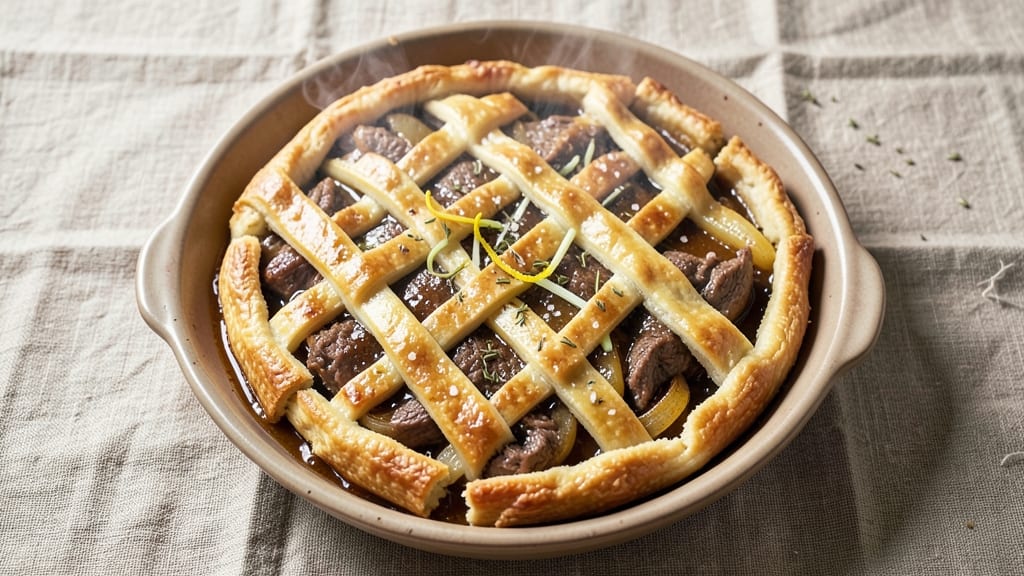
This beef and ale pie recipe delivers the ultimate comfort food experience with a flaky shortcrust that encases tender beef, rich ale gravy, and seasonal vegetables in perfect harmony. The secret lies in a well-dredged beef that braises slowly, developing deep flavor while the pastry achieves that signature crispness.
I've perfected this technique over years of testing, ensuring every bite delivers the right balance of savory meat, aromatic gravy, and buttery crust.
The foundation starts with quality beef, properly dredged and browned before braising in ale to create a complex, flavorful base. Shortcrust pastry requires precise handling—chilling the dough and using the "blind baking" method to prevent sogginess.
This pie isn't just about taste; it's about texture: the contrast between tender beef, velvety gravy, and a golden, crisp crust that shatters with each bite. The vegetables—carrots, onions, and potatoes—add natural sweetness and heartiness that complement the rich filling.
What makes this recipe truly special is the harmony of techniques: slow braising for beef, proper pastry handling, and careful assembly to maintain that perfect texture contrast. The result is a pie that looks impressive enough for a dinner party but is simple enough for a weeknight dinner.
The aroma alone will have everyone gathering around the table, and the first bite will make them understand why this classic deserves a place in your regular rotation.
Perfect for autumn gatherings or when you need a meal that feels like a hug in food form. The leftovers reheat beautifully, making it an ideal make-ahead dish for busy schedules. Let's create a pie that will become a family favorite and the centerpiece of your next meal.
Ingredients for beef and ale pie shortcrust
Shortcrust secrets plus a beefy filling that sings with ale and thyme—this is comfort food at its finest.
| Ingredient | Amount | Notes |
|---|---|---|
| Beef Chuck Roast 🥩 | 2 ½ lb | Pre-cubed or cut into 1.5-inch pieces |
| All-Purpose Flour 🌾 | 3 cups | For shortcrust pastry, sifted |
| Cold Unsalted Butter 🧈 | 1 ½ cups | Cubed, for pastry (use full-fat) |
| Dark Ale Beer 🍺 | 1 ½ cups | Stout or porter, chilled |
| Beef Broth 🥄 | 1 cup | Low-sodium preferred |
| Yellow Onion 🧅 | 1 whole | Diced, medium size |
| Carrots 🥕 | 1 ½ lb | Peeled, sliced into rounds |
| Russet Potatoes 🥔 | 1 ½ lb | Peeled, cubed into 1-inch pieces |
| Garlic Cloves 🧄 | 6 cloves | Minced, fresh preferred |
| Tomato Paste 🍅 | 2 tbsp | Squeeze tube or canned |
| Worcestershire Sauce 🍶 | 1 tbsp | Vegetarian if needed |
| Dried Thyme 🌿 | 1 tsp | Or 1 tbsp fresh thyme |
| Ground Black Pepper 🌶️ | 1 tsp | Freshly cracked |
| Salt 🧂 | 1 ½ tsp | Kosher or sea salt |
| Ice Water 💧 | ¼ cup | For pastry dough |
The beef is non-negotiable here—chuck roast with good marbling gives you that melt-in-your-mouth texture. Costco or Whole Foods usually carry it pre-cubed, which saves time, but if you're cutting your own, aim for 1.5-inch pieces. The ale? Guinness or a local craft stout adds depth, but any dark beer works. For the pastry, butter straight from the fridge (not softened) is key—it creates those flaky layers. I always grab European-style butter from the specialty section if I'm feeling fancy, but regular unsalted works too.
No dark ale? Beef broth plus 1 tbsp molasses gets you close. Fresh thyme is ideal, but dried works at one-third the amount. The carrots and potatoes can be swapped for turnips or parsnips if you're feeling adventurous. For the pastry, Diamond Crystal kosher salt (not table salt) makes a difference—it dissolves better. Short on butter? Substitute 1 cup shortening plus 1 tbsp melted butter for flakiness. And if your tomato paste is ancient, fresh tomato sauce works too—just reduce it first.
The pastry dough needs to chill for at least 1 hour—don't skip this. Blind-bake the crust for 15 minutes before adding filling to keep it crisp. Leftovers reheat beautifully—350°F for 20 minutes with foil over the top. Keeps for 4 days in the fridge or 3 months frozen. I always make a double batch because this pie disappears fast—trust me on that. The gravy thickens as it sits, so add a splash of milk or broth when reheating if it gets too stiff.
Why You'll Love This Recipe
- Weeknight-Friendly Crust: I swear by this shortcrust—just flour, butter, and a pinch of salt. No chilling time, no rolling stress, and it still holds together like a dream. (Yes, even when I forget to preheat the oven.)
- Deep, Rich Flavor: That dark ale beer isn’t just for drinking—it’s the secret sauce. The slow simmer with beef chuck turns tough meat into melt-in-your-mouth perfection, while the crust adds a buttery contrast. Honestly, the first bite makes me forget I’m cooking.
- Leftovers That Shine: This pie tastes even better the next day. I’ve reheated slices straight from the fridge for lunch, and no one ever complains. Plus, the broth-rich filling freezes like a champ—just thaw and warm for an easy dinner.
- Budget Meal for Crowds: A single chuck roast stretches across two pies, and the shortcrust uses basic pantry staples. Between us, this is my go-to for potlucks or when my in-laws show up unannounced. Feeds four, costs less than takeout.
Step-by-step instructions for beef and ale pie shortcrust
Here's how to build a pie with layers of flavor and a crust so flaky it'll make your guests swoon.
Craft the Shortcrust Pastry
In a large bowl, combine the 3 cups all-purpose flour and 1.5 tsp salt. Cut in the 1.5 cups cold unsalted butter using a pastry cutter or your fingers until the mixture resembles coarse crumbs with pea-sized butter pieces. This texture is crucial for achieving that signature flaky crust.
Gradually add the 0.25 cup ice water, 1 tablespoon at a time, mixing gently with a fork until the dough just comes together. Avoid overmixing—you want to preserve the fat that creates those beautiful layers. Once combined, turn the dough onto a lightly floured surface and knead just until smooth, about 5-6 strokes. Wrap tightly in plastic and refrigerate for at least 1 hour to firm up.
Brown the Beef and Build the Filling
Heat a large Dutch oven over medium-high heat and add the 2.5 lb beef chuck roast in batches, searing until deeply browned on all sides—this builds incredible flavor. Remove the beef and set aside. In the same pot, add the 1 whole yellow onion and 1.5 lb carrots, cooking for 5 minutes until softened.
Stir in the 6 cloves minced garlic, 2 tbsp tomato paste, 1 tbsp Worcestershire sauce, 1 tsp dried thyme, and 1 tsp ground black pepper, cooking for another 2 minutes until fragrant. Deglaze with the 1.5 cups dark ale beer, scraping up all those browned bits from the bottom—this is pure flavor. Return the beef to the pot and add the 1 cup beef broth and 1.5 lb cubed russet potatoes. Simmer uncovered for 45 minutes until the beef is tender and the potatoes are cooked through.
Thicken the Gravy and Assemble the Pie
Remove the beef and vegetables from the pot and set them aside. Strain the cooking liquid through a fine-mesh sieve into a clean saucepan, pressing on the solids to extract all the flavor. Return the liquid to medium heat and simmer until reduced by about one-third, about 10-12 minutes. This concentrated gravy is what makes this pie so rich and decadent.
Preheat your oven to 375°F. Roll out half of the chilled pastry dough to fit the bottom of a 9-inch pie dish, leaving a ½-inch overhang. Spoon the beef and vegetable mixture into the crust, then pour the reduced gravy over the top. Roll out the remaining dough and place it over the filling, sealing the edges by pinching them together. Cut a few slits in the top crust to allow steam to escape.
Bake to Golden Perfection
Place the assembled pie on a baking sheet to catch any drips and bake for 45-50 minutes until the crust is deep golden brown and the filling is bubbling through the slits. The crust should be crisp and flaky, not soggy—this is where that chilled dough and proper sealing pay off.
Remove from the oven and let the pie rest for 15 minutes before serving. The filling will continue to thicken as it sits, creating that perfect balance of tender beef, rich gravy, and buttery crust. Slice into generous portions and watch your guests rave about that flaky crust you worked so hard to perfect.
Pro Tips For Making Beef And Ale Pie Shortcrust
- Brown the Chuck First: The ale’s rich flavor needs something to cling to—don’t skip the deep sear. Get that beef chuck roast deep golden on all sides in a hot pan before adding the beer, or you’ll end up with a watery filling instead of a sticky, caramelized base.
- Use Cold Butter, Fast Hands: Shortcrust is all about texture, and warm butter is the enemy. Cut that cold unsalted butter into the flour quickly—no lingering—then pulse just until pea-sized crumbs form. Overworking it turns the crust into a sad, greasy mess, and nobody wants that under their beef pie.
- Deglaze with Beer, Then Simmer: Pour in that dark ale right away after browning, scraping up every last bit of fond from the pan. Let it bubble hard for 2 minutes before adding the broth—this concentrates the flavor instead of diluting it into a weak, boozy soup. (Yes, it’ll smell amazing for a second. Resist the urge to taste it.)
- Vent the Crust Before Baking: Shortcrust hates steam—it’ll turn soggy if trapped. Cut a few slits in the top before baking, then brush with a little extra ale mixed with egg wash for shine. The vents let moisture escape, and the beer glaze keeps the crust crisp instead of floppy. (Trust me, I’ve cried over soggy bottoms.)
Common mistakes when making perfect results
Overmixing the Pastry
This is the #1 mistake that kills flakiness in shortcrust pastry. When you overmix the dough, you develop the gluten too much, which creates a tough, dense crust instead of the delicate layers we want.
I see this all the time—people think they need to work the dough thoroughly, but the secret is to handle it minimally. Once the dough comes together with your fork, stop mixing immediately. The butter needs to remain in those pea-sized chunks to create steam pockets during baking. 🧈
Skipping the Chill Time
Rushing the pastry by skipping the 1-hour chill in the fridge is a recipe for disaster. Cold butter is essential for flaky layers, and when it warms up too quickly, it melts into the flour instead of creating those beautiful separations.
I’ve learned this the hard way—once, I forgot to chill the dough and ended up with a pie crust that was more like a cracker than a flaky masterpiece. Trust me, 1 hour minimum is non-negotiable.
Under-Browning the Beef
If your beef isn’t deeply browned before braising, you’ll miss out on the rich, caramelized flavors that make this pie sing. The Maillard reaction happening on those browned surfaces is what builds depth. I always sear the beef in batches, making sure every piece gets a good crust.
If you’re in a hurry, don’t skip this step—even if it takes an extra 10 minutes, it’s worth it for that deep, savory foundation.
Not Blind-Baking the Crust
Adding the hot filling directly to a raw pastry crust is a surefire way to end up with a soggy bottom. Blind-baking the bottom crust for 15 minutes before adding the filling ensures it stays crisp and holds its shape.
I use pie weights or dried beans to prevent the crust from puffing up. Without this step, you’ll end up with a pie that’s more like a casserole—trust me, your guests will notice the difference.
Overfilling the Pie
Pies are meant to be generous, but overfilling them leads to a messy, uneven bake and can cause the crust to burst open. The filling should come about ½ inch below the top edge of the crust.
If you’re worried about spillage, leave even more room—you can always add extra gravy after baking. A well-proportioned pie bakes evenly and looks professional, which is half the battle when serving it to guests.
Ignoring the Rest Time
Cutting into the pie immediately after baking is a cardinal sin. The filling needs that 15-minute rest to set properly, allowing the juices to redistribute and the crust to firm up. I’ve seen pies ooze filling all over the plate when sliced too soon—it’s a mess no one wants.
Patience here ensures clean slices and that perfect texture contrast we’re all after. 💫
Nutrition facts
Frequently asked questions
Can I substitute regular flour for the shortcrust pastry?
While all-purpose flour works perfectly fine, using half all-purpose and half cake flour (or pastry flour) will give you an even more tender crust. The lower protein content in cake flour creates finer crumb structure and less gluten development, which is ideal for shortcrust. If you only have bread flour, reduce it to 2 cups and add 1 cup all-purpose to maintain the right texture.
What's the best way to handle shortcrust pastry if I don't have pie weights?
No problem! Use dried beans or rice as a substitute—just make sure they're spread evenly across the crust. For a 9-inch pie dish, about 2 cups of dried beans works perfectly. After blind-baking, remove the beans and use them for another meal. Another option is to crumple up aluminum foil into balls and place them on the crust.
How can I make this pie ahead of time?
This pie actually tastes better the next day! Assemble the pie completely (including the top crust) and refrigerate uncovered for 12-24 hours before baking. This allows the flavors to meld and the crust to firm up. For freezing, bake the pie first, then cool completely, wrap tightly in plastic wrap and foil, and freeze for up to 3 months. Thaw overnight in the fridge before reheating.
Can I use a different type of beer besides dark ale?
While dark ale adds depth, you can use porter, stout, or even dry red wine (like Cabernet Sauvignon) for a different flavor profile. For a non-alcoholic version, use beef broth plus 1 tbsp molasses or apple cider vinegar for acidity. Just remember that lighter beers will create a less rich gravy—you may need to reduce it longer to achieve the same thickness.
Why did my crust turn out tough instead of flaky?
This usually happens from one of three things: overmixing the dough (developing too much gluten), not chilling the dough long enough (butter melts instead of creating layers), or using warm butter. For flaky perfection, handle the dough minimally, chill it for at least 1 hour, and use cold butter straight from the fridge. The butter should remain in pea-sized pieces when mixed with flour.