
Main Courses
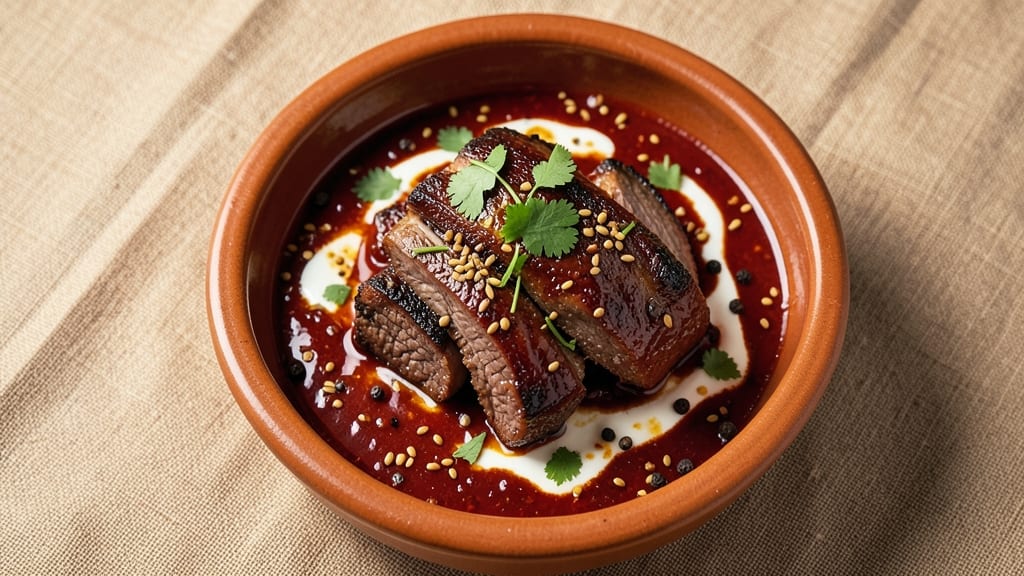
This beef achar gosht recipe transforms tough beef into melt-in-your-mouth perfection through slow-cooked tenderness and a tangy tamarind-spice marinade. The dish originates from Persian cuisine, where achar (tamarind) and warm spices create a harmonious balance that tenderizes the meat while building deep, complex flavors.
What makes this recipe special is the patience required—hours of simmering transform even the toughest cuts into fork-tender pieces that practically dissolve at the touch of a fork.
The secret lies in the marinade: tamarind paste, vinegar, and a blend of warm spices like cinnamon, cardamom, and cloves work together to break down the meat's fibers while infusing it with vibrant acidity and aromatic depth.
This dish is traditionally served with fluffy basmati rice, a dollop of yogurt, and fresh herbs like cilantro or parsley to cut through the richness. The slow cooking process ensures every bite is infused with flavor, making it a centerpiece for family gatherings or special occasions.
By the time you're done, you'll have a dish that's rich, aromatic, and impossibly tender—each bite offering a perfect marriage of tangy, spicy, and savory notes. The tamarind adds a bright acidity that balances the meat's natural richness, while the spices create layers of warmth that linger on the palate.
This recipe is a testament to the power of slow cooking and the magic of tamarind, delivering restaurant-quality results in your own kitchen.
Whether you're serving it for a festive meal or simply craving a comforting dish, this beef achar gosht will impress with its depth of flavor and tender texture. The dish pairs beautifully with steamed rice, naan bread, or even a simple cucumber salad to round out the meal.
Let's get started on creating this timeless classic that brings a taste of tradition to your table.
Ingredients for beef achar gosht
Six ingredients transform tough beef into melt-in-your-mouth perfection with tamarind and spices.
| Ingredient | Amount | Notes |
|---|---|---|
| Beef Chuck Roast 🥩 | 3 lb | Tough cut for tenderizing |
| Tamarind Paste 🍯 | ½ cup | High quality for tanginess |
| White Vinegar 💧 | ½ cup | For acidity balance |
| Ground Cumin 🌿 | 1 tbsp | Toasted for depth |
| Ground Coriander 🌶️ | 1 tbsp | Freshly ground preferred |
| Ground Turmeric 🧂 | 1 tsp | For vibrant color |
| Ground Cardamom 🌿 | ½ tsp | Whole pods crushed |
| Ground Cloves 🌶️ | ½ tsp | Lightly toasted |
| Ground Cinnamon 🌿 | ½ tsp | Sweet variety preferred |
| Black Peppercorns 🌶️ | 1 tsp | Crushed for texture |
| Onions 🧅 | 2 whole | Yellow, sliced |
| Tomatoes 🍅 | 2 medium | OR 1 cup chopped |
| Ginger Root 🌿 | 2 tbsp | Freshly grated |
| Garlic Cloves 🧄 | 6 cloves | Peeled, minced |
| Plain Yogurt 🥛 | ½ cup | Whisked for marinade |
| Ghee 🫒 | ¼ cup | For richness |
| Fresh Cilantro 🌿 | ¼ cup | Chopped for garnish |
| Basmati Rice 🍚 | 2 cups | Uncooked, long grain |
The beef is non-negotiable—chuck roast is your best bet for that fall-apart texture. Costco or Whole Foods usually have it pre-cut, but if you're buying whole, ask for a well-marbled piece. Tamarind paste is the star here—look for blocks at Indian markets or the paste in tubes at Trader Joe's. If you can't find tamarind, lemon juice plus a pinch of sugar works in a pinch, but it won't be the same. The spices? Toast them whole first—just dry in a pan for 30 seconds—then grind. That extra step makes all the difference.
No tamarind paste? Lime juice plus a splash of vinegar gets you close, but you'll lose that deep, fruity tang. Fresh ginger and garlic are ideal, but powdered ginger at half the amount works if you're short on time. The yogurt should be plain and thick—Greek yogurt works great. For the tomatoes, if you're using canned, San Marzano is the gold standard. The ghee? Don't skip it—it's what makes this dish sing. Trader Joe's sells it for a great price, or use butter if that's what you've got.
Marinate the beef overnight—at least 8 hours, but 24 is even better. Store the marinade in the fridge in an airtight container, and the beef in a sealed bag. The spices keep for 6 months in a sealed jar, but the tamarind paste? Once opened, it lasts about 3 months in the fridge. The cooked beef reheats beautifully—just warm with a splash of water—and tastes even better the next day. Portion it out for easy lunches, or freeze half for a future weeknight.
Why You'll Love This Recipe
- Tamarind Magic: The moment that tangy-sweet tamarind paste hits the beef? Chef’s kiss. That’s the secret weapon—it cuts through the richness of the chuck roast while keeping it juicy, not dry. No fancy balance needed; just a splash of vinegar and a teaspoon of cumin, and you’ve got depth in minutes.
- One-Pot Wonder: Honestly, this is my lazy-day hero. Toss the beef in a deep pan with the spices, add water, and let it simmer. No chopping, no layering, no stress. The vinegar and tamarind do all the work while you stir once or twice—perfect when you’d rather be scrolling through memes than slaving over a stove.
- Leftovers That Shine: Between us, this dish begs to be made in bulk. The flavors actually get better the next day—more tender, more concentrated. Pack it for lunches, freeze portions for busy nights, or serve it cold in wraps. My college friends still ask for seconds when I bring it to potlucks.
- Budget Beef Boost: A whole chuck roast for this? Yes. It’s cheaper than steak but tastes like you splurged. The tamarind and vinegar stretch the meat’s natural flavor, so you’re not drowning it in expensive spices. Plus, the spices—cumin and coriander—cost pennies and last forever. Win-win.
Step-by-step instructions for beef achar gosht
Here's how to transform tough beef into melt-in-your-mouth tender slices with that signature tangy-spiced flavor.
Prepare the Tangy Marinade
In a large bowl, whisk together the 0.5 cup tamarind paste, 0.5 cup white vinegar, 0.5 cup plain yogurt, 1 tbsp ground cumin, 1 tbsp ground coriander, 1 tsp ground turmeric, 0.5 tsp ground cardamom, 0.5 tsp ground cloves, 0.5 tsp ground cinnamon, and 1 tsp crushed black peppercorns. This marinade should be thick but pourable—like a rich, spiced chutney.
Add the 3 lb beef chuck roast to the marinade, coating it thoroughly. Cover and refrigerate for at least 4 hours, preferably overnight. The longer it marinates, the more tender the beef becomes. I like to turn the beef occasionally so every surface gets that flavorful treatment.
Cook the Aromatic Base
Heat 0.25 cup ghee in a heavy-bottomed pot over medium heat. Add the 2 whole onions (sliced) and cook for 8-10 minutes until they turn golden brown and caramelize. This step builds the foundation of flavor—don't rush it.
Add the 2 tbsp grated ginger root and 6 minced garlic cloves, cooking for another 2 minutes until fragrant. Stir in the 2 medium tomatoes (chopped) and cook until they soften and release their juices, about 5 minutes. The mixture should be thick and aromatic, with a deep red hue from the tomatoes.
Braise the Beef to Perfection
Remove the beef from the marinade (reserve the marinade) and add it to the pot with the aromatic base. Pour the reserved marinade over the beef, ensuring it's well-coated. Bring everything to a gentle simmer, then reduce heat to low and cover the pot.
Let the beef braise for 2.5 to 3 hours, stirring occasionally, until it's fork-tender. You'll know it's ready when the beef easily pulls apart with a fork and the sauce has thickened into a glossy, tangy-spiced gravy. If the sauce gets too thin, uncover and simmer for 10-15 minutes to reduce it.
Prepare the Basmati Rice
While the beef is braising, rinse the 2 cups basmati rice under cold water until the water runs clear. This removes excess starch and prevents the rice from becoming gummy. In a separate pot, bring 4 cups water to a boil, add the rice, reduce heat to low, cover, and simmer for 15 minutes. Fluff the rice with a fork and let it sit covered for 5 minutes before serving.
Finish and Serve
Once the beef is tender, stir in the 0.25 cup chopped fresh cilantro and adjust the seasoning if needed. The dish should be balanced—tangy from the tamarind and vinegar, rich from the ghee, and aromatic from the spices. Serve the beef achar gosht hot over the fluffy basmati rice, garnished with extra cilantro if desired.
Each bite should deliver tender, flavorful beef with a sauce that clings perfectly to the rice. This dish tastes even better the next day as the flavors meld further, so leftovers make great lunches!
Pro Tips For Making Beef Achar Gosht
- Brown the Beef First: Before tossing your beef chuck in the tamarind-vinegar marinade, sear it hard in a screaming-hot pan for 3-4 minutes per side. The crust locks in flavor and prevents the meat from turning mushy later—I learned this the hard way when my first batch emerged gray and bland.
- Soak Tamarind Properly: Skip the powdered tamarind paste and use whole tamarind pulp instead. Soak 1 cup in 2 cups warm water for 30 minutes, then strain. The pulp’s natural stickiness clings better to the beef, and the strained liquid is less gritty—no more clumping in your sauce.
- Acid in Stages: Don’t dump all the vinegar at once—add half first, let the beef absorb it for 15 minutes, then add the rest. This keeps the meat from getting rubbery and lets the tamarind’s tang develop gradually. I used to rush this, and the dish always tasted sharp instead of balanced.
- Toast Spices Separately: Bloom your cumin and coriander in oil for 30 seconds until fragrant before adding them to the beef. This deepens their flavor without burning them—over-toasting turns them bitter, and you’ll taste it in every bite. (Yes, even if you’re impatient like me.)
Wine and beer pairings for this dish
Tangy Red Wine
For this dish, I always reach for a dry, medium-bodied red wine with bright acidity to mirror the tamarind's tang. A Persian-inspired wine like Shiraz from Iran (such as Dokhtar Shiraz) offers deep berry notes that complement the beef's richness while cutting through the tamarind's sweetness.
If you can't find Iranian Shiraz, Syrah from California or Croatian Plavac Mali both shine with their peppery, dark fruit flavors. 🍷
Crisp White Pairings
Surprisingly, a crisp white wine works beautifully with achar gosht's complexity. Try a dry Riesling from Germany or Austria—its citrus and mineral notes refresh the palate between rich bites. I love Dr. Loosen Blue Slate Riesling from Germany, which balances the tamarind's tang with its own bright acidity.
For something lighter, a Sauvignon Blanc from New Zealand with its herbal notes adds a nice contrast to the warm spices. 🍷
Spiced Beer Options
If you prefer beer, look for spiced or citrus-forward options that echo the dish's flavors. A Belgian Witbier like Hoegaarden with its coriander and orange peel notes pairs wonderfully, while a German Hefeweizen adds a malty sweetness that complements the tamarind.
For something bolder, try a Mexican Lager like Modelo Especial—its clean finish lets the beef's spices shine. 🍺
Non-Alcoholic Refreshers
For a non-alcoholic match, I recommend a sparkling mint lemonade—mix sparkling water, fresh lemon juice, and muddled mint for a refreshing contrast. Alternatively, a cucumber-mint infused water with a squeeze of lime keeps things light and cooling.
These drinks cleanse your palate between bites without overpowering the dish's rich, spiced flavors. 💧
Serving Sequence
Start with the sparkling mint lemonade or white wine to prep your palate before diving into the rich beef. As the meal progresses, switch to red wine or beer to match the dish's depth.
The key is balancing the tamarind's sweetness and the spices' warmth with something bright and refreshing. 💫
Nutrition facts
Frequently asked questions
Can I substitute tamarind paste in this recipe?
Yes, but the flavor will differ. For a similar tangy profile, mix 0.5 cup lemon juice with 1 tablespoon sugar to mimic tamarind's sweet-sour balance. If you prefer a deeper flavor, try 1 tablespoon date syrup or 1 tablespoon orange juice concentrate instead. The tamarind's unique complexity is hard to replicate, but these work in a pinch.
How do I know when the beef is fully tender?
The beef is ready when it easily separates with a fork and pulls apart into shreds. Test a small piece after 2.5 hours of braising—if it's still slightly chewy, return it to the pot for another 30-45 minutes. The sauce should also thicken into a glossy consistency, coating the beef evenly.
Can I make this recipe in a slow cooker?
Follow the same marinating steps, then transfer everything (beef + marinade + aromatics) to a 6-quart slow cooker. Cook on low for 7-8 hours or high for 4-5 hours until the beef is fork-tender. The slow cooker's gentle heat enhances the tenderness and deepens the flavors.
What’s the best way to store leftovers?
Let the beef cool completely, then store it in an airtight container in the fridge for up to 4 days. The flavors actually improve overnight! To reheat, add a splash of water or beef broth and warm on low heat until heated through. For longer storage, freeze portions for up to 3 months.
Why does my beef achar gosht taste too sour?
Too much tamarind or vinegar can overpower the dish. Balance it by adding 1 tablespoon honey or sugar to sweeten, or a pinch of salt to enhance the beef’s natural flavor. Simmer uncovered for 5-10 minutes to evaporate excess acidity. Start with small adjustments and taste as you go.