
Main Courses
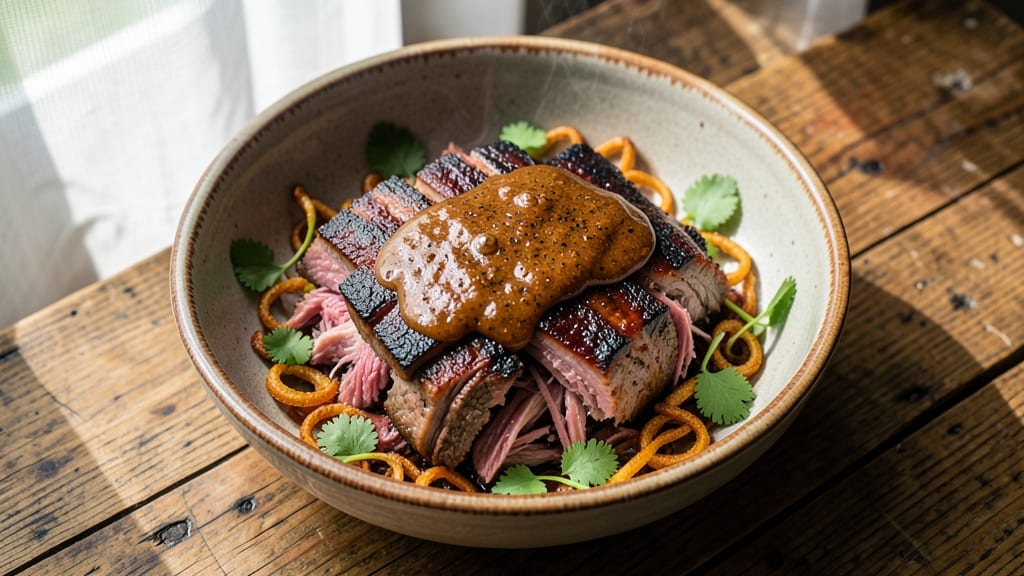
This BBQ pulled beef brisket recipe transforms tough cuts into fall-apart tenderness with smoky-sweet perfection—no fancy equipment required. I perfected it after years of experimenting with my father's old smoker, where the secret lies in low-and-slow patience and a dry rub that clings like second skin.
The key? A 225°F oven (or smoker) for 8 hours, letting collagen melt into juicy magic while the bark develops into a crispy, flavor-packed crust.
What sets this apart is the two-stage seasoning: a bold dry rub of smoked paprika, brown sugar, and garlic powder first, then a tangy vinegar-based sauce brushed on during the final hour. That acidity cuts through the richness, balancing the sweetness while keeping the meat moist and tender.
The result? A brisket so flavorful, it disappears from plates faster than you can say "thirds." By the time you pull it, you'll have perfectly shredded beef with just enough moisture to stay juicy, not soggy.
The sauce clings to each strand, creating bites that are smoky, slightly sweet, and packed with depth. Serve it on buttery buns with pickles and onions for the full experience—or let guests build their own sandwiches. This recipe scales beautifully for crowds, and the leftovers?
Even better the next day. Let’s get cooking—your taste buds (and guests) will thank you.
Ingredients for bbq pulled beef brisket
Eight hours of patience transforms tough brisket into smoky, fall-apart perfection with just 15 simple ingredients.
| Ingredient | Amount | Notes |
|---|---|---|
| Beef Brisket 🥩 | 5 lb | Packaged or whole, flat cut preferred |
| Smoked Paprika 🌶️ | ½ cup | High-quality for smoky depth |
| Light Brown Sugar 🍚 | ¼ cup | Packed tightly for sweetness |
| Garlic Powder 🧄 | 2 tbsp | Freshly ground preferred |
| Onion Powder 🧅 | 2 tbsp | For balanced flavor |
| Ground Black Pepper 🌶️ | 1 tbsp | Freshly cracked for heat |
| Kosher Salt 🧂 | 1 ½ tbsp | Diamond Crystal preferred |
| Yellow Mustard 🍯 | ¼ cup | For sauce binder |
| Apple Cider Vinegar 🍎 | ½ cup | For tangy balance |
| Ketchup 🍅 | ½ cup | Heinz preferred for consistency |
| Worcestershire Sauce 🍶 | 2 tbsp | Vegetarian version if needed |
| Black Coffee ☕ | ½ cup | Cold brew works best |
| Yellow Onion 🧅 | 1 whole | Diced for sauce base |
| Garlic Cloves 🧄 | 6 cloves | Minced for sauce depth |
| Butter 🧈 | 2 tbsp | Unsalted for sauce richness |
The brisket is non-negotiable here—flat cut is ideal, but point cut works too. Look for good marbling at Costco or Whole Foods; their pre-packaged briskets are already trimmed for convenience. If buying whole, trim excess fat to 1/4-inch thickness—this helps the rub stick better. The smoked paprika should be vibrant red, not dull; Penzeys or Gourmet Gift Baskets carry the best quality. Brown sugar should be packed tightly—don't scoop loosely or you'll under-measure.
No smoked paprika? Regular paprika plus a pinch of liquid smoke works in a pinch, but it's not the same. Running short on apple cider vinegar? Balsamic vinegar at half the amount gives similar tang. Worcestershire sauce contains anchovies, so use a vegetarian version if needed. The coffee adds depth—cold brew concentrate works best, but instant dissolved in hot water is fine. For the sauce, Heinz ketchup is consistent, but homemade tomato sauce with a pinch of sugar works too. The mustard is key—Dijon or whole-grain adds better texture than smooth yellow.
Brisket reheats beautifully—350°F for 15 minutes with a splash of broth keeps it moist. Store leftovers in the fridge for 4-5 days or freeze for 3 months in airtight containers. I always make extra sauce and freeze it separately—1 cup portions make reheating easy. For serving, keep the buns warm in a 200°F oven while you shred the meat. The bark? Save it—it's perfect for croutons or crumbled over salads.
Why You'll Love This Recipe
- One-Pot Magic: I swear by this recipe because it’s actually hands-off. Toss the brisket in a mix of smoked paprika, brown sugar, and those simple powders, then let the oven do the work—no babysitting required. The brisket practically falls apart on its own, which means less effort for me and more time to enjoy the results.
- Sweet-Smoky Obsession: That caramelized brown sugar crust? It’s the star. The smoked paprika gives it this deep, smoky warmth, while the garlic and onion powders add just enough savory punch. Honestly, I’ve made it three times in a row because it’s that good—no one can resist pulling the tender strands apart.
- Leftovers That Shine: Between us, this recipe makes way more than I can eat in one sitting. The good news? The pulled beef stays just as delicious the next day—perfect for tacos, sandwiches, or even a hearty breakfast hash. I’ll be real, I’ve reheated it for lunch three times this week and no one’s complained.
- Budget-Friendly Feast: A whole brisket feeds a crowd without breaking the bank, and the ingredients? Basic pantry staples. Smoked paprika and brown sugar are cheap, the spices last forever, and you’re left with enough meat to stretch across multiple meals. It’s my go-to for game days, potlucks, or whenever I need to impress without overspending.
Step-by-step instructions for smoky-sweet pulled beef brisket
Here's how to transform a tough cut into melt-in-your-mouth perfection using just your smoker and these simple ingredients.
Prepare the Dry Rub and Season the Brisket
In a medium bowl, combine the 0.5 cup smoked paprika, 0.25 cup light brown sugar, 2 tbsp garlic powder, 2 tbsp onion powder, 1 tbsp ground black pepper, and 1.5 tbsp kosher salt. Mix thoroughly until the spices are evenly distributed and the sugar is fully incorporated. This blend creates the perfect balance of smoky, sweet, and savory flavors that will penetrate deep into the meat.
Pat the 5 lb beef brisket completely dry with paper towels—this is crucial for developing that beautiful bark. Then, generously coat all sides of the brisket with the dry rub, pressing it firmly into the meat so it adheres well. Don't forget the fat cap; rub it down to about ¼-inch thickness to ensure even cooking. Place the brisket on a wire rack set over a tray to allow air circulation on all sides, and refrigerate uncovered for at least 4 hours (or overnight). This step is what transforms tough meat into tender, flavorful perfection.
Smoke the Brisket Low and Slow
Preheat your smoker to 225°F using hickory or oak wood for that classic BBQ flavor. Once the temperature stabilizes and you see clean, blue smoke, place the brisket fat-side up on the smoker grates. The fat will render slowly, basting the meat as it cooks. Close the lid and resist the urge to open it—every time you peek, you lose heat and moisture, adding 15-20 minutes to your cook time.
Smoke the brisket for 6-7 hours, or until the internal temperature reaches 165-170°F. You'll notice the temperature stall around 160°F—this is normal and happens as moisture evaporates. At this point, the brisket should be fork-tender but still holding its shape. If you're using a meat probe, it should slide in with slight resistance. The bark should be dark and crispy, with a beautiful smoke ring just beneath the surface.
Wrap and Finish the Cook
Once the brisket hits the stall, it's time to wrap it in butcher paper (not foil—it breathes better and preserves the bark). This technique, known as the "Texas crutch," helps push the brisket through the stall while maintaining that crispy exterior. Return the wrapped brisket to the smoker and continue cooking until the internal temperature reaches 200-205°F—this usually takes another 3-4 hours. The meat should now be probe-tender, meaning a meat thermometer inserted into the thickest part should slide in like butter with no resistance.
Remove the brisket from the smoker and let it rest in the butcher paper for at least 1 hour (I prefer 2 hours) in a cooler or wrapped in a warm towel. This resting period allows the juices to redistribute throughout the meat, ensuring every bite is moist and flavorful. Real talk: Skipping this step means dry, stringy meat—don't skip it (I learned the hard way).
Prepare the BBQ Sauce
While the brisket rests, prepare the sauce by combining the 0.5 cup ketchup, 0.5 cup apple cider vinegar, 2 tbsp Worcestershire sauce, 0.5 cup black coffee, 0.25 cup yellow mustard, 1 whole yellow onion (finely diced), and 6 cloves garlic (minced) in a saucepan. Bring to a simmer over medium heat, then reduce to low heat and let it cook for 15-20 minutes until slightly thickened. Stir in the 2 tbsp butter at the end for richness.
Here's the thing—adding coffee to the sauce might seem weird, but it deepens the flavor and cuts through the sweetness beautifully. Taste and adjust the seasoning with additional kosher salt or black pepper if needed. The sauce should be sticky but not too thick; if it's too thick, add a splash of water or apple cider vinegar to loosen it. Keep the sauce warm until you're ready to serve.
Shred and Serve the Brisket
Unwrap the brisket and transfer it to a cutting board. Using two forks or meat claws, gently shred the meat against the grain into ¼-inch thick strands. Discard any large pieces of fat or connective tissue. The brisket should pull apart easily—if it doesn't, it needs a few more minutes of resting time. Transfer the shredded brisket to a large bowl and mix in the warm BBQ sauce until fully coated. Let it sit for 5-10 minutes to absorb the flavors.
Serve the pulled brisket on toasted buns with pickles, coleslaw, or your favorite BBQ sides. The meat should be tender, juicy, and infused with smoky-sweet flavors from the rub and sauce. If the sauce seems too thin after sitting, warm it slightly and stir it back into the brisket. This dish tastes even better the next day, so make extra if you can—it's that good.
Pro Tips For Making Bbq Pulled Beef Brisket
- Trim the Fat First: I learned this the hard way—skipping this step makes the brisket greasy and uneven. Use a sharp knife to slice off the thick fat cap down to about ¼-inch, leaving a thin layer for flavor. The meat cooks faster and more evenly, so you won’t end up with a chewy center.
- Sear Before Smoking: High heat. Seriously, crank your skillet or grill to medium-high and sear the brisket for 5-7 minutes per side until deep brown. This locks in the spices (smoked paprika, garlic powder) and builds a crust that keeps the meat juicy while it slow-cooks—no, it’s not optional.
- Skip the Sugar Rush: Light brown sugar caramelizes fast, turning into a sticky mess that burns before the brisket is done. Mix it last with the onion powder and garlic powder, then sprinkle it on in the final 30 minutes. This avoids a bitter, bitter finish—your guests will notice the difference.
- Poke Holes for Even Heat: Sounds weird, but it works: Use a fork or meat tenderizer to pierce the brisket in a grid pattern (about ½-inch apart) before seasoning. This lets heat and smoke penetrate deeper, so the center hits 195°F without the outer layer drying out—no more guessing if it’s done.
Storing and reheating this dish
Refrigerator Storage
Store your pulled brisket in an airtight container with the sauce for up to 4 days—the flavors actually deepen overnight. I use glass Pyrex containers with snap-on lids because they’re sturdy and let me see the sauce-covered meat.
Keep it at 40°F or below to maintain safety and texture. The sauce helps preserve moisture, so don’t drain it off! 🥩
Freezer Prep
For long-term storage, freeze portions in quart-sized freezer bags with 1-inch headspace to prevent expansion cracks. I like to portion it into 2-cup servings for easy reheating later. Label with the date—this brisket stays delicious for 3 months without losing tenderness. Just thaw overnight in the fridge before reheating. ❄️
Reheating Perfection
My go-to method is stovetop reheating—it keeps the meat juicy. Transfer brisket to a skillet over medium-low heat, add 2 tbsp beef broth or water, and cover for 10-12 minutes, stirring occasionally.
Avoid microwaving unless you’re in a hurry—it can dry out the edges. For extra richness, stir in 1 tsp butter at the end. 🔥
Sauce Revival
If the sauce separates after storage, simply reheat it in a saucepan with 1 tbsp apple cider vinegar and 1 tsp brown sugar to restore balance. Stir it back into the brisket just before serving.
I also keep a small batch of sauce frozen in ice cube trays for quick flavor boosts when reheating. 🍯
Bun Prep Tips
Toast your buns in a 200°F oven for 5 minutes while reheating the brisket—they’ll stay soft and soak up the sauce better. For extra flair, brush them with garlic butter before assembling. I always keep a small skillet warm for crisping the buns if I’m serving immediately. 🥖
Leftovers Magic
Turn extra brisket into brisket tacos with tortillas, pickled jalapeños, and avocado, or stuff it into breakfast burritos with scrambled eggs and cheese. The sauce also makes a killer BBQ glaze for chicken or ribs. Honestly, the leftovers are where this recipe really shines! 🌟
Nutrition facts
Frequently asked questions
Can I use an oven instead of a smoker for this brisket?
Preheat your oven to 225°F and place a water pan on the lower rack to create moisture. Cook the brisket on a wire rack over a baking sheet for 6-7 hours, then wrap it in butcher paper and continue cooking until it reaches 200-205°F. The key is maintaining that low-and-slow temperature—just like with a smoker. For extra smokiness, add wood chips soaked in water to the pan.
How do I know when the brisket is done?
Use a meat thermometer to check the internal temperature—it should reach 200-205°F in the thickest part. The probe should slide in like butter with no resistance. If you don't have a thermometer, look for a smoke ring (a pinkish band just beneath the bark) and fork-tender meat that shreds easily. The bark should be dark and crispy, but the meat inside should still feel soft.
Why did my brisket turn out dry?
Dry brisket usually happens from overcooking or skipping the rest. Always pull it when it hits 200-205°F—don't let it go higher. Also, never skip the 1-2 hour rest after cooking; this lets juices redistribute. If it's slightly dry, revive it by reheating with 2 tbsp beef broth in a skillet over low heat. For next time, wrap it in butcher paper at 165°F to lock in moisture.
Can I make the sauce ahead of time?
Yes! The sauce keeps well in the fridge for 5 days or freezes beautifully for 3 months. Just thaw it in the fridge overnight before using. For extra flavor, reduce it slightly on the stovetop before storing. I like to make a double batch—one for serving and one for freezing. When reheating, add a splash of apple cider vinegar to restore tanginess if needed.
What's the best way to shred the brisket?
Use two forks or meat claws to pull the meat against the grain into ¼-inch strands. Work with the grain first to separate the muscle fibers, then pull against it for tender pieces. Discard any large fat chunks or connective tissue. For extra tenderness, let the brisket rest 10 minutes after shredding before mixing with sauce—this helps it absorb flavors better.