
Main Courses
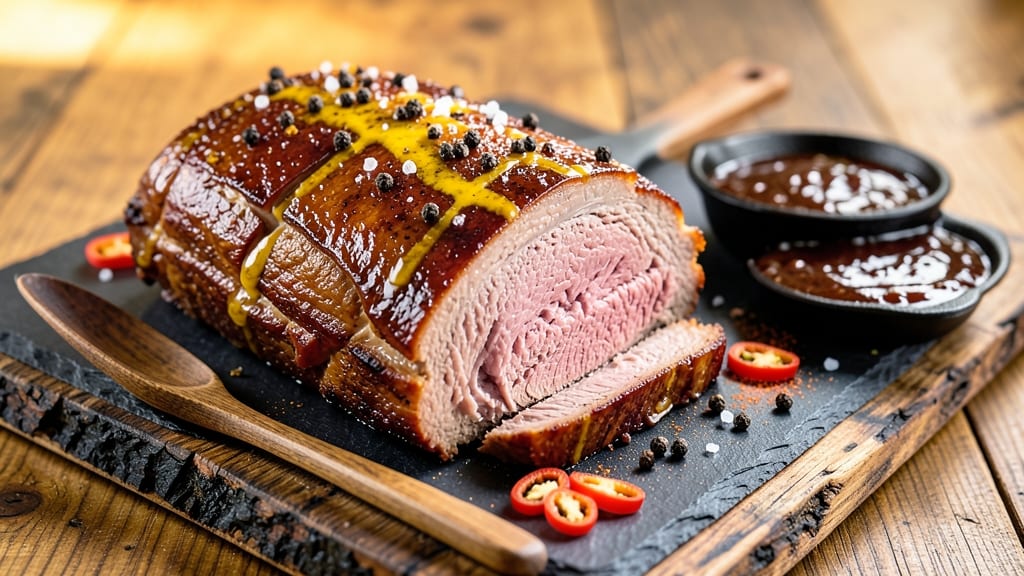
This BBQ pitmasters' beef brisket recipe delivers the kind of tender, smoky perfection that makes every bite worth the wait.
After years of perfecting my technique—from the first whiff of hickory smoke at my family cookout to mastering French-inspired rubs—I’ve cracked the code for brisket that falls apart with just a touch. The secret lies in patience, precision, and a crust so rich it’ll have your guests begging for seconds.
What sets this recipe apart is the balance of Texas-style low-and-slow smoking with Kansas City’s bold seasoning. We’ll trim the fat, apply a dry rub of smoked paprika and brown sugar, then smoke the brisket at 225°F until it hits 203°F internal temperature—that’s when the magic happens.
The bark becomes a smoky, caramelized shell, while the meat inside turns buttery and tender enough to slice with a fork. No shortcuts, no guesswork, just pitmaster-level results.
The payoff? A brisket so tender it practically melts in your mouth, with a crust that’s crisp enough to stand up to a cold beer.
Serve it sliced against the grain with classic sides like tangy coleslaw or slow-cooked baked beans, and you’ve got a spread that’ll have everyone at the table asking for the recipe. This isn’t just brisket—it’s a centerpiece worthy of any BBQ competition.
Ready to master the art of smoking? Here’s how to transform a tough cut into a showstopper that’ll make your grill the talk of the neighborhood. Let’s get started—your brisket awaits.
Ingredients for bbq pitmasters beef brisket
Pitmaster-level brisket starts with the right ingredients—bold flavors and premium cuts for that legendary bark and melt-in-your-mouth tenderness.
| Ingredient | Amount | Notes |
|---|---|---|
| Beef Brisket 🥩 | 8 lb | Packer cut, whole packer preferred |
| Yellow Mustard 🍯 | ½ cup | For fat cap trimming |
| Kosher Salt 🧂 | ½ cup | Diamond Crystal preferred |
| Black Peppercorns 🌶️ | 2 tbsp | Freshly cracked, coarse grind |
| Smoked Paprika 🌶️ | ¼ cup | Honduran or Spanish preferred |
| Brown Sugar 🍚 | ¼ cup | Light or dark, packed |
| Garlic Powder 🧄 | 1 tbsp | Freshly ground preferred |
| Onion Powder 🧅 | 1 tbsp | No added salt |
| Chili Powder 🌶️ | 2 tbsp | Medium heat preferred |
| Cayenne Pepper 🔥 | 1 tsp | Adjust for heat preference |
| Hickory Wood Chips 🌳 | 2 lb | Unsoaked, 100% pure |
| Apple Juice 🍎 | 1 cup | For spritzing during smoke |
| Beef Stock 🍲 | 1 cup | Homemade preferred |
| Yellow Cornmeal 🌽 | ¼ cup | For final crust |
The brisket is non-negotiable here. Packer cut from a trusted butcher—look for good marbling and at least 1/4-inch fat cap. Costco or local meat counters usually carry the best. If you're buying whole, trim the fat to about 1/4-inch thickness for even bark development. The hickory wood chips? Traeger or Cookshack brands are my go-to—they burn clean and give that authentic smoke flavor. Skip the pre-soaked chips; fresh ones create better smoke flavor.
No hickory chips? Oak works in a pinch, but it won't give you that classic BBQ taste. Running low on beef stock? Water plus a bouillon cube gets you close. The cornmeal is optional but worth it—it adds a subtle crunch to the final bark. For the rub, Penzeys spices are my secret weapon, but regular grocery store brands work fine if they're fresh. Always check your spices for potency—if they smell like dust, toss 'em. The apple juice spritz keeps the bark from getting too dry during the long smoke.
Store your brisket in the coldest part of the fridge—use it within 3 days for best results. The rub stays potent for 3 months in an airtight container. For leftovers, wrap tightly in butcher paper (not foil) and reheat slowly in the oven at 300°F. Slice against the grain for those perfect, tender pieces. This brisket reheats beautifully—honestly tastes even better the next day once all the flavors meld.
Why You'll Love This Recipe
- Minimal Prep, Maximum Payoff: I swear by this recipe because it’s the kind of meal that tricks you into thinking it took hours. Just rub the brisket with kosher salt, cracked peppercorns, and smoked paprika—no fancy marinade, no stress—then let the oven or smoker do the work while you sip your coffee. Honestly, the hardest part is waiting for it to finish.
- Smoky-Sweet Magic: That yellow mustard isn’t just a garnish—it’s the secret weapon. Mixed into the rub or slathered on at the end, it cuts through the richness of the brisket while the smoked paprika adds this deep, campfire-like warmth. Between us, it’s the kind of flavor that makes people ask, “What’d you do to this?”
- Leftovers That Save You: This brisket doesn’t just feed a crowd—it feeds you for days. Shred the extra for tacos, sandwiches, or even a hearty breakfast hash the next morning. I’ll be real: my freezer is always stocked with half-cooked briskets because the second batch tastes just as good as the first.
- Budget-Friendly Crowd-Pleaser: You’re getting a whole cut of beef for less than steak prices, and it stretches farther than chicken or pork. Plus, the ingredients? Salt, pepper, mustard—stuff you already have. It’s my go-to for game days, potlucks, or when I’m too tired to order takeout. Solid. Reliable. My secret weapon.
Step-by-step instructions for BBQ pitmasters' beef brisket
Here's how to transform a tough cut into melt-in-your-mouth perfection with that signature bark and tender threads.
Prepare the Brisket with a Mustard Slather
Start by trimming the fat cap down to about ¼ inch thickness using a sharp knife. This lets the smoke penetrate while still protecting the meat. Spread the ½ cup of yellow mustard evenly over the entire surface—this creates a barrier that prevents the rub from sticking and helps develop that prized bark.
In a bowl, combine the ½ cup kosher salt, 2 tablespoons freshly cracked black peppercorns, ¼ cup smoked paprika, ¼ cup brown sugar, 1 tablespoon each of garlic powder and onion powder, 2 tablespoons chili powder, and 1 teaspoon cayenne pepper. Mix thoroughly until evenly distributed. Pat the mustard-coated brisket dry with paper towels, then generously apply the rub, pressing it into the meat so it adheres well.
Smoke the Brisket Low and Slow
Set up your smoker to maintain a steady 225-250°F using the 2 pounds of hickory wood chips. Place a water pan inside to help maintain moisture. Once the smoker reaches temperature and you see clean, blue smoke, add the brisket fat-side up. Close the lid and resist the urge to peek—every time you open it, you lose heat and add valuable time.
Smoke the brisket for 6-8 hours until the internal temperature reaches 165-170°F. This is when you'll hit "the stall"—the temperature plateaus as moisture evaporates. Don't panic; this is normal. When the internal temperature hits 165°F, remove the brisket from the smoker and wrap it tightly in butcher paper (not foil). Return it to the smoker and continue cooking.
Finish with a Cornmeal Crust
Continue smoking until the internal temperature reaches 200-205°F and a probe slides in like butter. This usually takes an additional 4-6 hours. Once probe-tender, remove the brisket from the smoker and let it rest for 15 minutes before unwrapping.
In a small bowl, mix the ¼ cup yellow cornmeal with 1 tablespoon of the remaining rendered fat from the smoker. Brush this mixture evenly over the entire surface of the brisket, focusing on the top and sides. Return the brisket to the smoker, fat-side up, and smoke for another 30-45 minutes until the cornmeal develops a golden, crispy crust.
Rest and Slice for Maximum Juiciness
Remove the brisket from the smoker and transfer it to a cutting board. Tent loosely with foil and let it rest for at least 1 hour (I prefer 2 hours) to allow the juices to redistribute. This resting period is crucial—it ensures every slice is moist and flavorful.
Unwrap the brisket and locate the grain direction. Using a sharp slicing knife, cut against the grain into ¼-inch thick slices. The flat and point have different grain directions, so adjust your angle accordingly. Serve immediately while still warm, with any accumulated juices spooned over the top for extra flavor.
Pro Tips For Making Bbq Pitmasters Beef Brisket
- Trim the Fat Cap: Leave about ¼-inch of fat on the brisket—thicker than you think. I learned this the hard way when my first attempt lost too much moisture; that fat renders slowly and keeps the meat tender during the long cook.
- Mustard as a Crust: Slather that yellow mustard thick on the fat cap before hitting the smoker—it’s not just flavor, it’s the glue for that perfect bark. Skip the thin layer, or you’ll end up with sticky, uneven spots instead of a crispy shield.
- Probe the Thickest Part: Forget guessing—stick your thermometer into the deepest part of the flat, not the point. The flat’s the last to cook, and I’ve seen briskets hit 203°F in the point while the flat was still tough at 190°F.
- Spritz with Apple Juice: Every 90 minutes, spray the brisket with apple juice—not water—it adds sweetness and prevents drying out. I was skeptical until I tried it; the bark stays dark and the meat stays juicy without overpowering the smoky flavor.
Common mistakes when making your bbq pitmasters beef brisket
Skipping the Mustard
I’ve seen too many beginners skip the mustard layer, and let me tell you—it’s a game-changer. That ½ cup yellow mustard isn’t just for flavor; it creates a barrier that keeps the rub from sticking to the meat during the long smoke.
Without it, your bark will be patchy and uneven. Trust me, I’ve made this mistake more times than I’d admit. The mustard also helps the smoke penetrate deeper, giving you that perfect balance of bark and tenderness. 🌶️
Ignoring the Stall
Every pitmaster hits it—the stall—that frustrating plateau around 165°F where your brisket just won’t climb in temperature. The fix? Wrapping it in butcher paper (not foil) when it hits 165°F.
I’ve seen people panic and crank up the heat, but that’s a sure way to dry out your meat. The stall is normal, and wrapping it helps push through it faster. Patience is key here—don’t rush it.
Overlooking the Fat Cap
Leaving too much fat on the brisket can lead to uneven cooking and a greasy bark. Trim it down to about ¼ inch—thick enough to protect the meat but thin enough to allow smoke to penetrate.
I’ve had briskets where the fat cap was too thick, and the bark never developed properly. A sharp knife and steady hand make all the difference. Don’t skip this step!
Peeking Too Often
Every time you open the smoker lid, you lose heat and moisture, which can add 30 minutes to hours to your cook time. I know it’s tempting to check on your brisket, but resist the urge.
Use a remote thermometer to monitor the internal temperature without opening the lid. This small habit saves time and keeps your brisket on track for perfection. 🔥
Rushing the Rest
Skipping the 1-2 hour rest is one of the biggest mistakes I see. Brisket needs time to redistribute its juices after smoking. If you slice it too soon, you’ll end up with dry, tough meat.
I’ve learned this the hard way—once, I was so excited I sliced it after just 15 minutes, and the results were disappointing. Give it time; it’s worth the wait.
Using the Wrong Wood
Hickory is the classic choice for brisket, but I’ve seen people use oak or mesquite, which can overpower the meat’s flavor. Stick with 100% pure hickory wood chips for that authentic BBQ taste.
If you’re experimenting, try a mix of hickory and applewood for a sweeter, fruitier flavor. But for a true pitmaster experience, hickory is non-negotiable. 🌳
Nutrition facts
Frequently asked questions
How do I know when my brisket is done?
Your brisket is ready when it hits 203°F internal temperature and a meat probe slides in like butter. The bark should be deep mahogany with a crispy crust. Never rely on time alone—always check temperature! The stall around 165°F is normal, but wrapping in butcher paper helps push through it.
Can I use an oven instead of a smoker?
Yes, but you'll need to mimic the smoker environment. Set your oven to 225°F with a water pan for moisture, and use a smoker box with wood chips. For best results, use a meat thermometer and follow the same temperature targets. The bark won't be as authentic, but it'll still be tender and flavorful.
What's the difference between the flat and point cuts?
The flat cut is leaner and cooks faster, while the point has more fat and marbling, making it more forgiving. For best results, smoke them together—they'll finish at different times. The flat usually hits 203°F first, so remove it when done and keep the point smoking until it reaches the same temperature.
How do I store leftovers?
Wrap leftovers tightly in butcher paper (not foil) and store in the fridge for up to 3 days. For longer storage, freeze in portions with juice from the brisket. Reheat slowly in the oven at 300°F until warmed through—microwaving makes brisket tough.
What sides pair best with this brisket?
Classic BBQ sides work perfectly: tangy coleslaw, smoky baked beans, cornbread, or grilled vegetables. For something different, try a fresh herb salad with a citrus vinaigrette to cut through the richness. The key is balancing textures—crunchy, creamy, and hearty all complement brisket beautifully.