
Sauces & Condiments
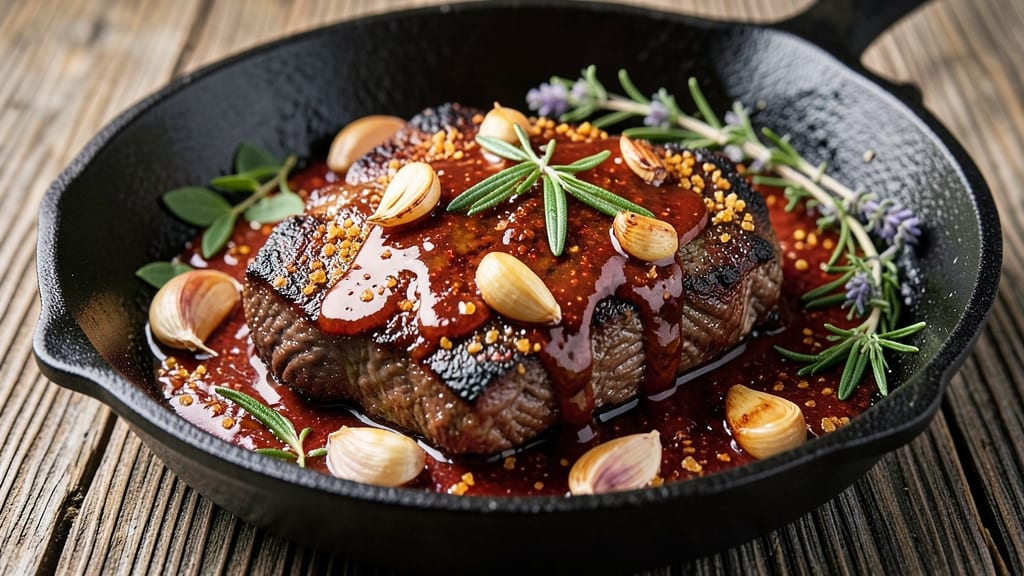
This BBQ beef marinade recipe transforms tough cuts into melt-in-your-mouth masterpieces with deep smoky flavor that penetrates every fiber. 🔥 As a pitmaster who grew up on slow-cooked ribs, I know the secret to restaurant-quality beef isn't just time—it's the right balance of acid, sweetness, and aromatic spices working together before the first flame touches the meat.
The magic happens in the 30-minute marinating process, where apple cider vinegar tenderizes while brown sugar and smoked paprika build that signature BBQ depth.
Fresh herbs like rosemary and thyme add bright, earthy notes that cut through the richness, creating a marinade that's as versatile as it is flavorful—perfect for brisket, flank steak, or even chicken thighs.
What you'll get is beef that's not just flavorful but juicy and caramelized from the inside out. The marinade creates a sticky, flavorful crust that locks in moisture while developing that irresistible smoky aroma.
Store any leftovers in the fridge for up to 5 days, ready to elevate your next cookout or weeknight dinner.
This marinade works wonders whether you're smoking, grilling, or pan-searing—it's the foundation that turns simple beef into something extraordinary. The acid in the vinegar doesn't just tenderize; it creates a perfect balance with the sweetness, ensuring every bite has that classic BBQ harmony we all crave.
And because it's liquid, it penetrates deeply, unlike dry rubs that can feel superficial.
For best results, let the beef sit in the marinade for at least 30 minutes, but overnight is even better if you have the time. The longer it marinates, the more tender and flavorful your beef will become.
Whether you're preparing for a backyard cookout or a special dinner, this marinade will take your beef to the next level with minimal effort.
Once you try this marinade, you'll never go back to plain beef again. The combination of sweet, smoky, and tangy flavors creates a profile that's both complex and approachable.
It's the kind of marinade that makes you look like a seasoned pitmaster, even if you're just starting out. Let's get cooking!
Ingredients for bbq beef marinade
Eight ingredients, deep smoky magic—your beef will never taste plain again.
| Ingredient | Amount | Notes |
|---|---|---|
| Apple Cider Vinegar 🍏 | ½ cup | Raw, unfiltered preferred |
| Brown Sugar 🍚 | ½ cup | Packed, light or dark |
| Smoked Paprika 🌶️ | 2 tbsp | High-quality for smokiness |
| Garlic Cloves 🧄 | 6 cloves | Freshly minced, aromatic |
| Fresh Rosemary 🌿 | 2 tbsp | Chopped, woody notes |
| Fresh Thyme 🌿 | 1 tbsp | Leaves only, finely chopped |
| Onion Powder 🧅 | 1 tbsp | Freshly ground preferred |
| Black Pepper 🌶️ | 1 tsp | Freshly cracked, coarse |
| Salt 🧂 | 1 ½ tsp | Kosher or sea salt |
| Olive Oil 🫒 | ¼ cup | Extra-virgin for richness |
The apple cider vinegar is non-negotiable here—it's the secret weapon that tenderizes while adding that tangy depth. Bragg or Texas Pete are my go-tos, but any raw, unfiltered vinegar works. The brown sugar? Light or dark doesn't matter, but pack it tightly into the measuring cup for accuracy. For smoked paprika, Penzeys or Goya have the best quality—avoid the dusty stuff that's been sitting on shelves. The garlic and herbs? Fresh is ideal, but if you're in a pinch, dried thyme at half the amount works. I always grab extra rosemary—it keeps for months in the freezer if wrapped tightly in foil.
No apple cider vinegar? Balsamic vinegar or red wine vinegar in a pinch, but the flavor profile shifts slightly. Running low on fresh herbs? Dried rosemary at one-quarter the amount gets you close, but you'll miss that bright freshness. The onion powder can be swapped for 1 tbsp onion salt, but reduce the regular salt to 1 tsp to keep it balanced. Olive oil is just for binding—avocado or grapeseed oil works too if you're avoiding olive oil. Pro tip: Make a double batch and freeze half in ice cube trays for future use—just thaw before using.
This marinade stays potent for 1 week in the fridge, sealed tightly in a jar. Freeze any extras in 1-tbsp portions for easy use later—just thaw overnight in the fridge. The longer beef sits in this marinade, the more tender it becomes, so overnight is ideal. I always reserve a little marinade to use as a basting sauce during cooking—it's pure liquid gold. Store unused marinade in the fridge for up to 3 months, though fresh is always best.
Why You'll Love This Recipe
- Five-Ingredient Magic: I swear by this marinade because it’s that simple—no fancy prep, just dump-and-stir. The apple cider vinegar cuts through the richness while the brown sugar caramelizes on the grill, and honestly? Even if I forget to marinate for hours, the beef still tastes like a Sunday dinner.
- Smoky-Sweet Obsession: Between us, the smoked paprika and rosemary give this marinade a depth that’s almost unfair. That first bite? The garlic hits like a hug, the vinegar brightens everything, and the rosemary lingers like a whisper of a campfire—ridiculously good, even if I didn’t plan ahead.
- Weeknight to BBQ Hero: This isn’t just for grilling—toss it on steaks, chicken, or even roasted potatoes. I’ve used it for quick weeknight dinners and then again for a backyard cookout, and it never lets me down. (Yes, even on a Tuesday night when I’m too tired to think.)
- Budget-Friendly Leftovers: A little goes a long way, and the ingredients won’t break the bank. I make a big batch, store it in the fridge, and use it for days—whether it’s a last-minute meal or a slow-cooked pot of beef. The rosemary keeps it fresh, and the vinegar means it won’t spoil fast. My wallet and taste buds thank me.
Step-by-step instructions for BBQ beef marinade
This marinade delivers bold, smoky flavor that transforms tough cuts into tender, juicy perfection.
👨🍳 Step 1: Combine Wet Ingredients for the Base
In a medium bowl, whisk together the 0.5 cup apple cider vinegar and 0.5 cup brown sugar until the sugar fully dissolves. I like to use a fork first to break up any sugar crystals, then switch to a whisk for smoothness. This creates a syrupy foundation that carries all the smoky flavors deep into the meat.
The vinegar's acidity helps tenderize the beef while balancing the sweetness, creating that perfect balance we crave in BBQ. Let this mixture sit for 5 minutes while you prep the remaining ingredients—this gives the sugar time to fully integrate and creates a more cohesive marinade.
🍳 Step 2: Add Aromatics and Spices for Depth
Add the 6 minced garlic cloves, 2 tbsp chopped fresh rosemary, 1 tbsp chopped fresh thyme, 1 tbsp onion powder, 1 tsp black pepper, and 1.5 tsp salt to the bowl. Stir vigorously with a wooden spoon until everything is evenly distributed. I press the rosemary sprigs against the side of the bowl to release their essential oils—this adds that incredible woody aroma.
Here's where it gets good—the combination of fresh herbs and spices creates layers of flavor. The rosemary brings piney depth, thyme adds earthiness, and onion powder gives that subtle sweetness that rounds out the smokiness. Stir for another 30 seconds to make sure the spices are fully incorporated into the liquid.
🥘 Step 3: Finish with Olive Oil for Richness
Slowly drizzle in the 0.25 cup extra-virgin olive oil while whisking continuously. The oil helps carry the marinade's flavors into the meat and creates a silky texture. I like to whisk in a figure-eight motion to ensure the oil emulsifies completely with the vinegar mixture—this prevents separation later.
Taste the marinade now (you'll want to!) and adjust seasoning if needed. I usually find it needs just a tiny pinch more salt or a crack of extra black pepper to really sing. The marinade should be tangy, sweet, and just slightly spicy with a hint of garlic punch. Transfer to a jar or airtight container and give it one final shake to blend everything together.
⏰ Step 4: Marinate for Maximum Flavor Penetration
Place your beef in a resealable plastic bag or shallow dish and pour the marinade over it, making sure every surface is coated. For best results, marinate for at least 4 hours in the refrigerator, but I prefer 8-12 hours for deep flavor infusion. The acidity in the vinegar starts breaking down muscle fibers immediately, while the sugar caramelizes slightly on the meat's surface during the longer marinate.
I know it's tempting to marinate for longer, but don't exceed 24 hours—beyond that, the vinegar can start to "cook" the meat slightly, making it mushy. When you're ready to cook, remove the beef from the marinade and let it sit at room temperature for 15-20 minutes before grilling or searing. This ensures even cooking and prevents cold spots in your meat.
Pro Tips For Making Bbq Beef Marinade
- Mince the Garlic Fine: I learned this the hard way—chunky garlic cloves in the marinade just sit there like stubborn guests. Use a knife or microplane to get it into a paste; it dissolves better and coats the beef evenly. Trust me, the flavor spreads like it’s supposed to.
- Bloom the Paprika: Skip the dry rub step, and you’ll miss out on depth. Heat a splash of oil in a pan, toss in the smoked paprika, and let it sizzle for 30 seconds—just until it smells like a campfire. This wakes up the spices and makes the marinade taste richer from the start.
- Whisk the Sugar First: Brown sugar clumps like a stubborn toddler if you add it dry. Mix it with the apple cider vinegar before anything else—it dissolves faster and won’t leave gritty surprises in your marinade. Stir it like you mean it.
- Rosemary Needs Chopping: Whole sprigs? Nope. Roughly chop the rosemary and bruise it with your knife—this releases the oils and prevents it from floating like a decorative afterthought. A few minutes of effort here means the beef actually tastes like it’s in the marinade, not just wearing it.
Common mistakes when making perfect results
Over-Marinating Ruins Texture
I see this all the time—beef left in the marinade for days instead of hours. Vinegar's acidity breaks down muscle fibers, but after 24 hours, it starts "cooking" the meat, making it mushy and waterlogged. 🌶️ For tough cuts like brisket, 8-12 hours is ideal.
For delicate cuts like flank steak, stick to 4-6 hours max. The sugar in the marinade caramelizes during this time, creating that perfect crust, but overdoing it turns your beef into a sad, soggy mess.
Skipping the Rest
After marinating, many people rush to cook immediately. Big mistake! Let the beef sit at room temperature for 15-20 minutes before grilling or searing. This equalizes the internal temperature, preventing cold spots that create uneven cooking.
I've seen beautiful sear marks ruined because someone didn't let the meat rest. Pro tip: Use this time to preheat your grill or smoker—double efficiency!
Uneven Coating
Pouring marinade over beef and calling it a day? You're missing out on flavor penetration. Make sure every surface—including crevices and edges—gets coated. I use a basting brush to get into those hard-to-reach spots.
For thick cuts, pierce the meat gently with a fork to help the marinade work its magic deeper. Uneven coating means uneven flavor, and nobody wants that.
Using Low-Quality Ingredients
I can't stress this enough—don't skimp on your vinegar, spices, or oil. Cheap, dusty smoked paprika or old, rancid olive oil will ruin your marinade. Invest in Penzeys smoked paprika and extra-virgin olive oil—the difference is night and day.
The quality of your ingredients directly impacts the final flavor. I always check my spices for freshness by smelling them—if they don't smell vibrant, they're past their prime.
Ignoring the Sugar-Vinegar Balance
The sweetness from brown sugar and the tang from vinegar need to work together. If you don't dissolve the sugar completely, you'll end up with grainy bits in your marinade. Whisk vigorously until smooth!
Also, if you're using a substitute vinegar (like balsamic), adjust the sugar to 0.6 cup to maintain balance. The marinade should taste harmonious, not one-note. Taste as you go—trust your palate!
Not Reserving Marinade
After marinating, don't pour that flavorful liquid down the drain! Reserve ¼ cup to use as a basting sauce during cooking. It's pure liquid gold—packed with all those delicious flavors that soaked into the meat.
I keep it in a small bowl nearby while grilling, brushing it on every 10-15 minutes for maximum impact. This simple step transforms your dish from good to spectacular. 💫
Nutrition facts
Frequently asked questions
Can I use this marinade for chicken or pork instead of beef?
This marinade works beautifully on chicken thighs, pork chops, or even salmon. The acidity tenderizes poultry well, while the smoky-sweet profile complements pork perfectly. For chicken, reduce marinating time to 2-4 hours to avoid over-tenderizing delicate breasts. Pork benefits from the full 8-12 hours for maximum flavor infusion.
What's the best way to store leftover marinade?
Store unused marinade in an airtight container in the fridge for up to 1 week, or freeze in 1-tbsp portions for up to 3 months. For best results, thaw frozen portions overnight in the fridge. Never refreeze thawed marinade. I like to freeze extras in ice cube trays—just pop out what you need and toss it directly into your cooking pan.
Can I make this marinade without fresh herbs?
Yes! Use 1 tsp dried rosemary and ½ tsp dried thyme instead of fresh. For extra depth, add ½ tsp ground coriander to replace the fresh herbs' brightness. The flavor will be slightly different but still delicious. If you're short on time, this substitution works perfectly—just remember dried herbs are more concentrated.
How do I adjust the heat level for sensitive stomachs?
Reduce the smoked paprika to 1 tbsp and omit the black pepper entirely. For extra mildness, swap the vinegar for apple juice (use ½ cup) and add ½ tsp honey to balance. The marinade will still be flavorful but much gentler on sensitive palates. This version works great for kids or those avoiding spice.
Can I use this marinade for grilling, smoking, or pan-searing?
This marinade is incredibly versatile! It works equally well for grilling steaks, smoking brisket, or pan-searing flank steak. For grilling, use it as-is. For smoking, reserve some to baste during the cook. When pan-searing, let the beef develop a crust first, then add the reserved marinade to create a delicious sauce. The key is to remove the beef from the marinade before cooking to prevent flare-ups.