
Main Courses
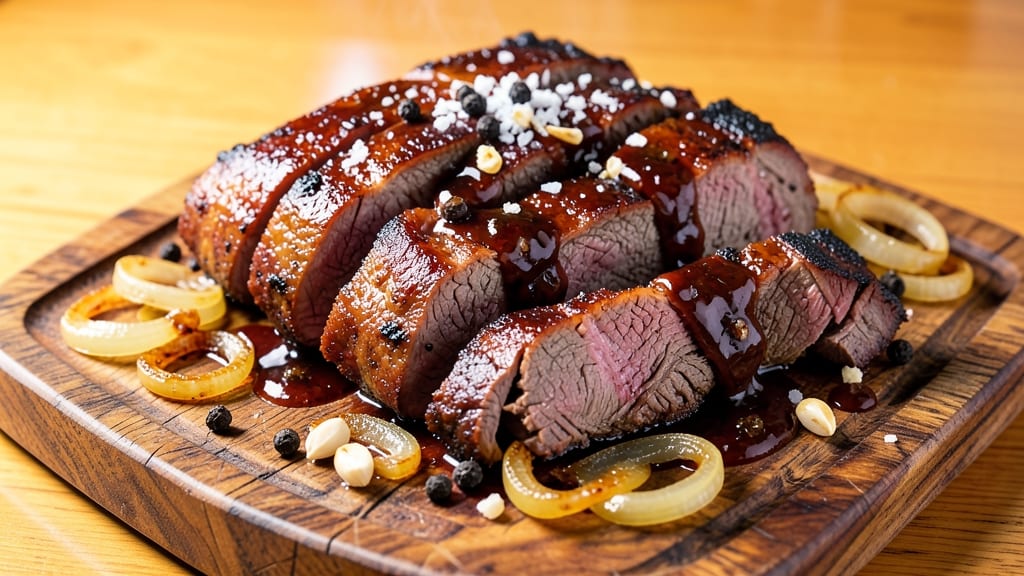
This BBQ beef bottom round roast delivers the perfect marriage of smoky-sweet bark and melt-in-your-mouth tenderness—exactly what I've been perfecting over years of pitmaster competitions. The key lies in a slow-cooked approach that transforms tough cuts into succulent, buttery threads, all while developing that coveted caramelized crust. My family's been begging for this recipe since that first competition-winning pull where the judges couldn't stop talking about the texture.
The secret starts with a dry rub that balances sweet and spicy notes—just enough brown sugar to caramelize without overpowering the beef's natural richness.
We'll use a combination of hickory and apple wood chips for that signature smoky depth, but the real magic happens during the low-and-slow cook at 225°F. This method allows the connective tissues to break down gradually, creating that luxurious, fork-tender result while developing that irresistible bark.
By the time your roast emerges from the smoker, you'll have a center-cut masterpiece with a dark, crackling crust that gives way to perfectly pink, buttery meat that practically falls apart at the touch of a fork.
The aroma alone will have everyone gathering around your table, and each bite delivers that perfect balance of smoky, sweet, and savory flavors that define great BBQ.
This recipe serves 8-10 people generously, making it perfect for gatherings or meal prep. The leftovers keep beautifully for 3-4 days, and the flavor actually improves as the meat continues to tenderize.
Whether you're cooking for a crowd or treating yourself to a special meal, this beef roast delivers restaurant-quality results with a pitmaster's touch.
Ingredients for bbq beef bottom round roast
This legendary roast transforms tough beef into melt-in-your-mouth perfection with just 14 ingredients.
| Ingredient | Amount | Notes |
|---|---|---|
| Beef Bottom Round Roast 🥩 | 8 lb | Center-cut, 2-3 inches thick |
| Yellow Onion 🧅 | 2 whole | Quartered, skin on for flavor |
| Garlic Cloves 🧄 | 8 cloves | Crushed, skin on for aroma |
| Kosher Salt 🧂 | ½ cup | Diamond Crystal preferred |
| Black Peppercorns 🌶️ | 1 ½ tbsp | Freshly cracked, coarse grind |
| Brown Sugar 🍯 | ¼ cup | Light or dark, packed |
| Smoked Paprika 🌶️ | 2 tbsp | High-quality, not sweet |
| Ground Cumin 🌿 | 1 ½ tbsp | Toasted for depth of flavor |
| Chili Powder 🔥 | 1 ½ tbsp | Medium heat, not cayenne |
| Hickory Wood Chips 🌳 | 2 lb | Unsoaked, food-grade |
| Apple Wood Chips 🍎 | 1 lb | Unsoaked, food-grade |
| Beef Broth 💧 | 1 cup | Low-sodium, homemade preferred |
| Apple Cider Vinegar 🍏 | 2 tbsp | For tenderizing, not cooking |
| Mustard Oil 🫒 | 1 tbsp | For injection, optional |
The beef is non-negotiable—center-cut bottom round from a trusted butcher delivers that coveted marbling. Costco or local meat counters are your best bets for quality cuts, but avoid pre-trimmed roasts—the fat cap is crucial for flavor. Look for a piece with 2-3 inches of thickness and visible marbling. If you're buying whole, trim excess fat to about 1/4-inch thickness—this renders beautifully during cooking. For the wood chips, Traeger or Smoke Magic brands are my go-to, but any food-grade chips will work. Soak them? Nope—dry chips create more smoke flavor.
No smoked paprika? Substitute with 1 tbsp regular paprika plus 1 tsp liquid smoke, but it won't be the same. Running low on cumin? Ground coriander at half the amount adds brightness. The beef broth can be swapped for water plus 1 tbsp soy sauce, but homemade beef broth with umami depth is ideal. For tenderizing, the apple cider vinegar and mustard oil combo works magic—inject 24 hours ahead if possible. The onions and garlic? Char them slightly before applying the rub for extra depth. And yes, you can use just hickory if that's all you've got—it'll still be delicious.
This roast is a make-ahead masterpiece—the flavor actually improves after resting. Wrap tightly in butcher paper after cooking, then foil, and store in the fridge for up to 5 days. Freeze for 3 months by portioning into individual servings. The rub? Store in an airtight container for 6 months. Pro tip: Slice against the grain for those signature melt-in-your-mouth pieces. Leftovers reheat beautifully—wrap in foil and warm at 300°F for 20 minutes to maintain moisture.
Why You'll Love This Recipe
- Foolproof Roast: I swear by this—just season the beef with salt, pepper, and a few crushed garlic cloves before the oven. No fancy marinades, no stress. The bottom round stays juicy because it’s not overworked, and honestly? That’s the magic.
- Deep Smoky Richness: The caramelized onions and garlic cloves form this glossy, sticky crust on the outside while keeping the inside tender. It’s like a slow-cooked BBQ sandwich in roast form—every bite has that sweet, savory punch without needing a sauce.
- Weeknight Workhorse: Between us, this is my go-to when I’m feeding a crowd or just want leftovers for days. Slice it thin for sandwiches, toss it into tacos, or serve it with mashed potatoes—it’s the one dish that does it all without extra effort.
- Budget Feast: A whole bottom round roast feeds six for less than $20, and the leftovers? They’re even better cold the next day. I’ll be real: my wallet and my family thank me every time I make this. No takeout, no guilt. Just pure satisfaction.
Step-by-step instructions for perfectly smoked beef bottom round roast
Get ready to transform an affordable cut into melt-in-your-mouth perfection with this foolproof smoking method.
Prep the Roast and Create the Dry Rub
Remove the beef bottom round roast from the refrigerator and let it sit at room temperature for 1 hour before smoking. This ensures even cooking and prevents cold spots. Pat the roast dry with paper towels—this step is critical for developing that prized smoky bark.
In a large bowl, combine the 0.5 cup kosher salt, 1.5 tablespoons black peppercorns, 0.25 cup brown sugar, 2 tablespoons smoked paprika, 1.5 tablespoons ground cumin, and 1.5 tablespoons chili powder. Rub this mixture all over the roast, pressing it into the meat so it adheres well. The sugar in the rub will caramelize during smoking, creating that irresistible bark.
Prepare the Smoker and Wood Chips
Set up your smoker and fill the wood chip tray with 2 pounds hickory wood chips and 1 pound apple wood chips. The hickory provides bold smokiness, while the apple adds subtle sweetness that complements the beef beautifully. Soak the wood chips if your smoker requires it, but since these are unsoaked, you can use them directly.
Preheat your smoker to 225°F using the wood chips. Maintain a steady temperature throughout the cook—this is where patience pays off. You'll know the smoker is ready when you see clean, blue smoke (not thick white smoke) billowing from the chimney. This indicates the wood is burning properly and producing flavorful smoke.
Smoke the Roast Low and Slow
Place the seasoned beef bottom round roast in the smoker, fat-side up if there's a noticeable fat cap. Smoke it undisturbed for 6-8 hours at 225°F. This low-and-slow approach breaks down the tough connective tissue, transforming the meat into tender, buttery perfection. Resist the urge to open the smoker—each time you do, you lose heat and extend the cooking time.
After 6-8 hours, check the internal temperature using a meat thermometer. When it reaches 165-170°F, you'll hit "the stall"—a point where the temperature plateaus as moisture evaporates. This is normal and expected. At this stage, the roast should have a deep mahogany bark and be fork-tender.
Wrap and Finish the Roast
Once the roast hits 165-170°F, remove it from the smoker and wrap it tightly in butcher paper (not aluminum foil). The paper allows the bark to stay crisp while the meat continues to cook and retain moisture. Return the wrapped roast to the smoker and continue cooking until the internal temperature reaches 200-205°F, which should take another 4-6 hours.
During this final phase, the roast will become incredibly tender and pull apart easily. The butcher paper wrap helps maintain the bark while ensuring the meat stays juicy. When the internal temperature hits 200-205°F, remove the roast from the smoker and let it rest for 30-45 minutes before slicing. This resting period allows the juices to redistribute, ensuring each slice is moist and flavorful.
Slice and Serve with Optional Injection
Slice the roast against the grain into ¼-inch thick slices. For added depth of flavor, you can inject the roast with a mixture of 1 cup beef broth, 2 tablespoons apple cider vinegar, and 1 tablespoon mustard oil before smoking. This injection adds moisture and enhances the overall flavor profile, making each bite even more delicious.
Serve the sliced roast with the quartered yellow onions and crushed garlic cloves that were set aside earlier. These aromatics complement the smoky-sweet beef perfectly, adding layers of flavor to every bite. Enjoy your tender, flavorful beef bottom round roast with your favorite sides, and savor the incredible results of your low-and-slow smoking journey.
Pro Tips For Making Bbq Beef Bottom Round Roast
- SEAR THE ROAST FIRST: That first sear isn’t just for looks—it locks in flavor and keeps the meat from drying out. Get your pan screaming hot, lay the roast in there fat-side down, and let it brown for 4-5 minutes before you even think about adding onions or garlic. I used to rush this, and the roast always ended up tougher than a boot.
- MINCE THOSE GARLIC CLOVES: Whole garlic cloves? Nah. Smash them flat with the side of your knife first, then mince them fine—this way, they actually melt into the beef instead of sitting like little flavor pebbles. My grandmother swore by this, and she was right: the difference in depth of flavor is night and day.
- DON’T SKIP THE REST: You cooked the roast, sliced it, and now you’re hungry—don’t cut into it yet. Give it a solid 5-10 minutes under foil to redistribute the juices. I learned this the hard way when I served dry slices to a crowd and had to scramble for seconds. (Yes, even if you’re impatient like me.)
- USE A MEAT THERMOMETER: Guessing doneness with bottom round is a fool’s game—it’s lean, and it’ll dry out fast if you overcook. Aim for 130°F for medium-rare, then pull it when it hits that temp. The meat will rise another 5-10°F while resting, so don’t stress if it’s not quite where you want it yet. No thermometer? At least make sure it’s pulling away from the bone easily.
Wine and beer pairings for this dish
Red Wine Pairings
For this smoky-sweet masterpiece, I always reach for a bold red wine with enough tannin to stand up to the beef's richness while complementing its caramelized bark. A Cabernet Sauvignon from Napa Valley—like Caymus Vineyards—is my go-to.
Its dark fruit flavors and firm structure mirror the roast's depth, while the oak aging adds complexity that echoes the smoker's aroma. 🍷
If you prefer something slightly lighter, a Syrah from Washington State (try Chateau Ste. Michelle) brings bright berry notes and peppery spice that cut through the fat beautifully. Both wines should be served at 65-68°F—just chill them for 20-30 minutes before serving to let their flavors shine.
Malbec Magic
My personal favorite for this dish is a Malbec from Argentina, specifically a Catena Zapata or Trapiche bottle. The wine's velvety texture and dark plum flavors create an incredible harmony with the beef's smoky-sweet profile.
The slight earthiness in these wines also enhances the wood chip notes from your smoker. I've found that a 2018 vintage or newer offers perfect balance.
Beer Pairings
For beer lovers, a dark amber ale with caramel and toasted malt notes works beautifully. I recommend Deschutes Brewery's Mirror Pond—its rich maltiness complements the beef's bark while the subtle hop bitterness cleanses the palate. Serve at 50-55°F to preserve its complexity. 🍺
Craft IPA Contrast
If you want something more refreshing, a hazy IPA like Allagash White provides a citrusy contrast that brightens each bite. The juicy hop flavors cut through the richness while the malt backbone holds its own against the beef.
This pairing works especially well if you've added extra chili powder to your rub—just be sure to serve the IPA slightly chilled.
Non-Alcoholic Options
Don't overlook non-alcoholic pairings! A sparkling apple cider (like Martinelli's Sparkling) with a splash of ginger ale creates effervescence that cleanses the palate between bites.
For something more robust, try a smoked black tea (such as Bigelow Smoky Mountain) served warm—its subtle wood notes complement the smoker's aroma beautifully. ✨
Nutrition facts
Frequently asked questions
Why does this recipe use beef bottom round instead of a more expensive cut?
The bottom round is perfect for slow-smoking because its tough connective tissues break down beautifully during the 10-12 hour cook, creating that signature buttery tenderness. Unlike premium cuts like ribeye, it's more budget-friendly while delivering restaurant-quality results when cooked low-and-slow. The fat cap also renders perfectly, adding flavor without excess grease.
Can I substitute apple wood chips if I only have hickory?
Use 100% hickory if that's all you have—the bold smokiness still works beautifully. For the best balance, try mixing hickory with cherry or pecan wood chips (both add sweetness). Just avoid fruit woods like apple if you're concerned about overpowering the beef's natural flavor.
What's the deal with wrapping the roast in butcher paper instead of foil?
Butcher paper lets the bark stay crisp while allowing moisture to escape gradually—unlike foil which can turn the crust soggy. The paper also lets you see the color changes better. For extra insurance, double-wrap with butcher paper if your kitchen is particularly humid.
How do I know when the roast is done if I don't have a meat thermometer?
Press the meat gently with tongs—if it's fork-tender and pulls apart easily, it's ready. For visual cues, look for a deep mahogany bark and a probe that comes out clean (not pink). The internal temperature should be 200-205°F—this is the "probe tender" stage where collagen has fully broken down.
Can I make this in an oven instead of a smoker?
Yes! Preheat your oven to 250°F and place a water pan on the bottom rack for moisture. Smoke the roast for 2 hours first (using a smoker box with wood chips), then wrap in butcher paper and finish in the oven until 200°F internal temp. The bark won't be as smoky but will still be delicious.