
Main Courses
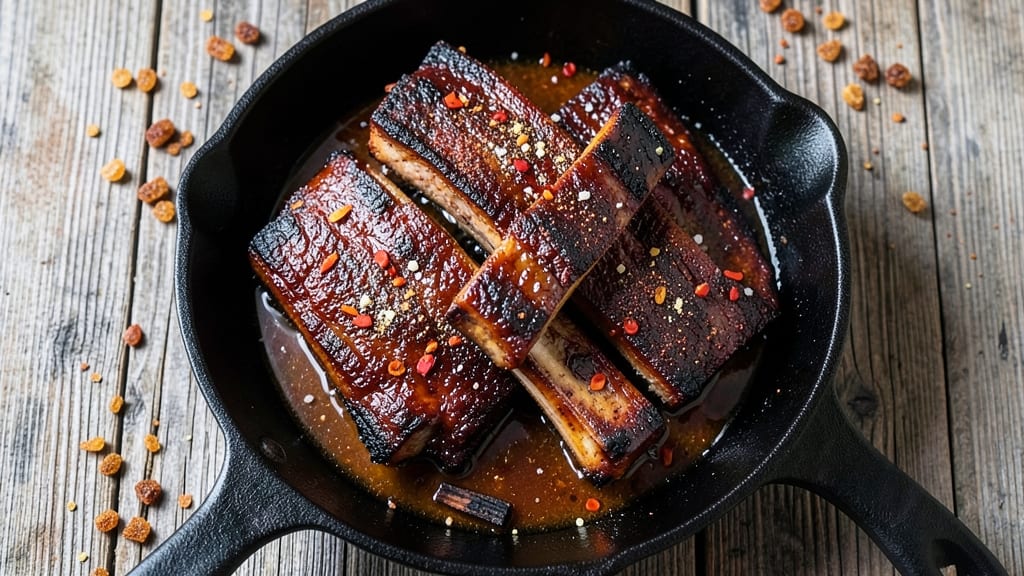
This bbq beef back rib recipe delivers the perfect balance of smoky bark and melt-in-your-mouth tenderness—exactly what makes ribs unforgettable.
As a pitmaster who grew up in the rhythm of slow-cooked meats, I’ve perfected this method to ensure your ribs are juicy, flavorful, and ready in one pan without the guesswork.
The secret lies in precise temperature control and a well-crafted dry rub that locks in moisture while building that coveted crust.
What sets this recipe apart is its beginner-friendly approach, using a simple dry rub of brown sugar, paprika, garlic powder, and chili flakes—no fancy marinades required. We’ll cook the ribs low and slow until they reach 195°F internal temperature, where the collagen breaks down into buttery tenderness.
The beauty of this method is its flexibility: whether you’re using a smoker, grill, or even your oven, the principles remain the same.
The result is ribs that are fall-apart tender with a deep, caramelized bark that cracks with every bite. The rub infuses the meat with just the right amount of heat and sweetness, while the slow cook ensures every bite is juicy and rich.
Serve them with classic sides like baked beans or a crisp coleslaw to complete the meal—this is the kind of dish that turns weeknights into a celebration.
No matter your experience level, this recipe guarantees restaurant-quality ribs at home. The key is patience and attention to temperature, but the reward is worth every minute. Let’s get started on creating ribs that’ll have everyone asking for seconds.
Ingredients for bbq beef back rib
Four pounds of ribs and a handful of pantry staples—this is all you need for smoky, fall-apart tenderness.
| Ingredient | Amount | Notes |
|---|---|---|
| Beef Back Ribs 🥩 | 4 lb | Bone-in, fresh from butcher |
| Brown Sugar 🍚 | ½ cup | Packed, light or dark |
| Smoked Paprika 🌶️ | 2 tbsp | High-quality for depth |
| Garlic Powder 🧄 | 1 tbsp | Freshly ground preferred |
| Chili Flakes 🔥 | 1 tbsp | Adjust for heat preference |
| Kosher Salt 🧂 | 1 tbsp | Diamond Crystal preferred |
| Black Pepper 🌶️ | 1 tsp | Freshly cracked for flavor |
| Yellow Mustard 🍯 | 2 tbsp | For binding the rub |
| Apple Cider Vinegar 🍎 | ¼ cup | For tenderizing marinade |
| Olive Oil 🫒 | 2 tbsp | Extra-virgin for richness |
| Yellow Onion 🧅 | 1 whole | Sliced for serving |
| Fresh Rosemary 🌿 | ¼ cup | Chopped, for aroma |
| BBQ Sauce 🍅 | ½ cup | Store-bought or homemade |
The ribs are the star, so look for bone-in back ribs with good marbling at your local butcher shop or grocery store meat counter. Costco or Whole Foods often have high-quality cuts, but ask your butcher to trim excess fat if you prefer. Freshness matters—rib meat should be bright red with a slight gloss, not grayish or dry. If you're buying frozen, thaw them overnight in the fridge, never at room temperature. The rub ingredients are all pantry staples, but smoked paprika from Penzeys or a Latin market adds that authentic depth you can't get from the regular grocery store aisle.
No smoked paprika? Substitute regular paprika plus a pinch of liquid smoke—it's a game-changer. Running low on apple cider vinegar? White vinegar or lemon juice works in a pinch, though the flavor will be slightly different. The mustard in the rub is non-negotiable—it helps the dry spices stick to the meat. For the BBQ sauce, Sweet Baby Ray's or Stubb's are crowd-pleasers, but any store-bought sauce will work. Fresh rosemary is ideal, but dried at one-third the amount is fine if that's what you've got. The onions can be any variety you prefer—yellow, red, or even sweet onions add a nice contrast to the smoky ribs.
Ribs keep best in the fridge for 3-4 days before cooking, but you can prep the dry rub a week ahead and store it in an airtight container. Once cooked, ribs reheat beautifully—wrap them in foil with a splash of water and bake at 300°F for 15-20 minutes. For leftovers, portion them into meal-sized containers and freeze for up to 3 months. The rub will keep indefinitely in a cool, dark place, so make extra—it's perfect for chicken, pork, or even roasted vegetables.
Why You'll Love This Recipe
- One-Pan Magic: I swear by this recipe because it’s that simple—just ribs, a quick rub of brown sugar and smoked paprika, and a 30-minute bake. No flipping, no fuss, no extra pans. The chili flakes add just enough kick to wake up the sweetness without overpowering.
- Sweet-Smoky Bomb: That caramelized brown sugar crust? It’s the star. The smoked paprika gives it this deep, earthy warmth while the garlic powder sneaks in that cozy, familiar flavor. Honestly, the first time I bit into one, I nearly burned my mouth from how good it was.
- Leftovers That Don’t Suck: I make a double batch on Sundays because these ribs reheat like a dream—crispy edges stay crispy, and the meat stays tender. Pack them for lunches or toss them into tacos later in the week. (Yes, even on a Tuesday night.)
- Budget-Friendly Feast: Back ribs are cheaper than brisket, and this recipe stretches them further by letting the sauce cling to every bite. A pound of ribs feeds four, and the spices cost pennies. My wallet and my family thank me every time.
Step-by-step instructions for smoky BBQ beef back ribs
Here's how to transform tough ribs into melt-in-your-mouth perfection with a perfect bark and buttery tenderness.
Prepare the Dry Rub for Maximum Flavor
In a medium bowl, combine the 0.5 cup packed brown sugar, 2 tablespoons smoked paprika, 1 tablespoon garlic powder, 1 tablespoon chili flakes, 1 tablespoon kosher salt, and 1 teaspoon black pepper. Mix thoroughly with your hands or a fork until the sugar crystals dissolve completely and you have a fine, even-textured rub.
This blend creates the perfect balance of sweetness, smokiness, and heat. The brown sugar helps develop that coveted dark bark while caramelizing beautifully. I like to press the rub firmly into the ribs so it adheres well and penetrates the meat during the cook.
Create the Tenderizing Marinade
In a separate bowl, whisk together the 2 tablespoons yellow mustard, 0.25 cup apple cider vinegar, and 2 tablespoons olive oil. This marinade serves two purposes: it helps tenderize the tough rib meat and acts as a binder for the dry rub.
I find the acidity from the apple cider vinegar works wonders on beef back ribs, breaking down tough fibers while adding brightness. The mustard helps the rub stick better and adds a subtle tang that complements the smoky flavors. Let this marinade sit while you prepare the ribs.
Coat and Rest the Ribs
Pat the 4 lb beef back ribs completely dry with paper towels—this is crucial for developing that perfect bark. Then generously coat both sides with the marinade mixture, making sure to get into all the crevices and bone areas.
Next, sprinkle the dry rub all over the ribs, pressing it in firmly. Place the ribs on a wire rack set over a baking sheet (this allows air circulation for even cooking) and refrigerate uncovered for at least 4 hours or preferably overnight. This resting period lets the rub penetrate and the meat come to room temperature for more even cooking.
Cook Low and Slow for Perfect Tenderness
Preheat your oven to 275°F. Place the ribs on the wire rack in a baking dish and cover tightly with heavy-duty aluminum foil. This low temperature ensures the meat cooks slowly and evenly, preventing the outer bark from forming too quickly while the inside remains tough.
Bake for 3 hours, then carefully peel back the foil and baste the ribs with the 0.5 cup BBQ sauce. Return to the oven and bake uncovered for another 1 to 1.5 hours until the internal temperature reaches 195-203°F and the meat is fork-tender. This slow cooking process transforms the tough meat into succulent, pull-apart perfection.
Rest and Serve with Fresh Aromatics
Remove the ribs from the oven and let them rest for 15 minutes before slicing. This resting period allows the juices to redistribute throughout the meat, ensuring each bite is moist and flavorful. While the ribs rest, thinly slice the 1 whole yellow onion and chop the 0.25 cup fresh rosemary for serving.
Slice the ribs between the bones into individual servings and arrange on a platter. Drizzle with any remaining BBQ sauce from the pan and garnish with the sliced onions and chopped rosemary. Serve immediately with crusty bread to soak up all that delicious sauce and juices.
Pro Tips For Making Bbq Beef Back Rib
- TRIM THE FAT CAP: That thick layer of fat on beef back ribs? It’s not your friend here. Use kitchen shears to snip it away—especially along the bone—so your rub sticks and the meat cooks evenly. I learned this the hard way when my first batch turned greasy instead of caramelized.
- BRINE THE RIBS OVERNIGHT: Skip the dry rub for the first 12 hours and submerge the ribs in a mix of water, 1 cup brown sugar, and 2 tablespoons salt per gallon. The sugar keeps them tender, and the salt penetrates deeper than any surface rub. (Yes, even if you’re impatient like me.)
- WRAP IN FOIL AT 170°F: Once the ribs hit 170°F internally, wrap them tightly in foil with a splash of apple cider vinegar or beef broth. The acid breaks down collagen, and the low-and-slow finish guarantees fall-apart texture. I used to pull them too early—don’t make that mistake.
- USE CAST IRON FOR CRUST: If you’re not using a smoker, sear the ribs in a cast-iron skillet over high heat before transferring to the oven. The crust from the skillet locks in flavor and mimics smoky char. (Pro move: Add a handful of wood chips to the skillet for 5 minutes before searing.)
Dietary considerations for this recipe
Gluten-Free Adaptations
The good news is that this recipe is naturally gluten-free! The dry rub and marinade use simple ingredients like brown sugar, smoked paprika, and apple cider vinegar that don't contain gluten. Just be mindful of your BBQ sauce—most store-bought varieties contain wheat.
I recommend Stubb's Original BBQ Sauce or Sweet Baby Ray's Gluten-Free options, both of which are widely available and delicious. The crusty bread on the side can easily be swapped for gluten-free cornbread or a baguette made with gluten-free flour blends. 🌾
Dairy-Free Options
While the original recipe doesn't include dairy, you can make it dairy-free by checking your BBQ sauce for milk derivatives. Some brands add whey or milk powder. For the mustard in the marinade, choose a Dijon-style mustard that doesn't contain milk, like Maille Mustard.
The olive oil and vinegar base remain perfectly dairy-free, so you won't need to make any other substitutions. The rosemary and onions are naturally dairy-free as well, so your entire dish stays clean for lactose-intolerant guests.
Low-Sodium Adjustments
This recipe uses kosher salt, which contains less sodium than table salt, but if you're watching your sodium intake, you can easily reduce the amount. Start with just ½ tablespoon kosher salt instead of the full tablespoon, then adjust to taste after cooking.
For extra flavor without salt, add ½ teaspoon of onion powder or ½ teaspoon of garlic powder to the rub. The apple cider vinegar and smoked paprika will still provide plenty of depth to the flavor profile. 🧂
Vegetarian Considerations
While this recipe is specifically for beef back ribs, you can create a vegetarian version using portobello mushrooms or jackfruit as a meat substitute. Marinate and rub them with the same dry rub mixture, then roast them at 275°F for 2-3 hours until tender.
The texture won't be identical, but the smoky, sweet flavors will still shine. For a more meat-like experience, consider using Beyond Meat or Impossible Meat crumbles mixed with a binder like breadcrumbs or flaxseed to create a rib-like shape.
Allergen-Friendly Tips
For those with nut allergies, this recipe is already safe since it doesn't contain any nuts. If you're serving to guests with egg allergies, note that the mustard in the marinade is typically egg-free, but always double-check the label.
For soy allergies, ensure your BBQ sauce is soy-free, as some brands include soy-based additives. The olive oil and apple cider vinegar are universally safe for most allergies, making this recipe a great option for multi-allergen households. Always verify ingredient labels, especially for store-bought sauces and condiments. 💛
Nutrition facts
Frequently asked questions
Why do I need to cook beef back ribs at 275°F instead of higher heat?
Cooking at 275°F breaks down collagen in the meat slowly, transforming it into gelatin that makes the ribs tender and juicy. Higher heat would create a bark too quickly while leaving the inside tough. This low-and-slow method ensures melt-in-your-mouth texture with that perfect smoky crust.
Can I use a grill instead of the oven for this recipe?
For a grill, maintain 225-250°F using indirect heat. Wrap the ribs in foil with apple juice or beer to keep them moist, then add sauce during the last 30 minutes. The key is consistent temperature control—use a meat thermometer to monitor heat zones.
What if my ribs aren't tender enough after 4.5 hours?
Keep them cooking! Beef back ribs often need 5-6 hours total to reach 195-203°F internal temp. If they're still tough, wrap them tightly in foil with a splash of water or apple juice and return to 275°F for another 30-60 minutes. The collagen needs time to fully break down.
How do I know when the ribs are done without a meat thermometer?
Use the "bend test": lift the ribs with tongs—the meat should bend easily. Also check for fork tenderness by inserting a fork between the bones. If it slides in with little resistance, they're ready. For extra confidence, cut into one bone section—the meat should separate cleanly from the bone.
Can I make this recipe ahead of time?
Yes! Cook the ribs completely, then refrigerate for up to 4 days or freeze for 3 months. To reheat, wrap in foil with a splash of water and bake at 300°F for 15-20 minutes until warmed through. The flavors actually improve as they rest, making this a great make-ahead meal.