
Main Courses
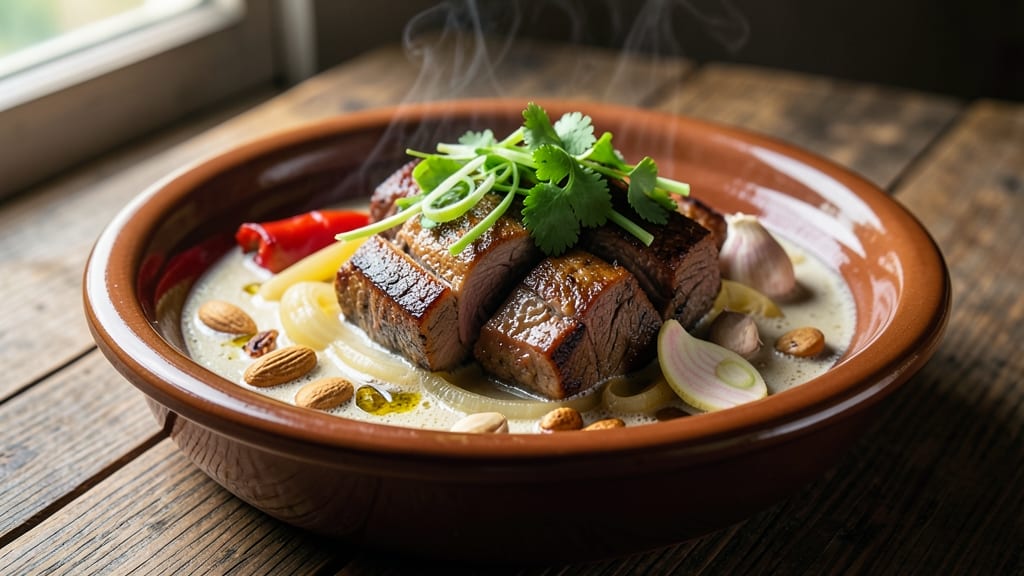
This Batangas beef caldereta transforms tough cuts into melt-in-your-mouth tenderness through a rich, caramelized peanut sauce that balances sweet and savory notes. The secret lies in slow-braising the beef until fork-tender, then finishing with a velvety coconut milk reduction that coats every bite.
Unlike other versions, this recipe incorporates a unique Batangas touch—a thicker, peanut-infused sauce that clings to the meat like liquid gold.
What sets this dish apart is the caramelized peanut sauce, where toasted peanuts blend into the coconut milk to create a nutty depth that complements the beef's richness. The dish requires patience—beef simmers for hours until falling apart, while aromatics like garlic, ginger, and bay leaves infuse every layer.
This isn’t just a stew; it’s a celebration of Filipino comfort food that tastes even better the next day.
The result is a silky, aromatic braise where tender beef floats in a glossy sauce that’s thick enough to coat rice but light enough to let the natural flavors shine. The peanuts add a satisfying crunch, while the coconut milk keeps the dish creamy without being heavy.
Serve it over steamed rice or with atchara for the full Batangas experience—a dish that’s equal parts hearty and elegant.
Perfect for family gatherings or special occasions, this caldereta delivers restaurant-quality depth at home. The technique is straightforward, but the reward—juicy beef, nutty sauce, and that unmistakable Filipino aroma—is what makes it unforgettable. Let’s get cooking.
Ingredients for batangas beef caldereta
Sixteen ingredients transform tough beef into a velvety, nutty braise that defines Batangas comfort food.
| Ingredient | Amount | Notes |
|---|---|---|
| Beef Chuck Roast 🥩 | 3 lb | Cut into 1.5-inch cubes |
| Peanuts 🥜 | 1 cup | Raw, unsalted, toasted |
| Coconut Milk 🥥 | 2 cans | Full-fat, 13.5 oz each |
| Garlic Cloves 🧄 | 8 cloves | Minced, aromatic |
| Fresh Ginger 🌿 | ½ cup | Finely grated, peeled |
| Yellow Onion 🧅 | 1 whole | Diced, medium size |
| Tomatoes 🍅 | 4 whole | Roma, quartered |
| Bay Leaves 🌿 | 2 whole | Dried, standard size |
| Soy Sauce 🍶 | ¼ cup | Dark, for depth |
| Brown Sugar 🍚 | ½ cup | Packed, light variety |
| Olive Oil 🫒 | ½ cup | Extra-virgin, for searing |
| Salt 🧂 | 1 ½ tsp | Diamond Crystal kosher |
| Black Peppercorns 🌶️ | 1 tsp | Freshly cracked |
| White Vinegar 🍶 | 1 tbsp | For brightness |
| Green Bell Pepper 🌶️ | 1 whole | Diced, optional crunch |
The beef selection is critical—chuck roast delivers the ideal fat-to-meat ratio for slow braising, though short ribs work equally well. Look for cuts with visible marbling at Filipino markets or specialty butchers, where they often carry pre-cut beef for stews. If using a whole roast, cube it into even 1.5-inch pieces for consistent cooking. The peanuts should be raw and unsalted—store-bought roasted peanuts lack the caramelization that develops during the braising process. Toast them lightly in a dry pan before adding to the sauce for maximum flavor impact.
No coconut milk on hand? Coconut cream works in a pinch, though the sauce will be slightly thicker. Substitute the brown sugar with palm sugar or muscovado for a deeper caramel note, though adjust the amount—palm sugar is more concentrated. Fresh ginger and garlic can be swapped for ginger paste and garlic powder, but the fresh versions provide the aromatic complexity that makes this dish special. The soy sauce is non-negotiable for umami depth, though fish sauce or tamari can be used in a 1:1 ratio if avoiding soy. For a vegetarian adaptation, replace the beef with extra-firm tofu or king oyster mushrooms cut to mimic beef texture.
This braise develops flavor over time—plan for at least 4 hours of simmering, though it tastes even better after 6-8 hours. Store leftovers in airtight containers in the fridge for up to 5 days, though the sauce continues to deepen in flavor. Freeze portions for up to 3 months by portioning into individual containers before freezing. When reheating, add a splash of water or coconut milk to prevent the sauce from thickening excessively. The dish reheats beautifully, making it perfect for meal prep—simmer again for 10-15 minutes to restore its silky texture.
Why You'll Love This Recipe
- One-Pot Magic: I swear by this recipe—just sear the beef, toss in the garlic and ginger, then let the coconut milk and peanuts work their magic. No chopping boards, no extra pans, and honestly, the cleanup is almost nonexistent.
- Peanut-Ginger Crunch: That toasted peanut crunch against the tender beef and spiced coconut milk? It’s the kind of flavor combo that makes you pause mid-bite. The ginger adds a little kick, but the richness of the chuck roast balances it perfectly.
- Weeknight to Party: Between us, this dish is my secret weapon for lazy Mondays and Sunday gatherings. Double the batch, serve it with rice, and suddenly you’ve got a hearty meal that feels fancy without the fuss.
- Budget-Friendly Feast: A single beef chuck roast stretches for days—my freezer’s always stocked with leftovers that taste even better reheated. Plus, peanuts and coconut milk are pantry staples that won’t break the bank.
Step-by-step instructions for Batangas beef caldereta
Here's the authentic method for tender beef braised in rich coconut milk with caramelized peanuts.
Sear the Beef Chuck Roast
Heat the 0.5 cup olive oil in a heavy Dutch oven over medium-high heat. Working in batches to avoid crowding, add the 3 lb beef chuck roast cut into 1.5-inch cubes and sear until deep golden brown on all sides, about 5-6 minutes per batch. This step develops the deep, caramelized flavor that forms the base of the dish.
As you sear, press down gently on each piece with a spoon to ensure even browning. Remove the beef from the pot and set aside on a plate. The remaining browned bits in the pot will form a flavorful fond that we'll deglaze later. Don't rush this step—proper searing creates the rich foundation for the entire dish.
Build the Aromatic Base
In the same Dutch oven, add the 1 whole yellow onion and 1 whole green bell pepper, both diced, along with the 8 cloves garlic cloves and 0.5 cup fresh ginger. Cook over medium heat for 5-6 minutes until the vegetables soften and the garlic becomes fragrant. Stir occasionally to prevent burning.
Add the 4 whole Roma tomatoes, quartered, and cook for another 3-4 minutes until they begin to break down. Stir in the 2 whole bay leaves, 1.5 tsp salt, and 1 tsp black peppercorns. This aromatic blend forms the flavor backbone of the caldereta, infusing the coconut milk with layers of complexity.
Deglaze and Add Coconut Milk
Pour in the 0.25 cup soy sauce and 1 tbsp white vinegar, scraping up all the browned bits from the bottom of the pot. This deglazing step captures all the flavor you built during the searing process. Add the 2 cans coconut milk and bring the mixture to a gentle simmer over medium-low heat.
Return the seared beef to the pot, along with any accumulated juices. Stir to combine, then add the 0.5 cup brown sugar. The sugar will help balance the richness of the coconut milk and beef while adding subtle sweetness. Let the mixture simmer uncovered for 45-50 minutes, stirring occasionally, until the beef is fork-tender and the sauce has thickened slightly.
Caramelize the Peanuts and Finish
While the beef braises, toast the 1 cup peanuts in a dry skillet over medium heat for 3-4 minutes until golden brown and fragrant. Watch them closely—they burn quickly. Remove from heat and set aside. In the last 10 minutes of braising, reduce heat to low and stir in the toasted peanuts, allowing them to absorb the rich coconut milk sauce.
The peanuts should be fully coated in the sauce, creating a beautiful contrast of textures and flavors. Taste and adjust seasoning if needed, adding a pinch more salt or a splash of vinegar for brightness. The final dish should have a balance of rich, sweet, and savory flavors with tender beef and crunchy peanuts throughout.
Rest and Serve
Remove the pot from heat and let the caldereta rest for 10-15 minutes before serving. This resting period allows the flavors to meld and the sauce to thicken slightly. Serve the beef with its rich coconut milk sauce ladled over the top, garnished with additional toasted peanuts if desired.
The dish should be served immediately as the flavors continue to develop even after cooking. Each bite should deliver tender beef, creamy coconut milk, and the satisfying crunch of caramelized peanuts. The perfect balance of textures and flavors makes this traditional Batangas dish a true comfort food experience.
Pro Tips For Making Batangas Beef Caldereta
- CRISP THE PEANUTS FIRST: Toss raw peanuts in a dry pan over medium heat for 2-3 minutes until they turn golden and smell nutty—this prevents them from absorbing too much liquid later and turning soggy. I learned this the hard way when my first batch turned into peanut paste. (Yes, even if you’re tempted to skip this step.)
- SEAR THE BEEF IN BATCHES: Don’t overload the pan when browning the beef chuck—work in 2-3 batches for deep color and flavor. A crowded pan steams instead of sears, and that dulls the rich, caramelized base your caldereta needs. High heat, 2-3 minutes per side, until it’s got good crosshatches.
- STRAIN THE COCONUT MILK: Line a fine-mesh strainer with cheesecloth or a clean kitchen towel and press the coconut milk through it to remove excess water and fiber—this thickens the sauce faster and keeps it velvety. I was skeptical until I tried it; the difference in texture is noticeable.
- LOW AND SLOW AFTER SIMMERING: Once the beef is tender (about 2 hours on low heat), switch to a bare simmer—not a boil—to avoid breaking the meat. Cover partially and let it melt in its juices for another 30 minutes. This isn’t the prettiest method, but it’s the tastiest. (Your future self will thank you.)
Creative variations of these flavors
Spicy Batangas Twist
For a bold kick, add 1-2 tbsp of siling labuyo (Filipino chili) paste to the sauce when you incorporate the coconut milk. This adds a fiery contrast to the creamy, nutty flavors while staying true to Batangas' love for heat.
I like to toast the chili paste in the same pan used for the peanuts for 30 seconds to deepen its flavor before mixing it in. 🌶️
Vegetarian Adaptation
Swap the beef for 2 lbs of king oyster mushrooms or extra-firm tofu, both cut into 1.5-inch cubes. Sear them first in olive oil until golden, then proceed with the recipe as written.
For extra umami, add 1 tbsp soy sauce directly to the mushrooms before searing. The texture won't be identical, but the rich coconut-peanut sauce will still shine.
Creamy Coconut Variations
Use coconut cream instead of coconut milk for a thicker, more decadent sauce. Reduce the amount to 1.5 cans and simmer uncovered for 10-15 minutes longer to achieve the same consistency.
For a lighter version, mix 1 can coconut milk with ½ cup water to balance richness while keeping the dish creamy. Both work beautifully with the peanut sauce.
Peanut-Free Option
Replace peanuts with ¼ cup crushed cashews or ½ cup roasted macadamia nuts for a different nutty depth. Toast them separately and stir into the sauce during the last 10 minutes of cooking.
Cashews add a buttery richness, while macadamias bring a subtle sweetness that pairs perfectly with the brown sugar in the sauce.
Regional Tagalog Style
For an authentic Tagalog touch, add 1 tbsp of bagoong (fermented shrimp paste) when deglazing the pot. This adds a funky, salty depth that's characteristic of many Filipino braises.
If bagoong isn't available, use 1 tsp fish sauce as a substitute. The umami punch elevates the dish to new heights while keeping it true to regional traditions.
Make-Ahead Magic
This dish tastes even better the next day! Let it cool completely, then refrigerate in an airtight container for up to 5 days. The flavors meld beautifully overnight.
When reheating, simmer gently on the stovetop for 10-15 minutes, adding 2-3 tbsp water or coconut milk if the sauce thickens too much. The peanuts stay crunchy, and the beef remains tender.
Nutrition facts
Frequently asked questions
Why does this recipe use chuck roast instead of other beef cuts?
The chuck roast is perfect for this dish because its high fat content keeps the beef moist during the long braising process. The marbling renders down, creating a rich sauce that perfectly complements the coconut milk. Other cuts like sirloin or flank steak would dry out—they're better suited for quick cooking methods like grilling or stir-frying.
Can I make this recipe without peanuts?
Yes! While peanuts add that signature Batangas crunch, you can substitute with ¼ cup crushed cashews or ½ cup macadamia nuts for a different nutty depth. Toast them separately and add during the last 10 minutes of cooking. For a completely nut-free version, simply omit them—the sauce will still be delicious, though slightly less textured.
How do I know when the beef is fully tender?
The beef should be fork-tender, meaning it should easily pull apart with minimal resistance. For best results, cook until you can pierce the largest piece with a fork and the meat separates cleanly. The sauce should also coat the back of a spoon smoothly. If you're unsure, let it braise 15-20 minutes longer—it's hard to overcook beef in this method.
What's the best way to store leftovers?
Let the caldereta cool completely, then transfer to an airtight container and refrigerate for up to 5 days. The flavors actually improve overnight! When reheating, simmer gently on the stovetop for 10-15 minutes, adding 2-3 tbsp water or coconut milk if the sauce thickens too much. The peanuts stay crunchy, and the beef remains tender.
Can I use this sauce for other dishes?
This rich peanut-coconut sauce works beautifully as a marinade for grilled chicken or pork, or as a dipping sauce for spring rolls. For a quick meal, toss leftover rice with the sauce and top with a fried egg. You can also reduce the sauce by simmering uncovered for 10 minutes to make a thicker glaze for roasted vegetables. The possibilities are endless!