
Main Courses
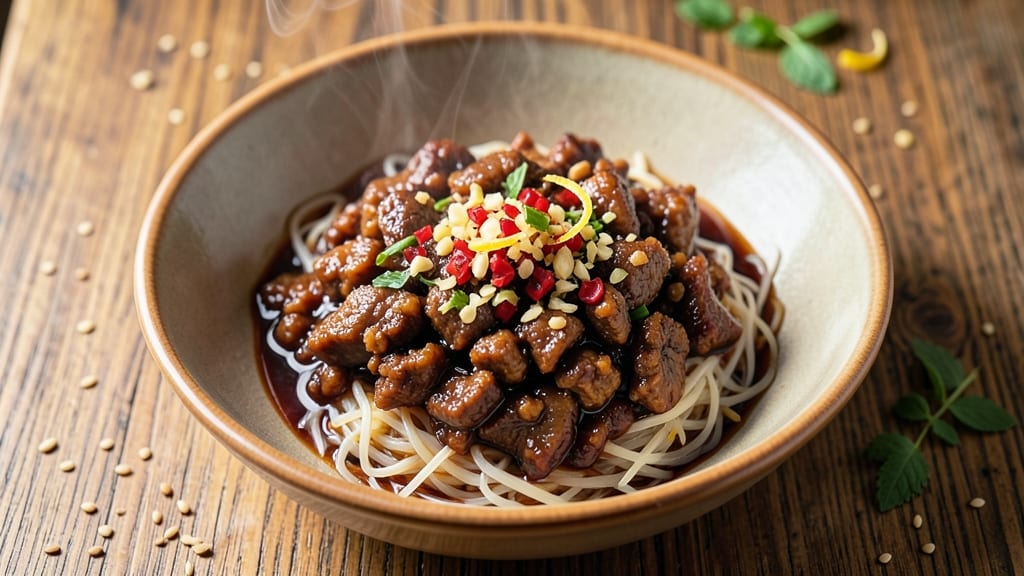
This bao bun beef filling recipe delivers the perfect silky, marbled texture that makes every bite irresistible. The secret lies in slow-cooking ground beef with aromatic ginger, soy sauce, and a touch of sugar until it develops that signature glossy sheen and tender, melt-in-your-mouth consistency.
What sets this apart is the precise balance of flavors—savory, slightly sweet, and umami-rich—that transforms ordinary beef into something restaurant-quality.
The technique is straightforward but critical: simmering the beef with ginger, garlic, and star anise until it breaks down just enough to create those coveted marbled streaks. This filling is designed to pair perfectly with steamed bao buns, though you can also pan-fry them for a crispy exterior.
The dough itself is simple to make or can be substituted with gluten-free options, ensuring everyone at the table can enjoy these handheld delights.
By the time you finish, you'll have a batch of beef filling that's rich, aromatic, and ready to be wrapped in soft bao dough. Each bite delivers a harmonious blend of textures—tender beef, fragrant aromatics, and a subtle sweetness that lingers.
Whether serving as a snack, appetizer, or part of a larger meal, this recipe guarantees a crowd-pleaser that's both impressive and approachable.
For best results, use high-quality ground beef and let the filling rest before wrapping. This allows the flavors to meld fully, ensuring every bao bun tastes as delicious as the first. Let's get started on creating these irresistible bites!
Ingredients for bao bun beef filling
High-quality beef and aromatic spices come together for irresistible bao bun filling.
| Ingredient | Amount | Notes |
|---|---|---|
| Ground Beef (Chuck or Brisket) 🥩 | 1 ½ lb | 80% lean, finely ground for marbling |
| Fresh Ginger 🌿 | 2 tbsp | Finely grated, aromatic variety |
| Garlic Cloves 🧄 | 4 cloves | Minced, for aromatic depth |
| Light Soy Sauce 🍶 | ½ cup | Kikkoman preferred for balance |
| Dark Soy Sauce 🍶 | 1 tbsp | For rich color and depth |
| Granulated Sugar 🍚 | 1 tbsp | Balances savory and sweet |
| Star Anise Pods 🌟 | 2 whole | Crushed lightly for aroma |
| Sesame Oil 🫒 | 1 tbsp | Toasted for nutty richness |
| Shaoxing Wine (or Dry Sherry) 🍷 | 2 tbsp | Substitute with dry red wine |
| Vegetable Oil 🫒 | 1 tbsp | For high-heat searing |
| Cornstarch 🌾 | 1 tbsp | For silky texture |
| Salt 🧂 | ½ tsp | Diamond Crystal preferred |
| Black Peppercorns 🌶️ | ¼ tsp | Freshly cracked for heat |
The beef is everything here—chuck or brisket gives that melt-in-your-mouth texture. Grab 80% lean ground beef from the butcher section (not pre-packaged) for the best marbling. Fresh ginger and garlic? Whole Foods or Asian markets usually have the best quality—look for bright, firm ginger with no wrinkles. Star anise is key for that signature aroma, but if you're in a pinch, a pinch of cinnamon works (though it's not the same). For soy sauce, Kikkoman light and dark are my go-tos—they're widely available and balanced perfectly.
No Shaoxing wine? Dry red wine like Cabernet Sauvignon works just fine—just make sure it's not too sweet. Swapping sesame oil? Toasted peanut oil gives a similar nutty depth. The cornstarch is non-negotiable for that silky texture—don't skip it. If you're making a big batch, double the spices but keep the beef-to-liquid ratio the same. For extra richness, add a splash of hoisin sauce (about 1 tbsp), but don't go overboard or it'll overpower the delicate balance.
This filling keeps beautifully—3 days in the fridge sealed in an airtight container. For longer storage, freeze in 1-tbsp portions (per bao bun) for up to 3 months. Thaw overnight in the fridge before using. Pro tip: Let the filling rest for 10 minutes after cooking—this lets the flavors meld and makes wrapping so much easier. If you're prepping ahead, cook the filling a day in advance for even deeper flavor development.
Why You'll Love This Recipe
- No-Chop Nightmare: I swear by this recipe when I’m too tired to mince ginger or garlic. Just grate the ginger (no knife needed) and smash the garlic cloves—done. The beef browns in minutes, and the soy sauce caramelizes without fuss. (Yes, even on a Tuesday night.)
- Umami Bomb: That combo of light and dark soy sauce? It’s like a flavor shortcut. The dark soy adds a deep, almost smoky richness while the light keeps it bright—plus, the fresh ginger cuts through the beef’s richness without overpowering it. Honestly, it’s the kind of taste that makes you pause mid-bite.
- Stealth Meal Prep: This filling keeps perfectly for days in the fridge, so I make a big batch and use it for bao, lettuce wraps, or even stuffed peppers later. No weird textures—just tender, flavorful beef that reheats like a dream. (My freezer-burned leftovers finally have a second chance.)
- Budget Powerhouse: Ground chuck or brisket stretches far with this recipe—way more filling than store-bought versions. I’ve fed four people for under $10, and the leftovers? Still crave-worthy. Between us, this is my go-to when I need to impress guests without breaking the bank.
Step-by-step instructions for bao bun beef filling
This silky, aromatic filling delivers perfect texture and flavor every time.
Prepare the Aromatics and Marinate the Beef
In a medium mixing bowl, combine the 1.5 lb ground beef (chuck or brisket), 2 tbsp finely grated fresh ginger, 4 minced garlic cloves, 0.5 cup light soy sauce, 1 tbsp dark soy sauce, 1 tbsp granulated sugar, 2 lightly crushed star anise pods, and 2 tbsp shaoxing wine (or dry sherry). Using your hands, gently work the mixture until the aromatics are evenly distributed throughout the beef. This step ensures every bite carries that signature soy-ginger depth.
The star anise adds subtle anise notes that complement the ginger beautifully. Don't overmix—just enough to combine. Let the mixture rest at room temperature for 15 minutes while you prepare the next components. This brief marinating time allows the flavors to meld without making the beef tough.
Cook the Beef Until Fully Browned
Heat 1 tbsp vegetable oil in a large skillet over medium-high heat until shimmering. Add the beef mixture in even portions, spreading it out to create a single layer. Cook undisturbed for 3-4 minutes until the bottom develops a deep golden-brown crust. This crust is crucial—it adds texture and prevents the filling from becoming too tender when steamed later.
Use a wooden spoon to gently break up the beef as it cooks, but avoid over-stirring which can make the filling dense. The goal is to create small, marbled pieces that will stay cohesive when stuffed into bao buns. If the mixture feels too dry, add 1-2 tablespoons of water to help bind it together.
Build the Silky Sauce Base
Push the cooked beef to one side of the skillet and add 1 tbsp sesame oil to the empty space. Allow it to heat for 30 seconds until fragrant, then pour in 1 tbsp cornstarch mixed with 2 tablespoons of water. Stir vigorously for 1-2 minutes until the sauce thickens to a glossy, velvety consistency—this is what gives bao bun filling its signature silky texture.
Return the beef to the sauce and combine thoroughly. The mixture should coat evenly, with the cornstarch slurry creating a smooth, glossy finish. Taste and adjust seasoning with 0.5 tsp salt and 0.25 tsp freshly cracked black peppercorns. The filling should be rich, slightly sweet, and deeply savory with a hint of spice from the peppercorns.
Finish and Rest the Filling
Remove the skillet from heat and let the filling cool slightly for 5 minutes. This resting period allows the flavors to fully develop and the cornstarch to set properly, preventing the filling from becoming too runny when steamed later. Transfer the filling to a clean bowl and cover with plastic wrap, pressing it directly against the surface to create an even layer.
Refrigerate for at least 1 hour before using. This chilling step is essential—it firms up the filling so it holds its shape when stuffed into bao buns. The texture should be smooth, slightly sticky, and ready to be rolled into perfect cylinders. For best results, use the filling within 24 hours, though it can be refrigerated for up to 3 days.
Pro Tips For Making Bao Bun Beef Filling
- BREAK THE GINGER: Use a microplane or fine grater for ginger—no peeling needed. I learned this the hard way after chopping it into uneven bits that burned before releasing their flavor. The skin adds subtle bitterness that balances the beef’s richness.
- SALVAGE THE GARLIC: Smash those cloves with the flat side of your knife before mincing—it prevents clumping and ensures even cooking. I was skeptical until I tried it; now I never go back to chopping whole.
- STOP STIR-FRYING, START SEARING: Cook the beef in one batch over high heat until deeply browned, then push it aside before adding aromatics. Crowding the pan steams the meat instead of building that Maillard crust that makes bao filling taste restaurant-worthy.
- DARK SOY SAUCE LAST: Add dark soy sauce in the final 30 seconds—it burns fast and turns bitter if you mix it in too early. I used to dump it all at once and wondered why my filling tasted off until I realized the timing mattered.
Creative variations of this recipe
Spicy Sichuan Style
Transform your bao filling into a fiery Sichuan sensation by adding 1 tbsp chili bean paste (Lao Gan Ma) and 1 tsp Sichuan peppercorns during the marinating stage. For extra heat, stir in ½ tsp doubanjiang with the soy sauces.
The numbing-spicy kick from Sichuan peppercorns elevates the dish to new heights—just be sure to toast the peppercorns first for 30 seconds in a dry pan to release their aromatic oils. 🌶️
Sweet and Sticky
Craving something sweeter? Swap the 1 tbsp granulated sugar for 2 tbsp brown sugar and add 1 tbsp hoisin sauce to the filling. For a sticky finish, mix in 1 tbsp honey with the cornstarch slurry.
This variation works especially well with pan-fried bao buns, where the caramelized exterior contrasts beautifully with the sweet-savory filling.
Mushroom and Shiitake
Add earthy depth by sautéing ½ cup finely chopped shiitake mushrooms with the garlic and ginger. Pulse them in a food processor for 2 seconds to create a fine texture that blends seamlessly.
The mushrooms absorb the soy sauce beautifully, adding umami richness without overpowering the beef. For extra luxury, use dried shiitakes rehydrated in Shaoxing wine—the concentrated flavor is unbeatable. 🍄
Gluten-Free Adaptation
To make the filling gluten-free, replace the soy sauces with ½ cup coconut aminos and 1 tbsp gluten-free tamari. Use 1 tsp xanthan gum in place of cornstarch to achieve that silky texture.
For wrapping, opt for gluten-free bao dough made with rice flour and tapioca starch. The filling will still hold its shape beautifully while keeping the dish inclusive for gluten-sensitive diners.
Herb-Infused Twist
Brighten the filling with fresh herbs by stirring in 2 tbsp chopped cilantro and 1 tbsp Thai basil at the very end. For a more robust flavor, add 1 tsp fish sauce to the marinade.
These herbs add a refreshing contrast to the rich beef, making each bite feel lighter while still delivering deep flavor. Pair with a drizzle of chili oil for a restaurant-quality finish.
Nutrition facts
Frequently asked questions
Can I use ground beef from the grocery store package?
For the best texture, use 80% lean chuck or brisket ground beef from the butcher section—not pre-packaged. The higher fat content creates those coveted marbled streaks when cooked. If you must use packaged beef, look for "ground chuck" labeled specifically for Asian dishes.
What if my filling is too dry or crumbly?
Add 1-2 teaspoons of water or a splash of Shaoxing wine while cooking, then stir in ½ teaspoon more cornstarch mixed with 1 teaspoon water to rebind. The filling should be moist but still hold its shape when chilled. If it's still crumbly, let it rest 30 minutes longer before wrapping.
How do I store leftover filling?
Transfer to an airtight container and refrigerate for up to 3 days. For longer storage, freeze in 1-tablespoon portions (per bao bun) for up to 3 months. Thaw overnight in the fridge—never at room temperature—to preserve texture. The filling reheats beautifully in the microwave for 20 seconds before wrapping.
Can I make this filling ahead of time?
Cook the filling 1-2 days in advance for even deeper flavor development. Store it refrigerated and bring to room temperature before wrapping. The longer it rests, the more the flavors meld together. For parties, make the filling the night before—it tastes better after resting!
What's the best way to test if the filling is ready?
Drop a small spoonful into ice water for 10 seconds. If it holds its shape and feels slightly firm but still tender, it's perfect. The filling should be glossy with visible marbling—not dry or sticky. Taste it! It should be rich, slightly sweet, and aromatic with all the spices balanced.