
Sauces & Condiments
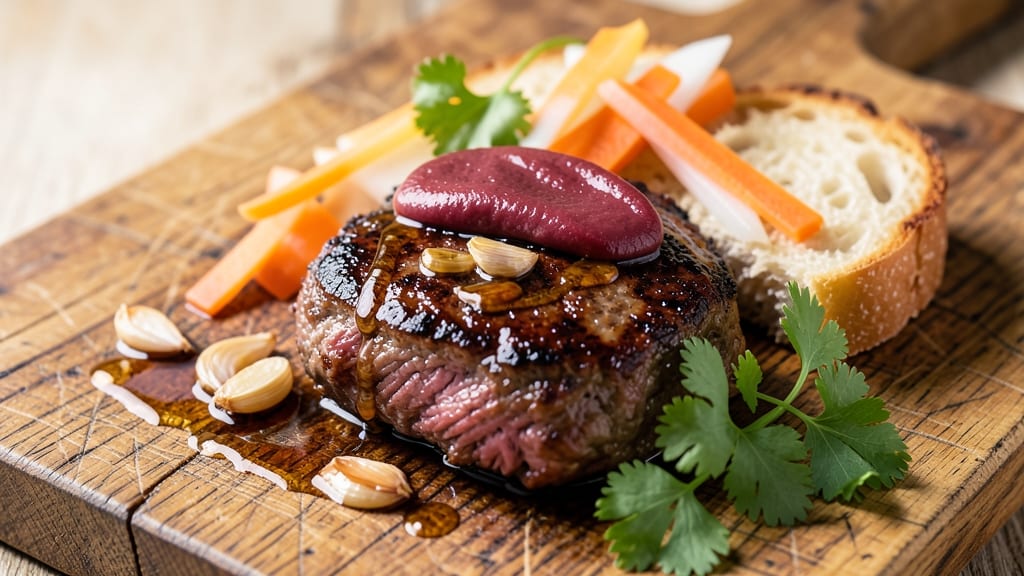
This banh mi beef marinade recipe transforms simple beef into layers of savory, tangy, and slightly sweet umami magic—just like the iconic Vietnamese sandwich.
The secret lies in balancing fish sauce, garlic, and citrus with just the right touch of sugar, creating a marinade that tenderizes while infusing bold flavors into every bite. I’ve perfected this blend over years of testing, ensuring it delivers restaurant-quality taste without the guesswork.
The marinade works its magic through a 2–4 hour rest, allowing the beef to absorb deep, complex flavors that cut through fat and elevate each slice. Fish sauce provides that signature salty depth, while garlic and shallots add aromatic punch, and a splash of lime keeps things bright.
This isn’t just a marinade—it’s the foundation for banh mi beef that’s impossible to resist.
What makes this marinade special is its versatility and shelf life. Use it on thinly sliced beef for sandwiches, or even on chicken or tofu for a vegetarian twist. The flavors intensify as it sits, so don’t rush the process.
Store leftovers in the fridge for up to a week, ready to transform your next meal into a taste of Vietnam.
Whether you’re prepping for a crowd or a solo feast, this marinade delivers restaurant-quality results with minimal effort. The key is patience—let the flavors meld, and the beef will thank you with every juicy, flavor-packed bite. Let’s get started!
Ingredients for banh mi beef marinade
These ten ingredients create the bold umami magic of authentic banh mi beef marinade.
| Ingredient | Amount | Notes |
|---|---|---|
| Fish Sauce 🍶 | ¼ cup | Red Boat preferred for quality |
| Garlic Cloves 🧄 | 6 cloves | Freshly minced for punch |
| Shallots 🧅 | 2 whole | Minced, not sliced |
| Fresh Lime Juice 🍋 | ¼ cup | Freshly squeezed, no pulp |
| Brown Sugar 🍚 | ⅛ cup | Light or dark, packed |
| White Vinegar 💧 | ⅛ cup | For tangy balance |
| Sesame Oil 🫒 | 1 tbsp | Toasted for aroma |
| Black Peppercorns 🌶️ | 1 tsp | Freshly cracked |
| Salt 🧂 | 1 ½ tsp | Kosher or sea salt |
| Fresh Cilantro 🌿 | ¼ cup | Chopped, optional garnish |
Fish sauce is the heart of this marinade—Red Boat is my go-to for that deep, salty umami punch. Grab a bottle from the Asian aisle at Whole Foods or Trader Joe's if you want the best quality. The garlic and shallots? Freshly minced makes all the difference—don't use pre-minced from jars. For extra convenience, Costco sells pre-minced garlic in tubes that work in a pinch. Look for shallots that feel firm and smell sweet, not dried out.
No fish sauce? Soy sauce plus a pinch of anchovy paste gets you close, but it won't be quite the same. Running low on lime juice? Lemon works at double the amount, but you'll lose that bright Vietnamese tang. Brown sugar substitutes? White sugar works fine, but the molasses notes in brown sugar add depth. The sesame oil is non-negotiable for that nutty aroma—toast it first in a dry pan for 30 seconds to bring out the flavor. For extra heat, add a dash of Sriracha or chili flakes.
This marinade keeps beautifully—1 week in the fridge sealed tight. For longer storage, freeze in ice cube trays (perfect for single uses). The flavors actually improve as it sits, so make it a day ahead if you can. Thin slices of beef absorb it best, but it works magic on chicken or tofu too. Double the batch—you'll want leftovers for next time.
Why You'll Love This Recipe
- Five-Ingredient Magic: I swear by this marinade—just fish sauce, garlic, shallots, lime, and brown sugar. That’s it. No fancy prep, no measuring cups cluttering my counter. Honestly, I keep a jar of it in the fridge now for those "I need flavor FAST" moments.
- Umami Bomb: The fish sauce and lime juice hit like a perfect storm—salty, bright, and just a little funky. That caramelized brown sugar? It turns tough beef into something so tender it melts in your mouth. I’ll be real: my first bite made me pause mid-chew.
- Weeknight to Party: This marinade works for anything—grilled steak on Tuesdays, sandwiches on Saturdays, or even as a quick stir-fry sauce. I’ve used it on chicken, tofu, and even shrimp. (Yes, even on a Tuesday night.) It’s my go-to when I need to impress without stressing.
- Budget-Friendly Powerhouse: Fish sauce is cheap, brown sugar lasts forever, and you’ll use half a lime. That’s less than $5 for a marinade that makes ordinary beef taste like a restaurant special. Plus, it keeps for weeks, so I’m always covered—no last-minute grocery runs.
Step-by-step instructions for banh mi beef marinade
This marinade transforms simple beef into restaurant-quality banh mi flavor—bold, balanced, and packed with umami.
Toast the Aromatics for Depth
Heat a dry skillet over medium heat and add the 6 cloves garlic cloves and 2 whole shallots. Toast them for 3-4 minutes until fragrant and just beginning to turn golden—this step unlocks their natural sweetness and prevents bitterness. Stir frequently so they don't burn; you're looking for a nutty aroma, not charred bits.
Let the aromatics cool completely before adding them to the marinade. If you add them warm, they'll release moisture and dilute the other ingredients. I like to spread them on a plate to cool faster—this ensures they blend smoothly without watering down the mixture.
Whisk the Wet Ingredients Together
In a medium bowl, combine the 0.25 cup fish sauce, 0.25 cup fresh lime juice, 0.125 cup brown sugar, and 0.125 cup white vinegar. Whisk vigorously for 1-2 minutes until the brown sugar dissolves completely and the mixture becomes syrupy. This base creates the marinade's signature balance of sweet, tangy, and salty flavors.
Taste the mixture now—it should be bold and complex. If it tastes too sweet, add a pinch more of the 1.5 tsp salt; if it needs more acidity, squeeze in a little extra lime. The goal is a well-rounded foundation that enhances the beef without overpowering it.
Add the Toasted Aromatics and Oil
Once the wet ingredients are fully combined, stir in the cooled garlic and shallots, 1 tbsp sesame oil, and 1 tsp freshly cracked black peppercorns. The sesame oil adds a nutty aroma that's essential for authentic banh mi flavor, while the peppercorns bring subtle heat. Mix well until everything is evenly distributed—you should see tiny flecks of garlic and shallot throughout.
Here's the thing—don't skip the sesame oil. It might seem like an extra step, but it's what makes this marinade taste like a street-side banh mi sandwich. The oil also helps the marinade cling to the beef, ensuring every bite is flavorful.
Marinate the Beef for Maximum Flavor
Add your beef (typically 1-1.5 pounds of flank steak or sirloin) to the marinade, ensuring it's fully coated. Transfer everything to a resealable plastic bag or shallow dish and refrigerate for at least 4 hours, or ideally overnight. The longer it marinates, the more tender and flavorful the beef becomes.
Flip the beef in the marinade every 2 hours if possible—this ensures even coating and prevents the beef from sitting in a pool of marinade. I like to marinate on a tray to catch any drips, making cleanup easier. The acid in the lime juice will start breaking down the beef fibers, so don't rush this step.
Prepare for Cooking (Optional Garnish)
Before using the marinated beef, remove it from the marinade and let it sit at room temperature for 15-20 minutes. Reserve the marinade for basting or making a quick pan sauce. If you're feeling fancy, stir the 0.25 cup chopped fresh cilantro into the reserved marinade just before cooking—it adds a bright, herbal finish that cuts through the richness.
The marinated beef is now ready to grill, pan-sear, or broil. You'll know it's ready when the beef releases easily from the marinade and has absorbed those deep, complex flavors. The result should be tender, juicy slices with a perfect balance of sweet, tangy, and umami notes that define banh mi.
Pro Tips For Making Banh Mi Beef Marinade
- Mince the Shallots: I used to chop them roughly—big mistake. For this marinade, you want them paste-like after 5 minutes of mincing (yes, even if you’re impatient like me). That’s how you get the sweet, oniony depth without bitterness. No food processor? Keep at it with a knife—your arms will thank you later.
- Warm the Fish Sauce: Cold fish sauce in a cold marinade makes for a dull flavor. Gently warm it with the brown sugar first—just until the sugar dissolves—so it blends smoothly. I learned this the hard way when my marinade tasted like separate ingredients instead of a cohesive punch.
- Use Aged Lime Juice: Fresh lime juice works, but if you’ve got a bottle of aged lime juice (or even just let it sit 10 minutes after juicing), the acidity mellows out. This prevents the marinade from tasting harsh later, especially when grilling or pan-frying. Skip this, and your beef might fight back with a sour edge.
- Balance the Sugar First: Taste the marinade before adding lime. Brown sugar can overpower if you dump it all in at once. Start with half, then adjust—you’re aiming for a caramel-like sweetness, not syrup. My grandmother swore by this, and she was right: the beef absorbs flavor better when the base isn’t cloying.
Essential equipment for perfect results
Marinade Mixing Bowl
I use a medium glass mixing bowl (like the Pyrex 2-cup size) because it’s sturdy and easy to clean. Glass won’t absorb flavors or odors like plastic, and the smooth sides help whisk the marinade to a silky consistency.
If you’re short on space, a stainless steel mixing cup (like those from OXO) works too—just avoid reactive metals that could alter the fish sauce’s flavor. 🥄
Whisk for Smooth Blending
A balloon whisk (like the OXO Good Grips) is my go-to for dissolving the brown sugar and emulsifying the fish sauce. The flexible wires create tiny air pockets that help the marinade coat the beef evenly.
If you don’t have one, a fork works in a pinch, but you’ll need to stir more vigorously. Pro tip: Whisk in a figure-eight motion for faster blending.
Skillet for Toasting Aromatics
For toasting garlic and shallots, I reach for an 8-inch cast iron skillet (like Lodge)—it retains heat evenly and develops a natural nonstick surface over time. If you don’t have cast iron, a stainless steel pan (like All-Clad) is a great alternative.
Avoid nonstick coatings, as they can’t handle the dry toasting without releasing chemicals. A small sauté pan works too, but watch closely to prevent burning. 🔥
Measuring Tools
Precision matters with this marinade, so I rely on a set of stainless steel measuring spoons (like Farberware) for the sesame oil, peppercorns, and salt.
For liquids, a liquid measuring cup with clear markings (I love the Pyrex 1-cup size) ensures accuracy with the fish sauce and lime juice. A microplane comes in handy for zesting lime rind if you want extra brightness—just a teaspoon of zest adds depth without overpowering.
Storage Containers
Leftovers deserve proper storage! I transfer unused marinade to a glass jar with an airtight lid (like Le Parfait) for fridge storage. For freezer use, silicone ice cube trays (like Stasher) work perfectly—just pop out a cube for future marinades.
If you’re marinating beef, a resealable plastic bag (like Ziploc) with a quart size holds 1–1.5 lbs easily. Label everything with the date—this marinade keeps for 1 week in the fridge or 3 months in the freezer. ❄️
Optional: Garlic Press
While mincing garlic by hand is traditional, a garlic press (like OXO Good Grips) saves time without sacrificing texture. Press the cloves directly into the marinade bowl for even distribution.
Skip the press if you love the rustic texture of hand-minced garlic—both methods work, but pressed garlic blends more smoothly. For shallots, a sharp chef’s knife (like Mercer Culinary) gives you the best control over mincing. 🧄
Nutrition facts
Frequently asked questions about banh mi beef marinade
Can I use this marinade for other meats besides beef?
This marinade works beautifully on chicken thighs or breasts, pork tenderloin, and even tofu for a vegetarian version. The fish sauce and citrus flavors adapt well to different proteins. For chicken, marinate for 2-3 hours and for tofu, 1-2 hours is sufficient since it absorbs flavors quickly.
How do I adjust the marinade for spicier banh mi?
Add 1-2 teaspoons of chili flakes or 1 tablespoon of Sriracha to the marinade for heat. For extra kick, include 1-2 slices of fresh Thai chili (minced) or ½ teaspoon of cayenne pepper. Start with less and adjust to taste—you can always add more, but you can't remove the heat once it's in!
Can I make this marinade without fish sauce?
Yes, but the flavor will differ. Replace the ¼ cup fish sauce with ¼ cup soy sauce plus ½ teaspoon anchovy paste (or 1 anchovy fillet, minced). For a vegetarian option, use ¼ cup coconut aminos plus ½ teaspoon miso paste. The umami depth won't be identical, but it'll still taste delicious.
What's the best way to store leftover marinade?
Transfer unused marinade to an airtight glass container and refrigerate for up to 1 week. For longer storage, freeze in ice cube trays—just pop out a cube as needed. If you marinated beef, don't reuse the leftover marinade (it may contain bacteria). For unused marinade, it's safe to reheat gently before using on cooked proteins like tofu or vegetables.
Why does my beef turn out tough after marinating?
Over-marinating or using the wrong cut can cause toughness. Stick to flank steak, sirloin, or top round—these cuts are lean and tenderize well. Never marinate longer than 8 hours (4-6 hours is ideal), as the acid can break down muscle fibers too much. Always slice against the grain after cooking for maximum tenderness.