
Soups & Stews
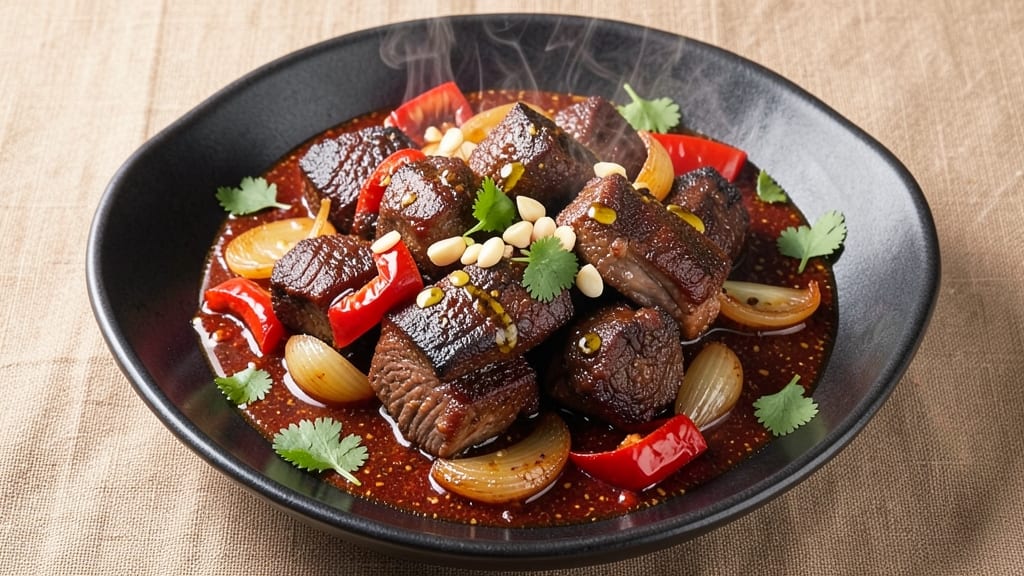
This Bangladeshi Chinese beef chili recipe blends bold spices with deep umami flavors, creating a one-pot wonder that marries two culinary traditions. The secret lies in balancing fiery chili heat with sweet soy notes, while slow-cooked beef develops rich, tender layers.
What makes this dish special is the fusion technique—wok-hei from stir-frying meets the depth of South Asian spice blends, all in a single pot.
The recipe begins with a marinade that tenderizes the beef while infusing it with garlic, ginger, and chili powder. As the beef cooks, the spices caramelize, releasing aromatic compounds that transform simple ingredients into something extraordinary.
The result is a dish that’s hearty enough for a weeknight dinner but complex enough to impress guests.
By the end, you’ll have a pot of deeply flavorful beef chili with a glossy, slightly sticky sauce that clings to every bite. The aroma alone—smoky, spicy, and sweet—will have everyone at the table reaching for seconds. This recipe delivers restaurant-quality fusion food without requiring specialized equipment.
Serve it with steamed jasmine rice to soak up the rich sauce, or pair it with crispy naan for a textural contrast. The leftovers reheat beautifully, making this an ideal meal for busy weeknights or meal prep. Let’s get cooking!
Ingredients for bangladeshi chinese beef chili
Bold spices, tender beef, and sweet-savory fusion—here's what brings this dish to life.
| Ingredient | Amount | Notes |
|---|---|---|
| Chuck Roast 🥩 | 1 ½ lb | Cut into 1.5-inch cubes for even cooking |
| Soy Sauce 🍶 | ½ cup | High-quality light soy preferred |
| Garlic Cloves 🧄 | 6 cloves | Minced finely for aromatic depth |
| Fresh Ginger 🌿 | ½ cup | Finely grated, skin on for texture |
| Red Chili Powder 🌶️ | 2 tbsp | Smoked paprika adds depth |
| Ground Cumin 🌿 | 1 ½ tbsp | Toasted for enhanced aroma |
| Brown Sugar 🍯 | 2 tbsp | Balances heat with sweetness |
| Tomato Paste 🍅 | ¼ cup | High-quality canned preferred |
| Beef Broth 💧 | 1 ½ cups | Low-sodium for flavor control |
| Onion 🧅 | 1 whole | Yellow or red, diced small |
| Green Bell Pepper 🌶️ | 1 whole | Diced, for fresh crunch |
| Sesame Oil 🫒 | 1 tbsp | Toasted sesame for nutty aroma |
| Black Peppercorns 🌶️ | 1 tsp | Freshly cracked for heat |
| Salt 🧂 | 1 ½ tsp | Kosher or sea salt |
| Cornstarch 🌾 | 1 tbsp | For thickening sauce |
The beef is the foundation—chuck roast delivers that melt-in-your-mouth texture when cooked low and slow. Look for well-marbled cuts at Whole Foods or your local butcher for optimal flavor. Fresh ginger and garlic are non-negotiable here; frozen won't cut it. For the spices, Penzeys Spices or bulk bins at Trader Joe's offer the freshest, most aromatic options. The tomato paste should be San Marzano if you're willing to splurge—its sweetness elevates the dish significantly.
No chuck roast? Brisket or flank steak works in a pinch, but slice against the grain for tenderness. Substitute low-sodium soy sauce if needed, but taste as you go—some brands are saltier than others. Fresh ginger too pungent? Ginger powder at half the amount gets you close. The sesame oil is crucial for that authentic wok-hei aroma; toasted sesame oil from Asian markets is ideal. For a quicker version, use pre-minced garlic and ginger from the refrigerated section, though fresh is always better.
This chili develops deeper flavor overnight—make extra and store in airtight containers for up to 5 days in the fridge. Freezes beautifully for 3 months; portion into individual servings before freezing. The sauce thickens as it cools, so add a splash of beef broth if it's too stiff when reheating. Serve with jasmine rice or crispy naan to balance the rich, spicy flavors.
Why You'll Love This Recipe
- One-Pot Magic: I swear by this recipe when I’m too tired to wash a million dishes. Chuck roast and soy sauce simmer together until the meat falls apart—just add rice and call it dinner. No strainers, no extra pans, just pure, sticky, satisfying goodness.
- Deep Umami Bomb: That combo of garlic, ginger, and chili powder? It’s like a flavor grenade. The soy sauce caramelizes into a glossy, savory glaze while the chili powder adds just enough heat to wake up every bite—rich, smoky, and impossible to resist.
- Weeknight Workhorse: Between us, this feeds a crowd or fuels my lunchbox for days. I make a big batch on Sundays, and by Wednesday, I’m still eating it—over rice, in wraps, or straight from the pot. The chuck roast gets tenderer with reheating, so leftovers actually taste better.
- Budget Flex: A chuck roast stretches for meals, and soy sauce plus spices cost pennies. Honestly, I’ve served this to guests who swear it’s from a fancy restaurant, but my wallet stays happy. Plus, the longer it cooks, the more flavorful it gets—so it’s basically free money in a pot.
Step-by-step instructions for Bangladeshi Chinese beef chili
This fusion dish delivers bold flavors through precise technique—follow these steps for perfect balance.
Prepare the Aromatic Base
Heat the 1 tablespoon sesame oil in a large Dutch oven over medium-high heat. Add the 1 whole onion and 1 whole green bell pepper, both diced, and sauté for 5-6 minutes until softened and beginning to caramelize. The onions should turn translucent while the peppers develop a slight char—this builds deep flavor.
Add the 6 cloves garlic cloves and 0.5 cup fresh ginger (finely grated) to the pot. Cook for 1-2 minutes until the garlic turns golden and the ginger releases its aromatic oils. Be careful not to burn the garlic—it should smell intensely fragrant but not bitter. Stir constantly during this final minute to prevent scorching.
Develop the Spice and Meat Mixture
Push the vegetables to one side of the pot and add the 1.5 lb chuck roast (cut into 1.5-inch cubes) to the empty space. Let the meat sear undisturbed for 3-4 minutes until it develops a deep brown crust. This step is crucial for locking in flavors—don't stir too soon or the meat will release before browning properly.
Once the meat is browned, sprinkle evenly with 2 tablespoons red chili powder, 1.5 tablespoons ground cumin, 1.5 teaspoons salt, and 1 teaspoon black peppercorns (freshly cracked). Stir to coat the meat completely, allowing the spices to toast for 1-2 minutes until fragrant. This creates the signature fusion of Chinese heat and Bangladeshi earthiness.
Build the Sauce Foundation
Pour in the 0.5 cup soy sauce and 2 tablespoons brown sugar, stirring to dissolve the sugar completely. Add the 0.25 cup tomato paste and mix well, scraping up any browned bits from the bottom of the pot. These bits pack intense umami flavor that forms the chili's rich base.
Gradually add the 1.5 cups beef broth, stirring constantly to combine all ingredients. Bring the mixture to a gentle simmer over medium heat, then reduce to low heat. Partially cover the pot and let it cook for 45-50 minutes, stirring occasionally, until the beef is tender enough to pierce with a fork. The sauce should thicken slightly as it reduces.
Finish with Cornstarch Slurry
In a small bowl, whisk together the 1 tablespoon cornstarch with 2 tablespoons cold water to create a smooth slurry. Stir this mixture into the chili pot, increasing the heat to medium for 2-3 minutes until the sauce thickens to a glossy consistency. The chili should coat the back of a spoon without being gluey.
Taste and adjust seasoning—you may need an additional ½ teaspoon salt or ½ teaspoon red chili powder to balance the flavors. The chili should be rich, slightly sweet from the brown sugar, and deeply spiced with a perfect balance of heat and umami. Let it rest for 5 minutes before serving to allow flavors to meld completely.
Pro Tips For Making Bangladeshi Chinese Beef Chili
- SEAR THE CHUCK ROAST: Bangla-Chinese beef chili starts with a proper sear—don’t skip this. Cut the chuck roast into 1.5-inch chunks, pat them completely dry with paper towels (yes, even if they look dry), then hit a screaming-hot pan with oil. Let each piece develop a deep brown crust before touching it—this locks in flavor and prevents mushy meat later. I used to rush this, and the dish always tasted flat afterward.
- MINCE GINGER LIKE PASTE: Fresh ginger in this dish isn’t just chopped—it’s the backbone of the flavor. Use a microplane or the flat side of your knife to grind it into a fine paste (no visible chunks). Add it to the pan after the garlic sizzles but before the soy sauce hits—this way, it infuses slowly without burning. I learned this the hard way when my first batch tasted like ginger bits instead of ginger essence.
- LOW AND SLOW AFTER SEARING: Once the soy sauce and spices hit the pan, lower the heat immediately—this isn’t stir-fry, it’s a slow-cooked chili. Let it simmer uncovered for 45–60 minutes, stirring occasionally, until the sauce reduces to a glossy, thick consistency. The meat should fall apart easily; if it’s still tough, add 2 tablespoons of water and keep it going. I used to crank the heat, and the sauce turned bitter every time.
- SAVE TIME WITH FROZEN GARLIC: Fresh garlic is ideal, but frozen minced garlic (thawed) works in a pinch—just drain it well. Toss it in after the ginger paste so it doesn’t burn. For extra depth, add 1 teaspoon of garlic powder with the red chili powder at the start. It’s not cheating; it’s insurance against uneven cooking. I skip this when I’m confident, but the dish is noticeably better when I don’t.
Make-ahead tips for bangladeshi chinese beef chili
Marinating for Tenderness
For next-day prep, marinate the beef cubes overnight in a mix of ¼ cup soy sauce, 1 tbsp brown sugar, 1 tbsp red chili powder, 1 tsp ground cumin, and 1 minced garlic clove.
Store in an airtight container in the fridge—this jumpstarts the flavor infusion and ensures melt-in-your-mouth texture. I use a glass Pyrex container because it keeps aromas contained better than plastic. 🌶️
Slow-Cooker Adaptation
Make this chili hands-off by using a 6-quart slow cooker on low for 8 hours. After searing the beef in a skillet (as in Step 2), transfer everything to the slow cooker with all ingredients except the cornstarch slurry.
Thicken the sauce separately on the stovetop before mixing it back in. This method is perfect for busy days—just dump, cook, and enjoy. The slow cooker's gentle heat enhances the beef's tenderness without drying it out.
Freezer-Friendly Strategy
Portion the chili into quart-sized freezer bags, leaving 1-inch headspace for expansion. Seal tightly and lay flat to freeze—this prevents ice crystals from forming. Label each bag with the date; it stays fresh for up to 3 months.
When ready to eat, thaw overnight in the fridge, then reheat on the stovetop with 2 tbsp beef broth to restore moisture. The sauce thickens upon reheating, so add a splash of broth if needed. ❄️
Reheating Like a Pro
For best results, reheat on the stovetop over medium-low heat for 10-12 minutes, stirring occasionally. Avoid microwaving—it can make the sauce watery and dull the flavors. If the chili seems too thick after reheating, add 1-2 tbsp beef broth to loosen it.
Stir in a splash of toasted sesame oil (½ tsp) at the end to revive that wok-hei aroma. The chili tastes even better the second day as flavors meld further.
Prep Ahead Components
Pre-chop all vegetables and store them in separate ziplock bags in the fridge for up to 3 days. Measure out spices and store them in a small container with the label "Chili Spice Mix." This way, you can assemble the dish quickly when ready.
I also pre-mix the cornstarch slurry in a small jar—just shake and pour when needed. Having everything prepped means you can start cooking in under 10 minutes on busy weeknights. 💡
Serving Suggestions
Serve the chili with pre-cooked jasmine rice (steamed and kept warm in a rice cooker) or store-bought naan (reheated in a dry skillet for 1 minute per side). For extra convenience, prep rice or naan ahead and reheat in the microwave for 1-2 minutes before serving.
Garnish with sliced green onions or sesame seeds just before eating to keep everything fresh. The leftovers make great lunches—just reheat and enjoy! 🍚
Nutrition facts
Frequently asked questions
Can I substitute beef with another protein?
Yes! For a similar texture, try lamb shoulder or pork shoulder—both work well with the spice blend. Chicken thighs (bone-in) also work but need 20-25 minutes less cooking time. Avoid lean cuts like breast or sirloin—they dry out. For a vegetarian version, use extra-firm tofu pressed for 30 minutes and cubed, but reduce the cooking time to 15 minutes.
How can I adjust the spice level?
Start with the 2 tbsp red chili powder and taste before serving. For milder heat, reduce to 1 tbsp and add ½ tsp smoked paprika for depth. If you love spice, add ½ tsp cayenne pepper or 1 tbsp fresh chili flakes at the end. The soy sauce and brown sugar naturally balance heat, so adjust gradually.
What’s the secret to the perfect fusion flavor?
The magic lies in the sesame oil and soy sauce—they bridge Chinese umami with Bangladeshi warmth. Toast the cumin and chili powder for 30 seconds in the pot before adding beef to deepen their aroma. The tomato paste adds acidity, while brown sugar rounds out the heat. Don’t skip the cornstarch slurry—it thickens the sauce for that signature glossy finish.
Can I make this in an Instant Pot?
Sear the beef and vegetables as directed, then add all ingredients (except cornstarch) to the Instant Pot. Cook on high pressure for 25 minutes, then quick-release. Finish with the slurry on the sauté function for 2 minutes. The Instant Pot cuts cooking time by half while keeping flavors intense. For extra tenderness, add 1 cup extra beef broth.
Why does my chili taste bland?
Most likely, the spices weren’t toasted enough or the beef wasn’t seared properly. Always brown the meat deeply before adding spices, and toast spices in the pot for 30 seconds to wake up their flavors. If it’s still bland, stir in 1 tbsp fish sauce (for umami) or ½ tsp MSG (optional). A splash of toasted sesame oil at the end adds depth too.