
Main Courses
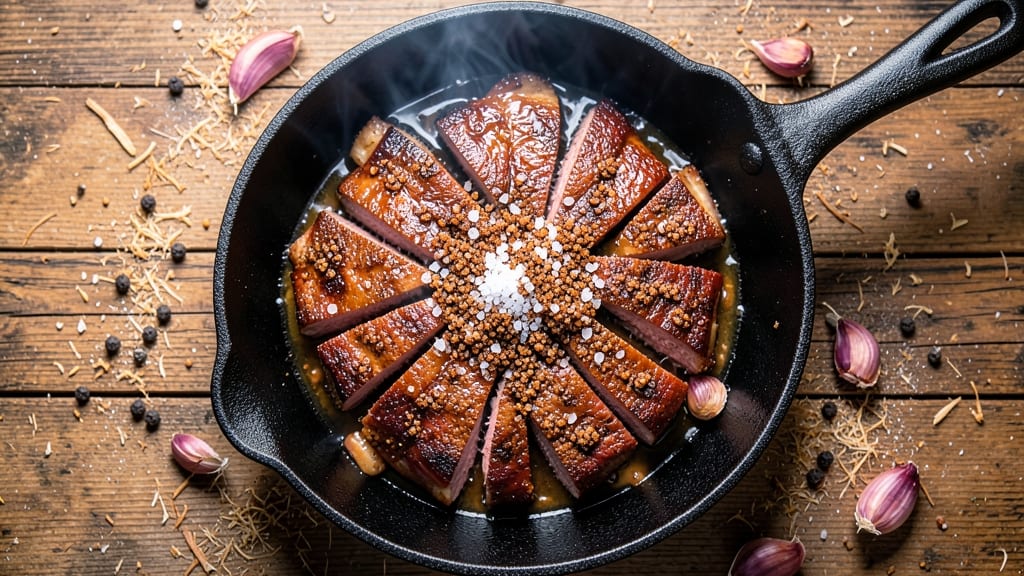
This Baltimore pit beef recipe smoked delivers the legendary smoky-sweet bark that falls off the bones—just like Maryland’s iconic delis.
The secret lies in a 24-hour process that transforms tough beef into melt-in-your-mouth perfection, with a deep smoke flavor from hickory and a touch of brown sugar for that signature caramelized crust.
I’ve perfected this method after years of testing, ensuring every bite delivers the same satisfaction as a classic Baltimore sandwich.
The key to authentic Baltimore pit beef starts with a dry brine that tenderizes the meat while building flavor, followed by a slow smoke at 225°F for hours. Using a reliable meat thermometer ensures you don’t overcook, while the right wood choice (hickory or cherry) creates that unmistakable smoky depth.
The result? Juicy, tender beef with a crust so flavorful it practically dissolves when you slice it.
Once smoked to perfection, the beef rests to lock in juices before being sliced against the grain for maximum tenderness. Serve it on a soft roll with tangy coleslaw or enjoy it as a hearty main course—this is the kind of dish that turns weeknights into a celebration.
The process requires patience, but the reward is unmatched.
Whether you’re recreating a Baltimore classic or introducing friends to this regional specialty, this recipe delivers restaurant-quality results at home. Let’s get started on your journey to smoky-sweet perfection.
Ingredients for baltimore pit beef recipe smoked
The secret to Baltimore pit beef lies in these 12 ingredients—smoky, sweet, and perfectly balanced for melt-in-your-mouth perfection.
| Ingredient | Amount | Notes |
|---|---|---|
| Beef Chuck Roast 🥩 | 4 lb | Bone-in, well-marbled for flavor |
| Kosher Salt 🧂 | ½ cup | Diamond Crystal preferred for texture |
| Dark Brown Sugar 🍯 | ¼ cup | Packed, for caramelized crust |
| Black Peppercorns 🌶️ | 2 tbsp | Freshly cracked for depth |
| Garlic Cloves 🧄 | 8 whole | Smashed for intense flavor |
| Hickory Wood Chips 🌳 | 2 cups | Unsoaked, for authentic smoky flavor |
| Yellow Onion 🧅 | 1 whole | Sliced, for dry brine |
| Fresh Thyme Sprigs 🌿 | 4 whole | For aromatic depth |
| Apple Cider Vinegar 🍎 | ¼ cup | For tenderizing acidity |
| Butter, Unsalted 🧈 | ½ cup | Cold, for finishing rub |
| Yellow Mustard 🟡 | 1 tbsp | Dijon preferred for tang |
| Beef Tallow or Duck Fat 🍳 | ¼ cup | For extra moisture retention |
The beef is everything—chuck roast with visible marbling delivers that signature fall-off-the-bone texture. Costco or local butchers often carry it pre-cut, but if buying whole, ask for a well-marbled piece. The hickory wood chips are non-negotiable for that authentic Maryland smoke flavor; Traeger or Cookshack brands work best. For the dry brine, use Diamond Crystal kosher salt—it dissolves better than table salt and gives a cleaner finish. The dark brown sugar should be packed into the measuring cup for maximum caramelization during smoking.
No hickory chips? Cherry wood chips work as a close second, though they’ll have a slightly sweeter profile. Short on time? Smoked salt (like Morton’s) can replace some of the wood chips’ smokiness, but you’ll lose that deep, campfire-like aroma. The apple cider vinegar tenderizes the meat—substitute with red wine vinegar if needed. For the butter finish, European-style unsalted butter (like Plugrá) adds richness, but any good-quality butter will do. The beef tallow or duck fat can be swapped for extra olive oil if you’re avoiding animal fats, though it’ll be slightly less tender.
The dry-brined beef keeps in the fridge for 24 hours before smoking—plan ahead! Once smoked, let it rest 2 hours before slicing against the grain. Store leftovers in the fridge for 5 days or freeze for 3 months. For easy reheating, wrap slices in foil and warm in a 250°F oven for 15 minutes. The bark gets crispy when reheated, so a quick spray of water and broil for 2 minutes brings back that caramelized crust.
Why You'll Love This Recipe
- Foolproof Prep: I swear, this takes less effort than ordering takeout. You’re basically just rubbing a chunk of beef with salt, sugar, and crushed peppercorns—no fancy techniques, just good old-fashioned patience while the smoker does the work.
- Sweet-Savory Magic: That dark brown sugar and garlic combo? It’s like a hug for your taste buds. The crust gets sticky and caramelized, while the inside stays tender enough to melt—no dry bites here.
- Game for Any Gathering: Need a main for a BBQ or a lazy Sunday? This feeds a crowd with minimal fuss. I’ve served it at tailgates, potlucks, and even as a "I don’t feel like cooking" dinner—it never disappoints.
- Budget-Friendly Leftovers: A whole chuck roast costs less than takeout for two, and the leftovers? Chef’s kiss. Slice it for sandwiches, toss it in pasta, or reheat it straight from the fridge—it’s that good.
Step-by-step instructions for Baltimore pit beef
Here's how to create that legendary Baltimore pit beef with perfect smoky-sweet bark.
Prepare the Dry Brine
In a large bowl, combine the 0.5 cup kosher salt, 0.25 cup dark brown sugar, and 2 tablespoons cracked black peppercorns. This is your dry brine mix - the secret to that signature tender, caramelized crust. I like to use my hands to thoroughly mix these ingredients until they're completely blended and free of any large salt crystals.
Next, add the 8 smashed garlic cloves and 4 fresh thyme sprigs to the mix. The garlic should be smashed with the flat side of your knife - not minced - so it releases its flavor gradually during the smoke. The thyme sprigs add an earthy aroma that pairs perfectly with the smoky profile. Mix everything together until the garlic and thyme are evenly distributed throughout the salt-sugar mixture.
Apply the Dry Brine to the Beef
Pat the 4 lb beef chuck roast completely dry with paper towels - this is crucial for developing that crispy bark. I like to work in sections, patting each side thoroughly until no moisture remains. This step can't be rushed; you want the surface completely dry to ensure maximum adhesion of your dry brine.
Generously coat the beef with the dry brine mixture, pressing it firmly into all sides and crevices. Pay special attention to the fat cap - this is where you'll get that beautiful bark. I usually use about 80% of the mixture on the outside and save the rest for later. Place the brined beef on a wire rack set over a baking sheet and refrigerate uncovered for 24 hours. This dry brining process is what makes Baltimore pit beef so special - it creates that perfect balance of tender meat with a caramelized crust that falls off the bone.
Prepare the Smoker and Cook the Beef
While the beef is brining, prepare your smoker by filling it with the 2 cups hickory wood chips. I prefer to use a water smoker for this recipe as it helps maintain consistent moisture levels. Set the temperature to 225°F and allow it to smoke for about 15 minutes before adding the beef, ensuring you have a good smoke flow without any flare-ups.
When ready, place the brined beef in the smoker, fat side up. This positioning allows the rendered fat to baste the meat as it cooks. Smoke the beef for 12-14 hours until the internal temperature reaches 195-203°F and the bark is dark and crispy. The bark should be so dark it's almost black in some spots, with a beautiful caramelized crust that's almost sticky to the touch. This is what gives Baltimore pit beef its signature appearance and flavor.
Create the Finishing Rub and Rest the Beef
While the beef is smoking, prepare your finishing rub by combining the 0.5 cup cold unsalted butter, 1 tablespoon Dijon mustard, and 0.25 cup beef tallow or duck fat in a bowl. Mix these ingredients together until they form a soft, spreadable paste. The cold butter and fat will help create a glossy finish on your beef.
After removing the beef from the smoker, let it rest for 15 minutes before applying the finishing rub. This resting period allows the juices to redistribute throughout the meat. Using your hands, generously coat the entire surface of the beef with the butter mixture, pressing it into the bark. The fat will help lock in moisture and create that beautiful glossy finish.
Slice and Serve
After applying the finishing rub, let the beef rest for another 30 minutes before slicing. This additional rest time ensures that the juices are perfectly distributed throughout the meat. To slice, cut against the grain into ¼-inch thick slices. The meat should be so tender it practically falls apart with the slightest pressure from your knife.
Serve the Baltimore pit beef on a warm platter with the juices and any remaining bark. Each bite should deliver that perfect combination of smoky, sweet, and savory flavors with meat that's so tender it melts in your mouth. The bark should be so flavorful and crispy that it's worth eating by itself. Pair with classic Baltimore sides like macaroni salad and coleslaw for the complete experience.
Pro Tips For Making Baltimore Pit Beef Recipe Smoked
- CRANK THE SMOKE TEMPERATURE: Start with your smoker at 275°F—not 225°F, like some guides suggest. Baltimore pit beef needs that extra heat to render fat fast and build a proper bark. I learned this the hard way after a three-hour smoke that tasted bland and greasy—now I push it early, then drop to 250°F once the crust forms.
- SALT THE MEAT 24 HOURS EARLY: Don’t just sprinkle salt before smoking. Let that kosher salt work its magic by applying it 24 hours ahead and letting the chuck roast dry out in the fridge. This keeps the meat juicy inside while giving you that perfect crust. (Yes, I know it’s a pain—trust me, the difference is noticeable.)
- SKIP THE GARLIC ON THE OUTSIDE: Crushing garlic cloves into the rub sounds smart, but it burns fast and leaves a bitter aftertaste. Instead, mince half the cloves and mix them into the brown sugar for the rub, then save the rest to stuff into the meat before smoking. This keeps the flavor balanced without turning your bark into ash.
- WRAP IN FOIL AFTER 2 HOURS: Don’t let the chuck roast dry out—wrap it in butcher paper or foil after the first two hours of smoking to lock in moisture. I used to ignore this and ended up with tough, stringy beef. Now I peek at the internal temp (160°F) before wrapping, then finish it low and slow. (Pro move: Spritz with apple cider vinegar before rewrapping for extra tenderness.)
Wine and beer pairings for this recipe
Red Wine Pairings
For Baltimore pit beef, I reach for a bold Cabernet Sauvignon from Napa Valley—its dark fruit and smoky oak complement the hickory smoke beautifully. Look for a 2018 or newer vintage with 14-15% ABV to stand up to the rich, caramelized crust.
The tannins cut through the fat, while the fruit notes mirror the beef's smoky-sweet profile. 🍷
Malbec Recommendations
A Mendoza Malbec offers a perfect balance of richness and acidity, with deep plum and blackberry flavors that harmonize with the beef's bark. I prefer Torrontés Malbec blends for their citrus brightness, which refreshes your palate between bites. Serve slightly chilled (60-65°F) to enhance the wine's fruit-forward character.
Beer Pairings
A crisp American IPA with 6-7% ABV (like Dogfish Head 60 Minute IPA) works surprisingly well—the hop bitterness cleanses your palate between smoky bites. For a lighter option, try a German Helles Lager (5% ABV) like Weihenstephaner Original, which won’t overpower the beef’s depth. 🍺
Non-Alcoholic Options
For a refreshing non-alcoholic match, serve sparkling apple cider (like Martinelli’s Gold Medal) chilled to 45°F. The effervescence cuts through the richness, while the apple notes echo the beef’s caramelized sweetness.
For a smoky alternative, try smoked ginger beer—the spice and smoke complement the pit beef’s bark beautifully.
Regional Specialty Pairings
If you’re serving this like a true Baltimore sandwich, pair it with local Maryland craft beer. Baltimore Beer Company’s Old Bay Brown Ale (a 5.5% ABV amber ale) is a perfect match—its caramel malt and spice notes bridge the gap between the beef and the tangy coleslaw.
For a sweeter contrast, try Baltimore’s own Sweet Action Ale, a 6% ABB amber lager with a touch of honey.
Serving Temperature Tips
Wine and beer should be served at the right temperature to enhance their pairing with the pit beef. Red wines like Cabernet Sauvignon and Malbec should be served at 65-68°F, while beers like IPAs and lagers work best at 45-50°F.
For non-alcoholic options, keep sparkling ciders and ginger beers well-chilled (40-45°F) to highlight their crispness against the rich, smoky beef. 💫
Nutrition facts
Frequently asked questions about Baltimore smoked pit beef
Why is dry brining for 24 hours so important for this recipe?
The 24-hour dry brine is the secret to that legendary Baltimore bark—it creates a perfect balance of tenderness and flavor. The salt and sugar penetrate deep into the meat while the garlic and thyme infuse every inch. This long process also helps develop that signature caramelized crust that's so crispy it practically dissolves. Skipping this step means missing out on the authentic texture and depth of flavor!
Can I use a different type of wood besides hickory for smoking?
While hickory is traditional for Baltimore pit beef, you can use cherry wood for a sweeter profile or pecan for a milder smoke. Avoid fruit woods like apple or cherry for the entire cook—they'll overpower the beef's natural flavors. For best results, stick with hickory or a 50/50 hickory-pecan blend.
How do I know when the beef is done smoking?
Your beef is ready when it reaches an internal temperature of 195-203°F and develops a dark, almost black bark in some spots. The probe should slide in easily, and the meat should feel tender when tested. The bark should be crispy but not burnt—it should still have some flexibility. Patience is key here; rushing leads to tough meat!
What's the best way to reheat leftovers without drying them out?
Wrap slices in foil and reheat in a 250°F oven for 15 minutes—this gently warms the meat while keeping it moist. For extra crispiness, spray with water and broil for 2 minutes at the end. Never microwave pit beef—it turns rubbery! Leftovers keep well for 5 days in the fridge or 3 months frozen.
Can I make this recipe in an oven instead of a smoker?
Yes! Use a smoker box filled with hickory chips in your oven set to 225°F12-14 hours), but you may need to add more wood chips halfway through. For best results, use a meat thermometer to monitor the internal temperature.