
Main Courses
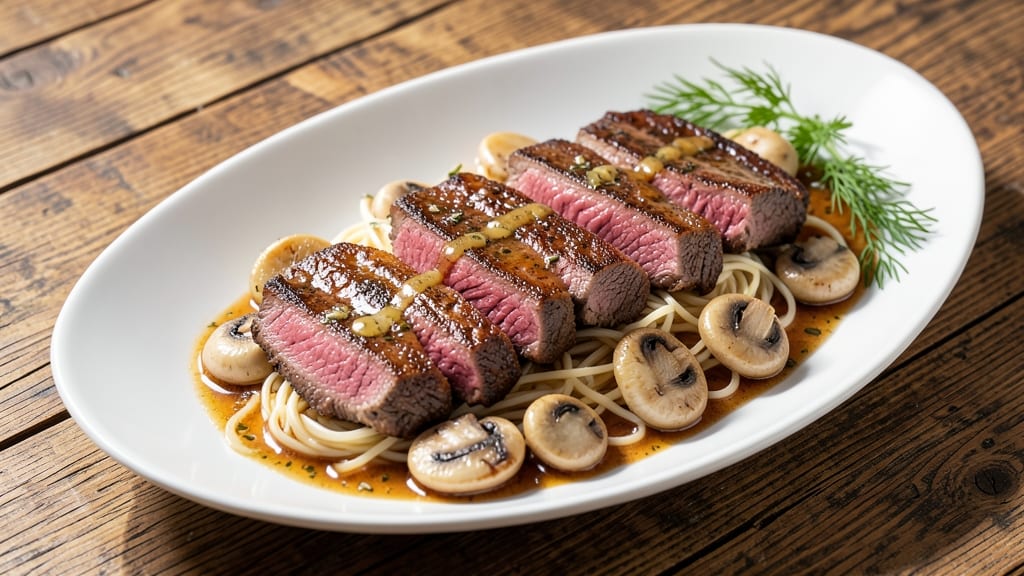
This Balthazar Beef Stroganoff recipe delivers the restaurant-quality creamy mushroom wine sauce you crave, elevated with tender beef and velvety egg noodles. The secret lies in proper searing and slow simmering—techniques that transform simple ingredients into a dish worthy of New York’s iconic Balthazar.
Every bite combines rich, velvety sauce with perfectly cooked beef and mushrooms, creating a balance of tangy, savory, and umami flavors.
The dish starts with searing beef strips to develop deep flavor, then deglazing the pan to capture those caramelized bits. A classic French technique transforms the pan drippings into the foundation of the sauce, while white wine and Dijon mustard add brightness and depth.
Sour cream finishes the sauce, creating that signature Balthazar creaminess without overpowering the beef's natural taste.
What makes this stroganoff truly special is how the sauce clings to egg noodles, creating a harmonious blend of textures—tender beef, earthy mushrooms, and a velvety sauce that coats every bite.
The dish pairs beautifully with crusty bread or a simple green salad, making it perfect for both weeknight dinners and special occasions. This version stays true to tradition while ensuring foolproof results at home.
Restaurant-style plating is simple: spoon the stroganoff over a bed of egg noodles, garnish with fresh parsley, and serve immediately. The sauce should be thick enough to coat the noodles but still silky smooth.
For extra elegance, add a sprinkle of paprika or a dollop of extra sour cream. This is comfort food at its finest—creamy, satisfying, and impossible to resist.
Ingredients for balthazar beef stroganoff
Restaurant-quality Balthazar stroganoff starts with these 14 essential ingredients for velvety sauce and tender beef.
| Ingredient | Amount | Notes |
|---|---|---|
| Beef Tenderloin Strips 🥩 | 1 ½ lb | Center-cut, 1/4-inch thick slices |
| Egg Noodles 🍝 | 12 oz | Fresh or dried, medium width |
| White Button Mushrooms 🍄 | 16 oz | Sliced into 1/4-inch pieces |
| Shallots 🧅 | 2 whole | Mined into fine dice |
| Garlic Cloves 🧄 | 4 cloves | Peeled and minced |
| Dry White Wine 🍷 | ½ cup | Sauvignon Blanc or Chardonnay |
| Beef Stock 💧 | 1 cup | Homemade or high-quality store-bought |
| Dijon Mustard 🍯 | 1 tbsp | High-quality, smooth variety |
| Unsalted Butter 🧈 | 4 tbsp | European-style preferred |
| Sour Cream 🥛 | ½ cup | Full-fat for creaminess |
| Fresh Parsley 🌿 | ¼ cup | Chopped for garnish |
| Sweet Paprika 🌶️ | ½ tsp | For garnish |
| Diamond Crystal Kosher Salt 🧂 | 1 ½ tsp | For seasoning |
| Freshly Ground Black Pepper 🌶️ | ½ tsp | For seasoning |
The beef is non-negotiable—center-cut tenderloin stays tender while searing. Look for uniform 1/4-inch slices at your butcher or pre-sliced packages at Whole Foods or D'Agostino's. For mushrooms, white buttons work best, but cremini adds earthiness. The shallots should be vibrant purple, not dried out. Fresh parsley isn't just garnish—it brightens the dish, so grab a bunch with tightly packed leaves rather than the pre-chopped kind.
No white wine? Substitute dry vermouth at the same amount—it's what Balthazar would use. Short on beef stock? Low-sodium chicken stock works in a pinch, but add an extra pinch of salt. The Dijon mustard can be swapped for whole-grain mustard, but smooth Dijon delivers that signature tang. For butter, European-style brands like Plugrá or President melt more smoothly than American butter. The egg noodles? Fresh is ideal, but dried works if cooked al dente. Never skip the sour cream—it's what makes the sauce truly velvety.
The beef should sit at room temperature for 20 minutes before cooking for even searing. Store mushrooms in a paper bag in the fridge to keep them fresh longer. The sauce reheats beautifully—simmer on low heat with a splash of water or stock to restore thickness. For 3-4 days of leftovers, portion into airtight containers. Freeze portions for up to 3 months—just thaw overnight in the fridge before reheating. Always reheat gently to preserve that creamy texture.
Why You'll Love This Recipe
- One-Pan Magic: I swear by this recipe for lazy nights—just sear the beef strips, toss in mushrooms and shallots, and let the garlic do its thing. No extra pots, no stress, and the pan sauce practically makes itself.
- Creamy Without Guilt: That tenderloin stays juicy while the mushrooms soak up the rich, slightly tangy sauce—no heavy cream here, just a velvety balance from a splash of broth and a touch of Dijon. Honestly, it’s the kind of comfort that doesn’t weigh you down.
- Leftovers That Beg for Seconds: This dish reheats like a dream, and the egg noodles actually get better the next day—softer, with the sauce clinging to them. I’ll be real: I’ve eaten it cold straight from the fridge, and it still wins.
- Date Night or Weeknight Win: Fancy enough for company (the beef tenderloin feels special), but simple enough for Tuesday. Swap the egg noodles for mashed potatoes if you’re feeling wild—it’s that adaptable. My go-to when I don’t want to overthink dinner.
Step-by-step instructions for Balthazar beef stroganoff
Master this classic technique for velvety sauce and perfectly cooked beef every time.
Sear the Beef Tenderloin Strips
Heat a large skillet over medium-high heat until hot. Add 2 tablespoons of the unsalted butter and let it melt completely, swirling to coat the pan. Add the 1.5 lb beef tenderloin strips in a single layer, being careful not to overcrowd. Let them sear undisturbed for 2-3 minutes on each side until they develop a deep golden-brown crust.
This initial sear creates the Maillard reaction, which builds rich, caramelized flavors in the sauce. If the pan gets too crowded, work in batches to maintain proper heat. Once seared to your liking, transfer the beef to a plate and set aside. The residual butter in the pan will form the foundation of your sauce.
Cook the Shallots and Mushrooms
In the same skillet, reduce the heat to medium and add the remaining 2 tablespoons of unsalted butter. Add the 2 whole shallots (minced into fine dice) and cook for 2 minutes until softened. Add the 16 oz white button mushrooms (sliced into ¼-inch pieces) and cook for an additional 5-6 minutes, stirring occasionally, until they release their moisture and begin to brown.
This step develops the aromatic base of your stroganoff. The mushrooms should be tender yet still hold their shape, with any excess moisture evaporated. If they release too much liquid, increase the heat slightly to cook it off before proceeding. The shallots should be completely translucent with no raw bits remaining.
Build the Wine and Stock Sauce
Add the 4 cloves garlic (minced) to the skillet and cook for 30 seconds until fragrant. Pour in the 0.5 cup dry white wine and scrape up any browned bits from the bottom of the pan with a wooden spoon. Let the wine simmer for 2-3 minutes until reduced by half. Add the 1 cup beef stock and the 1 tbsp Dijon mustard, then bring to a gentle simmer.
The wine reduction intensifies the flavors while the mustard adds a subtle tang that balances the richness. Let the sauce simmer uncovered for 5 minutes to allow the flavors to meld. The sauce should coat the back of a spoon but still be slightly loose—this will thicken as it incorporates the sour cream later.
Finish with Sour Cream and Return the Beef
Reduce the heat to low and stir in the 0.5 cup sour cream, mixing gently to avoid curdling. Return the seared beef tenderloin strips to the skillet along with any accumulated juices. Simmer for 2-3 minutes until the sauce thickens slightly and coats the beef. Season with the 1.5 tsp Diamond Crystal kosher salt and 0.5 tsp freshly ground black pepper.
This is where the sauce transforms from a simple reduction into a luxurious, creamy stroganoff. The low heat ensures the sour cream doesn't curdle, while the beef absorbs the rich, flavorful sauce. Taste and adjust seasoning if needed—this is the moment to balance acidity, saltiness, and umami.
Serve Over Egg Noodles
While the stroganoff simmers, cook the 12 oz egg noodles according to package instructions until al dente. Drain and return them to the pot. To serve, spoon the beef and sauce over the noodles, ensuring each portion gets an even distribution of both. Garnish with the 0.25 cup fresh parsley (chopped) and a sprinkle of 0.5 tsp sweet paprika for color and a subtle smoky note.
The combination of tender beef, creamy sauce, and egg noodles creates a harmonious balance of textures and flavors. The paprika adds a final visual pop while the parsley brightens the dish. Serve immediately while the noodles are warm and the sauce remains velvety—this stroganoff doesn't wait for seconds.
Pro Tips For Making Balthazar Beef Stroganoff
- SEAR THE BEEF FAST: Tenderloin strips cook in seconds—don’t linger. Hit a screaming-hot pan with just 1/2 inch of oil, lay them in a single layer, and walk away for 2 minutes. Overcrowding steams the meat instead of searing it, and you’ll end up with gray, sad strips instead of caramelized edges.
- SLICE MUSHROOMS THIN: I used to chop them unevenly, and they’d turn to mush before the sauce came together. Cut them paper-thin—almost like shaving—and they’ll soften just enough to melt into the sauce without disappearing. No one likes a watery stroganoff.
- DEGLAZE WITH BEER FIRST: Skip the wine splash and use a splash of pale lager or dry white wine instead—it cuts the richness and adds brightness. Let it bubble for 30 seconds before adding the shallot-garlic mix, or you’ll end up scraping burnt bits off the bottom. (Yes, even if you’re impatient like me.)
- REST THE NOODLES DRY: Drain the egg noodles, toss them with a pinch of salt, and let them sit uncovered for 5 minutes. They’ll firm up, soak up the sauce better, and won’t turn to glue when mixed in. I learned this the hard way—soggy noodles ruin everything.
Dietary considerations for this dish
Gluten-Free Adaptation
Swap traditional egg noodles for gluten-free egg noodles like Barilla's GF line or Jovial's brown rice pasta. These hold up well to the creamy sauce and cook in about the same time.
I've tested this with 12 oz gluten-free noodles and found they absorb the sauce beautifully without turning mushy. 🍝
Dairy-Free Substitutions
For a dairy-free version, replace the 4 tbsp butter with 4 tbsp olive oil (use extra virgin for flavor) and swap the ½ cup sour cream for ½ cup coconut cream (full-fat for best texture).
The sauce will still be rich but with a slightly lighter body. Add 1 tsp lemon juice to balance the coconut flavor.
Lower-Carb Options
Transform this into a keto-friendly dish by serving the stroganoff over cauliflower rice or shirataki noodles. Cook the cauliflower rice until tender, then mix in 1 tbsp butter and ½ tsp garlic powder before adding the stroganoff.
Shirataki noodles need no cooking—just rinse and drain before serving. I've found ½ cup cauliflower rice per serving works perfectly.
Mustard-Free Version
If you're avoiding mustard, omit the 1 tbsp Dijon and add ½ tsp apple cider vinegar instead. This maintains the sauce's tanginess without the mustard's sharpness. The vinegar also helps balance the richness of the sour cream. For extra depth, add ½ tsp smoked paprika to the sauce while simmering.
Protein Swaps
Need a non-beef option? Try chicken breast strips or mushroom slices for a vegetarian version. For chicken, use 1.5 lb boneless, skinless chicken breast cut into ½-inch strips and cook them for 5-6 minutes until fully done.
For mushrooms, increase to 20 oz cremini mushrooms and cook them for 8-10 minutes until deeply browned. Both work beautifully in the sauce.
Nutrition facts
Frequently asked questions
Can I use ground beef instead of tenderloin strips?
While possible, tenderloin strips are ideal for their tenderness and elegant presentation. For ground beef, use 1.5 lb lean ground beef (90% lean or less) and shape into small patties. Brown them thoroughly (5-6 minutes) before removing. The texture will be different but still delicious—just expect slightly chewier beef.
What white wine works best for the sauce?
Dry white wines like Sauvignon Blanc or Chardonnay are perfect—they add brightness without overpowering. Avoid sweet wines or oaked Chardonnays. For a non-alcoholic version, use dry apple juice or white grape juice (reduce by half). The acidity is key for balancing the richness.
How do I prevent the sauce from curdling?
Always add sour cream off the heat or on the lowest setting. Temper it first by mixing a spoonful into the warm sauce, then stir in the rest. Never boil the sauce after adding sour cream—simmer gently for just 2-3 minutes to thicken. If it starts to separate, whisk in 1 tsp cornstarch mixed with cold water.
Can I make this ahead of time?
Yes! Assemble the stroganoff (without noodles) up to 2 days ahead and refrigerate. Reheat gently on the stove with a splash of beef stock or water to restore thickness. For best texture, cook noodles fresh when serving. For freezing, portion the sauce and beef separately—freeze for up to 3 months and thaw overnight in the fridge.
What's the secret to restaurant-style presentation?
Spoon the stroganoff over noodles in a generous mound, creating a "volcano" shape. Garnish with fresh parsley and a sprinkle of paprika for color contrast. Serve immediately with a side of crusty bread or a simple arugula salad. The key is to keep everything piping hot when plating—this ensures the sauce stays velvety.