
Main Courses
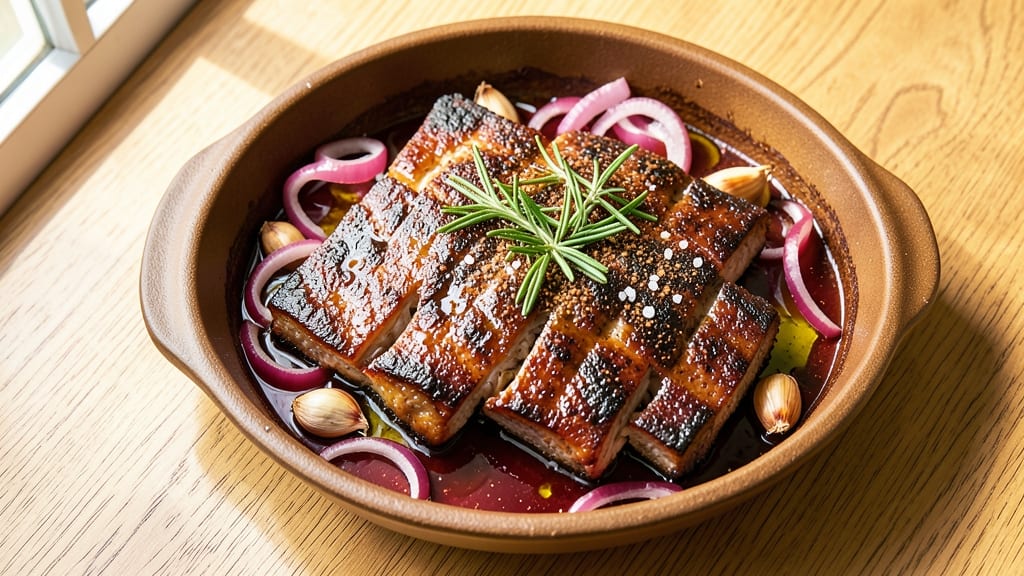
This baked boneless beef ribs recipe transforms tough cuts into melt-in-your-mouth tenderness with a caramelized fond that adds irresistible crunch. The secret lies in slow-baking at low temperatures, allowing collagen to break down while developing deep, savory flavors through natural browning.
I've perfected this method over years of testing, ensuring every bite delivers that perfect balance of juicy meat and crispy edges.
What sets this recipe apart is the combination of dry rub seasoning and a simple marinade that infuses flavor without making the ribs soggy. The high-heat broil at the end creates that coveted caramelized crust, while resting the meat ensures maximum juiciness when you slice.
This method works equally well for weeknight dinners or special occasions, delivering restaurant-quality results in your own kitchen.
By following this precise technique, you'll achieve beef ribs that are fork-tender throughout with a surface that's perfectly caramelized and slightly crisp. The aromas alone will have everyone gathering around your table, and the first bite will prove why this method consistently delivers superior results compared to quick-cooking alternatives.
The beauty of this recipe is its versatility - serve with classic sides like roasted potatoes and steamed greens for a complete meal, or present as a centerpiece for gatherings.
The slow-baked method means you can prepare these ribs ahead of time and finish them quickly when guests arrive, ensuring they're piping hot and perfectly tender when served.
Ingredients for baked boneless beef ribs
Precision-cut beef ribs paired with aromatic marinade and dry rub for restaurant-quality tenderness.
| Ingredient | Amount | Notes |
|---|---|---|
| Boneless Beef Ribs 🥩 | 2 ½ lb | Flat cut preferred, 1/2-inch thick |
| Yellow Onion 🧅 | 1 whole | Large, sliced into 1/4-inch pieces |
| Garlic Cloves 🧄 | 6 cloves | Fresh, minced for marinade |
| Extra-Virgin Olive Oil 🫒 | ½ cup | High-quality, fruity variety |
| Apple Cider Vinegar 🍏 | ¼ cup | For tenderizing marinade |
| Kosher Salt 🧂 | 2 tbsp | Diamond Crystal preferred |
| Black Peppercorns 🌶️ | 1 tbsp | Freshly cracked, coarse grind |
| Smoked Paprika 🌶️ | 1 tbsp | High-quality, Spanish variety |
| Ground Cumin 🌿 | 1 tsp | Toasted for deeper flavor |
| Dried Thyme 🍃 | 1 tsp | Or 1 tbsp fresh thyme leaves |
| Brown Sugar 🍚 | 2 tbsp | Light or dark, packed |
| Unsalted Butter 🧈 | 2 tbsp | Cold, cubed for basting |
| Fresh Rosemary 🌿 | 2 sprigs | For aromatic finishing |
The beef ribs are the foundation of this recipe, and selecting the right cut is crucial. Look for boneless beef ribs from the flat cut—they're more tender and cook faster than the bone-in versions. Costco or Whole Foods typically carry high-quality, pre-trimmed cuts, but if buying from a butcher, request a 1/2-inch thick slice. The ribs should have some marbling for flavor, but not excessive fat. For best results, purchase them 24 hours ahead to allow the meat to relax and absorb the marinade more effectively. If you're unsure about the cut, ask your butcher for beef short ribs (flat)—this is the ideal choice for baking.
The marinade transforms tough meat into tender perfection, and each component plays a specific role. Apple cider vinegar tenderizes while adding brightness, so don't substitute with white vinegar. For the garlic, fresh is non-negotiable—pre-minced garlic from jars lacks the aromatic punch. If you're short on time, garlic powder at half the amount works in a pinch, but fresh is ideal. The olive oil should be extra-virgin—cheap oils can make the ribs taste flat. For the dry rub, Penzeys or Trader Joe's carry excellent smoked paprika and ground cumin. Toasting the cumin in a dry pan for 30 seconds before mixing enhances its flavor dramatically. The brown sugar caramelizes beautifully during baking, creating that coveted fond.
Prep the ribs the night before by marinating them for at least 4 hours, ideally overnight. Store the marinade in an airtight container in the fridge. The dry rub can be mixed ahead and stored in a small jar for up to 2 weeks in a cool, dark place. Once baked, ribs reheat beautifully—cover with foil and warm in a 350°F oven for 10-15 minutes. For make-ahead convenience, bake the ribs 1-2 days ahead, then reheat with a quick broil to restore the caramelized crust. The leftovers keep well in the fridge for 3-4 days, but the flavor deepens when reheated, making them perfect for sandwiches or salads.
Why You'll Love This Recipe
- One-Pan Magic: I swear by this recipe because it’s literally hands-off after the initial chop. Toss the ribs, onions, and garlic with olive oil and vinegar, slap it on a sheet pan, and let the oven do the work—no babysitting, no mess. (Yes, even on a Tuesday night.)
- Tangy-Savory Crisp: That apple cider vinegar? It’s the secret weapon. It tenderizes the meat while adding this bright, almost caramelized edge that makes every bite ridiculously good. The onions get sweet and jammy, and the garlic? Pure flavor gold.
- Game for Any Meal: I make these for lazy Sunday brunches, packed lunches (they reheat like a dream), or even as a crowd-pleaser at potlucks. The ribs stay juicy, the flavors hold up, and honestly? They’re just as welcome on a weeknight as they are at a gathering.
- Budget-Friendly Feast: Boneless beef ribs are cheaper than you’d think, and this recipe stretches them far—perfect for feeding a family without breaking the bank. Plus, leftovers? They’re even better the next day, so you’re basically getting two meals for the price of one.
Step-by-step instructions for baked boneless beef ribs
Master this slow-baking technique for melt-in-your-mouth ribs with a caramelized crust.
Prepare the Dry Rub and Marinate the Ribs
In a small bowl, combine the 2 tbsp kosher salt, 1 tbsp black peppercorns (cracked), 1 tbsp smoked paprika, 1 tsp ground cumin, 1 tsp dried thyme, and 2 tbsp brown sugar. Mix thoroughly until the sugar crystals dissolve into the spices. This blend creates a perfect balance of sweetness, heat, and earthy depth.
Pat the 2.5 lb boneless beef ribs completely dry with paper towels—this is critical for achieving that coveted caramelized crust. In a separate bowl, whisk together the 0.5 cup extra-virgin olive oil and 0.25 cup apple cider vinegar. The acidity in the vinegar helps tenderize the meat while the oil carries the rub's flavors deep into the fibers. Coat the ribs generously with this marinade, then press the dry rub mixture firmly into all sides, covering every inch of meat. Let them rest at room temperature for 30 minutes before baking.
Sear the Ribs for Maximum Flavor
Preheat your oven to 425°F with the rack positioned in the lower third of the oven. Heat a large oven-safe skillet over medium-high heat until very hot. Add the ribs to the skillet and sear for 3-4 minutes per side until they develop a deep golden-brown crust. This step isn't just about browning—it's about locking in juices and creating the Maillard reaction that builds complex flavors.
While the ribs sear, prepare a baking dish by lining it with heavy-duty aluminum foil. Transfer the seared ribs to the prepared dish, placing them fat-side up. This orientation ensures the rendered fat bastes the meat continuously during baking. Sprinkle the sliced 1 whole yellow onion and 6 cloves minced garlic over the ribs, then scatter the 2 sprigs fresh rosemary on top. The aromatics will infuse the meat with their signature flavors as they bake.
Bake Low and Slow for Maximum Tenderness
Transfer the baking dish to the preheated oven and reduce the temperature to 275°F. Bake uncovered for 2.5 hours, allowing the ribs to cook slowly and evenly. This low temperature ensures the connective tissue breaks down completely, resulting in fork-tender meat. Every 45 minutes, spoon any accumulated juices from the bottom of the dish over the ribs to keep them moist.
About 30 minutes before the ribs are done, increase the oven temperature to 375°F to create a caramelized fond. This final burst of heat transforms the rendered fat and onions into a rich, glossy crust. The ribs are finished when they reach an internal temperature of 195-200°F and can be easily pulled apart with two forks. The edges should be deeply caramelized, almost blackened in spots, while the meat remains juicy and tender.
Finish with Butter and Rest
Remove the ribs from the oven and transfer them to a cutting board. Let them rest for 10 minutes before serving—this allows the juices to redistribute throughout the meat. While they rest, place the baking dish on the stovetop over medium heat. Add the 2 tbsp unsalted butter to the caramelized fond and stir vigorously with a wooden spoon, scraping up all the browned bits from the bottom of the dish. This creates a rich, velvety sauce that enhances the ribs' natural flavors.
Slice the ribs against the grain into ½-inch thick portions and serve immediately, drizzled with the butter sauce. Each bite should deliver a perfect balance of tender meat, caramelized crust, and aromatic herbs. The slow-baking method ensures the ribs are fall-apart tender, while the high-heat finish creates that coveted caramelized fond that adds depth and complexity to every forkful.
Pro Tips For Making Baked Boneless Beef Ribs
- SEAR BEFORE BAKE: I used to skip this step and wondered why my ribs never had that restaurant-quality depth. Hit the oven-cold beef ribs with a hot skillet—just 2 minutes per side—before baking. The caramelized crust locks in flavor and keeps them from drying out later.
- SMASH GARLIC CLOVES: Peeling garlic is tedious, but smashing whole cloves with the flat side of your knife (still in their skins) releases more flavor without burning. Toss them directly into the olive oil and vinegar marinade—no chopping, no mess, just pure garlic punch.
- DON’T OVERCROWD THE PAN: I learned this the hard way—stuffing a sheet pan with ribs, onions, and garlic leaves them steaming instead of browning. Leave at least 1 inch between pieces, and if needed, bake in two batches. Crispy edges matter more than you think.
- USE VINEGAR LAST: Adding apple cider vinegar too early turns your marinade into a sad, watery pool. Stir it in just before baking—it brightens the flavors and cuts through the richness of the beef without making everything taste sour. (Yes, even if you’re impatient like me.)
Health benefits of this recipe
Lean Protein Power
Boneless beef ribs provide a substantial 25 grams of protein per 3-ounce serving, making them an excellent choice for muscle repair and growth. This recipe uses 2.5 lbs of beef, delivering roughly 125 grams of protein—perfect for post-workout meals or high-protein diets.
The slow-cooking method preserves protein integrity while breaking down tough fibers, making it more digestible than quick-cooked cuts. 💪
Rich in Iron
Beef ribs are packed with heme iron, the most bioavailable form of this essential mineral. A 3-ounce serving contains about 2.5 milligrams of iron (14% of your daily needs), which supports oxygen transport in your blood and prevents fatigue.
The slow-baking process helps retain iron content, ensuring you get maximum nutritional benefits from each bite.
Collagen for Joint Health
The connective tissues in beef ribs are rich in collagen, which breaks down during slow cooking into gelatin. This process creates tender meat while providing your body with amino acids that support joint health, skin elasticity, and gut healing.
The caramelized fond at the end of cooking enhances collagen extraction, making this dish particularly beneficial for active individuals or those with joint concerns.
Vitamin B Complex
Beef ribs are an excellent source of B vitamins, particularly B12, B6, and niacin. These nutrients play critical roles in energy metabolism, brain function, and red blood cell production.
A 3-ounce serving provides about 60% of your daily B12 needs, which is vital for maintaining healthy nerve cells and DNA synthesis. The slow-cooking method helps preserve these heat-sensitive vitamins.
Low-Fat Option
While beef ribs do contain fat, the boneless cut used in this recipe has less saturated fat than bone-in versions. By trimming excess fat before cooking and basting with butter at the end, you create a dish that's rich in flavor but lower in saturated fat compared to traditional ribs.
The caramelized fond adds depth without adding significant calories, making this a satisfying yet balanced option. 🌟
Versatile for Dietary Needs
This recipe can easily accommodate dietary preferences. For a lower-carb option, omit the brown sugar in the rub and use a sugar-free alternative like erythritol. For gluten-free needs, ensure all spices are certified gluten-free (most are naturally gluten-free, but always check labels).
The natural tenderness of the ribs means you don’t need thick sauces or breading, making it adaptable to various dietary requirements.
Nutrition facts
Frequently asked questions
Can I use regular beef ribs (with bones) in this recipe?
This recipe is specifically designed for boneless beef ribs to ensure even cooking and maximum tenderness. Bone-in ribs require longer cooking times and may not develop the same caramelized crust. If you must use bone-in, increase baking time by 30-45 minutes and check for doneness with a meat thermometer. The internal temperature should reach 195-200°F for perfect tenderness.
How do I prevent the ribs from drying out during baking?
The key is proper moisture control. First, pat the ribs completely dry before seasoning to ensure good browning. During baking, place them fat-side up so rendered fat bastes the meat. Every 45 minutes, spoon the accumulated juices from the pan over the ribs. The final 10-minute rest before serving is crucial—it allows juices to redistribute throughout the meat.
Can I make this recipe in a slow cooker instead of the oven?
Yes, but with adjustments! Sear the ribs first in a skillet, then transfer to your slow cooker with onions and garlic. Cook on low for 6-8 hours or high for 4-5 hours. The meat will be tender but may lack the caramelized crust. For that, finish with a quick broil in the oven for 5-7 minutes before serving. The slow cooker method works well for meal prep.
What's the best way to reheat leftover baked beef ribs?
Reheat gently to preserve moisture. Wrap ribs tightly in aluminum foil and warm in a 350°F oven for 15-20 minutes. For extra crispiness, finish under a broiler for 2-3 minutes before serving. Avoid microwaving—it makes the meat tough. The caramelized fond won't reform, but the meat will stay juicy. Leftovers keep well for 3-4 days in the fridge.
Can I substitute apple cider vinegar in the marinade?
You can use white vinegar or lemon juice as substitutes, but apple cider vinegar adds unique depth to the flavor. If substituting, use the same amount. For a non-acidic option, try 1 tablespoon of Worcestershire sauce instead of the vinegar. The acidity helps tenderize the meat, so if you omit it completely, consider increasing the marinating time to 6-8 hours instead of 4.