
Main Courses
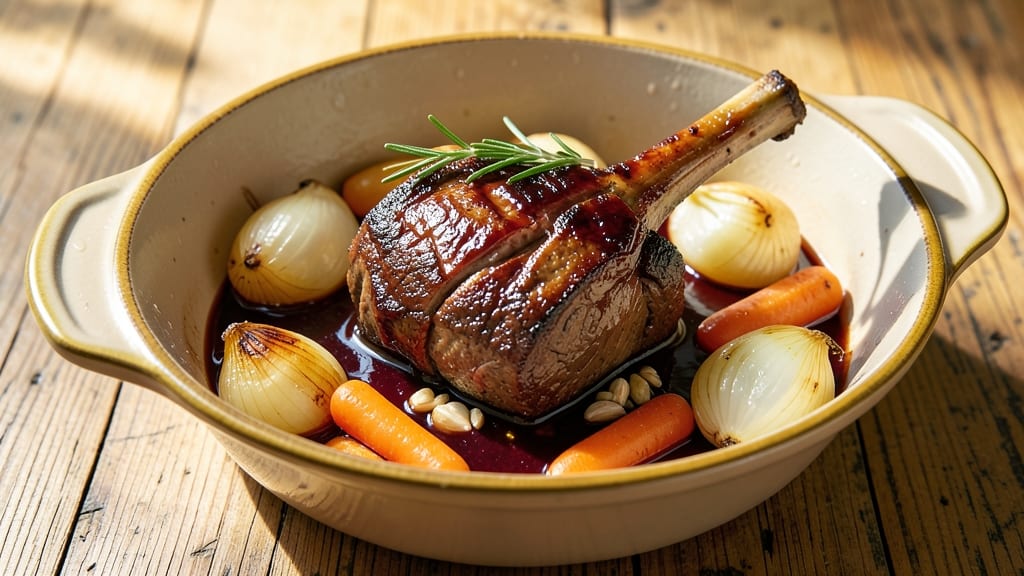
This baked beef shank recipe transforms tough cuts into melt-in-your-mouth perfection through slow oven braising. The secret lies in low-and-slow cooking—where collagen-rich connective tissue breaks down into rich, velvety sauce while the beef becomes fork-tender.
After years of perfecting this technique, I can confidently say this method delivers restaurant-quality results at home with minimal effort beyond initial prep.
The process begins with a simple sear to develop deep flavor, followed by a 3-hour bake in aromatic liquids that infuse every bite. Red wine, garlic, and herbs create a complex sauce that clings to the meat, while the slow cooking ensures even tenderness throughout.
What makes this recipe particularly impressive is how it transforms an inexpensive cut into something luxurious—no fancy equipment required.
By the time you pull it from the oven, you'll have beef so tender it nearly falls apart at the touch, swimming in a glossy, flavor-packed sauce that's perfect for drizzling over mashed potatoes or polenta.
The aroma alone will have everyone gathering at the table, and the first bite delivers that satisfying, buttery richness you'd expect from a high-end steakhouse.
This recipe works beautifully as a centerpiece for holiday dinners or cozy weeknight meals, serving 4-6 with minimal leftovers. The sauce thickens as it cools, making it ideal for meal prep or freezing. Let's get started on creating your most tender beef shank yet.
Ingredients for baked beef shank
Four pounds of beef shank plus pantry staples—this is your ticket to restaurant-quality braised beef.
| Ingredient | Amount | Notes |
|---|---|---|
| Beef Shank 🥩 | 3 lb | Bone-in for maximum flavor |
| Dry Red Wine 🍷 | 1 cup | Bold Cabernet Sauvignon preferred |
| Beef Broth 💧 | 2 cups | Low-sodium preferred |
| Garlic Cloves 🧄 | 6 cloves | Smashed for deeper flavor |
| Carrots 🥕 | 4 whole | Baby carrots work too |
| Yellow Onion 🧅 | 1 whole | Diced into small pieces |
| Fresh Thyme 🌿 | 2 sprigs | Stems removed for leaves |
| Fresh Rosemary 🌿 | 1 sprig | Woody stems removed |
| Tomato Paste 🍅 | 2 tbsp | Squeeze tube preferred |
| Olive Oil 🫒 | 2 tbsp | Extra-virgin for richness |
| Salt 🧂 | 1 ½ tsp | Diamond Crystal preferred |
| Black Pepper 🌶️ | 1 tsp | Freshly ground preferred |
| All-Purpose Flour 🌾 | 1 tbsp | For dredging meat |
The beef shank is where all the magic happens. Look for cuts with good marbling—that's the fat that renders down into rich sauce. Costco and Whole Foods usually carry the best quality, but the butcher section at any grocery store works too. If you can't find bone-in, bone-out is fine, but bone-in gives that extra depth of flavor. For the wine, Cabernet Sauvignon or Merlot work best—they've got enough body to stand up to the beef. The beef broth should be low-sodium; Pacific Foods or Kitchen Basics are solid choices. Don't use the bouillon cubes—real broth makes all the difference here.
No red wine? Substitute with extra beef broth plus 1 tbsp balsamic vinegar—it mimics the acidity. Fresh herbs are ideal, but dried thyme and rosemary at half the amount will work in a pinch. If you've got frozen carrots (they're often cheaper and just as good), use those instead of fresh. The tomato paste can be skipped if you're not a fan, but it adds that subtle sweetness that balances the richness. For the flour, King Arthur or Gold Medal brands are my go-tos—they've got that consistent texture that works perfectly for dredging.
This dish tastes even better the next day once the flavors meld. Store leftovers in the fridge for up to 5 days, or freeze for 3 months. I always make double batches—it's perfect for meal prep. The sauce thickens as it cools, so if it's too thin when reheating, just simmer it uncovered for 5-10 minutes. The beef shank reheats beautifully; just warm it through in the sauce and you're good to go. Keep any unused wine for another use—it's too good to waste.
Why You'll Love This Recipe
- Foolproof Simplicity: Honestly, the hardest part is finding a baking dish that fits my shank—everything else is so easy. Sear the meat, toss in wine and broth, add garlic and carrots, then let the oven do the work. No flipping, no fussy sauces, just hands-off magic.
- Rich, Deep Umami Bomb: That dry red wine and beef broth? They turn tough shank into melt-in-your-mouth perfection. The garlic caramelizes into sweet little pockets, and the carrots soak up all the flavor—like a cozy hug in a bowl.
- Leftovers That Beg for More: I swear, this dish only gets better the next day. The shank gets even more tender, and the sauce thickens into a glossy, savory glaze. Pack it for lunches or freeze portions—your future self will thank you.
- Budget-Friendly Luxury: Beef shank is one of those cuts that feels fancy but won’t break the bank. A few dollars of wine and broth stretch into a meal that feeds four (or two very hungry people) without guilt. Plus, the carrots add color and crunch for almost nothing.
Step-by-step instructions for slow-braised beef shank
This method transforms tough shank into melt-in-your-mouth perfection through patience and technique.
Sear the Beef Shank for Deep Flavor
Preheat your oven to 300°F. Pat the 3 lb beef shank completely dry with paper towels—this ensures maximum browning. Heat 2 tablespoons olive oil in a heavy Dutch oven over medium-high heat until shimmering.
Place the shank in the pot, fat-side down, and sear undisturbed for 8-10 minutes until deeply browned on all sides. You're building flavor through the Maillard reaction here—don't rush it. Flip occasionally and add 1 tablespoon all-purpose flour to the pot, tossing to coat the shank evenly. This creates a golden crust that locks in moisture during braising.
Sauté Aromatics Until Fragrant
Remove the shank and set aside. In the same pot, add 2 tablespoons olive oil and reduce heat to medium. Add 1 whole yellow onion diced into small pieces and cook for 5 minutes until softened but not browned. Add 6 cloves garlic cloves (smashed) and cook for 30 seconds until fragrant.
Add 4 whole carrots cut into chunks, 2 sprigs fresh thyme (stems removed), and 1 sprig fresh rosemary (woody stems removed). Stir and cook for 3 minutes until the carrots begin to soften slightly. This aromatic base forms the flavor foundation for your braise.
Deglaze and Build the Braising Liquid
Return the shank to the pot. Pour in 1 cup dry red wine, scraping up any browned bits from the bottom with a wooden spoon. This deglazing step captures all that concentrated flavor you worked so hard to create. Let the wine simmer for 3 minutes until reduced by half.
Add 2 cups beef broth, 2 tablespoons tomato paste, 1.5 teaspoons salt, and 1 teaspoon black pepper. Stir well to combine. The liquid should come about halfway up the shank—if it's too shallow, add a splash more broth. Bring to a gentle simmer, then transfer to your preheated 300°F oven.
Braise Until Fork-Tender
Cover the Dutch oven tightly with a lid and braise for 3 hours. This is where patience pays off—low and slow breaks down the collagen in the shank into rich, gelatinous goodness. After 3 hours, check the internal temperature with a meat thermometer. It should read 195-205°F and the meat should be fork-tender with no resistance.
If the shank isn't quite tender enough, continue braising for another 30-60 minutes. The meat will continue cooking as it rests. Here's the thing—this is where the magic happens. The connective tissue melts into the braising liquid, creating a luxurious sauce that coats every bite.
Rest and Serve with Sauce
Remove the shank from the pot and let it rest on a cutting board for 10-15 minutes. This resting period allows the juices to redistribute throughout the meat. Skim any excess fat from the braising liquid, then adjust seasoning if needed—your shank should be rich but not salty.
Slice the shank against the grain into ½-inch thick pieces. Spoon the aromatic braising liquid over the top and serve immediately. Each bite should deliver tender, buttery meat with layers of wine, herb, and vegetable flavors. The sauce should coat the back of a spoon, thickened naturally by the gelatin released during braising.
Pro Tips For Making Baked Beef Shank
- SEAR THE SHANK FIRST: Don’t skip browning—get that meat screaming hot in a dry pan for 5-7 minutes per side until deep brown. I learned the hard way that skipping this step makes the wine and broth taste flat, no matter how long you braise. The crust adds flavor that no amount of seasoning later can replace.
- USE WINE YOU’D DRINK: That cheap cooking wine? Toss it. Use a decent dry red—something you’d actually sip with dinner—like a Chianti or Cabernet. The alcohol burns off, but the acidity and depth stay, and your dish won’t taste like it came from a box. (Yes, it’s worth the splurge.)
- COVER IT AFTER 90 MINUTES: Let the shank bake uncovered for the first hour and a half so the liquid reduces and flavors concentrate. Then cover loosely with foil—just tented—and finish baking. This keeps the meat from steaming like a sad soup while still letting it tenderize. (Your future self will notice the difference.)
- CHOP CARROTS IN EVEN STICKS: Cut them all the same length—about 2 inches—and trim the ends so they’re uniform. Uneven pieces mean some cook faster, others stay raw, and you end up with a mushy mess. Even sticks = even cooking = no sad, underdone bits. (I know, it’s tedious, but trust me.)
Serving suggestions for this recipe
Classic Comfort Sides
Nothing complements this rich beef shank like creamy mashed potatoes—their buttery texture soaks up the luxurious sauce beautifully. I make mine with Yukon Gold potatoes, sour cream, and a touch of garlic powder for extra depth.
For a heartier option, try polenta—its slightly gritty texture contrasts perfectly with the tender meat. 🥔
Roasted root vegetables like carrots, parsnips, and celery root add natural sweetness that balances the wine's acidity. Toss them in olive oil, thyme, and honey, then roast at 400°F for 30 minutes until caramelized. These veggies also double as a flavorful base for any leftover sauce.
Bread for Soaking
A crusty baguette or sourdough loaf is essential for mopping up every last drop of that velvety braising liquid. I like to lightly toast slices and serve them on the side. For a more elegant touch, try rosemary focaccia—its herby aroma echoes the flavors in the shank itself.
Fresh Greens Balance
To cut through the richness, serve with baby spinach salad tossed in a light lemon vinaigrette. The bright acidity refreshes your palate between bites. For a more substantial option, braised kale with apple cider vinegar and pecans adds texture and a touch of sweetness that pairs wonderfully.
Sauce Upgrades
Before serving, finish the sauce with a tablespoon of butter and a squeeze of fresh lemon juice—this adds brightness and richness. For extra depth, stir in 1 teaspoon of Dijon mustard or a pinch of ground nutmeg.
The sauce thickens as it cools, so if it's too thin when reheating, simmer it uncovered for 5-10 minutes to reduce it slightly. 🍋
Wine Pairings
A bold Cabernet Sauvignon or Malbec mirrors the wine used in the braise, creating a seamless flavor connection. For something lighter, a Pinot Noir offers earthy notes that complement the herbs.
If you prefer beer, a dark ale or stout with malty sweetness works beautifully. Avoid anything too tannic—it can overpower the dish.
Nutrition facts
Frequently asked questions
Can I use bone-in or boneless beef shank?
Bone-in shank is ideal—it delivers maximum flavor as the bones release collagen into the sauce during cooking. If you only find boneless, it will still work beautifully, though the texture may be slightly less rich. Just be mindful of cooking time, as boneless shank may require 15-30 minutes less in the oven.
What if my oven doesn't go below 300°F?
No problem! Set it to the lowest temperature possible—275°F works just fine. The key is maintaining a gentle simmer throughout the braising process. Extend cooking time by 30-60 minutes if needed, checking tenderness with a fork every 30 minutes after the initial 3 hours.
How do I know when the beef shank is fully tender?
Use the fork test: Insert a fork into the thickest part of the shank. If it slides in easily with no resistance and the meat nearly falls apart, it's ready. The internal temperature should read 195-205°F—this is your perfect indicator. For extra confidence, cut a small piece and taste it before serving.
Can I make this recipe in a slow cooker?
Sear the shank first, then transfer everything to your slow cooker on LOW for 8 hours or HIGH for 5-6 hours. The liquid level should be about halfway up the shank. Add a splash of broth if needed. The slow cooker method is even more hands-off—just check for tenderness before serving.
Why did my sauce turn out too thin?
This usually happens if the liquid level was too high or the cooking time wasn't long enough. For next time, reduce the broth by ½ cup or let the sauce simmer uncovered for 10-15 minutes after removing the meat. The sauce will naturally thicken as it cools, but a quick reduction fixes it immediately.