
Main Courses
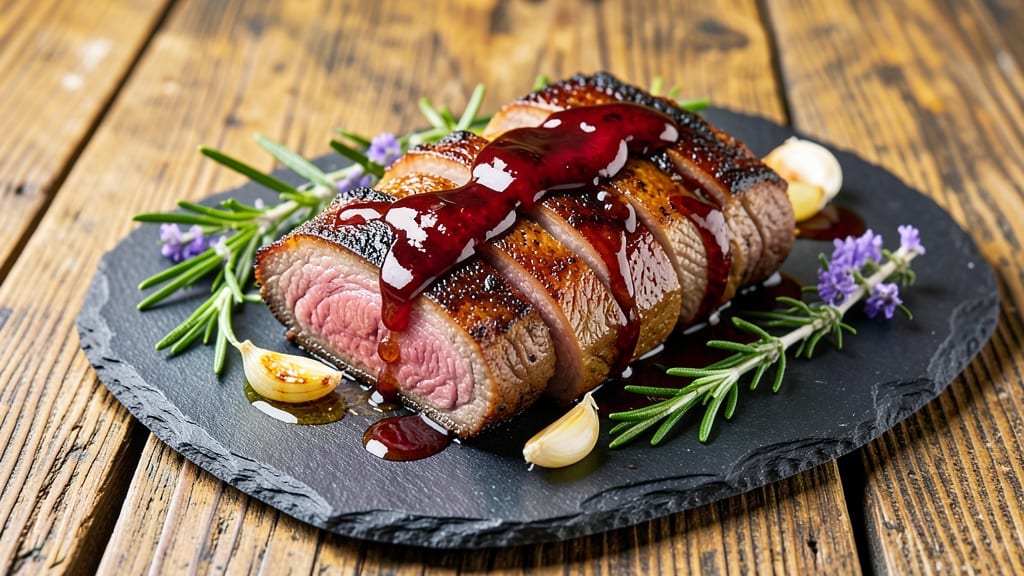
This baked beef heart recipe delivers a tender, umami-rich centerpiece that transforms an often-overlooked cut into a showstopping main dish. The key lies in proper preparation—cleaning, trimming, and marinating—before baking to achieve that perfect balance of crispy exterior and silky interior.
What sets this apart is the technique that ensures even cooking without dryness, a common pitfall with heart.
Unlike traditional beef cuts, beef heart requires precise handling to maximize tenderness. The marinade infuses deep flavor while tenderizing the meat, and baking at the right temperature guarantees juicy results every time. This method transforms a tougher cut into something so restaurant-quality, it’ll impress even the most skeptical guests.
Pairing this dish with bold sides—like roasted garlic mashed potatoes or a crisp arugula salad—elevates the meal further. The rich, meaty flavor of the heart pairs beautifully with full-bodied red wines or even a smoky cocktail, making it ideal for special occasions or weeknight dinners when you want something memorable.
The secret to success is patience during preparation and attention to doneness. With the right technique, you’ll achieve a perfectly cooked beef heart that’s tender yet firm, with a crust that’s crispy enough to hold its shape.
This isn’t just another beef recipe—it’s a game-changer for anyone ready to explore offal with confidence.
Ingredients for baked beef heart
The key ingredients to transform beef heart into a restaurant-quality centerpiece—precise preparation makes all the difference.
| Ingredient | Amount | Notes |
|---|---|---|
| Beef Heart 🥩 | 1 ½ lb | Whole, cleaned and trimmed |
| Extra-Virgin Olive Oil 🫒 | ¼ cup | High-quality, fruity variety |
| Balsamic Vinegar 🍷 | ¼ cup | Aged for depth of flavor |
| Garlic Cloves 🧄 | 8 cloves | Freshly peeled and minced |
| Fresh Rosemary 🌿 | ¼ cup | Chopped, stems removed |
| Fresh Thyme 🌿 | ⅛ cup | Leaves only, finely chopped |
| Dijon Mustard 🍯 | 1 tbsp | High-quality, grainy texture |
| Worcestershire Sauce 🍶 | 1 tbsp | Vegan version if needed |
| Kosher Salt 🧂 | 1 ½ tsp | Diamond Crystal preferred |
| Ground Black Pepper 🌶️ | 1 tsp | Freshly cracked |
| Smoked Paprika 🌶️ | 1 tsp | For subtle smokiness |
| Honey 🍯 | 1 tbsp | Raw preferred for purity |
| Fresh Lemon Juice 🍋 | 2 tbsp | Freshly squeezed |
The beef heart is the star, and sourcing matters. Look for whole, cleaned hearts from a trusted butcher—Costco or Whole Foods carry them prepped for convenience, but if you're feeling ambitious, ask your butcher to trim away excess fat and silver skin. Freshness is critical; the meat should have a bright red color and firm texture. If you can't find beef heart, chicken livers or pork liver can be substituted in a pinch, though the texture will differ significantly. For the marinade components, fresh herbs elevate the dish, but dried thyme at one-third the amount works if needed. The olive oil should be extra-virgin—cheap oil will compromise the final flavor.
No balsamic vinegar? Red wine vinegar or apple cider vinegar will work, though the depth of flavor won't be identical. Substituting soy sauce for Worcestershire is a common swap, but it alters the umami profile slightly. If you're avoiding honey, maple syrup is a suitable alternative, though it adds a distinct sweetness. The Dijon mustard should be grainy for texture—smooth mustard won't provide the same body. For the herbs, dried rosemary or thyme can be used, but fresh is ideal. If you're prepping ahead, marinate the heart for up to 24 hours in the fridge for maximum tenderness, but don't exceed this time to avoid over-marinating.
The marinade keeps well in an airtight container in the fridge for up to 5 days, though the heart itself should be marinated for no more than 24 hours before baking. If you're prepping ahead, trim and clean the heart first, then store it uncovered in the fridge for 2-3 hours to dry-brine slightly—this helps the crust form better. The baked heart reheats beautifully; warm in a 300°F oven for 10-15 minutes to restore its crispy exterior. For leftovers, slice and store in an airtight container for up to 3 days, though the texture will be slightly softer after reheating.
Why You'll Love This Recipe
- One-Pan Magic: I swear by this recipe when I’m too tired to scrub pots—just slice the heart, toss it with olive oil, garlic, and rosemary, then bake. The balsamic glaze caramelizes right on the sheet pan, so cleanup is basically nonexistent.
- Rich Umami Bomb: That beef heart? It’s like a meaty, tender surprise with a depth you won’t find in chicken or steak. The balsamic cuts through the richness while the rosemary adds a piney brightness—every bite’s a flavor punch.
- Meal Prep MVP: I roast a big batch on Sundays and toss it into salads, wraps, or pasta all week. The texture holds up perfectly, and the bold flavor means I’m not stuck with boring leftovers.
- Budget Game-Changer: Honestly, beef heart is one of the most affordable cuts out there, and it feeds a crowd for half the cost of ribs or steak. Plus, the olive oil and herbs stretch the flavor so far—no wasted ingredients here.
Step-by-step instructions for baked beef heart with umami crust
Transform beef heart into a restaurant-quality dish with a tender interior and deeply flavorful crust.
👨🍳 Step 1: Prepare the Beef Heart for Maximum Tenderness
Begin by trimming away any visible fat or connective tissue from the 1.5 lb beef heart using a sharp boning knife. I like to make a few shallow cuts across the thickest sections—about ¼-inch deep—to help the heart cook more evenly. This prevents tough spots while maintaining that satisfying bite.
Place the cleaned heart in a mixing bowl and combine with the 1.5 tsp kosher salt, 1 tsp ground black pepper, and 1 tsp smoked paprika. Use your hands to massage the seasoning into every surface, ensuring even distribution. Let it sit at room temperature for 30 minutes while you prepare the marinade. This resting period allows the salt to penetrate and begin tenderizing the meat.
🍳 Step 2: Create the Umami-Packed Marinade
In a separate bowl, whisk together the 0.25 cup extra-virgin olive oil, 0.25 cup balsamic vinegar, 1 tbsp Dijon mustard, 1 tbsp Worcestershire sauce, and 1 tbsp honey. The combination of sweet and acidic elements creates a perfect balance that will infuse the beef heart with depth.
Add the 8 cloves minced garlic, 0.25 cup chopped fresh rosemary, and 0.125 cup chopped fresh thyme to the marinade. Stir well to combine all ingredients thoroughly. Pour this mixture over the beef heart, ensuring it's completely coated. Cover and refrigerate for at least 2 hours, or preferably overnight. This extended marination breaks down fibers and builds complex flavors that will shine in the finished dish.
🔥 Step 3: Bake to Perfect Doneness
Preheat your oven to 375°F. Remove the beef heart from the refrigerator and place it in a baking dish. Pour any remaining marinade from the bowl over the top. Bake for 45-50 minutes, or until the internal temperature reaches 145°F when measured at the thickest point. The exterior should develop a beautiful golden-brown crust while maintaining a tender interior.
I recommend checking the temperature after 40 minutes, as ovens vary. The beef heart should feel tender when pierced with a fork but still have a slight resistance—this indicates perfect doneness. If the crust isn't brown enough, broil for 2-3 minutes at the end for added color and flavor.
⏰ Step 4: Rest and Finish with Bright Acid
Remove the beef heart from the oven and transfer it to a cutting board. Let it rest for 10 minutes before slicing. This resting period allows the juices to redistribute, ensuring each bite remains moist and flavorful. While it rests, prepare the finishing touch by combining the 2 tbsp fresh lemon juice with 1 tablespoon of the reserved marinade.
After resting, slice the beef heart against the grain into ½-inch thick pieces. Drizzle generously with the lemon-marinade mixture just before serving. The bright acidity cuts through the richness of the beef heart, balancing all the umami flavors we've built. Serve immediately with your choice of sides—roasted vegetables or crusty bread work beautifully to soak up any remaining sauce.
Pro Tips For Making Baked Beef Heart
- TRIM THE FAT LAYERS: Beef heart’s rich flavor hides in the leaner muscle—skip the thick fat deposits unless you’re craving grease. Use kitchen shears to snip off the white fat strips (they’ll just turn to mush), then score the thickest parts in a crosshatch. I learned this the hard way after serving a plate that looked like it had been through a blender.
- SEAR FIRST, BAKE SECOND: Don’t just toss the heart in the oven—hit it with a screaming-hot pan first. Sear the scored sides in olive oil for 3-4 minutes until deeply browned, then transfer to the baking dish. The crust locks in juices, and that balsamic glaze you’re drizzling later will cling like a second skin. (Yes, even if you’re impatient like me.)
- BRINE IT FOR TENDERNESS: Beef heart soaks up marinades like a sponge, but a quick brine makes all the difference. Toss the cleaned heart in a mix of 1 cup water, 1 tbsp salt, and 1 tbsp balsamic vinegar for 20 minutes—no longer, or it’ll get mushy. The acid tenderizes, and the salt ensures the rosemary and garlic flavors bite into the meat instead of floating on top.
- DON’T OVERBAKE THE GARLIC: Stuff those garlic cloves into the scored heart, not just on top—press them in with your fingers so they nestle into the meat. When baking, pull the dish out at 180°F internal temp (a few degrees below medium), then let it rest. Overcooked garlic turns to paste, and you’ll be left with a sad, bitter aftertaste. (Your future self will thank you.)
Essential equipment for this dish
Must-Have Baking Tools
Start with a high-quality baking sheet—I recommend a half-sheet pan (18x13 inches) with rimmed edges to prevent marinade spills during baking. A heavy-duty pan like USA Pan's Commercial Half Sheet retains heat evenly and prevents warping at 375°F.
Pair it with a wire cooling rack to elevate the heart after baking, ensuring that crispy crust stays intact. 🔥
For precise temperature control, invest in a meat thermometer with a thin probe—my go-to is the ThermoWorks Smoke with a 1/8-inch diameter probe. This lets you check internal temp at the heart's thickest point without piercing through, which is critical for achieving 145°F doneness.
A sharp boning knife (like Wüsthof's 8-inch model) is essential for trimming excess fat and making those ¼-inch shallow cuts that ensure even cooking.
Marinating Essentials
Use a large mixing bowl (at least 3-quart capacity) with high sides to prevent spills when coating the beef heart in marinade. I prefer Vitamix's 32-ounce stainless steel bowl—it's durable and easy to clean.
For measuring liquids, a liquid-measuring cup with clear markings (like OXO's Good Grips) ensures accuracy when combining 0.25 cup olive oil and 0.25 cup balsamic vinegar. A microplane (such as BergHOFF's model) is perfect for mincing 8 garlic cloves quickly and finely.
Store your marinade in an airtight container—I use Glasslock 1-quart containers—to keep it fresh in the fridge for up to 5 days.
For herbs, a small knife with a serrated edge (like Victorinox's 6-inch model) makes quick work of chopping 0.25 cup rosemary and 0.125 cup thyme. A wooden spoon helps stir the marinade without scratching your mixing bowl.
Budget-Friendly Swaps
No need for expensive tools—start with what you have! A standard baking dish (like a 9x13-inch glass pan) works fine for baking, though it may require 2-3 minutes longer at 375°F to reach 145°F internal temp.
For a thermometer, a digital instant-read thermometer (like Thermapen Mk4) is a great mid-range option. If you don’t have a boning knife, a sharp chef’s knife (like Mercer Culinary’s Genac 8-inch) can handle trimming with care.
For marinating, a ziplock bag works in a pinch—place the beef heart in the bag, add the marinade, and massage it gently. Store it in the fridge for 2 hours (but no longer—over-marinating can make the meat mushy).
A measuring spoons set (like OXO's Good Grips) ensures you get the exact amounts of 1 tbsp Dijon mustard and 1 tbsp Worcestershire sauce without guesswork.
Pro Tips for Success
Use parchment paper (like Reynolds Unbleached) to line your baking sheet—it prevents the heart from sticking and makes cleanup effortless. Cut the parchment to fit snugly, leaving a 1-inch overhang on the sides for easy transfer.
A small offset spatula helps lift the heart onto the cutting board after baking without tearing the crust. For slicing, a long, thin knife (like Mac Knife's 10-inch model) ensures clean cuts against the grain.
If you don’t have a cooling rack, prop the heart up on a wire rack or even a clean towel draped over a bowl to allow air circulation. This keeps the crust crispy while the interior rests.
For extra flavor, brush the heart with a bit of reserved marinade just before serving—use a small pastry brush (like OXO's Good Grips**) for even coverage.
Nutrition facts
Frequently asked questions
Why should I trim beef heart before baking?
Trimming removes excess fat and connective tissue that can make the heart tough. The shallow cuts you make help the marinade penetrate deeper and ensure even cooking. Skipping this step often leads to dry, chewy results—especially in thicker sections.
Can I bake beef heart without marinating?
Technically yes, but you’ll sacrifice tenderness and flavor. The marinade’s acidity (balsamic vinegar) and enzymes (Dijon mustard) break down fibers, while garlic and herbs add depth. For best results, marinate for at least 2 hours—overnight is ideal.
How do I know when beef heart is fully cooked?
Use a meat thermometer to check the thickest part—it should reach 145°F. The exterior will be golden-brown, and the meat should feel tender when pierced with a fork but still have slight resistance. Overcooking turns it dry, so avoid going past 150°F.
What sides pair best with baked beef heart?
Rich, earthy sides balance the heart’s intensity. Try creamy polenta, roasted root vegetables, or a bright arugula salad with lemon vinaigrette. For contrast, add crusty bread to soak up the juices. A bold red wine (like Cabernet Sauvignon) or smoky cocktail (mezcal margarita) complements the dish perfectly.
Can I make this recipe ahead of time?
Prep the marinade up to 5 days ahead and store it in the fridge. For the heart itself, marinate for 24 hours max—longer can make it mushy. Bake just before serving, but you can reheat sliced portions in a 300°F oven for 10 minutes to restore crispiness. Leftovers keep for 3 days** in an airtight container.