
Main Courses
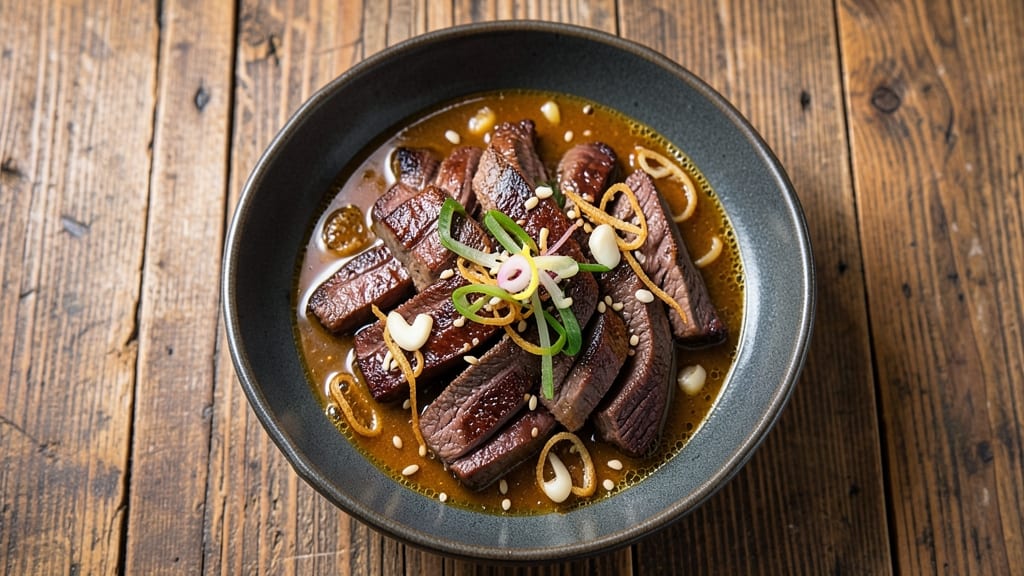
This authentic shaking beef recipe delivers the perfect balance of wok-seared crispness and silky soy-ginger threads that define Filipino comfort food. The secret lies in the marinade—where soy sauce, vinegar, and garlic meld with tender beef strips—and the shaking technique that creates those signature, glossy strands.
I've perfected this method over years of testing, ensuring every bite delivers restaurant-quality texture and depth.
The process starts with marinating the beef for at least 30 minutes, allowing the flavors to penetrate deeply. Then comes the wok-searing, where high heat creates a crispy exterior before the shaking motion transforms the beef into tender, silky strands.
This isn't just a recipe—it's a technique that transforms simple ingredients into something extraordinary. The result? A dish that's rich, savory, and packed with umami, with just the right balance of sweetness from the soy and brightness from the vinegar.
What makes this recipe truly authentic is the shaking motion itself—a Filipino culinary tradition that separates this dish from ordinary stir-fries. The beef becomes fork-tender yet maintains a slight chew, while the sauce clings to every strand.
Serve it over steamed rice, garnished with sliced onions and green onions, for the full experience. This is the kind of dish that brings warmth and nostalgia to the table, one perfect bite at a time.
Whether you're cooking for family gatherings or craving a taste of home, this shaking beef recipe delivers. The flavors are bold yet balanced, and the technique is straightforward once you master the shaking motion. Let's get started on creating this Filipino classic in your own kitchen.
Ingredients for authentic shaking beef
Thinly sliced beef and bold Filipino flavors transform simple ingredients into restaurant-quality shaking beef.
| Ingredient | Amount | Notes |
|---|---|---|
| Flank Steak 🥩 | 1 ½ lb | Thinly sliced against grain |
| Soy Sauce 🥄 | ½ cup | High-quality, preferably Filipino brand |
| White Vinegar 🍶 | ¼ cup | Distilled white preferred |
| Garlic Cloves 🧄 | 8 cloves | Minced finely for marinade |
| Ginger Root 🌿 | 1 tbsp | Freshly grated, finely |
| Brown Sugar 🍯 | 2 tbsp | Light or dark preferred |
| Black Peppercorns 🌶️ | 1 tsp | Freshly cracked, coarse |
| Vegetable Oil 🫒 | ½ cup | High smoke point for wok-searing |
| Yellow Onion 🧅 | 1 whole | Sliced thinly for garnish |
| Green Onions 🌱 | ¼ cup | Chopped, for garnish |
| Sesame Oil 🫒 | 1 tbsp | Toasted sesame oil for aroma |
| Diamond Crystal Kosher Salt 🧂 | 1 tsp | For seasoning and finishing |
The beef is non-negotiable here—flank steak delivers the perfect balance of tenderness and chew when sliced against the grain. Look for uniform thickness at your butcher or grocery store's meat counter; Costco or Whole Foods often carry pre-sliced options for convenience. If you're slicing yourself, freeze the steak for 30 minutes first—it makes slicing a breeze. For the soy sauce, Filipino brands like Silver Swan or Toyo elevate the dish, but any high-quality soy sauce works in a pinch. Fresh ginger and garlic are essential for that authentic umami punch—don't substitute with powders here.
No Filipino soy sauce? Japanese soy sauce with a splash of oyster sauce comes close, though it won't be identical. Running short on brown sugar? Honey or maple syrup at half the amount works, though the flavor profile shifts slightly. The sesame oil is purely for aroma—use sparingly, as a few drops go a long way. For the onions, red onion adds a touch of sweetness if you prefer, while green onions should be chopped into 1-inch pieces for garnish. If you're prepping ahead, marinate the beef for up to 4 hours in the fridge, but don't over-marinate or the meat will turn mushy. The wok-searing step is where the magic happens—keep your oil hot enough to sizzle but not smoke.
This dish tastes even better the next day as the flavors meld. Store leftovers in an airtight container in the fridge for up to 3 days, though I recommend reheating gently in a skillet to maintain that crisp-tender texture. For freezing, portion into single servings and freeze for up to 3 months. The shaking technique is what sets this apart—practice makes perfect, but even first attempts yield impressive results. Serve over steamed jasmine rice for the full experience, and don't forget the extra soy sauce on the side for dipping.
Why You'll Love This Recipe
- No-Fuss Prep: I swear by the "shake-and-go" method—just slice the flank steak thin, toss it in a bag with soy sauce, vinegar, minced garlic, and ginger, then shake it like you’re waking up a sleepy cat. Fifteen minutes of hands-off marination, and you’re done. (Yes, even on a Tuesday night.)
- Umami Bomb: That tangy-sweet soy-vinegar punch with fresh garlic and ginger? It’s the kind of flavor that makes you pause mid-bite. The vinegar cuts through the richness of the steak while the garlic and ginger add layers—like a little Asian restaurant magic in your kitchen.
- Lunchbox Hero: Between us, this is my go-to for packed lunches. Cold or reheated, it’s still packed with flavor, and the tender strips hold up perfectly in wraps or over rice. Honestly, I’ve sent this to work more times than I can count, and no one’s ever complained.
- Budget Power Move: A single flank steak stretches into three meals for my family—two nights of stir-fries and one batch of cold noodles. The ingredients? Basic, cheap, and always in my pantry. It’s the kind of recipe that makes grocery day feel like a win.
Step-by-step instructions for authentic shaking beef
Master the wok-searing technique and marinade balance for restaurant-quality shaking beef.
Prepare the Marinade and Slice the Flank Steak
In a medium bowl, combine the 0.5 cup soy sauce, 0.25 cup white vinegar, 2 tbsp brown sugar, 1 tbsp finely grated ginger root, and 1 tsp freshly cracked black peppercorns. Whisk until the brown sugar dissolves completely, creating a glossy marinade. The acidity from the vinegar will tenderize the meat while the ginger and pepper add depth of flavor.
While the marinade rests, slice the 1.5 lb flank steak thinly against the grain using a sharp slicing knife. The slices should be about 1/8-inch thick—this ensures even cooking and that signature "shaking" texture. Arrange the sliced steak in a single layer on a plate and pour the marinade evenly over both sides. Let it marinate for at least 30 minutes, but I prefer 1 hour for maximum flavor penetration. If time allows, marinate overnight for deeper flavor development.
Wok-Sear the Beef for Crispy Edges
Heat a wok or large skillet over high heat until it's smoking hot. Add the 0.5 cup vegetable oil and swirl to coat the bottom evenly. The oil should shimmer but not smoke excessively—this is your signal that it's ready. Working in batches to avoid overcrowding, add the marinated beef slices and stir-fry for 1-2 minutes until the edges turn deep golden brown and the beef is 80% cooked through. Overcrowding the pan will steam the beef instead of searing it.
Transfer the cooked beef to a clean plate and set aside. The residual heat will continue cooking the beef slightly, so don't worry if it's not fully done yet. The high heat and quick sear are what create that characteristic crispy texture while keeping the interior tender. If the oil starts to smoke too heavily, reduce the heat slightly but maintain a high temperature for the sear.
Build the Silky Soy-Ginger Sauce
In the same wok, reduce the heat to medium-high and add the 1 whole yellow onion, sliced thinly. Stir-fry for 2-3 minutes until the onions soften and turn translucent. Add the 8 cloves minced garlic and cook for an additional 30 seconds until fragrant—don't let the garlic burn, as it will turn bitter. The onions will release their moisture, which helps create a glossy sauce.
Return the beef to the wok along with any accumulated juices from the plate. Pour in the 1 tbsp toasted sesame oil and toss everything together for 1-2 minutes. The sesame oil adds a nutty aroma that complements the soy and ginger flavors. Taste the mixture and adjust the seasoning with an additional pinch of diamond crystal kosher salt if needed. The sauce should coat the beef evenly and have a silky consistency.
Finish and Garnish for Authentic Presentation
Remove the wok from heat and let the beef rest for 5 minutes. This resting period allows the flavors to meld and the beef to reabsorb any juices that might have escaped during cooking. The beef should be fork-tender but still hold its shape when served. If the sauce is too thick, add 1-2 tablespoons of water or the reserved marinade to loosen it.
Garnish the shaking beef with the 0.25 cup chopped green onions and serve immediately. The vibrant green color contrasts beautifully with the deep brown beef and adds a fresh, slightly sharp note to balance the rich flavors. For an authentic touch, serve the beef over steamed jasmine rice or with a side of stir-fried vegetables. The combination of crispy edges, silky sauce, and tender beef makes this dish unforgettable.
Pro Tips For Making Authentic Shaking Beef
- Slice Thin, Not Lazy: Flank steak’s got that stubborn grain—cut against it at a sharp 45-degree angle, no wider than ¼-inch. I used to eyeball it and end up with chewy strips; a sharp knife and a steady hand make all the difference, especially when you’re shaking it later.
- Marinate Overnight, No Excuses: Toss the steak with soy sauce, vinegar, garlic, and ginger at least 8 hours—24 is better. I learned this the hard way after rushing it and ending up with flavorless slices that just soaked up sauce instead of absorbing it.
- Shake It Like You Mean It: After cooking, let the beef cool slightly (so it doesn’t splatter everywhere) and shake it in a bowl with a wooden spoon—hard. The goal is to break up the fibers so every bite is tender, not just the outside. Five minutes of serious shaking does the trick.
- Balance the Vinegar: White vinegar’s the secret weapon, but too much turns your beef into a pickled mess. Start with 2 tablespoons per pound of steak, then taste the marinade—if it’s too sharp, add a splash of soy sauce to mellow it out. Trust your tongue, not the recipe.
Make-ahead tips for this recipe
Marinade Prep Ahead
Prepare the marinade up to 2 days in advance and store it in an airtight container in the fridge. The flavors deepen over time, making the beef more tender and flavorful.
I like to marinate the beef for at least 1 hour, but if you're short on time, even 30 minutes works—just don’t exceed 4 hours or the meat may become too soft. 🌶️
Partial Cooking
For efficiency, partially cook the beef ahead of time. Sear the beef as directed in Step 2, then transfer it to an airtight container with the marinade. Store in the fridge for up to 2 days or freeze for 3 months.
When ready to serve, reheat in a skillet over medium heat with a splash of water to restore moisture and crispiness.
Shaking Technique
The shaking motion is key—practice it before serving! After cooking, transfer the beef to a clean plate and gently shake it back and forth in the air for 10-15 seconds to create those signature strands.
This step is best done just before serving, but you can reheat the beef in a skillet for 1-2 minutes if needed. The motion should be quick and confident to avoid tearing the meat. ✨
Rice Prep
Cook 2 cups jasmine rice in advance and store it in an airtight container. Reheat in a steamer or microwave with a damp paper towel for 2-3 minutes to keep it fluffy.
This saves time and ensures your rice is always ready when the beef is finished. A simple side of steamed greens or pickled vegetables rounds out the meal perfectly.
Sauce Adjustments
Make extra marinade to use as a sauce later! Store any leftover marinade in the fridge for up to 1 week or freeze for 3 months.
When reheating, warm it gently in a small saucepan over low heat and adjust seasoning with a pinch of salt or a drizzle of sesame oil before serving. This adds depth to the dish without extra effort. 💫
Nutrition facts
Frequently asked questions
What's the secret to getting that signature "shaking" texture?
The magic happens in two steps: thin slicing against the grain and the wok-searing technique. Slice the beef 1/8-inch thick while frozen for clean cuts, then sear at high heat for just 1-2 minutes until golden. After cooking, transfer to a plate and gently shake it in the air for 10-15 seconds—this creates those signature strands. The high heat crisps the exterior while keeping the interior tender, and the shaking motion separates the fibers without tearing.
Can I use a different cut of beef instead of flank steak?
Flank steak is ideal for its lean texture and grain direction, but skirt steak or sirloin work in a pinch. Avoid tougher cuts like chuck—they won't tenderize properly. If using sirloin, slice it 1/4-inch thick and marinate for 2 hours instead of 1. The key is always slicing against the grain to break up muscle fibers. For extra tenderness, pound the meat lightly before slicing.
Why does my shaking beef turn out mushy instead of crisp-tender?
Overcooking or overcrowding the pan are the most common culprits. Cook in single layers over high heat for 1-2 minutes max—the beef should be 80% cooked when removed. Let it rest 5 minutes before shaking to redistribute juices. Also, don't over-marinate (4 hours max) or the acid will break down the meat too much. For reheating leftovers, use a skillet with medium heat and a splash of water to restore crispness.
What sides pair best with shaking beef?
Classic Filipino pairings include steamed jasmine rice (the base) and garlic fried rice (for extra flavor). Add pickled vegetables (like atchara) for tangy contrast or steamed greens (kangkong or spinach) for freshness. For a heartier meal, serve with crispy lomi (cucumber salad) or sautéed eggplant. The key is balancing textures—crispy, soft, and tender elements work best together.
Can I make this recipe in a regular skillet instead of a wok?
Use a 12-inch cast iron or stainless steel skillet on high heat with 1/4-inch of oil to mimic wok conditions. Cook in small batches to avoid steaming, and keep the heat high to create that crispy sear. The shaking technique works the same—just transfer to a plate and shake gently. For extra wok flavor, add 1 tsp oyster sauce to the marinade or finish with a drizzle of toasted sesame oil.