
Main Courses
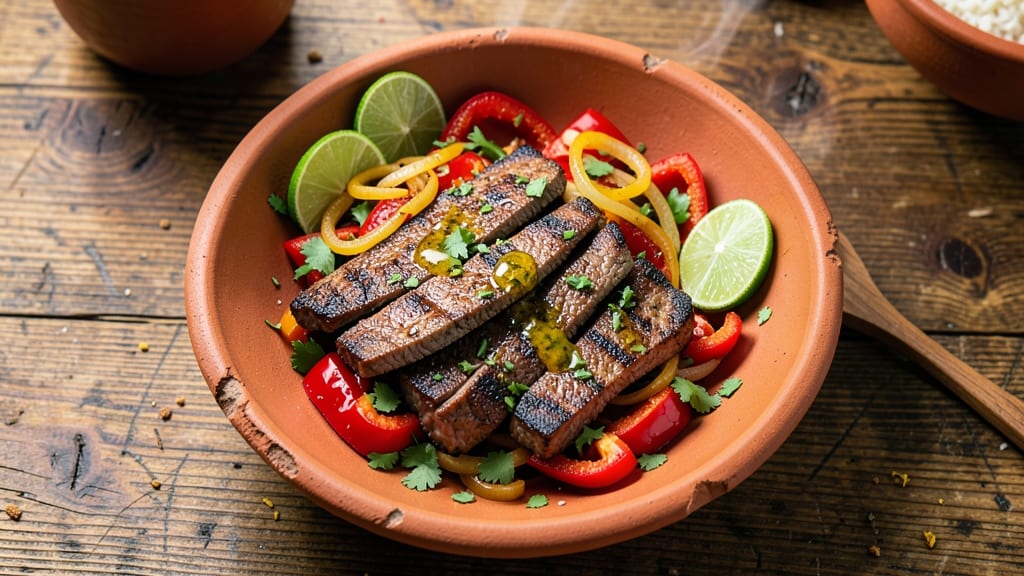
This authentic Mexican beef fajita recipe transforms simple skirt steak into restaurant-quality charred strips with smoky, citrusy depth—just like your favorite taquería. The secret lies in marinating the beef with lime, garlic, and cumin for at least 30 minutes (longer if possible), then searing it over high heat until perfectly caramelized on the edges.
That's when the real magic happens: the beef develops a deep, charred crust while staying tender inside, balanced by the bright acidity of the marinade.
What sets this recipe apart is the attention to traditional techniques—skillet cooking over high heat for that signature char, using corn tortillas (not flour) for authentic texture, and serving with classic sides like warm refried beans, cilantro-lime rice, and fresh pico de gallo.
The marinade isn't just flavor; it's a cultural foundation, blending Mexican spices with fresh lime juice to create a balance that's both bold and refreshing. This isn't just a fajita recipe—it's a taste of Mexico's vibrant street food culture.
By the time you serve these fajitas, your kitchen will smell like a bustling Mexican market, and every bite will deliver that perfect contrast of smoky beef, tender peppers, and warm tortillas.
The charred edges on the beef and peppers add a depth that store-bought versions can't match, while the marinade keeps the meat juicy and flavorful. This dish is designed to impress—whether you're feeding a crowd or treating yourself to a weeknight dinner that tastes like a vacation.
The best part? This recipe delivers restaurant-quality results with minimal effort. The marinade can be prepped ahead, the beef cooks in just 10 minutes, and the sides come together quickly. Serve with lime wedges, sliced avocado, and a sprinkle of fresh cilantro for that final touch of authenticity.
Here's how to make fajitas that taste like they came straight from Mexico City.
Ingredients for authentic mexican beef fajita
Simple ingredients that pack a punch—just like your favorite Mexican street cart.
| Ingredient | Amount | Notes |
|---|---|---|
| Skirt Steak 🥩 | 1 ½ lb | Thinly sliced against the grain |
| Bell Peppers 🌶️ | 2 whole | Red and green, sliced into strips |
| Yellow Onion 🧅 | 1 whole | Sliced into strips |
| Fresh Lime Juice 🍋 | ½ cup | From about 4-5 limes |
| Garlic Cloves 🧄 | 6 cloves | Minced finely |
| Ground Cumin 🌿 | 1 tbsp | Toasted for deeper flavor |
| Smoked Paprika 🌶️ | 1 tbsp | For authentic smokiness |
| Salt 🧂 | 1 ½ tsp | Kosher or sea salt |
| Black Pepper 🌶️ | ½ tsp | Freshly ground |
| Vegetable Oil 🫒 | 2 tbsp | For high-heat searing |
| Corn Tortillas 🌽 | 8 whole | Medium-sized, warmed |
| Fresh Cilantro 🌿 | ¼ cup | Chopped, for garnish |
| Avocado 🥑 | 1 whole | Sliced, for serving |
| Sour Cream 🥛 | ¼ cup | For serving |
| Lime Wedges 🍋 | 4 whole | For serving |
Skirt steak is the star here, and you want the thinnest cuts possible. Mexican markets or specialty butchers usually have it pre-sliced, but if you're buying a whole piece, ask for it sliced against the grain. The bell peppers should be firm and vibrant—Trader Joe's often has great organic ones. Fresh cilantro is a must for that authentic finish, but if you're short, a mix of parsley and flat-leaf parsley works in a pinch. The lime juice? Fresh-squeezed only—bottled juice just won't cut it for that bright, tangy kick.
No skirt steak? Flank steak works too, but slice it extra thin. Swap the bell peppers for zucchini or mushrooms if needed, but they won't have the same sweetness. Running low on cumin? Mexican oregano at half the amount gives a similar earthy depth. The smoked paprika is non-negotiable for that authentic smoky flavor—Penzeys or La Boîte have great options. If you can't find corn tortillas, small flour tortillas work in a pinch, but they won't be as traditional. And trust me, toasting the tortillas over the skillet after cooking adds that extra crunch.
The marinade keeps for 2 days in the fridge, so make extra if you're prepping ahead. The cooked fajita filling reheats beautifully—just warm it in a skillet for 2-3 minutes. Store leftovers in airtight containers, and the tortillas? Wrap them in a damp towel to keep them soft. These fajitas are even better the next day once all the flavors meld together—perfect for meal prep. Serve with lime wedges and avocado slices for that true taquería experience.
Why You'll Love This Recipe
- One-Pan Magic: The skirt steak, peppers, and onions all sizzle together on one sheet—no flipping between pans, no sticky mess. I swear, the only cleanup is wiping the knife after slicing the onions (and maybe a quick hand-wash from the lime juice).
- Garlic-Lime Magic: That first hit of fresh lime juice over sizzling garlic? It’s like a flavor reset button. The steak stays juicy with a bright, tangy kick that makes store-bought seasoning packs feel sad by comparison.
- Taco Tuesday Every Day: Between us, this is my lazy Sunday lunch and my "I have friends over at 7" go-to. Double the batch, store the leftovers, and suddenly you’ve got fajitas for three meals—no repeat dinners in sight.
- Budget Steakhouse Hack: Skirt steak is cheaper than sirloin but packs just as much punch when sliced thin and charred right. Honestly, I’ve served this to coworkers who thought they were eating a fancy dinner—no one ever guessed it was a $10 cut.
Step-by-step instructions for authentic Mexican beef fajitas
Here's how to make fajitas that taste like they came straight from a Mexican street stall.
Prep the Skirt Steak and Vegetables
Start by slicing the 1.5 lb skirt steak thinly against the grain—this ensures tender bites. You'll want strips about ¼-inch thick. Place the sliced steak in a bowl and set aside. For the vegetables, cut the 2 whole bell peppers and 1 whole yellow onion into ½-inch strips. This even size ensures everything cooks at the same rate.
Here's the thing—don't wash the peppers or onion after cutting. The natural oils from the steak will cling better to slightly damp surfaces, creating more flavorful fajitas. Pat the steak dry with paper towels before seasoning to help the spices stick.
Season and Sear the Steak
In a small bowl, mix together the 1 tbsp ground cumin, 1 tbsp smoked paprika, 1.5 tsp salt, and 0.5 tsp black pepper. Rub this mixture all over the sliced skirt steak, pressing it into the meat so it adheres well. Let it sit for 10 minutes while you heat your pan.
Heat a large skillet over high heat with the 2 tbsp vegetable oil. Once the oil is shimmering (about 3-4 minutes), add the seasoned steak in a single layer. Don't overcrowd the pan—work in batches if needed. Sear the steak for 2-3 minutes per side until it develops deep brown crusts and is cooked to your liking (medium-rare for fajitas is perfect). Remove the steak and set it aside to rest.
Char the Vegetables
In the same skillet (no need to clean it—the fond adds flavor), add the sliced bell peppers and onion strips. Cook over high heat for 4-5 minutes, stirring occasionally, until they begin to soften and develop char marks. This is where the authentic flavor comes from—the smoky char from the high heat.
After 4 minutes, add the 6 cloves minced garlic and cook for another 30 seconds until fragrant. Pour in the 0.5 cup fresh lime juice and stir everything together. The acidity brightens the flavors and balances the richness of the steak. Remove the vegetables from the pan and set them aside with the steak.
Warm the Tortillas and Assemble
While the meat and vegetables rest, warm the 8 whole corn tortillas. I like to wrap them in a clean kitchen towel and warm them in a dry skillet over medium heat for 20-30 seconds per side, or until pliable. This keeps them from getting soggy when filled. Keep them covered with a clean towel to stay warm.
Slice the 1 whole avocado into thin strips and chop the 0.25 cup fresh cilantro. Set these aside for garnishing. Also, prepare the 0.25 cup sour cream and 4 whole lime wedges for serving.
Combine and Serve
Return the steak and vegetables to the skillet over medium heat and stir everything together. Add a splash of water if needed to create a light sauce that coats the fajita mixture. Taste and adjust seasoning with more salt or lime juice if needed.
Now it's time to assemble. Spoon the fajita mixture onto each warm tortilla, then top with avocado slices, a dollop of sour cream, and a sprinkle of fresh cilantro. Serve immediately with lime wedges on the side for squeezing. The key to great fajitas is serving them right away—this keeps the tortillas from getting soggy and the flavors at their peak.
Pro Tips For Making Authentic Mexican Beef Fajita
- Slice Against the Grain: Skirt steak’s muscle fibers run diagonally—cutting perpendicular to them turns chewy meat into tender strips. Grab your sharpest knife and angle it at 45 degrees to the grain, then slice. (Yes, it’ll feel weird at first, but your fajitas will thank you.)
- Char the Onions First: Toss sliced yellow onion into the hot pan before the peppers. It caramelizes faster and deeper, giving that smoky-sweet base fajitas need. If you’re impatient, lower the heat slightly after 2 minutes—burnt onions ruin everything.
- Rest the Meat Twice: First, let the steak rest 5 minutes after searing (under foil, no peeking). Then, after slicing, give it another 5 minutes on a warm plate. Skipping this step means juices pool on your plate instead of in the meat.
- Use Two Limes: One for cooking (juice squeezed over the hot peppers and onions at the end), one for serving. The cooking lime brightens the veggies, but the fresh squeeze at the table is non-negotiable—it’s the acid that wakes up the flavors. (Save the zest for garnish if you’re fancy.)
Troubleshooting this recipe
Overcooked Steak
If your skirt steak comes out tough or dry, you likely cooked it too long or at too high a heat. Skirt steak should be cooked to medium-rare (130-135°F internal temperature) for fajitas—any hotter and it turns chewy.
Use an instant-read thermometer to check doneness. For extra tenderness, slice the steak thinly against the grain before cooking, and don’t overcrowd the pan. 🌡️
Mushy Tortillas
Soggy tortillas are a classic fajita fail, but it’s easy to fix. Warm tortillas in a dry skillet for 20-30 seconds per side until pliable, then keep them covered with a clean towel until serving.
For extra insurance, wrap them in a damp paper towel and microwave for 10-15 seconds before assembling. Never stack them directly on top of wet ingredients—assemble fajitas right before serving. 🌽
Bland Flavors
If your fajitas taste flat, the marinade likely didn’t have enough time to penetrate the meat. Let the skirt steak marinate for at least 30 minutes (overnight is even better). Fresh lime juice is non-negotiable—bottled juice lacks the bright acidity.
Toast your spices (cumin and smoked paprika) in a dry pan for 30 seconds before mixing to deepen their flavor. Taste as you go and adjust with extra lime or salt. 💫
Uneven Cooking
If some pieces are raw while others are overdone, you’re probably overcrowding the pan. Cook the steak in single layers and work in batches if needed.
For the vegetables, cut them into even-sized strips so they cook uniformly. A 12-inch cast-iron skillet is ideal—it distributes heat evenly and retains high temperatures. 🔥
Sticky Skillet
Fajita fillings can stick to the pan if there’s not enough oil or the heat isn’t high enough. Use 2 tbsp vegetable oil and heat the skillet until it’s shimmering before adding the meat.
If the mixture sticks, deglaze the pan with 2 tbsp water or lime juice to lift the fond (those browned bits are flavor gold!). A well-seasoned cast-iron skillet helps too—it naturally releases food better over time. ⚡
No Charred Flavor
That smoky, charred taste is essential for authentic fajitas. If your peppers and onions aren’t developing char marks, your heat isn’t high enough. Crank the burner to high heat and let the vegetables sit undisturbed for 1-2 minutes before stirring.
A gas flame works best—electric coils struggle to reach the necessary heat. Char is flavor, so embrace the smoke! 🌶️
Nutrition facts
Frequently asked questions
Can I use flank steak instead of skirt steak?
Yes, flank steak works perfectly—it's just as tender when sliced thinly against the grain. For best results, trim any large fat deposits first. Flank steak has a slightly different texture (more fibrous) but still delivers that delicious charred flavor. Just be sure to slice it paper-thin before cooking.
What's the best way to store leftover fajita filling?
Store cooked fajita filling in an airtight container in the fridge for up to 3 days. The flavors actually improve overnight! Reheat gently in a skillet over medium heat for 2-3 minutes, adding a splash of water if it seems dry. For longer storage, freeze portions for up to 1 month—just thaw overnight in the fridge before reheating.
Why do my tortillas get soggy so fast?
This happens when tortillas sit too long with wet fillings. The fix? Warm tortillas until pliable, then assemble fajitas right before serving. For extra insurance, wrap warm tortillas in a clean kitchen towel to keep them soft. Never stack them directly on wet ingredients—build your fajita just before eating to maintain that perfect texture.
Can I make this vegetarian?
Swap the beef for portobello mushrooms or firm tofu marinated in the same lime-cumin mixture. For extra texture, add bell peppers and onions (already in the recipe) and cook them until tender. The charred flavor works just as well with plant-based proteins—just reduce cooking time slightly.
What's the secret to getting that perfect char?
The char comes from high heat and patience. Use a cast-iron skillet on the hottest burner setting, then let the vegetables sit undisturbed for 1-2 minutes before stirring. A gas flame works best—it creates those beautiful blackened edges. For extra smokiness, cover the skillet briefly while cooking to concentrate the steam and char.