
Main Courses
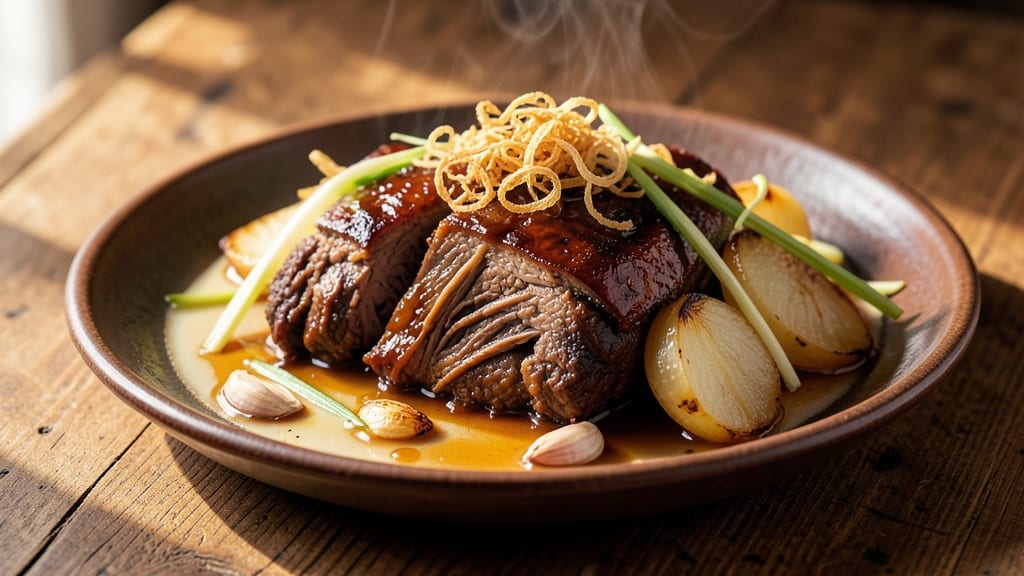
This authentic Indonesian beef rendang recipe brings the rich, caramelized flavors of West Sumatra to your kitchen, where slow-cooked beef transforms into tender, spice-infused perfection. 🌟 The secret lies in the intricate spice paste—layered with lemongrass, galangal, and kaffir lime—and hours of gentle simmering in coconut milk until the sauce reduces to a glossy, aromatic glaze.
The process demands patience, but the result is unmistakably worth it: deeply savory beef with a complex balance of sweet, spicy, and umami notes. Unlike quicker curries, rendang develops its signature depth through slow reduction, creating a sauce that clings to every bite.
This isn’t just a dish—it’s a celebration of Indonesian culinary tradition.
From marinating the beef to blending the spice paste and slow-cooking until the oil separates, each step ensures authenticity. The final dish pairs beautifully with steamed rice or ketupat, where the fragrant sauce soaks into every grain.
This recipe delivers restaurant-quality flavor at home, with tips to perfect the texture and balance of spices.
Ready to master the art of rendang? Let’s begin with the foundational spice paste—the heart of this dish—and work our way to a slow-cooked masterpiece that will have everyone asking for seconds.
Ingredients for authentic indonesian beef rendang
Sixteen ingredients for a dish that captures Indonesia's rich culinary soul through slow-cooked perfection.
| Ingredient | Amount | Notes |
|---|---|---|
| Beef Chuck Roast 🥩 | 3 lb | Cut into 1.5-inch cubes, marbling preferred |
| Full-Fat Coconut Milk 🥥 | 2 cans | 13.5 oz each, Thai Kitchen brand recommended |
| Yellow Onions 🧅 | 2 whole | Medium size, thinly sliced |
| Garlic Cloves 🧄 | 10 cloves | Peeled, roughly chopped |
| Galangal 🌿 | 1 piece | 3-inch, peeled and sliced (substitute ginger if unavailable) |
| Lemongrass 🌿 | 1 stalk | 3-inch, tough outer layers removed |
| Kaffir Lime Leaves 🍋 | 4 leaves | Bruised to release oils |
| Shallots 🧅 | 6 whole | Peeled, thinly sliced |
| Turmeric Powder 🌶️ | 1 tbsp | Freshly ground preferred |
| Coriander Seeds 🌿 | 1 tbsp | Toasted for depth of flavor |
| Cumin Seeds 🌿 | 1 tsp | Toasted lightly |
| White Peppercorns 🌶️ | 1 tsp | Crushed lightly |
| Star Anise 🌟 | 2 whole | Lightly crushed |
| Cinnamon Sticks 🌿 | 2 whole | 2-inch pieces |
| Brown Sugar 🍚 | ½ cup | Packed, light variety |
| Tamari or Soy Sauce 🍶 | 2 tbsp | Gluten-free preferred |
| Vegetable Oil 🫒 | 2 tbsp | For initial searing |
| Salt 🧂 | 1 ½ tsp | Diamond Crystal kosher salt |
The beef selection is critical—chuck roast with visible marbling ensures tender, flavorful bites. Costco or high-end grocery stores like Whole Foods carry the best quality, but any butcher can cube a roast for you. For the spice paste, fresh galangal and lemongrass are non-negotiable—they provide that authentic Indonesian brightness. If you can't find galangal, substitute ginger at half the amount, but know it won't be identical. Kaffir lime leaves are the secret weapon; Asian markets stock them year-round, and a few leaves go a long way. Toast your whole spices (cumin, coriander, star anise) in a dry pan for 30 seconds before grinding to wake up their flavors—this simple step transforms ordinary spices into aromatic powerhouses.
No galangal? Ginger plus a pinch of cardamom mimics its peppery kick, though purists will notice the difference. Running short on kaffir lime leaves? Double the lemongrass and add 1 tsp lime zest for citrusy depth. The coconut milk must be full-fat—light versions won't develop that signature caramelized sauce. For the sugar, palm sugar if available adds authentic caramel notes, but brown sugar works beautifully too. The tamari or soy sauce adds umami depth; gluten-free versions are ideal for dietary restrictions. Pro tip: Thai Kitchen coconut milk cans are widely available and consistently high-quality, but any brand with no additives works. If you're making this ahead, the spice paste can be prepped and frozen for up to 3 months—just thaw before using.
This rendang tastes even better the next day as the flavors meld. Store leftovers in an airtight container in the fridge for up to 5 days, or freeze for 3 months—the sauce thickens beautifully when reheated. For serving, pair with jasmine rice or steamed ketupat (rice cakes), and garnish with fresh cilantro or Thai basil if you're feeling fancy. The dish improves with each reheating as the sauce continues to reduce and intensify. Double the recipe if you're feeding a crowd—it's that good. Leftovers make fantastic lunches; portion into containers with a scoop of rice for easy grab-and-go meals.
Why You'll Love This Recipe
- Slow-Simmer Magic: I swear by the low-and-slow method—just let that beef and coconut milk melt together for hours while you do other things. The longer it cooks, the deeper the flavor gets, and honestly? That’s where the real magic happens.
- Coconut-Galangal Bomb: Between us, the galangal is the secret weapon—it’s like citrusy ginger but way more complex. When it caramelizes with the onions and garlic, you get this rich, slightly spicy-sweet depth that makes every bite unforgettable.
- Weeknight to Party Hero: Make a big batch on Sunday, and you’ve got dinner covered for the whole week. Or double it for guests—it reheats beautifully and tastes even better the next day. (Yes, even on a Tuesday night.)
- Budget-Friendly Luxury: Beef chuck roast is affordable, and the coconut milk stretches far, so you’re feeding a crowd without breaking the bank. Plus, the leftovers? They’re just as good cold in sandwiches or over rice the next day.
Step-by-step instructions for authentic Indonesian beef rendang
Master this traditional slow-cooked masterpiece with rich spice layers and tender beef.
🔥 Step 1: Prepare the Spice Paste Foundation
Toast the 1 tablespoon coriander seeds and 1 teaspoon cumin seeds in a dry skillet over medium heat for 2-3 minutes until fragrant and golden. Immediately transfer to a bowl and let cool for 5 minutes—this prevents steam from interfering with grinding.
Using a spice grinder or mortar and pestle, grind the toasted seeds with the 1 tablespoon turmeric powder, 1 teaspoon white peppercorns, 2 lightly crushed star anise, and 2 cinnamon stick pieces into a fine powder. This aromatic base forms the heart of rendang's complex flavor profile. Set aside for the next step.
🍳 Step 2: Sear and Build Flavor Layers
Heat the 2 tablespoons vegetable oil in a heavy Dutch oven over medium-high heat. Add the 3 lb beef chuck roast cut into 1.5-inch cubes and sear for 5-6 minutes until deeply browned on all sides. Remove beef and set aside.
In the same pot, add 2 whole yellow onions and 6 whole shallots sliced thin, cooking for 5 minutes until softened. Add the 10 peeled garlic cloves, 1 piece galangal, 1 stalk lemongrass, and 4 bruised kaffir lime leaves, cooking for another 2 minutes until fragrant. Pour in the spice paste and stir vigorously for 1 minute to toast the spices.
🥘 Step 3: Simmer the Coconut Milk Mixture
Pour in the 2 cans full-fat coconut milk, scraping up any browned bits from the bottom. Add 0.5 cup brown sugar, 2 tablespoons tamari or soy sauce, and 1.5 teaspoons salt. Return the beef to the pot, ensuring it's fully submerged in the liquid. Bring to a gentle simmer over low heat.
Here's where patience pays off: simmer uncovered for 2 hours until the coconut milk reduces by half and the sauce thickens to a glossy consistency. Stir occasionally to prevent sticking, and watch for the sauce to develop a rich, caramelized color. The beef should be tender but still firm to the touch.
⏰ Step 4: Reduce and Develop the Signature Bark
Increase heat to medium-low and continue simmering for another 1.5-2 hours until the sauce reduces dramatically, coating the beef in a thick, dark glaze. This final reduction creates rendang's distinctive caramelized exterior. The sauce should be syrupy enough to cling to the beef without pooling at the bottom.
Real talk: this is the moment that matters. The beef should be fork-tender with a deep mahogany bark. If the sauce reduces too quickly, add 1-2 tablespoons water to maintain balance. The aroma should be intoxicating—complex layers of coconut, spices, and caramelized sweetness.
🍽️ Step 5: Rest and Serve Traditionally
Remove from heat and let the rendang rest for 15 minutes before serving. This resting period allows the juices to redistribute, ensuring each bite delivers maximum flavor. Serve with steamed jasmine rice to soak up the rich, aromatic sauce.
For authenticity, garnish with fresh cilantro and serve with lime wedges on the side. The beef should be tender enough to pull apart with a fork while maintaining a slight resistance. Each bite should deliver layers of spice, sweetness, and umami—this is the essence of authentic Indonesian rendang.
Pro Tips For Making Authentic Indonesian Beef Rendang
- Blanch the Galangal First: Peel it thick—no need for paper-thin slices—and simmer the chunks in water for 5 minutes before adding to the paste. This softens the fibers so they melt into the sauce instead of turning to mush later. (Yes, even if you’re impatient like me, resist the urge to skip this.)
- Sear the Beef in Batches: Crowding the pan means steamed beef, not browned. Work in 2-inch-thick layers, letting each side develop a crust before moving to the next. The Maillard reaction here builds the depth of flavor—don’t rush it, or you’ll end up with bland beef in a coconut stew.
- Reduce the Paste Dry Before Adding Coconut Milk: Cook the spice paste (turmeric, shallots, garlic, galangal) until it’s a thick, sticky sludge—no oil left, just dark and glossy. This ensures the flavors concentrate before the coconut milk dilutes them. I learned this the hard way after a watery, pale rendang that tasted more like soup.
- Use Two Cans of Coconut Milk: One can for the initial simmer, another later to balance the sauce. The first reduces into a rich paste; the second adds creaminess without making the dish gloppy. (And no, light coconut milk won’t cut it—this isn’t a shortcut, it’s the rule.)
Regional styles of this authentic indonesian beef rendang
Minangkabau Roots
The rendang we're making today traces its origins to the Minangkabau people of West Sumatra, where it's traditionally cooked for special occasions like weddings and religious festivals.
The dish was historically prepared in large earthenware pots over open fires, allowing the slow cooking process to develop its signature depth. 🌟 This communal cooking style reflects the Minangkabau matrilineal culture, where women often prepared meals for gatherings that could last for days.
In Minangkabau homes, rendang was (and still is) a way to preserve food—its long shelf life made it perfect for storing during dry seasons. The caramelized sauce acts as a natural preservative, allowing the dish to keep for weeks without refrigeration.
This practicality combined with its rich flavors made rendang a staple across Indonesia, particularly in Sumatra, Java, and even Malaysia.
Padang Street Food
While rendang has deep cultural roots, its most famous modern incarnation comes from Padang cuisine, the capital of West Sumatra. Here, rendang became a street food sensation, served in small portions at warungs (local eateries) alongside steamed rice and sambal.
The Padang version often includes more coconut milk and a slightly sweeter profile, balancing the heat of the spices.
What makes Padang rendang special is its textural contrast—the tender beef with its caramelized crust pairs perfectly with the soft, fluffy rice. Locals often eat it with their hands, using the rice to scoop up the beef and sauce.
This hands-on approach highlights how rendang is meant to be enjoyed communally, with every bite shared among family and friends.
Javanese Adaptations
When rendang spread to Java, it underwent subtle but significant transformations. Javanese rendang often incorporates more tamarind or palm sugar, giving it a tangier, slightly sweeter profile.
The cooking process also tends to be slightly faster, with some versions using a pressure cooker to achieve tenderness in under 2 hours—though purists argue this misses the mark on authenticity. 🥗
In Yogyakarta and Central Java, rendang is frequently served with raw shallots and lime wedges on the side, allowing diners to customize the heat and acidity to their preference. This adaptation reflects Java's love of fresh, bright flavors balancing rich, slow-cooked dishes.
The Javanese version also often includes chicken or duck alongside beef, creating a more complex, multi-protein dish.
Modern Twists
Today, rendang has evolved beyond its traditional roots with creative adaptations that keep it relevant in modern kitchens. Some chefs add jackfruit or mushrooms for a vegetarian version, while others experiment with smoked paprika or chili oil for a fusion twist.
The key is maintaining the slow-cooking principle—rushing the process sacrifices the dish's soul. 🔥
For home cooks, modern rendang often includes shortcuts like pre-made spice pastes or instant pots, but these can compromise the depth of flavor. If you're experimenting, try adding a splash of coconut cream at the end for extra richness or a pinch of MSG to enhance umami.
The goal is to honor tradition while making the dish accessible to today's busy lifestyles.
Nutrition facts
Frequently asked questions
Why does authentic rendang need such a long cooking time?
The 3-4 hour slow cook is essential for developing rendang's signature caramelized sauce and tender beef. The extended simmer allows the spices to meld deeply into the meat while the coconut milk reduces to a glossy, concentrated glaze. This process creates the perfect balance of sweet, spicy, and umami flavors that define the dish.
Can I substitute any of the traditional spices?
While you can make substitutions, they'll affect the final flavor. For galangal, use ginger plus cardamom (half the amount). For kaffir lime leaves, double the lemongrass and add lime zest. Star anise can be omitted if unavailable, but it adds depth. Always toast your whole spices before grinding to maximize flavor.
How do I know when the sauce is reduced enough?
The sauce should coat the back of a spoon and leave a slight trail when dipped. The beef should be fork-tender with a dark mahogany bark. If the sauce reduces too quickly, add 1-2 tablespoons water to maintain balance. The final texture should be syrupy but not watery.
Can I make rendang in an Instant Pot or slow cooker?
Yes! For Instant Pot: Sauté beef and aromatics, then pressure cook on high for 45 minutes followed by natural release. For slow cooker: Use low heat for 6-8 hours. However, the stovetop method creates the most authentic caramelized crust. The key is patience—rushing compromises the dish's soul.
What's the best way to store and reheat leftovers?
Store in an airtight container in the fridge for up to 5 days or freeze for 3 months. Reheat gently in a saucepan with 1-2 tablespoons water to prevent drying. The flavors actually improve overnight as the sauce continues reducing. Leftovers make amazing lunches—just portion with rice!