
Soups & Stews
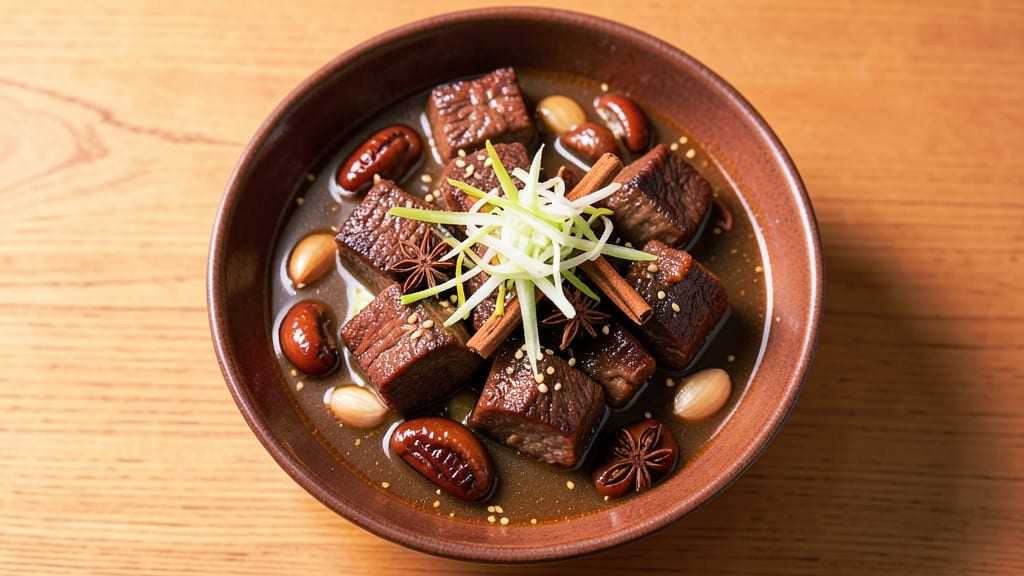
This authentic Chinese beef stew recipe brings the deep, complex flavors of a traditional Chinese kitchen to your home—slow-simmered until the beef is fork-tender and the broth is rich with soy, ginger, and aromatic spices. The secret lies in the balance of sweet, salty, and umami, achieved through careful layering of ingredients and hours of gentle cooking. This isn’t just a stew; it’s a taste of nostalgia, where every spoonful tells a story of cultural tradition and home-cooked warmth.
The magic happens in the slow braising process, where tough cuts of beef transform into melt-in-your-mouth perfection while absorbing the fragrant broth. Star anise, cinnamon, and Sichuan peppercorns infuse the liquid with layers of warmth and depth, while soy sauce and ginger create that signature sweet-savory harmony.
Unlike quicker recipes, this stew rewards patience—each hour of simmering builds flavor until the aroma alone makes your kitchen feel like a bustling Chinese restaurant.
By the time you serve this dish, you’ll have a steaming bowl of tender beef swimming in a glossy, spice-infused broth, ready to be paired with steamed jasmine rice for the full experience.
The texture is unmatched—crisp edges on the beef, silky broth, and a perfect balance of heat and sweetness that lingers on the palate.
This is comfort food at its finest, a dish that feels both celebratory and deeply comforting, whether you’re feeding a family or treating yourself to a taste of tradition.
The best part? Leftovers only get better as the flavors meld further, making this an ideal meal for prepping ahead. Once you try this version, you’ll understand why it’s a staple in Chinese households—authentic, hearty, and impossible to resist. Let’s get started on creating something truly special.
Ingredients for authentic chinese beef stew
These pantry staples and specialty spices create the heart of Chinese home cooking.
| Ingredient | Amount | Notes |
|---|---|---|
| Beef Chuck Roast 🥩 | 2 ½ lb | Tough cut for braising, cut into 1.5-inch cubes |
| Light Soy Sauce 🍶 | ½ cup | Kikkoman preferred for authentic flavor |
| Fresh Ginger Root 🌿 | 2 tbsp | Finely grated, skin on for texture |
| Garlic Cloves 🧄 | 6 cloves | Smashed, not minced for deeper flavor |
| Star Anise Pods 🌟 | 2 whole | Whole pods for easy removal |
| Cinnamon Sticks 🌿 | 2 whole | 1-inch pieces for gentle infusion |
| Sichuan Peppercorns 🌶️ | 1 tbsp | Lightly toasted for aroma |
| Brown Sugar 🍚 | ¼ cup | Packed, for caramelized depth |
| Red Wine 🍷 | ½ cup | Dry Cabernet Sauvignon preferred |
| Beef Broth 💧 | 4 cups | Homemade or high-quality store-bought |
| Green Onions 🧅 | 4 whole | White and green parts separated |
| Cornstarch 🌾 | 1 tbsp | For thickening broth at the end |
| Sesame Oil 🫒 | 1 tbsp | Toasted, for finishing |
| Salt 🧂 | 1 tsp | Kosher salt, adjust to taste |
| Black Pepper 🌶️ | ½ tsp | Freshly ground for warmth |
The beef is everything here—chuck roast with good marbling breaks down beautifully during the long simmer. Costco or Whole Foods usually carry it pre-cut, but if you're buying a whole roast, ask the butcher to cube it for you. Fresh ginger and garlic are non-negotiable for that bright, vibrant flavor, though you can use powdered in a pinch. Star anise and cinnamon sticks add warmth, but if you can't find them, ground cinnamon at half the amount works. Sichuan peppercorns are the secret weapon—they give that signature tingling heat. I grab mine from the Asian market, but Penzeys carries them too.
No red wine? Substitute with extra beef broth and a splash of balsamic vinegar—it mimics the acidity. Fresh ginger too fibrous? Powdered ginger at one-third the amount gets you close, but you'll lose some of that fresh bite. The soy sauce matters—light soy for this recipe, not dark. If you only have dark, reduce the amount by half. For the cornstarch thickening, make sure it's a fine powder—Bob's Red Mill is my go-to. And if you're short on sesame oil, a pinch of toasted sesame seeds works too, though it won't have the same aromatic punch.
This stew tastes even better the next day, so make extra. Keeps for 5 days in the fridge or 3 months frozen. For freezing, portion into containers with a little broth on top to prevent a skin from forming. Reheat gently on the stove—never microwave, or the broth gets rubbery. Serve with steamed jasmine rice, and don't forget the extra sesame oil drizzle. The aroma alone will have everyone gathering at the table.
Why You'll Love This Recipe
- One-Pot Magic: I swear by this—just toss the beef, ginger, and star anise into a pot, cover it, and walk away. No chopping mountains of veggies or fussing with multiple pans. The chuck roast practically melts into tender perfection while you’re doing laundry or scrolling through your phone.
- Umami Bomb: That light soy sauce and star anise combo? It’s the secret weapon. The beef soaks up all the deep, savory notes while staying juicy, and the garlic-ginger punch cuts through with just the right bite. Honestly, I’ve had takeout that didn’t hit this hard.
- Leftover Goldmine: This stew only gets better the next day. The flavors meld into something richer, and it reheats like a dream—perfect for packed lunches or lazy Sunday suppers. I make double batches just so I can enjoy it twice without the extra effort.
- Budget Stretch: A chuck roast is cheap, and these spices last forever. You’re not just feeding a family—you’re feeding them well without breaking the bank. Plus, the leftovers turn into quick stir-fries or noodles the next day. Efficient? Yes. Delicious? Absolutely.
Step-by-step instructions for authentic Chinese beef stew
Here's how to create rich, aromatic beef stew with traditional Chinese flavors and perfect texture.
Prepare the Beef and Aromatics
Cut the 2.5 lb Beef Chuck Roast into 1.5-inch cubes—this size ensures even cooking and tender results. Pat them dry with paper towels to remove excess moisture, which helps create a better sear later. In a small bowl, combine the 2 tbsp Fresh Ginger Root (finely grated with skin on) and 6 cloves Garlic Cloves (smashed with the side of your knife). Set aside—these will infuse the stew with deep, complex flavors.
Lightly toast the 1 tbsp Sichuan Peppercorns in a dry skillet over medium heat for 1-2 minutes until fragrant. This step releases their aromatic oils and intensifies their flavor. Remove from heat and let cool before adding to the stew. The 2 whole Star Anise Pods and 2 whole Cinnamon Sticks can be added whole—they'll infuse the broth beautifully and can be easily removed before serving.
Sear the Beef and Build the Base
Heat a large Dutch oven over medium-high heat until hot. Add the beef cubes in batches, allowing 2-3 minutes per side to develop a deep brown crust. This step is crucial—it locks in juices and creates the rich foundation for your stew. As you sear, remove the beef and set it aside in a bowl. You don't want to crowd the pan, or the temperature will drop and the beef won't brown properly.
Once all the beef is browned, reduce heat to medium and add 1 tbsp Sesame Oil, stirring to coat the bottom of the pot. This oil will carry the flavors of the searing and add depth to the stew. Add the grated ginger and garlic, cooking for 1 minute until fragrant. Then add the 0.5 cup Light Soy Sauce, 0.25 cup Brown Sugar, and 0.5 cup Red Wine, scraping up any browned bits from the bottom of the pot. These ingredients will form the flavorful base of your stew.
Simmer the Stew to Perfection
Return the beef to the pot and add the 4 cups Beef Broth, 1 tsp Salt, and 0.5 tsp Black Pepper. Stir gently to combine, then bring to a gentle boil. Once boiling, reduce heat to low and cover the pot. Let the stew simmer for 2 hours, stirring occasionally. This slow cooking time is essential—it breaks down the tough beef fibers and allows all the flavors to meld together beautifully.
After 2 hours, check the beef for tenderness. It should be fork-tender, with no resistance when pierced. If it's not quite tender, continue simmering for another 30-45 minutes. The stew should reduce slightly, becoming thicker and more concentrated in flavor. The aroma should be rich and inviting—this is your cue that the flavors are developing perfectly.
Finish and Thicken the Stew
In a small bowl, mix the 1 tbsp Cornstarch with 2 tablespoons of cold water to create a slurry. Stir this into the stew and let it simmer for 5-7 minutes until the liquid thickens slightly. This step ensures the stew has a luscious, velvety texture without being overly thick. Taste and adjust seasoning with additional soy sauce or salt if needed—you want a balance of sweet, salty, and umami flavors.
Remove the Star Anise Pods and Cinnamon Sticks from the stew. Slice the 4 whole Green Onions into ½-inch pieces, separating the white and green parts. Add the white parts to the stew and simmer for 2 minutes to infuse additional flavor. Drizzle in the 1 tbsp Sesame Oil just before serving—this adds a final aromatic touch and enhances the overall richness of the dish.
Pro Tips For Making Authentic Chinese Beef Stew
- Sear the Beef First: Don’t skip this step—high heat for 3-4 minutes on each side builds flavor and texture. I used to rush this, and the stew always tasted flat. A deep caramelized crust locks in juices later, even after hours of simmering.
- Slice Ginger Thinly: Use a mandoline or sharp knife for paper-thin slices—no thick chunks. My grandmother swore by this, and she was right: thin ginger infuses faster and dissolves into the sauce instead of sitting as chewy bits.
- Simmer Low and Slow: After the initial boil, drop to a bare simmer—tiny bubbles, not rolling. I learned this the hard way when my first batch turned to mush from too much heat. Two hours at low heat makes the beef fork-tender without falling apart.
- Toast the Star Anise: Dry-toast the whole pods in a pan for 30 seconds until fragrant before adding to the stew. Sounds weird, but it works: this releases their essential oils, giving the dish that deep, aromatic punch without bitterness.
Serving suggestions for authentic chinese beef stew
Steamed Jasmine Rice
This is the classic pairing for your beef stew, absorbing the rich broth beautifully. Use jasmine rice for its delicate floral aroma that complements the savory flavors.
For perfect texture, rinse 1 cup uncooked jasmine rice until the water runs clear, then cook with 1.5 cups water and ½ tsp salt in a rice cooker or pot with a tight lid. Let it steam for 15 minutes after the water absorbs completely. 🍚
Quick-Pickled Vegetables
Add a bright, tangy contrast to cut through the richness. Thinly slice 1 cup daikon radish and 1 carrot, then soak in a mixture of ½ cup rice vinegar, 1 tbsp sugar, and ½ tsp salt for at least 30 minutes.
The crisp texture and vinegar balance the stew's deep flavors perfectly.
Wonton Wrappers
For a fun, interactive serving style, offer wonton wrappers for scooping up stew. Lightly pan-fry them until golden and crispy, then let guests fill them with beef and broth. This adds a satisfying crunch and makes the meal feel special. I like using King Noodle brand for their perfect texture.
Scallion Oil Noodles
Create a quick side dish by stir-frying 8 oz fresh egg noodles with 2 tbsp scallion oil (available in Asian markets) and 2 chopped scallions. Toss with a pinch of salt and serve alongside the stew. The oil's nutty aroma enhances the beef's richness without overpowering it.
Garnish Like a Pro
Elevate your presentation with fresh green onions and a drizzle of sesame oil. Just before serving, sprinkle chopped green onions over each bowl and finish with 1 tsp sesame oil. This adds freshness and a final aromatic touch that makes the dish look restaurant-worthy. 🌿
Wine Pairing
For an authentic touch, pair your stew with a dry Chinese red wine like Cabernet Sauvignon or Gewürztraminer. The wine's acidity cuts through the stew's richness while complementing the soy and ginger notes. A chilled Tsingtdao beer also works beautifully for a casual setting.
Nutrition facts
Frequently asked questions
Why does this recipe use Sichuan peppercorns?
Sichuan peppercorns add that signature tingling warmth and nutty depth that defines authentic Chinese beef stews. When lightly toasted, they release aromatic oils that elevate the broth's complexity. Skip them if you prefer milder heat, but they're key for traditional flavor.
Can I substitute beef chuck with another cut?
For best results, stick with chuck roast—its fat content breaks down beautifully during slow cooking. If unavailable, brisket or short ribs work too, but trim excess fat. Avoid lean cuts like sirloin, as they won't become tender enough.
How do I adjust the sweetness level?
The brown sugar adds natural caramelization, but you can reduce it to 1 tbsp for less sweetness or increase to 3 tbsp for deeper flavor. For a more traditional approach, replace sugar with rock sugar (1 oz)—it dissolves slower, creating a smoother sweetness.
What's the best way to reheat leftovers?
Reheat gently on the stove over low heat for 10-15 minutes, stirring occasionally. Microwaving can make the broth rubbery. If the stew seems too thick, add 1-2 tbsp water or beef broth while reheating. Leftovers taste even better the next day!
Can I make this stew in an Instant Pot?
Yes! Sear the beef first, then add all ingredients except cornstarch. Cook on high pressure for 45 minutes, then quick-release. Finish with cornstarch slurry and sesame oil as directed. The pressure cooker cuts time but may slightly dilute the depth of flavor compared to slow-simmering.