
Main Courses
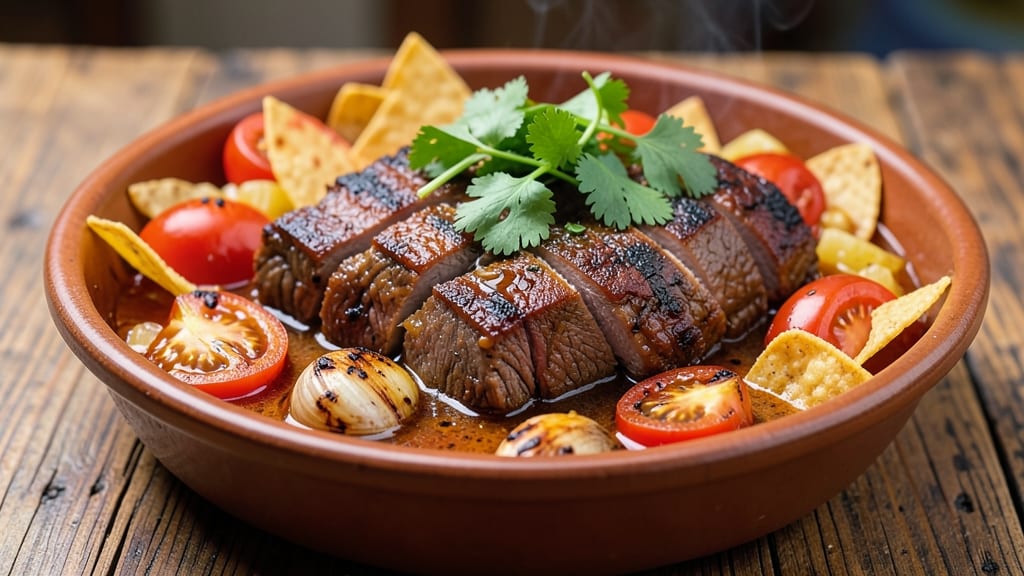
This authentic beef tinga recipe brings the smoky, spicy soul of Mexican street food to your kitchen with just a few key techniques.
The secret lies in charring the chipotle peppers and tomatoes—this caramelization transforms simple ingredients into a rich, complex sauce that clings to tender beef like a second skin.
I’ve perfected this version after years of tasting every variation, from the smoky depth of Oaxacan chipotle to the bright acidity of fresh tomatoes.
The process starts with searing beef until deeply browned, then simmering it in a smoky tomato-chipotle sauce until it’s fork-tender and infused with flavor. What makes this recipe truly authentic is the balance of heat, acid, and earthiness—no shortcuts here.
The result? A dish that’s bold enough for taco nights but refined enough for dinner guests, served with warm tortillas, fluffy rice, or a sprinkle of fresh cilantro.
By the time you’re done, you’ll have a pot of restaurant-quality tinga that’s impossible to resist. The sauce reduces to a velvety consistency, coating every bite of beef with layers of smoky, spicy, and slightly sweet notes.
This isn’t just a recipe—it’s a flavor experience that transports you to the streets of Mexico with every forkful.
Ready to master the art of tinga? The key is patience—let the flavors meld, and don’t rush the charring. Here’s how to make it perfectly every time.
Ingredients for authentic beef tinga
Smoky, spicy, and packed with authentic Mexican soul—just 14 ingredients transform into restaurant-quality tinga.
| Ingredient | Amount | Notes |
|---|---|---|
| Chuck Roast 🥩 | 1 ½ lb | Cut into 1-inch cubes |
| Chipotle Peppers in Adobo 🌶️ | 2 whole | Charred for smoky flavor |
| Roma Tomatoes 🍅 | 4 whole | Charred over flame |
| Yellow Onion 🧅 | 1 whole | Diced, medium size |
| Garlic Cloves 🧄 | 4 cloves | Smoked for depth |
| Beef Broth 💧 | 2 cups | Low-sodium preferred |
| Tomato Paste 🍅 | 2 tbsp | Canned, unsweetened |
| Apple Cider Vinegar 🍎 | 1 tbsp | For tangy brightness |
| Ground Cumin 🌿 | 1 tsp | Toasted for warmth |
| Dried Oregano 🍃 | 1 tsp | Mexican oregano preferred |
| Salt 🧂 | 1 ½ tsp | Kosher or sea salt |
| Black Pepper 🌶️ | ½ tsp | Freshly ground |
| Olive Oil 🫒 | 2 tbsp | For searing beef |
| Fresh Cilantro 🌿 | ¼ cup | Chopped, for garnish |
The chipotle peppers are non-negotiable for that signature smoky depth. Grab the adobo-packed kind from the Latin section at Whole Foods or H-E-B—their Oaxacan chipotles are top-tier. Char them yourself over a gas flame (or broil in the oven) for that caramelized crust. The beef? Chuck roast is your best bet—it stays tender while soaking up all that sauce. If you can't find chuck, chuck-eye steak works in a pinch, but cube it smaller. For the tomatoes, Roma are ideal because they're meaty and hold up to charring—Trader Joe's sells them pre-washed for convenience.
No fresh chipotles? Canned adobo sauce at 2 tbsp gets you close, but you'll miss the smoky char. Swap Roma tomatoes for fire-roasted canned tomatoes (like Muir Glen) if fresh aren't available—they've got that built-in smokiness. The apple cider vinegar is what cuts through the richness, so don't skip it. Need more heat? Add a pinch of cayenne or a dash of hot sauce. For the cumin, toast the whole seeds in a dry pan first—it makes a huge difference. And if you're out of Mexican oregano, regular dried oregano at half the amount works, but it's not the same.
This sauce tastes even better the next day—make extra and freeze portions for up to 3 months. Store leftovers in a sealed container with a thin layer of olive oil on top to preserve freshness. The beef stays tender for 4 days in the fridge, but the sauce? It gets richer. Reheat gently on the stove—no microwaving, or you'll break the sauce. Garnish with fresh cilantro right before serving, or it'll wilt. Serve with warm tortillas, rice, or even over beans for a hearty meal.
Why You'll Love This Recipe
- One-Pan Magic: I swear by this recipe because it’s actually one-pan—no chopping boards, no extra pots. The chuck roast slow-cooks right in the same skillet where the onions caramelize, and by the time the tomatoes break down into that smoky sauce, your kitchen’s cleaner than a Sunday morning.
- Smoky Depth Bomb: That chipotle in adobo? It’s the secret weapon. One taste and you’ll understand why this dish feels like a hug—tangy, smoky, and just spicy enough to linger. The Roma tomatoes soften into a velvety base that soaks up all the flavor, while the garlic? Oh, it’s there, but in the best way—like a warm whisper.
- Taco Night Every Night: Between us, this is my go-to for tacos, burrito bowls, or even stuffed peppers. The leftovers? They hold up for days, and I’ve fed a crowd with it—no one ever asks for seconds (okay, fine, they do, but I don’t tell them no).
- Budget-Friendly Powerhouse: Chuck roast is affordable, and a single batch stretches across meals. I’ll make a big pot on Sunday, use half for tacos, and the rest? It’s Tuesday’s lunch in a wrap or Wednesday’s quesadilla filling. Plus, the adobo sauce adds so much flavor for almost nothing—it’s the kind of dish that makes grocery day feel like a win.
Step-by-step instructions for authentic beef tinga
This smoky, tangy beef tinga delivers restaurant-quality depth with simple techniques.
Char the Chipotles and Tomatoes
Start by removing the chipotle peppers from their adobo sauce and placing them directly over a gas flame (or under a broiler) for 2-3 minutes until they're blistered and blackened in spots. This step unlocks their smoky depth—don't skip it. While they char, cut the Roma tomatoes in half lengthwise and place them cut-side down on a baking sheet. Broil them for 5-7 minutes until their skins blacken dramatically. The charred skins will peel off easily, revealing juicy, smoky flesh underneath.
Once charred, transfer both the chipotles and tomatoes to a bowl. Peel off the tomato skins (they should come off easily with a spoon), then roughly chop both the tomatoes and chipotles. Set aside—their smoky-sweet flavor will form the base of your sauce. I like to keep the adobo sauce from the can too; you'll use it later for extra depth.
Sear the Chuck Roast
Heat 2 tablespoons olive oil in a large, heavy pot (Dutch oven works best) over medium-high heat until shimmering. Pat the 1.5 lb chuck roast dry with paper towels—this ensures a proper sear. Working in batches if needed, add the chuck roast in 1-inch cubes and sear undisturbed for 3-4 minutes until deeply browned on all sides. You want that Maillard reaction happening—this builds flavor foundation.
As the meat browns, add the diced yellow onion to the pot. Let it cook with the meat for 2 minutes before stirring occasionally. The onions will soften and caramelize slightly, adding sweetness to balance the smoky heat. Once the onions are translucent and the meat is browned, remove everything from the pot and set aside.
Build the Smoky Base
In the same pot, reduce heat to medium and add 4 cloves garlic (smashed but not minced). Cook for 30 seconds until fragrant—don't let them burn, or they'll turn bitter. Add 2 tablespoons tomato paste and stir for 1 minute to toast it slightly. This step deepens the tomato flavor and removes the raw taste.
Pour in 1 tablespoon apple cider vinegar and scrape up any browned bits from the bottom of the pot. These bits are pure flavor—don't miss them. Add the charred chipotles and tomatoes, along with 2 cups beef broth. Bring to a simmer, then stir in 1 teaspoon ground cumin, 1 teaspoon dried oregano, 1.5 teaspoons salt, and 0.5 teaspoon black pepper. Return the seared beef and onions to the pot.
Braise Until Tender
Cover the pot and simmer on low heat for 2-2.5 hours, stirring occasionally, until the beef is fork-tender. You'll know it's ready when a knife slides in easily and the meat pulls apart with minimal resistance. If the sauce reduces too much, add a splash of water or broth to keep it moist. The beef should be falling off the bone, but still holding together in strands.
During the last 15 minutes of cooking, add 2-3 tablespoons of the reserved adobo sauce from the chipotle can. This adds another layer of smoky complexity that makes the dish truly authentic. Taste and adjust seasoning—you might need a little more salt or vinegar to balance the flavors.
Finish and Garnish
Once the beef is tender, turn off the heat and let the tinga rest for 10 minutes. This allows the flavors to meld and the sauce to thicken slightly. Before serving, stir in the 0.25 cup chopped fresh cilantro. The bright herb cuts through the richness and adds freshness. Serve immediately over rice, tortillas, or with warm corn bread to soak up every bit of that smoky, tangy sauce.
Here's the thing—real beef tinga gets better as it sits, but it's best served within 2-3 hours of cooking. The flavors continue to develop, and the sauce thickens slightly as it cools. If you have leftovers, store them in the fridge for up to 3 days, but reheat gently to preserve that smoky magic.
Pro Tips For Making Authentic Beef Tinga
- Sear the Chuck Roast First: Skip the slow start—brown that chuck roast in a screaming-hot Dutch oven with 2 tablespoons of oil until it hits deep brown crusts. I used to rush this, and the sauce never had the same depth of flavor. The Maillard reaction is non-negotiable here—it’s what carries the smoky chipotle notes through the whole dish.
- Char the Tomatoes: Toss halved Roma tomatoes directly into the hot pan after removing the beef, cut-side down. Let them blister and darken for 5-7 minutes before adding liquid—this concentrates their sweetness and balances the heat. I learned this the hard way when my tinga tasted too acidic; charring makes a real difference.
- Strain the Adobo Sauce: Chipotle peppers in adobo are packed with seeds and chili debris that muddy the sauce. Strain the sauce through a fine-mesh sieve before adding it to the pot—yes, even if you’re impatient. The texture stays silky, and you avoid that gritty bite that ruins the experience.
- Deglaze with Beer: Swap water for a cold Mexican lager (like Modelo or Pacifico) when deglazing the pan after searing. The bitterness cuts through the richness of the beef, and the carbonation lifts the sauce without thinning it out. I was skeptical until I tried it—now it’s my go-to move.
Regional styles of this recipe
Oaxacan Roots
This dish traces back to Oaxaca, where chipotle peppers—smoked jalapeños—are the star. The region’s love for slow-cooked meats and smoky flavors defines authentic tinga. In Oaxacan homes, they often use pork shoulder instead of beef, but the technique remains identical.
The key difference? Oaxacan versions rely on guajillo chiles alongside chipotles for a deeper, earthier heat. I’ve adapted this recipe to highlight the beef’s richness while keeping that signature Oaxacan smokiness. 🌶️
Northern Mexico Twist
Up north, particularly in Monterrey and Nuevo León, tinga gets a heartier, more robust profile. They often add tomatillos to the sauce, giving it a tangy brightness that cuts through the beef’s richness. For a Northern-style version, blend 2 tomatillos with the charred tomatoes and chipotles.
The result? A sauce with a sharper acidity that pairs perfectly with crispy tortilla chips as a topping. This style is popular in tacos al pastor stands across the region.
Street Food Style
In Mexico City’s markets, you’ll find tinga served as tacos de tinga, piled high on warm corn tortillas with crumbled queso fresco and pickled red onions. The secret to street-style authenticity? Cook the beef slightly leaner—chuck-eye steak works beautifully—and serve it immediately after shredding.
For extra crunch, top with toasted pepitas (pumpkin seeds) and a squeeze of lime. This version is all about bold, unapologetic flavors—no delicate plating here, just pure, smoky satisfaction. 🌮
Yucatán Adaptation
The Yucatán puts its own spin on tinga by incorporating achiote paste, which gives the sauce a vibrant red hue and nutty, earthy depth. For a Yucatecan-inspired version, add 1 tablespoon achiote paste (or 10-12 dried guava leaves, simmered in the broth) to the braising liquid.
The result is a sauce with a subtle sweetness and a deeper color. Pair it with white rice and refried black beans for a dish that feels both familiar and uniquely Yucatecan.
Modern Fusion
Chefs today are reimagining tinga with global influences. In Los Angeles, you’ll find versions with Korean gochujang added to the sauce for a sweet-spicy kick, while New York restaurants often serve it with crispy polenta instead of rice.
For a fusion twist at home, try adding 1 tablespoon gochujang to the sauce or serving the tinga over creamy polenta for a texture contrast. The beauty of tinga is its versatility—it adapts to whatever you’re craving while keeping its smoky, spicy soul intact. ✨
Nutrition facts
Frequently asked questions
Can I substitute pork for beef in this recipe?
Traditional Oaxacan versions often use pork shoulder instead of beef. For best results, cut the pork into 1-inch cubes and follow the same braising time (2-2.5 hours). Pork stays tender longer, so you might want to check for doneness at 2 hours. The sauce will absorb beautifully into the meat, creating that signature smoky richness.
Why does my tinga sauce taste too acidic?
Acidity comes from the apple cider vinegar and charred tomatoes. To balance it, add a pinch of sugar (½ teaspoon) or a splash of beef broth to mellow the tang. For extra depth, stir in 1 tablespoon of adobo sauce from the chipotle can—it adds smokiness that counteracts acidity. Taste as you go! The sauce should be tangy but not sour.
How do I make this recipe spicier?
Add ½ teaspoon cayenne pepper or 1-2 extra chipotle peppers (charred and chopped) to the sauce. For heat control, remove the seeds from chipotles before charring. If you love smoky heat, blend 1 tablespoon of the adobo sauce directly into the finished tinga. Always adjust gradually—you can’t take heat out, but you can add more!
Can I make tinga ahead of time?
Yes! This dish tastes even better the next day. Store leftovers in an airtight container in the fridge for up to 4 days. Reheat gently on the stove with a splash of broth to restore moisture. For freezing, portion into 1-cup servings and freeze for up to 3 months. Thaw overnight in the fridge—never microwave, or the sauce will separate.
What’s the best way to serve beef tinga?
Traditionally, it’s served with warm corn tortillas, steamed white rice, or crispy tortilla chips for scooping. For extra authenticity, top with crumbled queso fresco, pickled red onions, and fresh cilantro. In street-style tacos, pile it high with avocado slices and a squeeze of lime. The sauce is rich, so serve with something to soak it up!