
Main Courses
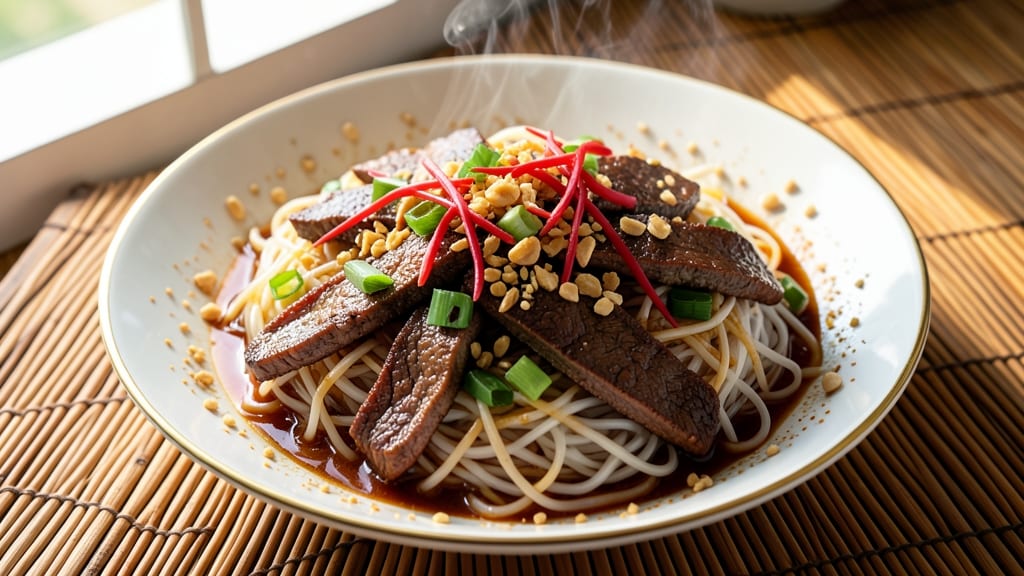
This authentic beef pad Thai recipe brings the vibrant flavors of Thailand straight to your kitchen—where wok heat meets silky rice noodles in a perfect balance of sweet, sour, salty, and umami. The key lies in the tamarind paste, which delivers that signature tangy crunch, while fresh herbs and crushed peanuts add texture and aroma. I’ve perfected this version after countless attempts to capture the restaurant-quality experience at home, ensuring every bite delivers that addictive crunch and rich, savory depth.
The magic happens in the sauce, where tamarind, fish sauce, and palm sugar create a complex harmony that coats the noodles and beef perfectly. The beef is marinated in a simple yet flavorful blend of garlic, soy sauce, and lime, ensuring it stays tender while absorbing the bold flavors.
Unlike many shortcut recipes, this version uses fresh rice noodles that soak up the sauce beautifully, giving you that signature chewy yet tender texture.
What sets this recipe apart is the attention to detail—from the high-heat wok cooking that creates those signature charred edges to the fresh garnishes that add brightness.
You’ll end up with a dish that’s as visually stunning as it is delicious: golden noodles, perfectly seared beef, and a glossy sauce that glistens under the light. The garnishes—bean sprouts, lime wedges, and crushed peanuts—add layers of texture and freshness with every bite.
This recipe is designed to be adaptable while staying true to Thai culinary traditions. Whether you’re serving it at a dinner party or enjoying it as a weeknight meal, the balance of flavors and textures will leave everyone asking for seconds.
Let’s get started on creating your own restaurant-quality pad Thai at home.
Ingredients for authentic beef pad thai
Fresh noodles, tender beef, and bold Thai flavors—here's what makes this pad Thai sing.
| Ingredient | Amount | Notes |
|---|---|---|
| Rice Noodles 🍜 | 8 oz | Fresh, flat rice noodles |
| Thinly Sliced Beef 🥩 | 1 lb | Flank steak or sirloin preferred |
| Tamarind Paste 🍋 | ½ cup | Thai brand preferred, unsweetened |
| Fish Sauce 🌊 | ¼ cup | Red Boat brand recommended |
| Palm Sugar 🍯 | ¼ cup | Or substitute brown sugar |
| Soy Sauce 🥄 | ¼ cup | Light soy preferred |
| Garlic Cloves 🧄 | 6 cloves | Minced for marinade |
| Lime Juice 🍋 | ½ cup | Freshly squeezed |
| Vegetable Oil 🫒 | ¼ cup | High smoke point |
| Crushed Peanuts 🥜 | ½ cup | Toasted for garnish |
| Bean Sprouts 🌱 | 1 ½ cups | Fresh, rinsed |
| Green Onions 🧅 | ¼ cup | Thinly sliced |
| Fresh Thai Basil 🌿 | ¼ cup | Or regular basil |
| Salt 🧂 | 1 tsp | Kosher or sea salt |
| Black Pepper 🌶️ | ½ tsp | Freshly ground |
The tamarind paste is non-negotiable for that signature tang. Thai Kitchen brand is my go-to, but any unsweetened paste works. If you can't find it, substitute lime juice with a pinch of salt—it won't be identical but still delicious. The beef should be thinly sliced against the grain for tenderness. Flank steak is ideal, but sirloin works too. Look for bright red meat with good marbling at Whole Foods or Asian markets—they usually carry the best cuts. Fresh rice noodles soak up sauce better than dried, but if you must use dried, soak them 15-20 minutes before cooking.
No fish sauce? Soy sauce plus a splash of vinegar gets you close. Palm sugar unavailable? Brown sugar works 1:1. The garlic marinade is where the beef gets its depth—don't skip it. For extra wok heat, add a pinch of chili flakes to the sauce. The bean sprouts should be crisp, so rinse them well before using. If you can't find Thai basil, regular basil plus a dash of lime zest bridges the gap. The crushed peanuts? Toast them in a dry pan for 2-3 minutes first—they'll taste a million times better. And yes, you can use store-bought peanut butter as a last resort, but toasted peanuts are worth the effort.
Noodles cook fast—keep them covered with a damp towel while prepping other ingredients. The beef marinates best for 15-30 minutes, but even 10 minutes helps. Sauce can be made a day ahead and stored in the fridge. Garnishes like bean sprouts and basil stay fresh for 3-4 days wrapped in damp paper towels, but use them within 2 days for peak crispness. The peanuts keep indefinitely in a sealed container. For leftovers, store in an airtight container for up to 3 days—reheat gently with a splash of water to restore crispness.
Why You'll Love This Recipe
- No Fuss, Big Payoff: I swear by this recipe because it’s the kind of dish where you almost feel guilty for how little effort it takes. Soak the rice noodles while you prep—no boiling required—and toss them with the beef after it’s seared. That quick wok-style cooking means no waiting, no stress, just that perfect balance of tender beef and chewy noodles in under 25 minutes.
- Tamarind Magic: Honestly, the tamarind paste is what makes this dish sing—it’s tangy, it’s bright, it’s everything. A spoonful of that sticky-sweet paste, balanced with fish sauce and palm sugar, cuts through the richness of the beef and leaves you craving more. (Pro tip: If you can’t find tamarind paste, sub with lime juice + a pinch of sugar, but it won’t be the same.)
- Lunch or Dinner Hero: This is my go-to for both lazy weeknights and when I’ve got friends over unexpectedly. Serve it cold with a lime wedge for a refreshing lunch, or pile it high with crushed peanuts and bean sprouts for a hearty dinner. The noodles hold up amazingly in leftovers too—just reheat with a splash of water and a quick stir.
- Budget-Friendly Powerhouse: Between us, this recipe is a steal. Thinly sliced beef stretches far, and the pantry staples (fish sauce, sugar, tamarind) last for ages. I make it twice a month, and it’s always the dish that gets emptied first. Plus, the leftovers? Even better the next day—if that’s possible.
Step-by-step instructions for authentic beef pad Thai
Here's how to make restaurant-quality Pad Thai with that perfect tamarind crunch and silky noodles.
Prepare the Tamarind Sauce Base
In a small bowl, combine the 0.5 cup tamarind paste, 0.25 cup palm sugar, 0.25 cup fish sauce, and 0.25 cup soy sauce. Whisk until the sugar dissolves completely and the mixture becomes smooth. This sauce is the heart of your Pad Thai—it should be thick but pourable, with a balance of sweet, sour, and salty flavors. If it's too thick, add 1 tablespoon of hot water to loosen it.
Set aside while you prepare the other components. The tamarind paste might be sticky, so I like to use a silicone spatula to scrape every last bit from the bowl for maximum flavor. This sauce needs to sit for 5 minutes to meld the flavors before using, so don't skip this step.
Marinate and Cook the Beef
In a separate small bowl, mix the 1 lb thinly sliced beef with 6 cloves minced garlic, 0.5 tsp black pepper, and 1 teaspoon salt. Let it marinate for 10-15 minutes while you prepare the rest. The beef should be coated evenly—this ensures maximum flavor absorption.
Heat 0.125 cup vegetable oil in a wok or large skillet over high heat until shimmering. Add the beef in a single layer and let it sear undisturbed for 1-2 minutes until the edges turn golden brown. This high heat creates that signature wok-hei flavor. Don't overcrowd the pan—work in batches if needed, reserving any accumulated juices.
Cook the Rice Noodles
Soak the 8 oz rice noodles in warm water for 15-20 minutes until pliable but still slightly firm to the bite. They should be able to hold their shape when lifted with chopsticks. Drain well and set aside, keeping them covered with a damp towel to prevent drying.
Here's the thing—over-soaking makes them mushy, while under-soaking makes them chewy. You want them tender but still with a slight bite. The noodles should be able to bend easily but not break when you test them. Once cooked, they'll finish in the wok, so don't worry about perfect al dente at this stage.
Assemble the Pad Thai
Return the wok to high heat and add the remaining 0.125 cup vegetable oil. Pour in the tamarind sauce and let it sizzle for 1 minute until it begins to bubble. Add the drained rice noodles and toss vigorously for 2-3 minutes until they're coated and heated through.
Push the noodles to one side of the wok and add the 1.5 cups bean sprouts, 0.25 cup green onions, and 0.25 cup fresh Thai basil. Stir-fry for 1-2 minutes until the bean sprouts are bright green and just wilted. The basil should remain vibrant—overcooking turns it bitter. Then add the cooked beef back to the wok and toss everything together.
Finish and Serve
Remove the wok from heat and stir in the 0.5 cup lime juice. Taste and adjust seasoning if needed—you might need a little more fish sauce for saltiness or palm sugar for sweetness. The sauce should coat the noodles and have a bright, tangy finish. If it's too thick, add 1-2 tablespoons of hot water to loosen it.
Divide the Pad Thai among 4 plates and top each serving with 0.125 cup crushed peanuts and an extra sprinkle of green onions and Thai basil. Serve immediately while the noodles are still warm and the peanuts are crispy. The contrast of textures—silky noodles, crunchy peanuts, and tender beef—is what makes this dish so special. Enjoy with a cold drink to balance the bold flavors!
Pro Tips For Making Authentic Beef Pad Thai
- Boil Noodles Until Just Flexible: I learned this the hard way—overcooking rice noodles turns them mushy and unappealing. Test them at 80% of the package’s cook time, then drain immediately. They’ll finish cooking in the wok’s residual heat while you prep the rest.
- Slice Beef Paper-Thin, Freeze First: Thinly sliced beef is a must, but freezing it for 30 minutes makes it easier to slice without tearing. Use a sharp knife and cut against the grain for that signature tenderness—no one wants chewy beef in pad thai.
- Temper the Tamarind: Tamarind paste is sour and potent. Mix it with a splash of warm water first to mellow the flavor—about 1 tablespoon per 2 tablespoons of paste. This prevents an overpowering tang that ruins the balance with fish sauce and palm sugar.
- Work in Batches, Keep Heat High: Crowding the wok lowers the temperature and steams the beef instead of searing it. Cook the beef in two batches if needed, and keep the wok screaming hot between additions. The goal is a quick sear, not a slow simmer.
Wine and beer pairings for this dish
Thai White Wine
For an authentic pairing, reach for a Thai-inspired white wine like Oryza Rice Wine from Thailand—its subtle sweetness and floral notes complement the tamarind sauce beautifully.
If you prefer traditional grape wines, Pinot Grigio from Northern Italy offers crisp acidity that cuts through the richness of the beef and peanut garnish. I always keep a bottle of Barefoot Pinot Grigio on hand for its approachable price and reliable quality. 🍷
Light-Bodied Reds
A light red wine like Beaujolais (specifically Gamay) works surprisingly well with beef pad Thai. Its bright acidity and red fruit flavors balance the dish's sweet and sour elements without overpowering them.
For a Thai-inspired twist, try Shiraz from Thailand—it’s lighter than Australian Shiraz but still packs enough fruit to stand up to the tamarind. Avoid heavy reds like Cabernet Sauvignon, as they’ll clash with the dish’s delicate flavors.
Craft Beer Options
For beer lovers, a light lager or wheat beer is ideal. Singha (Thailand’s most popular beer) has a clean, crisp profile that refreshes your palate between bites. If you’re in the U.S., Peroni or Heineken are great substitutes—their subtle bitterness pairs well with the dish’s sweet and sour notes.
For a local craft option, look for a Thai-inspired IPA with citrus and tropical fruit notes, like Thai Lion Beer (if available) or a hazy IPA with mango or pineapple flavors.
Non-Alcoholic Pairings
Don’t overlook non-alcoholic options! A Thai iced tea (sweetened with palm sugar) mirrors the dish’s flavors while providing a refreshing contrast. For something lighter, try sparkling limeade—the effervescence cleanses your palate between bites.
I also love coconut water chilled with a splash of lime juice, as its subtle sweetness complements the tamarind sauce without competing. 💧
Pro Pairing Tips
Serve your wine or beer chilled but not ice-cold—around 50-55°F for whites and 45-50°F for beers—to enhance their aromas. For a restaurant-style experience, pair with Thai-style fried spring rolls or a mango salad to round out the meal.
Avoid overly oaky or tannic wines, as they’ll overpower the dish’s delicate balance. Trust me, the right pairing elevates every bite from good to unforgettable!
Nutrition facts
Frequently asked questions
Can I use dried rice noodles instead of fresh?
You can, but fresh rice noodles are ideal for authentic texture. If using dried, soak them in warm water for 15-20 minutes until pliable but still slightly firm. Drain well and pat dry before cooking—they'll absorb sauce better than over-soaked noodles. For best results, use 8 oz dried noodles and follow the recipe's cooking time exactly.
How do I make the tamarind sauce less sweet?
Adjust the balance by adding more fish sauce or lime juice—both enhance the tangy profile. Start with 1 extra teaspoon of fish sauce and taste before serving. For a more authentic Thai flavor, reduce the palm sugar to 0.2 cup and compensate with 1 extra tablespoon of tamarind paste for deeper sourness.
What's the best way to slice beef for pad Thai?
Slice against the grain into ¼-inch thick strips for maximum tenderness. Use flank steak or sirloin—they're lean and slice cleanly. For even cooking, marinate for 15 minutes before searing. If your beef is thick, pound it lightly with a meat mallet first to ensure quick cooking in the wok.
Can I make this vegetarian?
Swap beef for tofu or mushrooms. Press and pan-fry 1 lb firm tofu until crispy, or use shiitake mushrooms sliced thin. For extra protein, add 1 cup chickpeas. Keep all other ingredients the same—the tamarind sauce and peanuts will still shine. Just reduce cooking time slightly for tofu.
Why did my noodles turn mushy?
Over-soaking or using too much water in the wok causes this. Always soak noodles in warm water for 15-20 minutes—no boiling! When stir-frying, use high heat and just enough oil to prevent sticking. If they're already mushy, drain well and toss with 1 teaspoon of cornstarch before adding to the wok for quick crisping.