
Main Courses
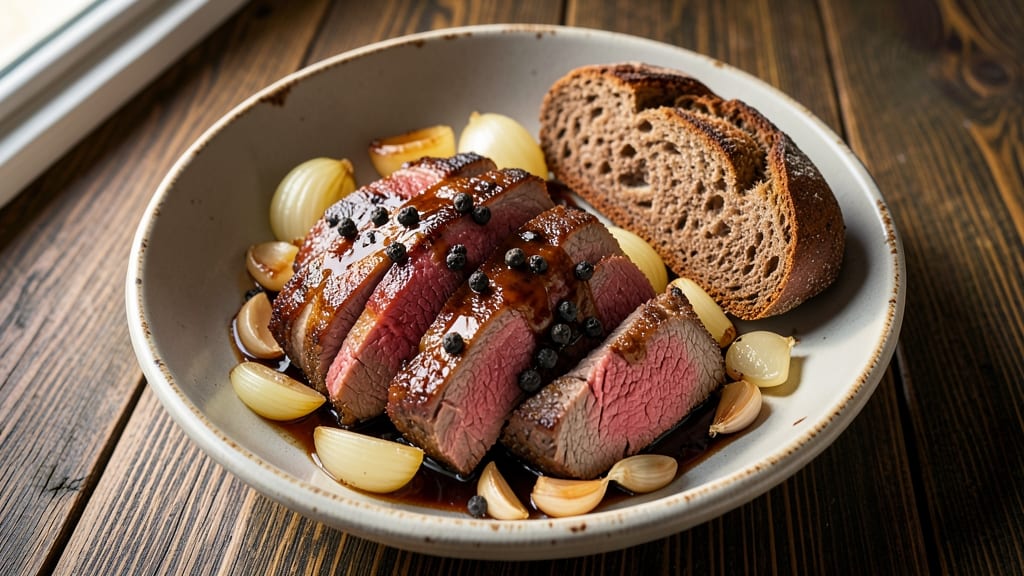
This authentic Beef on Weck recipe brings Pennsylvania Dutch tradition to your kitchen with slow-roasted beef, rich gravy, and crispy rye bread. The secret lies in marinating the beef overnight—tenderizing it while absorbing deep flavors of garlic, black pepper, and a touch of vinegar.
What makes this dish truly special is the crispy rye bread, toasted to perfection, and the dark, savory gravy that ties everything together.
The origins of Beef on Weck trace back to German immigrants in Pennsylvania, where hearty sandwiches became a staple for farmers and laborers. This version stays true to those roots while adding a few modern touches—like caramelized onions or a tangy horseradish cream—that elevate the classic without sacrificing authenticity.
Every bite delivers the perfect balance of juicy beef, crispy bread, and bold flavors.
What sets this recipe apart is the slow-roasting method, which ensures the beef stays tender and flavorful, while the gravy—made from the pan drippings—adds depth and richness. The result is a sandwich that’s hearty enough for a meal but simple enough for a quick lunch.
Whether you’re serving it at a family gathering or enjoying it solo, this Beef on Weck is a taste of tradition with a modern twist.
Ready to recreate this German-American classic? The process is straightforward, but the payoff is unbeatable—juicy beef, crispy bread, and a gravy that makes every bite unforgettable. Let’s get started with the full recipe.
Ingredients for authentic beef on weck
Sixteen ingredients, three key techniques: marinating, slow-roasting, and crisping—authentic Beef on Weck starts here.
| Ingredient | Amount | Notes |
|---|---|---|
| Beef Chuck Roast 🥩 | 3 lb | Center-cut for even cooking |
| Dark Rye Bread Loaf 🍞 | 1 whole | Sliced 1/2-inch thick, crust removed |
| Yellow Onions 🧅 | 2 whole | Thinly sliced for caramelization |
| Garlic Cloves 🧄 | 8 cloves | Peeled and smashed for infusion |
| Black Peppercorns 🌶️ | 2 tbsp | Freshly cracked for robust flavor |
| White Vinegar 💧 | ½ cup | For tenderizing marinade |
| Beef Broth 🥄 | 4 cups | Low-sodium preferred for balance |
| Tomato Paste 🍅 | 2 tbsp | For gravy depth and color |
| Unsalted Butter 🧈 | 4 tbsp | For bread toasting and gravy |
| Fresh Horseradish 🌿 | 2 tbsp | Grated for tangy cream (optional) |
| Diamond Crystal Kosher Salt 🧂 | 1 ½ tsp | For seasoning and gravy |
| All-Purpose Flour 🌾 | 2 tbsp | For gravy thickening |
| Heavy Cream 🥛 | ½ cup | For velvety gravy finish |
| Olive Oil 🫒 | 2 tbsp | For bread toasting |
The beef chuck roast is non-negotiable—its marbling ensures tender, juicy results. Costco or local butchers often carry it pre-trimmed, but if buying whole, trim excess fat for cleaner flavor. For the rye bread, seek out dark rye loaves at Whole Foods or German specialty markets—their dense crumb toasts perfectly. The onions should caramelize to a deep amber; no shortcuts here. Freshly cracked black peppercorns (not pre-ground) add complexity, while the vinegar in the marinade is critical for tenderizing the beef overnight.
No beef chuck? Top round or sirloin tip works, though texture may vary. Substitute apple cider vinegar for white if preferred, but the tang is essential. For the bread, pumpernickel or dark sourdough can stand in—just toast longer. The horseradish cream is optional but recommended; store-bought works if you’re short on time. If your gravy thickens too much, whisk in warm water instead of cold to avoid lumps. The tomato paste should be San Marzano if possible—its sweetness balances the acidity beautifully.
Marinate the beef 12-24 hours for maximum tenderness, then refrigerate uncovered to dry the surface slightly for better browning. The gravy can be made ahead and reheated gently—it only improves with time. Store leftovers in airtight containers for up to 5 days, or freeze the beef and bread separately for 3 months. For serving, toast the bread fresh—it loses crispness quickly. The horseradish cream keeps for 1 week refrigerated, though the flavor mellows slightly over time.
Why You'll Love This Recipe
- One-Pot Magic: I swear by this—just the roast, onions, and that rye bread soaking up the juices. No extra pans, no extra stress, and honestly? The cleanup is just wiping one sheet pan.
- Deep Umami Crunch: That rye bread isn’t just a prop—it gets crispy at the edges while staying soft inside, soaking up the beef’s rich, peppery broth. Between us, the garlic and onions caramelize into something dangerously addictive.
- Leftovers That Don’t Suck: This actually tastes better the next day. I’ll pack it for lunches—cold slices of beef, that sturdy rye holding up, and the flavors only getting stronger. (Yes, even on a Tuesday night.)
- Budget Meal, Big Impact: A chuck roast stretches forever, and dark rye loaves are cheaper than you’d think. I’ll make this for a dinner party or feed my family for days—same effort, same ridiculous satisfaction, just scaled up.
Step-by-step instructions for authentic beef on Weck
Follow this precise method to recreate the rich, savory flavors of traditional German cuisine.
Prepare the Beef and Marinade
Place the 3 lb beef chuck roast in a large bowl and pour over the 0.5 cup white vinegar. Let it sit for 15 minutes while you prepare the remaining marinade components. This acid marinade helps tenderize the tough chuck roast by breaking down muscle fibers.
In a separate small bowl, combine 2 tbsp freshly cracked black peppercorns, 1.5 tsp diamond crystal kosher salt, and 2 tbsp tomato paste. Mix thoroughly to create a coarse paste. Rub this mixture all over the beef, pressing it into the surface. The peppercorns will infuse deep flavor as they cook, while the tomato paste adds depth and color to the finished dish.
Sear the Beef and Build the Braising Base
Heat 2 tbsp olive oil in a large Dutch oven over medium-high heat until shimmering. Sear the beef on all sides until deeply browned, about 4-5 minutes per side. This step is crucial for developing the rich, caramelized flavors that form the foundation of beef on weck.
Remove the beef and set it aside. In the same Dutch oven, add 2 whole thinly sliced yellow onions and cook until softened and beginning to caramelize, about 5 minutes. Add the 8 peeled and smashed garlic cloves and cook for 30 seconds until fragrant. This aromatic base will infuse the braising liquid with complex flavors.
Braise the Beef Until Tender
Return the beef to the Dutch oven and pour in 4 cups beef broth, scraping up any browned bits from the bottom. Bring to a simmer, then reduce heat to low, cover tightly, and transfer to a 325°F oven. Braise for 3 hours, turning the beef occasionally to ensure even cooking and maximum tenderness.
After 2 hours, check for doneness by inserting a meat thermometer into the thickest part of the beef. It should reach 195°F and be fork-tender. If not, continue braising until it reaches this temperature. The long, slow cook time is essential for breaking down the connective tissue in chuck roast, resulting in melt-in-your-mouth texture.
Prepare the Crispy Rye Bread
While the beef braises, slice the 1 whole dark rye bread loaf into ½-inch thick pieces and remove the crusts. Heat 2 tbsp olive oil in a large skillet over medium heat. Add the bread slices and cook until golden brown and crispy on both sides, about 2-3 minutes per side. Transfer to a paper towel-lined plate to drain excess oil.
For the horseradish cream, mix 0.5 cup heavy cream with 2 tbsp grated fresh horseradish in a small bowl. Set aside until ready to serve. The tangy horseradish complements the rich beef perfectly, adding a bright contrast to each bite.
Finish the Gravy and Assemble
Remove the beef from the Dutch oven and strain the braising liquid into a clean saucepan. Skim off any fat that has risen to the surface. Return the liquid to medium heat and whisk in 2 tbsp all-purpose flour to thicken the gravy. Cook for 2-3 minutes until the gravy coats the back of a spoon.
Stir in 4 tbsp unsalted butter and simmer for 1 minute to create a velvety finish. Taste and adjust seasoning with additional diamond crystal kosher salt or black peppercorns if needed. To serve, place a crispy rye bread slice on each plate, top with sliced beef, ladle generous amounts of gravy over the top, and offer the horseradish cream on the side.
Pro Tips For Making Authentic Beef On Weck
- Sear the Roast First: I learned this the hard way—skipping the sear means flavor hiding in plain sight. Get that beef chuck roast screaming hot in a dry pan for 3-4 minutes per side before adding anything else. The crust locks in juices and turns the bread soaking step into pure magic.
- Toast the Rye Slices: Don’t just slice the dark rye—give those thick pieces a quick toast in the same pan you seared the beef. Two minutes per side until golden, then set aside. This step prevents soggy bread and adds a caramelized depth that cuts through the rich beef.
- Use Whole Peppercorns: Cracking peppercorns into the pot is lazy. Toss 10-12 whole peppercorns into the pan with the onions and garlic—they’ll bloom into aromatic oils that cling to the beef like a second skin. Yes, you’ll need to fish them out later, but the flavor is worth it.
- Layer the Bread Properly: Stack the toasted rye slices loosely—don’t cram them. Pour the beef juices over them, then cover and let it steam for 10 minutes. If you pack them too tight, the bread turns to mush instead of absorbing flavor like a sponge. (Your future self will thank you.)
Perfect pairings for authentic beef on weck
Classic German Sides
Pair your Beef on Weck with sauerkraut—the traditional German side that cuts through the richness. I like to cook mine with apple slices and caraway seeds for a sweet-tart balance.
For a lighter option, German potato salad (with vinegar and mustard dressing) adds a refreshing contrast to the hearty beef. 🥬
Crunchy Vegetable Additions
Add quick-pickled cucumbers or red cabbage slaw for acidity and texture. Thinly slice 1 small red cabbage and toss with 2 tbsp apple cider vinegar, 1 tbsp sugar, and ½ tsp celery seeds.
This adds a crisp, tangy element that elevates the sandwich. For extra crunch, serve toasted marjoram seeds sprinkled over the top.
Beverage Pairings
A dark German lager like Paulaner or Ayinger complements the beef’s richness without overpowering it. For wine lovers, a Riesling Kabinett (off-dry) from the Mosel region balances the gravy’s depth with bright acidity. Avoid heavy reds—they’ll clash with the sandwich’s tangy elements. 🍺
Modern Twists
For a contemporary touch, serve with roasted Brussels sprouts tossed in balsamic glaze and pecans. The nutty crunch contrasts beautifully with the beef’s tenderness.
Another fun addition: caramelized shallots on the bread before assembling—just 3 tbsp butter, 4 shallots, and 1 tsp brown sugar cooked until golden. 🌟
Horseradish Cream Variations
Swap the classic horseradish cream for sour cream and chive or blue cheese and walnut versions. For the blue cheese twist, mix ½ cup sour cream with ¼ cup crumbled blue cheese and 2 tbsp chopped walnuts.
This adds a creamy, umami depth that pairs surprisingly well with the beef. 🧀
Sweet Contrasts
Balance the savory sandwich with German pretzel bites or dark chocolate-covered cherries. The salty-sweet combo cleanses the palate between bites. For a lighter option, serve apple slices with walnut butter—the crisp fruit refreshes after each rich mouthful. 🍏
Nutrition facts
Frequently asked questions
What makes this Beef on Weck recipe authentic?
The authenticity comes from three key elements: the overnight vinegar marinade that tenderizes the beef, the slow-roasting method at 325°F for 3 hours, and the crispy dark rye bread toasted to perfection. The rich gravy made from pan drippings and the optional horseradish cream also reflect traditional German-American flavors.
Can I use a different cut of beef?
While chuck roast is ideal for its marbling, you can use top round or sirloin tip—just increase the braising time by 30-45 minutes to ensure tenderness. Avoid lean cuts like flank steak, as they won’t hold up to the long cooking process. The marinade and slow cook will still work, but texture may vary.
How do I prevent the bread from getting soggy?
Toast the rye bread slices until deep golden brown and crispy, then transfer to a paper towel-lined plate to drain excess oil. Assemble the sandwich just before serving—never ahead of time. For extra insurance, place a thin layer of plastic wrap between the beef and bread when assembling.
Is the gravy gluten-free?
The basic gravy recipe uses all-purpose flour as a thickener, which contains gluten. For a gluten-free version, substitute 2 tbsp cornstarch or gluten-free flour instead. The texture will be slightly different but still delicious. Always check your beef broth label for gluten-free certification.
Can I make this in a slow cooker?
Yes! After searing the beef and building the base, transfer everything to a 6-quart slow cooker and cook on low for 8 hours or high for 5 hours. The bread should still be toasted separately. The slow cooker method works well but may result in slightly less caramelization in the onions and gravy.