
Sauces & Condiments
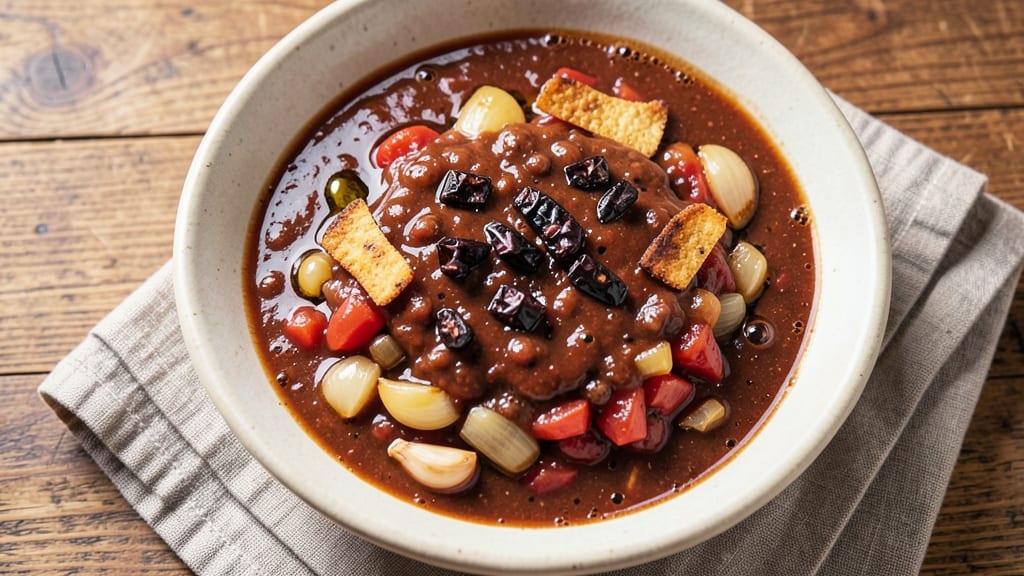
This authentic beef enchilada sauce recipe delivers the deep, smoky, and slightly sweet flavor that makes traditional Mexican dishes unforgettable.
The secret lies in blending chipotle peppers with tomatoes, garlic, and warm spices—simmered until the flavors meld into a rich, velvety sauce perfect for dipping, topping, or freezing for future meals.
Unlike store-bought versions, this sauce builds layers of complexity through a slow simmer that caramelizes the natural sugars in the tomatoes while infusing the heat of chipotle.
No shortcuts here—just traditional techniques that transform simple ingredients into something extraordinary. The result is a sauce so flavorful, it elevates any dish it touches.
What sets this recipe apart is its versatility. Use it immediately for enchiladas, tacos, or quesadillas, or store it in the freezer for up to three months. The sauce thickens slightly as it cools, making it ideal for dipping or drizzling over grilled meats and roasted vegetables.
Ready in just 30 minutes, this sauce requires minimal effort but delivers restaurant-quality depth. The key is patience—letting the flavors develop while you work. Once you taste the difference, you’ll never go back to bottled versions again.
Ingredients for authentic beef enchilada sauce
Simple yet transformative ingredients for an authentic sauce that rivals restaurant quality.
| Ingredient | Amount | Notes |
|---|---|---|
| Dried Chipotle Peppers in Adobo Sauce 🌶️ | 2 tbsp | Adobo sauce included, minced |
| San Marzano Plum Tomatoes 🍅 | 2 cups | Crushed by hand, seeds removed |
| Yellow Onion 🧅 | 1 whole | Medium size, finely chopped |
| Garlic Cloves 🧄 | 4 cloves | Peeled, roughly chopped |
| Extra-Virgin Olive Oil 🫒 | ½ cup | High quality, fruity |
| Beef Broth 💧 | 1 cup | Low-sodium preferred |
| Ground Cumin 🌿 | 1 tsp | Toasted for depth |
| Dried Oregano 🍃 | 1 tsp | Mexican oregano preferred |
| Salt 🧂 | 1 tsp | Diamond Crystal kosher |
| Black Pepper 🌶️ | ½ tsp | Freshly ground |
The chipotle peppers are the heart of this sauce—Penzeys or Gourmet Garage carry the best quality, but any adobo-packed peppers work. Look for peppers that are plump and slightly oily from the sauce, not dried out. The San Marzano tomatoes are non-negotiable for sweetness and acidity balance; Whole Foods or Trader Joe's stock them year-round. For the onion, yellow varieties provide the best caramelization during the slow simmer. Garlic should be fresh—the fresher, the more aromatic—so buy it in small quantities and use within a week. Toast the cumin seeds briefly in a dry pan to deepen their flavor before grinding, though pre-ground works in a pinch.
No chipotle peppers? Substitute with 1 tbsp smoked paprika plus 1/2 tsp cayenne for heat, though the smoky depth won't be identical. Running low on San Marzano tomatoes? Roma tomatoes work well, but avoid standard grocery-store varieties—they're often mealy. For the broth, low-sodium is critical to control seasoning; homemade or high-quality store-bought like Pacific Foods is ideal. The olive oil should be extra-virgin and fruity—none of that cheap, bitter cooking oil. If you're short on time, fire-roasted crushed tomatoes from a can can substitute, but fresh is always superior. The oregano should be Mexican oregano if available—it has a distinct, earthier flavor than Italian varieties.
This sauce thickens as it cools, making it perfect for dipping or drizzling. Store in glass jars with tight lids in the refrigerator for up to 1 week or freeze for 3 months. The sauce reheats beautifully—simply warm on the stove over medium heat, stirring occasionally. For long-term storage, portion into ice cube trays before freezing; thaw only what you need. The sauce's depth improves with time, so make a double batch—it disappears faster than you'd expect.
Why You'll Love This Recipe
- No Blender Needed: I swear by that adobo sauce and San Marzano tomatoes, but here’s the secret: you don’t even need to strain the seeds. Just toss the whole peppers and tomatoes into a pot with olive oil, let them simmer until the onions caramelize just right, and—boom—no extra steps. That smoky depth? Still there, no fancy tools required.
- Smoky Without Burning: Between us, store-bought enchilada sauce can taste like a sad, one-note afterthought. This version? The chipotle peppers in adobo give it that real smoldering heat, but the San Marzano tomatoes keep it bright and fresh. It’s the perfect balance—like a hug from a campfire, but in a saucepan.
- Double Duty Magic: Make a big batch on Sunday, and you’ve got sauce for enchiladas and tacos and even a beef-stew situation. I’ve used the leftovers to top grilled cheese (yes, really) or drizzled it over roasted potatoes. It’s the kind of sauce that makes you feel like you’re feeding a crowd, even when it’s just you and a lazy Tuesday.
- Budget-Friendly Pantry Hero: Honestly, this recipe costs me less than $5 for enough sauce to feed four. The chipotle peppers in adobo are the priciest part, but a single can lasts me three batches. No fancy ingredients, no waste—just pure, reliable flavor that doesn’t break the bank. My wallet and my taste buds thank me every time.
Step-by-step instructions for authentic beef enchilada sauce
This method delivers restaurant-quality depth with smoky chipotle and bright tomato notes.
Toast and Mince the Chipotle Peppers
Heat a dry skillet over medium heat and add the 2 tbsp dried chipotle peppers in adobo sauce. Toast for 30 seconds until fragrant, then remove from heat and let cool slightly. Transfer to a small bowl and finely mince using a sharp knife or food processor. The peppers should become a thick, dark paste with visible chili flakes.
Here's the thing—don't skip the toasting. This step deepens the smoky flavor by caramelizing the sugars in the adobo sauce. If you're using the adobo sauce itself, strain it first to remove any large pieces, but keep the liquid for later use in the recipe. The minced peppers will form the smoky backbone of your sauce.
Sauté Aromatics Until Deeply Flavorful
In a large, heavy-bottomed pot, heat the ½ cup extra-virgin olive oil over medium heat. Add the finely chopped yellow onion and cook for 5-6 minutes until softened and translucent, stirring occasionally. Add the 4 roughly chopped garlic cloves and cook for another 30 seconds until fragrant.
This is where the sauce builds its aromatic foundation. The onions should develop a golden hue and the garlic should smell pungent but not burn. If you notice the garlic turning brown too quickly, reduce the heat slightly. The goal is to develop these flavors without bitterness—this ensures your sauce won't have an overpowering aftertaste.
Build the Sauce Base with Tomatoes and Spices
Add the crushed San Marzano plum tomatoes (seeds removed) to the pot. Stir well to combine with the aromatics, then add the 1 tsp toasted ground cumin, 1 tsp dried oregano, 1 tsp salt, and ½ tsp freshly ground black pepper. Bring the mixture to a gentle simmer over medium-low heat.
Simmer uncovered for 15-20 minutes until the sauce thickens slightly and the flavors meld together. You'll notice the sauce reduce in volume and develop a glossy sheen. This is the moment that matters: the acidity from the tomatoes will mellow while the spices infuse deeply. Stir occasionally to prevent sticking, and if the sauce becomes too thick, add a splash of water to maintain consistency.
Finish with Beef Broth for Depth and Balance
Once the tomato mixture has simmered and thickened, add the 1 cup low-sodium beef broth to the pot. Stir well to combine, then increase the heat to medium-high and bring the sauce to a rolling boil. Reduce the heat to low and let it simmer for another 10 minutes to allow the flavors to fully integrate.
The broth adds a savory dimension that balances the acidity of the tomatoes and the heat of the chipotle. As it simmers, the sauce will develop a rich, velvety texture. Taste and adjust the seasoning if needed—you may need a touch more salt or pepper to achieve the perfect balance. For an ultra-smooth sauce, you can blend it with an immersion blender, but I prefer the rustic texture of small tomato pieces for authenticity.
Rest and Serve
Remove the sauce from heat and let it rest for 10 minutes. This resting period allows the flavors to settle and the sauce to thicken further. The sauce should coat the back of a spoon with a glossy finish and have a deep, smoky aroma. If it's too thick for your liking, thin it with a little more beef broth or water.
Your authentic beef enchilada sauce is now ready to use. It pairs perfectly with shredded beef, cheese, and warm tortillas for classic enchiladas. The smoky chipotle flavor will shine through, creating a sauce that's rich, complex, and full of depth—exactly what you'd find in a traditional Mexican kitchen.
Pro Tips For Making Authentic Beef Enchilada Sauce
- Char the Onion Slowly: I learned this the hard way—drowning onions in oil at high heat turns them bitter. Instead, use medium-low and let them sweat for 8-10 minutes until deeply golden, stirring occasionally. The flavor builds gradually, and you’ll taste the difference when you blend it with the tomatoes.
- Seed the Chipotles: The adobo sauce is salty and smoky, but the seeds pack the real heat. Remove them before blending—just slice open the peppers, scrape out the seeds, and chop the flesh. This keeps the sauce balanced without overpowering your enchiladas.
- Blend Tomatoes Twice: First pass with a stick blender gives you a rough purée, but for silky texture, strain it through a fine-mesh sieve. The second blend (after reducing) will be smoother, and the sauce won’t clog your blender when you’re in a rush.
- Simmer, Don’t Boil: After blending, reduce the sauce on low heat—just a gentle simmer—for 15-20 minutes. Boiling skips the depth of flavor, and you’ll end up with a flat, one-dimensional sauce. Patience here makes all the difference.
Common mistakes when making perfect results
Skipping the Toast
Never skip toasting the chipotle peppers—this critical step caramelizes their natural sugars, intensifying the smoky depth. I’ve made this mistake early on, and the sauce lacked that signature authentic Mexican flavor.
Simply heat the peppers in a dry skillet for 30 seconds until fragrant. The difference is night and day! 🌶️
Overcooking Aromatics
Burnt garlic or onions can turn your sauce bitter, ruining the delicate balance. Cook onions over medium heat for 5-6 minutes until soft but not browned. Garlic should sizzle for just 30 seconds—watch closely!
I learned this the hard way when my first batch tasted like charred wood. Use a timer if needed.
Using High-Sodium Broth
Store-bought broths often pack excess salt, throwing off your sauce’s seasoning. Always opt for low-sodium beef broth (like Pacific Foods) to maintain control. If you’re using homemade, taste it first—you may need less salt later. I’ve had to start over twice because of this oversight.
Rushing the Simmer
The sauce needs 15-20 minutes of gentle simmering to develop its rich, velvety texture. Skipping this step leaves the flavors underdeveloped and the sauce thin. Patience is key—let the tomatoes break down naturally. Trust me, the wait is worth it for that restaurant-quality depth. ⏰
Ignoring Rest Time
Letting the sauce rest for 10 minutes off heat allows flavors to meld and thicken properly. I’ve seen people serve it immediately, and it’s noticeably less cohesive. This resting period also helps the sauce coat the back of a spoon beautifully—essential for dipping or drizzling.
Substituting Chipotle Improperly
If you can’t find chipotle peppers, smoked paprika + cayenne is a poor substitute—it lacks the smoky depth. For a closer match, try 1 tbsp chipotle powder (like Penzeys brand), but it won’t be identical.
The sauce will taste more like a generic enchilada sauce than an authentic one. When in doubt, stick to the original ingredient. 💡
Nutrition facts
Frequently asked questions
Can I use fresh jalapeños instead of chipotle peppers?
Fresh jalapeños won't provide the same smoky depth, but you can try blending 3-4 fresh jalapeños with 1 tbsp adobo sauce to mimic the chipotle's flavor profile. The sauce will be brighter and less smoky, but still delicious for a quicker version. For authenticity, stick with dried chipotle peppers whenever possible.
How do I adjust the heat level for sensitive eaters?
Reduce the chipotle peppers to just 1 tbsp (instead of 2) and omit the cayenne if using a substitute. For extra mildness, blend the sauce until completely smooth to distribute flavors evenly. You can also add 1/4 cup more beef broth to dilute the heat slightly while maintaining depth. Taste as you go!
Can I make this sauce in a slow cooker? Sauté the onions and garlic first, then add all ingredients to your slow cooker and cook on low for 4-5 hours or high for 2-3 hours until thickened. The slow cooking enhances the smoky flavors even more. Just
What's the best way to reheat frozen enchilada sauce?
Thaw overnight in the fridge, then reheat gently on the stove over low heat while stirring frequently. Avoid microwaving as it can make the sauce watery. For frozen sauce, add 1-2 tbsp water or broth** while reheating to restore the proper consistency. The sauce should be warm through but not boiling.
Can I use this sauce for other dishes besides enchiladas?
This versatile sauce works wonderfully for tacos, quesadillas, burritos, and even as a marinade for grilled meats. It also makes an excellent dipping sauce for fried chicken or veggie sticks. The smoky chipotle flavor pairs beautifully with almost any Mexican-inspired dish. Get creative with it!