
Main Courses
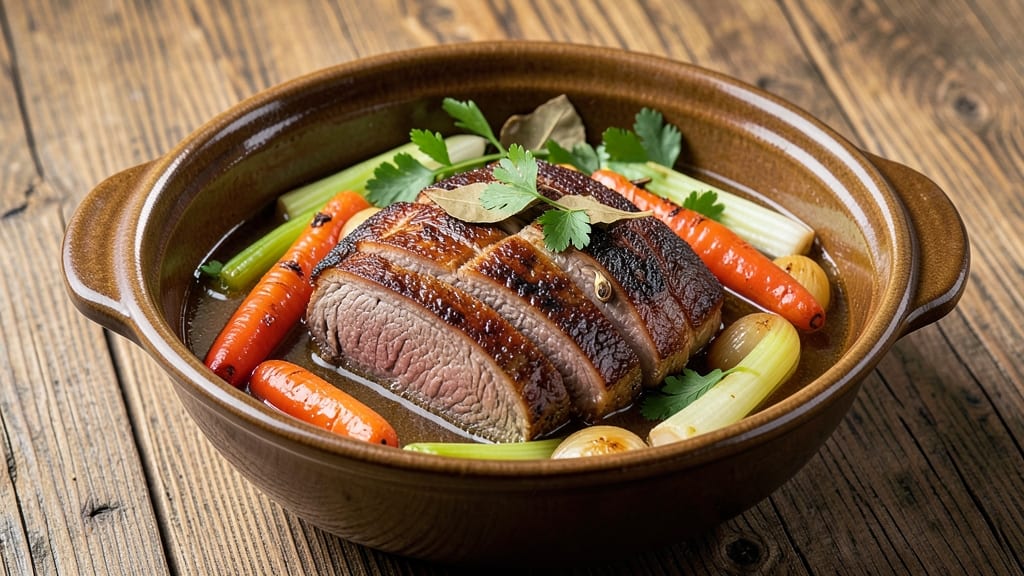
Austrian boiled beef recipe delivers the hearty, comforting flavors of traditional Eingelegter Rindfleisch, where tender beef transforms into melt-in-your-mouth perfection through slow cooking. The secret lies in a rich broth infused with aromatic vegetables and spices, creating a dish that feels both rustic and refined.
This method preserves the beef's natural richness while infusing it with layers of savory depth that pair beautifully with classic Austrian sides.
The recipe begins with a long, gentle simmer that breaks down tough cuts into silky strands, all while maintaining a deep, caramelized flavor from the slow reduction. Traditional accompaniments like pickled vegetables, red cabbage, and buttery dumplings elevate the dish, balancing its richness with bright, tangy contrasts.
The result is a meal that feels like a warm embrace—perfect for family gatherings or special occasions where hearty, satisfying flavors take center stage.
What sets this Austrian boiled beef apart is its versatility—serve it with dark rye bread to soak up every last bit of the fragrant broth, or pair it with a sharp horseradish sauce for a bold kick.
The dish also reheats beautifully, making it ideal for meal prep while retaining its restaurant-quality texture. Whether you're recreating a classic Austrian feast or introducing this dish to your dinner rotation, the results are always impressive.
With just a few simple ingredients and a patient approach, you'll achieve a dish that feels both nostalgic and elevated. The key is letting the beef and broth work together over time, creating a harmony of flavors that defines Austrian comfort food.
Ready to bring this tradition to your table? Let’s get started.
Ingredients for austrian boiled beef
Simple, aromatic ingredients transform tough beef into melt-in-your-mouth silky perfection.
| Ingredient | Amount | Notes |
|---|---|---|
| Beef Chuck Roast 🥩 | 3 lb | With fat cap for flavor |
| Yellow Onions 🧅 | 2 whole | Peeled, halved lengthwise |
| Carrots 🥕 | 4 whole | Scrubbed, cut into chunks |
| Celery Stalks 🌿 | 4 whole | Cut into 2-inch pieces |
| Garlic Cloves 🧄 | 6 cloves | Smashed, not minced |
| Bay Leaves 🌿 | 2 whole | Dried, standard size |
| Black Peppercorns 🌶️ | 1 tbsp | Whole, not ground |
| Allspice Berries 🌶️ | 6 whole | Lightly crushed |
| Salt 🧂 | 2 tsp | Diamond Crystal preferred |
| Red Wine Vinegar 🍷 | ¼ cup | For pickled vegetables |
| Dark Rye Bread 🍞 | 1 loaf | For serving, optional |
| Water 💧 | 8 cups | For broth base |
| Fresh Parsley 🌿 | ¼ cup | Chopped, for garnish |
The beef is everything here—chuck roast with a good fat cap is non-negotiable. Costco or Whole Foods carry excellent cuts, but any grocery store with a butcher counter will have it. Look for good marbling and ask for a 3-pound roast—it’s perfect for this recipe. The vegetables? Organic is ideal but not required—just make sure they’re fresh. Carrots with vibrant orange color and celery with crisp stalks work best. If you’re feeling fancy, Trader Joe’s has pre-cut mirepoix mixes that save time (though they’re pricier).
No red wine vinegar? Apple cider vinegar works in a pinch, though it’ll give a slightly different tang. Short on allspice? Substitute with 1 tsp ground allspice, but the whole berries add a subtle complexity you won’t get otherwise. The bay leaves can be skipped if you’re out, but add them back in the next time—they’re the secret to that deep, aromatic broth. For the pickled vegetables, if you’re making them fresh, use 1/4 cup vinegar per 2 cups water. The bread? Any dark rye loaf will do—Pepperidge Farm or a local bakery both work great.
This dish tastes even better the next day, so make extra. Store the beef and broth separately in airtight containers for up to 5 days in the fridge, or freeze for 3 months. The pickled vegetables keep for 2 weeks in the fridge. For serving, toast the rye bread and serve with a dollop of horseradish cream (mix sour cream with prepared horseradish) if you’re feeling adventurous. The broth can be reduced further for a thicker consistency—just simmer uncovered until it reaches your desired thickness.
Why You'll Love This Recipe
- One-Pot Magic: I swear by this recipe when I’m too tired to chop much—just toss in whole onions, carrots, and celery stalks (no peeling needed if you’re lazy), and the broth does all the work. The beef chuck roast practically melts into tender perfection while you sip your coffee.
- Garlic Bomb: Between us, the garlic cloves—minced and browned just right—are the MVP here. They sear into the beef and veggies, leaving that deep, toasty aroma that makes every bite taste like a hug. (Yes, even on a Tuesday night.)
- Leftovers That Shine: This recipe actually improves the next day—those carrots turn sweet, the beef gets even more fork-tender, and I’ve reheated it for lunches all week without a single complaint. Honestly, it’s my secret weapon for lazy afternoons.
- Budget Feast: A chuck roast stretches for days, and the veggies? Basic, cheap, and always in my pantry. I’ve fed six people for under $20 with this, and no one ever guesses it’s not some fancy restaurant dish. (Between us, they think I’m a genius.)
Step-by-step instructions for Austrian boiled beef
This method delivers melt-in-your-mouth beef with aromatic vegetables and tangy pickled accents.
Prepare the Beef and Vegetables
Pat the 3 lb beef chuck roast dry with paper towels—this ensures a better sear and prevents steam from blocking flavor. In a large Dutch oven, heat 2 tablespoons olive oil over medium-high heat. Once shimmering, add the beef and sear on all sides until deeply browned, about 4-5 minutes per side. This step builds flavor that will infuse the broth later.
While the beef browns, peel and halve the 2 whole yellow onions lengthwise. Cut the 4 whole carrots into 1-inch chunks and the 4 whole celery stalks into 2-inch pieces. Smash the 6 cloves garlic lightly with the side of your knife—just enough to bruise them, not mince. Lightly crush the 6 whole allspice berries between your palms to release their oils. Set these aside for now.
Build the Flavor Base
Remove the seared beef from the Dutch oven and set it aside. In the same pot, add the 2 whole bay leaves, 1 tbsp black peppercorns, and 2 tsp salt. Pour in the 8 cups water and bring to a rolling boil over high heat. Once boiling, reduce heat to low and return the beef to the pot.
Add the onions, carrots, celery, garlic, and allspice berries. Partially cover the pot and simmer gently for 2 hours. The beef should be fork-tender and nearly falling apart. Real talk: resist the urge to check it early—this slow cook ensures tender meat without drying it out.
Prepare the Pickled Vegetables
While the beef simmers, combine the 0.25 cup red wine vinegar, 1 tbsp sugar, and 1 tsp salt in a small saucepan. Bring to a gentle simmer over medium heat and cook for 2 minutes. Remove from heat and stir in the chopped 0.25 cup fresh parsley. Pour this tangy mixture into a small bowl and set aside to cool.
This quick pickling process brightens the dish with acidity that cuts through the richness of the beef. The vinegar also helps preserve the vegetables' crisp texture, creating a perfect contrast to the silky beef.
Finish and Serve
Once the beef is fork-tender, carefully remove it from the broth and let it rest on a cutting board for 10 minutes. This resting period allows the juices to redistribute, ensuring each slice stays moist. Skim any excess fat from the surface of the broth if desired.
Slice the beef against the grain into ½-inch thick pieces. Ladle the warm broth and vegetables over a serving of dark rye bread and top with the sliced beef. Spoon the pickled parsley mixture over the top for that signature Austrian tang. Serve immediately while the bread soaks up all that rich, flavorful broth.
Pro Tips For Making Austrian Boiled Beef
- Sear the Chuck First: Before you even think about boiling, hit that beef chuck with a quick sear in a hot Dutch oven—3 minutes per side with a splash of oil. I learned this the hard way: skipping the sear leaves you with bland, mushy beef that’s all about texture and none about flavor. The crust locks in juices and builds depth that boiling alone never will.
- Chop Onions Coarse: No need for tiny dice—cut those yellow onions into ½-inch chunks. They’ll soften but stay recognizable, adding real bite to the broth. I used to slice them too fine, and they’d turn to mush, disappearing into the background instead of holding their own in every bite.
- Don’t Crowd the Pot: If you’re boiling in batches, resist the urge to stuff everything in at once. A packed pot steams instead of simmers, and your carrots and celery will turn out soggy and flavorless. Give them room to breathe—even if it means two rounds in the pot.
- Strain and Reserve: After boiling, strain the broth through a fine-mesh sieve and save that golden liquid. It’s not just water—it’s packed with beefy flavor. Pour it back over the shredded meat when serving, and suddenly your dish goes from "meh" to "worth the effort." (Yes, even if you’re impatient like me.)
Creative variations of this austrian boiled beef
Classic Austrian Style
This traditional version stays true to the original Eingelegter Rindfleisch by using a simple broth of water, aromatic vegetables, and spices. The key is the allspice berries and bay leaves—they create that deep, earthy aroma that defines Austrian comfort food.
Serve with pickled red cabbage (sauerkraut-style) and buttery spaetzle dumplings for the full experience. The beef should be fork-tender but still hold together when sliced. 🌟
Modern Twist with Wine
Swap the water for 2 cups dry red wine (like a bold Austrian Blaufränkisch) and reduce it by half before adding the beef. This adds complexity without overpowering the beef's natural richness.
I like adding 1 tsp smoked paprika for a subtle smokiness that pairs beautifully with the wine's tannins. Garnish with fresh thyme instead of parsley for an herbal note. 🍷
Spicy Horseradish Kick
For those who love heat, mix 2 tbsp prepared horseradish with ¼ cup sour cream and serve it alongside the beef. The sharpness cuts through the beef's richness while adding a satisfying bite.
You can also add 1 tsp cayenne pepper directly to the broth for a slow-building warmth throughout the dish. Trust me, this version becomes a crowd-pleaser. 🌶️
Vegetarian Adaptation
While not traditional, you can create a vegetarian version by using extra-firm tofu or portobello mushrooms as the base. Marinate them in soy sauce, garlic, and smoked paprika before simmering in the broth. Add chickpeas for protein and texture. The pickled vegetables still shine here, balancing the dish's earthiness. 🌱
Slow Cooker Version
For hands-off cooking, place all ingredients in a 6-quart slow cooker and cook on low for 8 hours. The slow cooker's gentle heat ensures tender beef without monitoring.
I recommend adding ½ cup beef broth to the pickled vegetables mixture for extra depth. This method is perfect for busy weeknights but still delivers restaurant-quality results. ⏰
Regional Variations
In Tyrol, this dish often includes apples in the broth for natural sweetness. In Vienna, it's common to serve with lemon wedges to brighten the rich flavors.
For a Carinthian touch, add 1 tbsp juniper berries to the broth—they add a piney aroma that pairs beautifully with the beef. Each region puts its own spin on the classic. 🗺️
Nutrition facts
Frequently asked questions
What cut of beef works best for this Austrian boiled beef?
Use a chuck roast with fat cap—it's the traditional choice for its rich flavor and ability to stay tender during long cooking. A 3 lb roast is ideal, as it balances cooking time and portion size. Look for good marbling at your butcher counter or grocery store meat department.
Can I make this recipe without allspice berries?
Yes, but you'll lose some of the dish's authentic depth. Substitute with 1 teaspoon ground allspice instead. The berries add a subtle complexity that's hard to replicate, but ground allspice will still give you warm, spicy notes. If you're feeling adventurous, try 1/2 teaspoon cinnamon + 1/4 teaspoon cloves for a similar effect.
How do I know when the beef is fully cooked?
The beef is done when it's fork-tender and nearly falling apart after 2 hours of simmering. Insert a fork—if it slides in easily with no resistance, it's ready. The internal temperature should reach 203°F (95°C) for perfect tenderness. Never rush this step, as the beef needs time to break down gently.
What are the best sides to serve with this dish?
Traditional Austrian pairings include pickled red cabbage, buttery spaetzle dumplings, and dark rye bread for soaking up the broth. For a lighter option, try a crisp green salad with lemon vinaigrette. The tangy pickled vegetables in the recipe also make a great side—serve them chilled for contrast.
Can I make this recipe in a pressure cooker?
Use the sauté function to sear the beef first, then add all ingredients and cook on high pressure for 45 minutes. Let the pressure release naturally for 10 minutes before opening. This cuts cooking time significantly while keeping the beef tender. The broth may be thinner, so reduce it by 10 minutes on the stove afterward if desired.