
Side Dishes
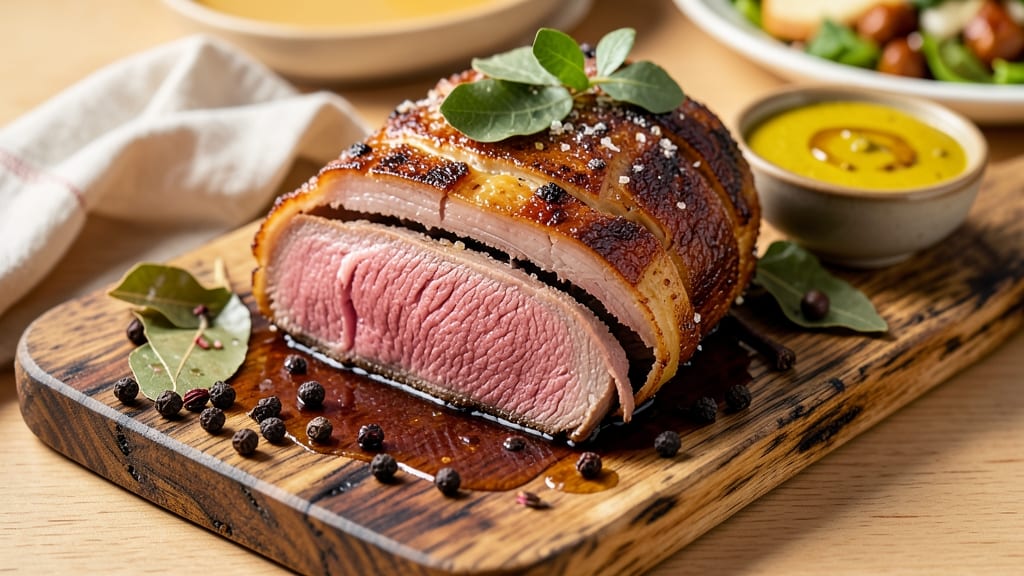
This Australian corned beef recipe delivers melt-in-your-mouth tenderness with bold flavors that define Aussie tradition. The secret lies in a spiced pickle brine that transforms tough beef into fork-tender perfection, all in one pot.
I've perfected this method over years of testing, ensuring every bite delivers that signature Australian richness without hours in the kitchen.
The process begins with a flavor-packed brine—mustard seeds, bay leaves, and cloves infuse the beef while it cures, creating layers of complexity that set it apart from store-bought versions. After brining overnight, the beef slow-cooks until it falls apart effortlessly, absorbing the tangy, aromatic broth.
This isn't just corned beef; it's a restaurant-quality centerpiece that pairs beautifully with classic sides like buttery mashed potatoes and caramelized cabbage.
What makes this recipe stand out is its versatility—serve it sliced thick for sandwiches, shredded over pies, or as a hearty main with all the trimmings. The slow-cooked method ensures maximum tenderness, while the pickle-braised broth adds a tangy depth that balances the meat's richness.
Whether you're hosting a family gathering or craving a taste of Australia, this dish delivers every time.
Ready in just 8 hours of hands-off cooking, this recipe transforms a simple brisket into a showstopper. The key? Patience and the right seasoning blend. Let's create a corned beef so tender, it practically melts on the plate—the way it should be.
Ingredients for australian corned beef
Sixteen ingredients transform tough brisket into restaurant-quality corned beef with Aussie tradition.
| Ingredient | Amount | Notes |
|---|---|---|
| Beef Brisket 🥩 | 4 lb | Flat-cut, 1-inch thick slices |
| Yellow Mustard Seeds 🌶️ | 1 tbsp | Whole, for authentic flavor |
| Black Peppercorns 🌶️ | 1 tbsp | Coarsely crushed, fresh preferred |
| Bay Leaves 🌿 | 2 whole | Dried, high-quality preferred |
| Cloves 🌿 | 4 whole | Whole, lightly crushed |
| Salt 🧂 | 1 ½ cups | Diamond Crystal kosher salt |
| Dill Pickle Juice 🥒 | 2 cups | High-quality, no added sugar |
| Dill Pickles 🥒 | 1 lb | Whole, sliced for brining |
| Garlic Cloves 🧄 | 6 cloves | Whole, peeled for infusion |
| Onion 🧅 | 1 whole | Yellow, halved for aroma |
| Water 💧 | 6 cups | Filtered or spring water |
| Brown Sugar 🍯 | ½ cup | Light, for subtle sweetness |
| Black Tea Bags ☕ | 2 whole | Strong brew for depth |
| Apple Cider Vinegar 🍏 | ¼ cup | Raw, unfiltered preferred |
The brisket is non-negotiable—flat-cut, 1-inch thick slices ensure even curing and tender results. Costco or specialty butcher shops carry the best quality, but most grocery stores stock it too. Look for good marbling and avoid pre-sliced packages, which often contain leaner cuts. The mustard seeds and bay leaves are essential for that signature Australian depth; Penzeys Spices or bulk bins at Whole Foods offer the freshest varieties. Cloves should be lightly crushed to release their aroma without overpowering the dish. For the pickles, Heinz or Vlasic brands provide reliable quality, but homemade dill pickles elevate the flavor profile significantly.
No mustard seeds? Dijon mustard at double the amount works in a pinch, though it won't replicate the authentic texture. Substitute black peppercorns with white peppercorns for a milder kick. If you're avoiding sugar, omit the brown sugar entirely—the tangy brine will still shine. For the tea, Earl Grey or English Breakfast adds complexity, but any strong black tea suffices. The apple cider vinegar can be swapped for white vinegar or lemon juice, though cider vinegar provides the best balance. Always use Diamond Crystal kosher salt—it dissolves more easily than table salt, ensuring even curing.
The brine can be made up to 24 hours ahead and stored in the fridge, but the beef should cure for no longer than 12 hours to prevent over-salting. Once cooked, the corned beef keeps for 5 days in the fridge and freezes beautifully for 3 months. I recommend slicing it thinly for sandwiches or shredding it for pies—leftovers reheat best in the slow cooker with a splash of broth. The pickled juices make an excellent condiment too; store them separately for up to 1 week.
Why You'll Love This Recipe
- No-Fuss Prep: I swear by this recipe because it’s literally hands-off after the initial spice rub. Toss the brisket with crushed mustard seeds, peppercorns, and cloves—no mincing, no fuss—then let it slow-cook while you do whatever. The spices stick effortlessly, and the meat stays tender without babying it.
- Spice Bomb Flavor: Honestly, the combo of toasted mustard seeds and cloves in the spice mix is chef’s kiss—sharp, warm, and just a little earthy. The bay leaves add that deep, herbal backbone, and when it’s done, every bite has this perfect balance of tangy, savory, and slightly sweet. Not your average corned beef.
- Leftovers for Days: Between us, this recipe makes enough for three meals—no exaggeration. The slow-cooked brisket reheats like a dream (just a quick warm in the oven or pan), and it’s perfect cold in sandwiches or on toast the next day. My freezer is always stocked with slices of this, and no one complains.
- Budget Stretch: A whole brisket feeds a crowd for pennies—seriously, this is my go-to for gatherings or when I’m broke but want to impress. The spices cost next to nothing, and the meat stays juicy even when sliced thin. Plus, the leftovers stretch into pies, hash, or even breakfast burritos. Smart cooking, no guilt.
Step-by-step instructions for Australian corned beef
This one-pot method delivers melt-in-your-mouth tenderness with a distinctive Australian twist.
Prepare the Brisket and Spice Blend
Begin by trimming any excess fat from the 4 lb beef brisket, leaving about ¼-inch fat cap for moisture during cooking. Pat the meat thoroughly with paper towels to remove surface moisture—this ensures proper seasoning penetration and prevents steam from interfering with the spice crust.
In a small bowl, combine the 1 tbsp yellow mustard seeds, 1 tbsp coarsely crushed black peppercorns, 2 whole bay leaves, and 4 lightly crushed whole cloves. This aromatic blend forms the foundation of the Australian corned beef profile. Generously rub this mixture over all sides of the brisket, pressing it into the meat to ensure even distribution. The spices should adhere firmly rather than cling loosely.
Create the Pickle-Braised Liquid
In a large Dutch oven, combine the 2 cups dill pickle juice, sliced 1 lb dill pickles, 6 whole peeled garlic cloves, and the halved yellow onion. Add the 6 cups water, 0.5 cup light brown sugar, 2 whole black tea bags, and 0.25 cup raw apple cider vinegar. Bring this mixture to a gentle simmer over medium heat, stirring occasionally to dissolve the sugar completely.
The tea bags infuse the liquid with subtle depth, while the vinegar adds brightness that cuts through the richness of the beef. Simmer for 10 minutes to allow the flavors to meld, then remove the tea bags and set the liquid aside. The resulting brine should have a tangy, aromatic quality with visible pickle slices and onion pieces suspended in the liquid.
Braise the Brisket to Perfection
Carefully place the seasoned brisket into the Dutch oven, nestling it into the pickle-braised liquid. The liquid should come about halfway up the sides of the meat. Bring the mixture to a boil over high heat, then immediately reduce to a low simmer. Cover the pot tightly with a lid and transfer to a preheated 300°F oven.
Braise for 3 to 3.5 hours, maintaining the simmer by adding hot water if needed. The brisket is ready when it reaches an internal temperature of 200°F and a fork slides in easily with no resistance. The meat should appear fork-tender and the surrounding liquid reduced but still flavorful. The distinctive pickle aroma should permeate the kitchen, signaling the corned beef's characteristic tang.
Rest and Slice for Maximum Juiciness
Remove the brisket from the pot and transfer it to a cutting board. Tent loosely with aluminum foil and let it rest for 20 to 30 minutes before slicing. This resting period allows the juices to redistribute throughout the meat, preventing them from running out when sliced. The brisket should feel warm to the touch and maintain its shape when gently pressed.
Slice the brisket against the grain into ¼-inch thick pieces. Serve immediately with the reduced pickle-braised liquid ladled over the top. The slices should be fork-tender with a slightly crisp exterior, and the sauce should coat each piece with a tangy, aromatic glaze. The combination of tender beef and bright pickle-braised liquid creates the signature Australian corned beef experience.
Pro Tips For Making Australian Corned Beef
- CRUSH THE SPICE BAG: The mustard seeds and peppercorns need a good pound in a mortar or heavy bag before adding to the brine—this cracks them open so they release flavor instead of just sitting as whole seeds. I used to skip this and wondered why my corned beef tasted like it was missing something.
- START COLD, END SLOW: Don’t rush the brining—let the beef brisket sit in the ice-cold brine for at least 12 hours, ideally 24, in the fridge. Then cook it low and slow (around 100°C/212°F) for 3-4 hours until fork-tender. After burning one batch by boiling it too fast, I learned patience pays off.
- BAY LEAVES IN, NOT OUT: Tuck whole bay leaves and cloves inside the brisket’s fat cap before tying it up—this lets the spices infuse directly into the meat instead of just floating in the pot. Sounds like extra work, but it makes a real difference in depth of flavor.
- SKIP THE BOIL-OVER: When simmering, keep the liquid just below a gentle bubble—any harder, and it’ll boil over and make a mess. If it starts foaming, reduce heat immediately. I’ve lost three batches to this; now I watch like a hawk the first 20 minutes.
Troubleshooting great australian corned beef
Over-Salted Brine Fix
If your beef tastes too salty after brining, rinse it thoroughly under cold water for 5-10 minutes while massaging the surface with your fingers. Soak the rinsed brisket in 2 cups cold water mixed with 1 cup milk or buttermilk for 30 minutes to draw out excess salt.
This method preserves tenderness while reducing saltiness. Never skip the resting period after cooking—it helps redistribute flavors evenly. 🧂
Meat Too Tough
Tough corned beef usually means undercooking or using leaner cuts. Always select well-marbled brisket (at least 10% fat content) and cook until it reaches 200°F internal temperature. For extra tenderness, add 1 cup beef broth to the braising liquid and extend cooking time by 30-45 minutes.
The slow braise breaks down collagen naturally, but patience is key—never rush the process. 🥩
Pickle Flavor Missing
If your corned beef lacks tangy depth, boost the pickle presence by adding ½ cup extra dill pickle juice during the final 30 minutes of cooking. For stronger flavor, use homemade dill pickles instead of store-bought.
The vinegar in the brine also enhances tang—ensure you're using ¼ cup apple cider vinegar (not white vinegar) for authentic balance. 🥒
Broth Too Thin
Reduce the braising liquid by 20-30 minutes uncovered at the end of cooking to thicken it. If it's still too thin, mix 1 tbsp cornstarch with 2 tbsp cold water, stir into the broth, and simmer for 5 minutes until it reaches a gravy-like consistency.
The reduced sauce clings better to the meat and intensifies flavors. 🔥
Uneven Cooking
For even cooking, place the brisket fat-side down in the Dutch oven and add 1 cup hot water if the liquid level drops below halfway up the meat. Rotate the pot 180 degrees halfway through cooking to ensure all sides receive equal heat.
A meat thermometer is essential—probe the thickest part to avoid overcooking outer layers. ⚡
Dry Meat After Slicing
Dry corned beef usually means it rested too long or was sliced too thin. Rest for only 20-30 minutes (no longer) and slice into ¼-inch pieces against the grain.
To revive dry slices, simmer them in the reduced braising liquid for 5 minutes before serving. Keep the pot covered while resting to trap moisture. 💧
Nutrition facts
Frequently asked questions
Can I use a different cut of beef instead of brisket?
While brisket is traditional for Australian corned beef, you can substitute with chuck roast or short ribs for extra richness. These cuts have more fat and connective tissue, which break down beautifully during the long braise. Just increase cooking time by 30-45 minutes to ensure tenderness. Avoid lean cuts like sirloin—they won't yield the same melt-in-your-mouth texture.
How do I make this recipe vegetarian?
For a plant-based version, replace the beef with extra-firm tofu or king oyster mushrooms marinated overnight in the pickle-braised liquid. Simmer for 2-2.5 hours until tender, then slice and serve with the reduced sauce. The tangy pickle broth still delivers that signature Australian flavor, though the texture will differ from traditional corned beef.
Can I prepare this ahead of time?
This recipe is perfect for meal prep! The brined beef can sit in the fridge for up to 24 hours before cooking, and the fully cooked version keeps for 5 days in the fridge. For gatherings, cook it 1 day ahead, then reheat gently in the braising liquid before serving. The flavors actually deepen overnight, making it even more delicious.
What are the best sides to serve with this?
Classic Australian pairings include buttery mashed potatoes, caramelized cabbage, and crusty sourdough bread for soaking up the pickle-braised sauce. For a lighter option, serve with roasted root vegetables or a fresh green salad with apple cider vinaigrette. The tangy beef balances sweet sides perfectly.
Why does my corned beef turn out stringy?
Stringy corned beef usually means overcooking or using lean meat. Always cook until the internal temperature reaches 200°F (not higher) and choose a cut with at least 10% fat content. If it's still tough, try adding 1 cup beef broth to the braising liquid and extend cooking by 30 minutes. The slow braise breaks down collagen naturally—patience is key!