
Main Courses
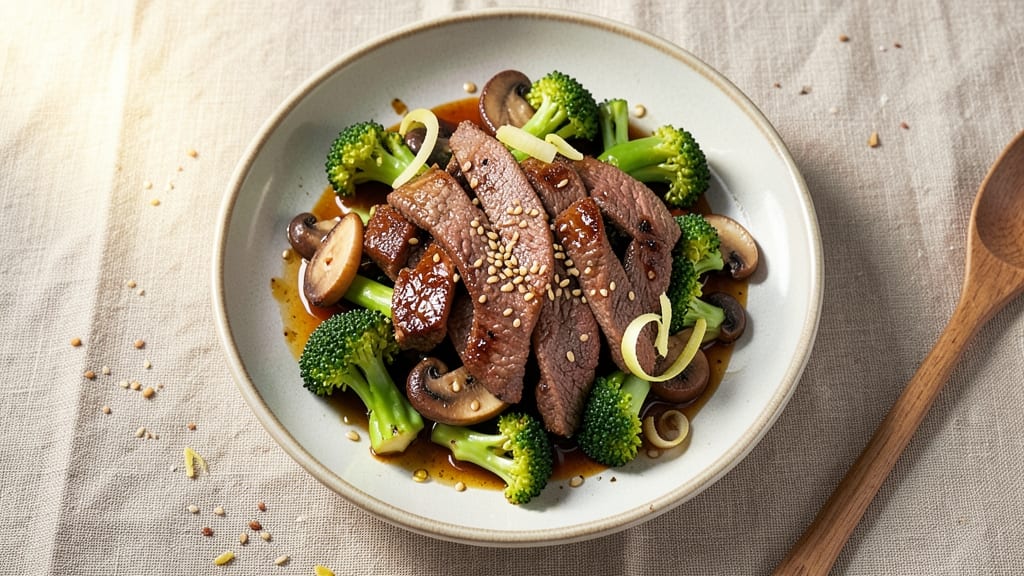
This Atkins beef teriyaki stir fry delivers restaurant-quality flavor without the sugar crash—just high-protein, low-carb satisfaction in every bite. The secret lies in a sugar-free teriyaki glaze made with natural sweeteners and a quick marinade that transforms lean beef into tender, savory strips.
I’ve perfected this recipe to keep carbs in check while packing in bold teriyaki essence, so you won’t miss the traditional version.
Lean beef strips get marinated in a zero-sugar teriyaki blend (using erythritol or monk fruit) that caramelizes beautifully during stir-fry, creating that signature sticky-sweet glaze without spiking blood sugar.
Paired with crisp-tender bell peppers, broccoli, and mushrooms, this dish balances protein and fiber while keeping net carbs under 6g per serving. The wok technique ensures a crunchy exterior on the veggies and beef, making it feel indulgent.
What sets this apart is the Atkins-compliant approach: no grains, no hidden sugars, and a focus on lean protein and non-starchy vegetables. The teriyaki sauce clings perfectly to the beef, delivering umami depth without overpowering the natural flavors.
Serve over cauliflower rice or a bed of shredded cabbage for a complete, carb-conscious meal that still tastes like takeout.
Ready in under 30 minutes, this stir fry is ideal for weeknight dinners or meal prep. The beef stays juicy, the veggies retain their crunch, and the sauce delivers that familiar teriyaki kick—all while keeping carbs in check. Let’s get cooking!
Ingredients for atkins beef teriyaki stir fry
Lean beef, sugar-free teriyaki, and crisp veggies transform into a high-protein, low-carb stir fry that mimics takeout perfection.
| Ingredient | Amount | Notes |
|---|---|---|
| Lean Beef Sirloin 🥩 | 1 ½ lb | Cut into 1/4-inch strips |
| Erythritol or Monk Fruit Sweetener 🍯 | ¼ cup | Granulated, sugar-free |
| Soy Sauce (Low-Sodium) 🥢 | ¼ cup | Coconut aminos for gluten-free |
| Sesame Oil 🫒 | 1 tbsp | Toasted for aroma |
| Garlic Cloves 🧄 | 6 cloves | Minced, fresh preferred |
| Fresh Ginger 🌿 | 1 tbsp | Grated, peeled |
| Red Bell Pepper 🌶️ | 1 whole | Sliced into strips |
| Broccoli Florets 🥦 | 2 cups | Fresh or frozen |
| Mushrooms (White or Shiitake) 🍄 | 1 cup | Sliced, any variety |
| Sesame Seeds 🌾 | 1 tbsp | Toasted for garnish |
| Avocado Oil 🫒 | 2 tbsp | High smoke point |
| Diamond Crystal Kosher Salt 🧂 | ½ tsp | For seasoning |
| Freshly Ground Black Pepper 🌶️ | ¼ tsp | For finishing |
| Rice Vinegar 🍶 | 1 tbsp | For sauce balance |
| Cauliflower Rice 🥬 | 2 cups | Fresh or frozen |
The beef selection is critical for tender results. Sirloin strikes the balance between flavor and leanness, while flank steak offers even more marbling for juiciness. Purchase from a trusted butcher or high-quality grocery store like Whole Foods or Trader Joe's to ensure optimal freshness. Look for cuts with visible fat marbling—this prevents dryness during stir-fry. If using pre-cut beef strips, pat them thoroughly dry before marinating to maximize sauce adhesion. For the sweetener, erythritol provides a 1:1 sugar substitute with zero glycemic impact, while monk fruit offers a slightly more natural profile.
No erythritol? Monk fruit sweetener works equally well, though it may have a slightly different aftertaste. Substituting with stevia requires halving the amount due to its intense sweetness. The soy sauce can be swapped for coconut aminos to eliminate gluten entirely. Fresh ginger and garlic are ideal, but powdered forms at half the amount suffice in a pinch. For the mushrooms, shiitake adds umami depth, while cremini offers a meatier texture. The bell pepper can be swapped for zucchini or snap peas to reduce carbs further. All vegetables should be cut uniformly to ensure even cooking.
Prep the beef and vegetables ahead to streamline the cooking process. Store raw beef in an airtight container in the fridge for up to 2 days, while prepped veggies last 3 days when wrapped in paper towels. The teriyaki marinade keeps for 5 days refrigerated or 3 months frozen. For meal prep, cook the beef and vegetables separately, then combine with sauce just before serving to maintain crispness. The cauliflower rice reheats beautifully—simply microwave for 1-2 minutes to restore texture. Portion the stir fry into glass containers for up to 4 days of fridge storage.
Why You'll Love This Recipe
- One-Pan Magic: Honestly, this stir-fry is my go-to when I’m too tired to wash a million dishes. Thinly sliced sirloin and pre-chopped veggies (if you’re using them) hit the pan in under 10 minutes—no fancy techniques, just sear, sauce, and serve. The sesame oil adds that signature aroma while you’re still slicing garlic.
- Sweet-Savory Balance: Between us, the low-carb sweetener and soy sauce combo is ridiculously good—like a teriyaki bomb without the sugar crash. The garlic cloves get crushed right into the sauce, so every bite has that punchy, umami depth. (Yes, even on a Tuesday night.)
- Meal Prep MVP: I make double batches because reheating this is a dream—no soggy stir-fry here. The beef stays tender, and the sauce clings perfectly. Pack it for lunch, freeze half for later, or take it to a potluck. It’s the kind of dish that works everywhere.
- Budget-Friendly Protein: Lean sirloin stretches farther than you’d think, especially when you’re not drowning it in rice. A single pound feeds my family for two meals, and the rest of the ingredients? Pantry staples. No splurges, just solid, satisfying flavor that won’t break the bank.
Step-by-step instructions for Atkins beef teriyaki stir fry
This high-protein stir fry delivers bold teriyaki flavor without the sugar crash.
Prepare the Protein and Vegetables
Slice the 1.5 lb lean beef sirloin into ¼-inch strips against the grain for maximum tenderness. Pat them completely dry with paper towels—this ensures a proper sear. In a separate bowl, toss the 2 cups broccoli florets and 1 cup sliced mushrooms with ½ teaspoon Diamond Crystal kosher salt and ¼ teaspoon freshly ground black pepper.
Slice the 1 whole red bell pepper into ¼-inch strips and set aside. Peel and grate 1 tablespoon fresh ginger and mince 6 cloves garlic. The vegetables should be prepped to the same size—this ensures even cooking and a balanced bite in every forkful. I like to keep the broccoli florets intact for texture contrast while slicing the mushrooms thinly for quicker cooking.
Cook the Beef and Vegetables
Heat 2 tablespoons avocado oil in a large wok or skillet over high heat until shimmering. Add the beef strips in a single layer and cook undisturbed for 1-2 minutes until they develop a deep golden crust. This initial sear locks in juices and builds flavor. Stir the beef and continue cooking for another 2 minutes until fully browned but still slightly pink in the center.
Remove the beef to a plate and set aside. In the same wok, add 1 tablespoon sesame oil and cook the bell pepper strips for 2 minutes until slightly softened. Add the broccoli florets and mushrooms, stirring frequently for 3-4 minutes until the broccoli brightens in color and mushrooms release their moisture. Return the beef to the wok and toss everything together for 1 minute to combine.
Make the Zero-Sugar Teriyaki Sauce
In a small bowl, whisk together ¼ cup low-sodium soy sauce, ¼ cup erythritol or monk fruit sweetener, 1 tablespoon rice vinegar, 1 tablespoon grated ginger, and 6 cloves minced garlic. The sweetener will dissolve completely—this is your sugar-free teriyaki base. Pour the sauce over the beef and vegetable mixture in the wok and stir vigorously for 1-2 minutes until everything is evenly coated.
Let the sauce reduce slightly over medium-high heat for 2-3 minutes until it thickens enough to cling to the ingredients. You'll see the edges of the sauce start to glaze—that's your signal it's ready. Taste and adjust seasoning with additional soy sauce or rice vinegar if needed. The sauce should be tangy, savory, and just slightly sweet without any aftertaste.
Assemble and Finish
Transfer the beef stir fry to a serving platter and sprinkle generously with 1 tablespoon toasted sesame seeds. In the same wok, heat 2 cups cauliflower rice over medium heat for 2-3 minutes until warmed through. The cauliflower rice should be slightly crisp at the edges but still tender in the center—this texture contrast is key to the Atkins-friendly crunch.
Serve the stir fry immediately over the cauliflower rice. The dish should be vibrant with deep teriyaki glaze, tender beef, and crisp-tender vegetables. Each bite delivers high protein without the sugar spike. For extra flavor, drizzle with a final touch of sesame oil before serving. This stir fry holds well for 2 hours at room temperature, making it perfect for meal prep.
Pro Tips For Making Atkins Beef Teriyaki Stir Fry
- Slice Thin, Cook Fast: Lean beef sirloin fights dryness when overcooked, so slice it against the grain into ¼-inch strips—no thicker, or you’ll be flipping soggy meat instead of crispy edges. High heat for 2-3 minutes max, or the teriyaki will turn into beef stew.
- Toast the Garlic First: I used to toss minced garlic in raw—big mistake. Sauté it in sesame oil for 30 seconds until fragrant and just golden. That aroma carries the whole dish, and it won’t burn when you add the beef later.
- Deglaze Like a Pro: After cooking the beef, don’t just dump the sauce in. Scrape up those browned bits with a wooden spoon first—those are flavor bombs. Add a splash of water or broth to help dissolve the erythritol/monk fruit blend properly.
- Balance the Sauce Early: Taste the teriyaki mix before adding beef. Low-sodium soy needs a boost—add a pinch of salt (yes, even if it’s low-sodium) and a splash of water to thin it out. Too thick? Your stir-fry will clump. Too thin? It’ll taste watery. Aim for honey-like consistency.
Common mistakes when making your atkins beef teriyaki stir fry
Over-Marinating Beef
Don’t let the beef soak in the teriyaki marinade for more than 30 minutes—longer marinating can make the meat mushy. I’ve found that 15-20 minutes is ideal for tenderizing without compromising texture.
If you’re short on time, a quick 5-minute marinade (just tossing the beef with sauce) still delivers great flavor. Always pat the beef dry before cooking to ensure a proper sear. 🔥
Skipping the Sear
Rushing the beef’s initial sear is a common mistake that leads to bland, dry strips. Let the beef cook undisturbed for 1-2 minutes on each side to develop a deep golden crust—this locks in juices and builds flavor.
I use a wok or cast-iron skillet for maximum heat control. If your pan isn’t hot enough, the beef will steam instead of sear, resulting in a soggy texture.
Uneven Vegetable Cooking
Cutting veggies to inconsistent sizes causes some to overcook while others stay crunchless. Aim for ¼-inch strips for bell peppers and mushrooms, and keep broccoli florets intact for texture contrast.
Cook mushrooms first—they release moisture quickly and can make everything else soggy. Stir frequently to prevent sticking, especially with broccoli, which burns easily. 🥦
Sauce Over-Reduction
Letting the teriyaki sauce reduce too long turns it gluey and overpowering. Watch for the edges to glaze (2-3 minutes on medium-high heat) rather than letting it bubble aggressively. If the sauce thickens too much, add 1-2 teaspoons water to loosen it.
Taste as you go—adjust with rice vinegar for tang or soy sauce for saltiness. The sauce should coat the beef lightly, not drown it.
Using the Wrong Oil
Avocado oil has a high smoke point (520°F), making it perfect for stir-frying, but many cooks default to olive oil, which burns and imparts bitterness. For extra flavor, finish with 1 tablespoon sesame oil after cooking—its nutty aroma elevates the dish without risking smoke.
If you’re using a nonstick pan, a light coat of oil is enough; cast iron needs 2 tablespoons for even heat distribution.
Ignoring Rest Time
Serving the beef immediately after cooking causes juices to spill out, making the dish dry. Let the beef rest for 2-3 minutes on a plate before tossing with veggies and sauce. This short pause redistributes moisture, keeping each bite juicy.
I also recommend resting the stir fry for 5 minutes before serving to let flavors meld—especially important for the sugar-free teriyaki to shine. ⏰
Nutrition facts
Frequently asked questions
Can I use ground beef instead of sirloin strips?
Yes, but adjust the cooking time and technique. Break 1 lb ground beef into 1-inch crumbles and cook until browned (4-5 minutes) before adding vegetables. Ground beef releases more fat, so drain excess grease halfway through. For extra flavor, add 1 teaspoon fish sauce to the teriyaki marinade to mimic umami depth.
How do I make this dish gluten-free?
Swap the soy sauce for coconut aminos (1:1 ratio) and ensure your sesame oil is certified gluten-free. Check all packaged ingredients (like erythritol blends) for hidden gluten. For extra safety, use a dedicated clean wok or skillet if you’ve previously cooked gluten-containing foods. The flavor remains rich and savory without any texture changes.
Can I prep this recipe ahead for meal prep?
Cook the beef and vegetables separately, then store in airtight containers for up to 4 days. Keep the teriyaki sauce in a separate jar. When ready to eat, reheat beef and veggies in a skillet with 1 teaspoon avocado oil for 2-3 minutes, then toss with sauce. Add fresh sesame seeds and a drizzle of sesame oil just before serving to maintain crispness. The sauce reheats beautifully without over-reducing.
Why does my teriyaki sauce taste bitter?
Bitter flavors usually come from over-reducing the sauce or using too much ginger/garlic. Balance the sauce with 1 teaspoon honey substitute (like monk fruit) or ½ teaspoon vanilla extract to round out the flavors. If the sauce is too thick, thin with 1 teaspoon water and simmer for 1 minute. Taste as you go—adjust with rice vinegar for brightness or soy sauce for depth.
What’s the best way to reheat leftovers?
Reheat in a skillet over medium heat with 1 teaspoon avocado oil for 2-3 minutes, stirring constantly to prevent drying. Avoid microwaving—it makes the beef rubbery. For extra crispiness, add 1 tablespoon water to the pan and cover for 30 seconds to steam the vegetables slightly. Garnish with fresh sesame seeds and a dash of black pepper to revive the dish.