
Main Courses
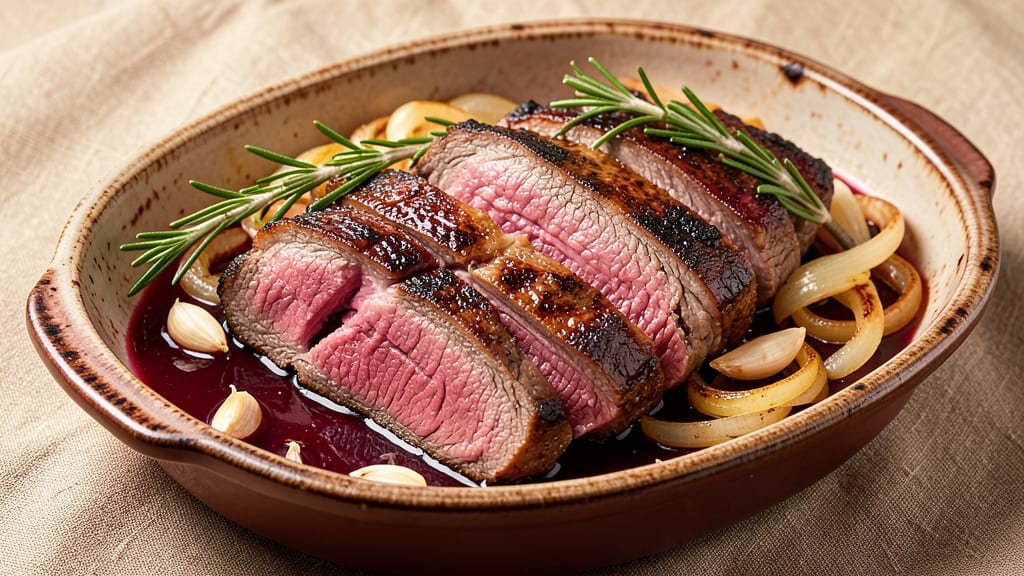
This Atkins-friendly beef and Merlot recipe delivers restaurant-quality braised beef without the carbs. The rich Merlot wine creates a deep, savory sauce that perfectly complements tender beef, all while keeping it perfectly aligned with low-carb principles.
I developed this recipe after realizing how often wine-based dishes get overlooked in Atkins-friendly cooking—until now.
The secret lies in the wine reduction technique, where we carefully reduce Merlot with beef broth to create a velvety sauce that clings to every bite of beef. Unlike traditional braised dishes, this version skips the flour roux and heavy cream, making it both flavorful and diet-compliant.
The beef becomes fork-tender while maintaining its natural richness, all without any added carbohydrates.
What you'll end up with is a dish that's equally impressive for weeknight dinners and special occasions—a perfectly browned beef medallion, swimming in a glossy wine reduction, served over a bed of sautéed spinach or cauliflower rice.
The flavors are complex and satisfying, proving that low-carb eating doesn't mean sacrificing depth or indulgence.
Pair this with roasted asparagus or a simple green salad to complete your meal. The recipe maintains all the elegance of a wine-braised beef dish while keeping it perfectly aligned with Atkins principles. Let's get cooking!
Ingredients for atkins beef merlot
Quality ingredients transform simple beef into an Atkins-friendly gourmet experience with bold wine flavors.
| Ingredient | Amount | Notes |
|---|---|---|
| Beef Chuck Roast 🥩 | 2 lb | Center-cut preferred for tenderness |
| Dry Red Merlot Wine 🍷 | 1 ½ cups | Bold, dry variety for depth |
| Beef Broth 💧 | 1 ½ cups | Low-sodium preferred for Atkins |
| Yellow Onion 🧅 | 1 whole | Diced, medium size |
| Garlic Cloves 🧄 | 4 cloves | Minced for aromatic base |
| Fresh Rosemary 🌿 | ¼ cup | Chopped, stems removed |
| Fresh Thyme 🌿 | ¼ cup | Leaves only, stems discarded |
| Olive Oil 🫒 | 2 tbsp | Extra-virgin for richness |
| Diamond Crystal Kosher Salt 🧂 | 1 ½ tsp | Adjust to taste |
| Freshly Ground Black Pepper 🌶️ | 1 tsp | Coarsely ground |
| Unsalted Butter 🧈 | 2 tbsp | For finishing sauce |
| Fresh Spinach 🍃 | 4 cups | Baby spinach preferred |
The beef selection is critical for this dish. Center-cut chuck roast delivers the ideal balance of tenderness and flavor, avoiding the tougher outer edges of cheaper cuts. For optimal results, source your beef from a trusted butcher or high-end grocer like Whole Foods or Dartmouth Farms, where you can verify the cut and freshness. The Merlot wine should be a bold, dry variety with good tannins—Caymus Vineyards or Apothic Red work exceptionally well. If you're concerned about alcohol content, the wine reduces significantly during cooking, leaving only subtle notes in the final sauce. For the beef broth, opt for a low-sodium version to maintain Atkins compliance while maximizing flavor.
No Merlot on hand? A robust red blend or even a dry Cabernet Sauvignon can substitute, though the flavor profile will differ slightly. Fresh herbs are ideal, but if you're pressed for time, dried rosemary and thyme work at one-third the amount. For a quicker prep, use pre-minced garlic from a jar—just ensure it's labeled fresh and not the dried powdered variety. The olive oil should be extra-virgin for its rich flavor, though regular virgin will suffice in a pinch. When selecting spinach, baby spinach holds its shape better during sautéing than mature leaves, which can turn mushy. If you prefer a different low-carb vegetable, cauliflower rice or asparagus would pair beautifully with the wine-braised beef.
This dish reheats exceptionally well, making it perfect for meal prep. Store the braised beef and sauce in an airtight container in the refrigerator for up to 5 days, or freeze for 3 months for future enjoyment. The spinach should be sautéed fresh when ready to serve to maintain its vibrant color and texture. For a restaurant-quality presentation, finish the dish with a pat of unsalted butter and a sprinkle of freshly cracked black pepper. The wine reduction sauce thickens as it cools, so a splash of additional beef broth can be added when reheating if needed. Portion the beef into individual servings before freezing for easy reheating.
Why You'll Love This Recipe
- Slow Cooker Magic: Honestly, I throw in the chuck roast, dump in the Merlot and broth, and walk away—no babysitting required. The slow cooker does all the work while you sip that same wine you’re cooking with (no judgment).
- Merlot Kiss: That deep, earthy wine reduces into a glossy sauce that clings to every bite, like a fancy steakhouse but with half the effort. The garlic and onion melt into something rich, not overpowering—just right.
- Leftover Luxury: Between us, this tastes better the second day. I make a double batch, freeze half, and pull it out for lazy nights when I don’t want to cook. The beef gets even more tender, and the sauce thickens into something velvety.
- Budget Steakhouse: A chuck roast is cheap, but it turns into something restaurant-worthy without breaking the bank. I’ll be real: my family thinks I spent $50 on this, but I paid $15. That’s the kind of secret weapon I’ll keep.
Step-by-step instructions for wine-braised beef with herbs
This method transforms tough chuck roast into melt-in-your-mouth tenderness using only the ingredients you have.
Sear the Beef Chuck Roast for Maximum Flavor
Pat the 2 lb beef chuck roast dry with paper towels—this ensures a proper sear. Heat the 2 tbsp olive oil in a Dutch oven over medium-high heat until shimmering. Place the roast in the pot and sear on all sides for about 5 minutes total, pressing gently with a spatula to maintain contact. You're building a flavorful crust that will dissolve into the braising liquid later.
Remove the roast and set it aside. The pan will have beautiful browned bits—don't wipe them clean. These fond bits contain concentrated flavor that will form the base of your sauce. This searing step is non-negotiable; it develops depth that no other technique can match.
Develop the Aromatic Base with Onions and Garlic
In the same Dutch oven, add the diced 1 whole yellow onion and cook over medium heat for 5-6 minutes until softened and beginning to caramelize at the edges. Add the minced 4 cloves garlic cloves and cook for another 30 seconds until fragrant—you should smell that pungent garlic aroma filling your kitchen.
Stir in the chopped 0.25 cup fresh rosemary and 0.25 cup fresh thyme leaves, allowing the herbs to release their essential oils for 1 minute. This step creates the herbal foundation that will infuse the beef throughout the braising process. The herbs should be visibly wilted but not burned—this indicates proper development of their flavors.
Deglaze and Build the Braising Liquid
Pour in the 1.5 cups dry red merlot wine, scraping up all the browned bits from the bottom of the pot with a wooden spoon. Bring to a gentle simmer and reduce by half—about 5 minutes—until the liquid coats the back of a spoon. This reduction concentrates the wine's flavors and forms the base of your sauce.
Add the 1.5 cups beef broth and the 1.5 tsp diamond crystal kosher salt and 1 tsp freshly ground black pepper. Return the roast to the pot, fat-side up, and bring the liquid to a full simmer. The liquid should come about halfway up the sides of the roast. This proper liquid level ensures even cooking and maximum tenderness.
Braise Until Fork-Tender
Cover the Dutch oven and transfer to a preheated 325°F oven. Braise for 2.5 to 3 hours, depending on your roast's thickness, until the meat is fork-tender. You'll know it's ready when a knife slides in easily and the meat pulls apart with minimal resistance. The internal temperature should reach 200-205°F—this is the magic zone for perfect tenderness.
During the last 30 minutes of cooking, check the liquid level occasionally. If it reduces too much, add a splash of water or broth to maintain the proper braising environment. The roast should be submerged enough to cook evenly but not so much that it steams instead of braises.
Finish with Butter and Spinach
Remove the roast from the pot and let it rest on a cutting board for 15 minutes, tented loosely with foil. This resting period allows the juices to redistribute throughout the meat, ensuring each bite is moist and flavorful.
While the roast rests, skim any excess fat from the braising liquid. Return the pot to medium heat and add the 2 tbsp unsalted butter, stirring until melted and incorporated. Toss in the 4 cups fresh spinach and cook just until wilted—about 1 minute. The spinach should brighten the rich flavors of the braising liquid with its fresh, slightly bitter notes.
Pro Tips For Making Atkins Beef Merlot
- SEAR THE ROAST FIRST: I learned this the hard way—skipping the sear means flavor gets lost in the sauce. Hit that chuck roast with a screaming-hot pan until it’s deep brown on all sides before adding wine. The crust locks in juices and gives the merlot something rich to cling to.
- DEGLAZE WITH THE WINE STRAIGHT AWAY: Don’t let those browned bits turn to sludge. As soon as you pull the roast out, pour in the full cup of merlot immediately—no waiting. Scrape every last bit from the pan while it’s still sticky, or you’ll end up with a watery sauce instead of a velvety one.
- USE A SPLASH OF BROTH EARLY: The wine’s going to cook off fast, and that’s fine—but add a quarter cup of beef broth with the wine, not after. It keeps the sauce from turning into a sticky mess while the roast braises. (Yes, even if the recipe says to add it later.)
- SALT THE BROTH LIKE THE SAUCE MATTERS: Unsalted broth? Add ½ teaspoon of salt right to the pot when you combine it with the wine. The sauce will taste flat if you only season at the end—this recipe’s all about that deep, savory balance, and lazy salting ruins it.
Regional styles of atkins beef merlot
French Wine-Braised Tradition
The French have been perfecting wine-braised beef for centuries, and this Atkins-friendly version pays homage to their classic bœuf bourguignon while adapting it for low-carb diets. In Burgundy, cooks traditionally use Pinot Noir instead of Merlot, but the bold, dry profile of Merlot delivers similar depth.
The French technique of slow-cooking beef with wine and herbs creates that signature tender texture we all crave. 🍷
What sets this version apart is the elimination of flour and heavy cream—classic components in French braising—that would violate Atkins principles. Instead, we rely on the natural richness of the beef and wine reduction to create a velvety sauce.
The French would approve of this modern twist while maintaining the dish's elegant roots.
Italian Red Wine Adaptation
In Italy, this dish would transform into a stufato di manzo al vino rosso, where cooks often add tomatoes and bell peppers to the wine reduction.
For our Atkins version, we skip those ingredients but keep the same technique: searing the beef first to develop deep flavors, then slow-cooking until fork-tender. Italian cooks might use Chianti instead of Merlot, but the principle remains the same—wine as the star flavor enhancer. 🇮🇹
The Italian adaptation often includes a sprinkle of Parmigiano-Reggiano at the end, but since we're keeping this strictly low-carb, we finish with butter instead. This creates a similar luxurious mouthfeel without any added carbs.
The Italian version also frequently serves the beef over polenta, which we replace with sautéed spinach to maintain Atkins compliance.
American Low-Carb Twist
This Americanized version keeps the wine-braised beef concept but adapts it for modern low-carb lifestyles. Many American cooks might reach for Cabernet Sauvignon instead of Merlot, but the Merlot's softer tannins create a smoother sauce that's more approachable for everyday meals.
The American adaptation often includes bold spices like smoked paprika or cayenne for heat, which we've omitted to keep the flavors pure and wine-forward. 🌶️
What makes this version uniquely American is its focus on convenience without sacrificing quality. Many Atkins recipes cut corners by using pre-made sauces, but this method lets you build the sauce from scratch while still being meal-prep friendly.
The American approach also emphasizes portion control—this recipe serves four but can easily be halved for two while maintaining the same rich flavors.
Spanish-Inspired Version
In Spain, this dish would become a estofado de ternera al vino tinto, where cooks often add sofrito (a mix of peppers and tomatoes) to the wine. For our Atkins version, we skip the sofrito but keep the same slow-cooking technique.
Spanish cooks might use Rioja instead of Merlot, but the bold, dry profile works beautifully in either case. The Spanish adaptation often includes chorizo for added flavor, which we've omitted to keep this strictly beef-focused. 🇪🇸
What remains consistent across all versions is the importance of patience. Spanish cooks understand that slow cooking transforms tough cuts into melt-in-your-mouth tenderness. This Atkins version maintains that patience while adapting the technique to fit modern dietary needs.
The Spanish would appreciate how we've kept the dish's soul intact while making it suitable for today's health-conscious eaters.
Nutrition facts
Frequently asked questions
Can I substitute Merlot with another red wine?
Use a bold, dry red wine like Cabernet Sauvignon or Zinfandel—they'll add more tannins and depth. Avoid sweet wines like Port or dessert wines, as they'll alter the sauce's balance. A Chianti or Rioja also works beautifully for regional variations. Just ensure it's dry and aged at least 1 year for better flavor.
How do I make this dish more flavorful?
Boost the depth with a 1 tsp of balsamic vinegar during the wine reduction, or add 1 bay leaf while braising. For extra richness, finish with 1 tbsp of beef drippings instead of butter. A pinch of smoked paprika also enhances complexity while keeping it Atkins-compliant.
Can I use a different cut of beef?
Yes! Chuck eye roast or short ribs work well, but adjust cooking time—chuck eye needs 2-2.5 hours, while ribs may take 3-4 hours. Avoid lean cuts like sirloin, as they won't become tender. For a quicker version, use 1.5 lb of beef stew meat and braise for 1.5-2 hours.
Is the sauce gluten-free?
Yes, this recipe is naturally gluten-free since it doesn't use flour or flour-based thickeners. Always double-check your beef broth and wine labels to ensure no hidden gluten additives. The wine reduction creates a rich, velvety sauce without any gluten-containing ingredients.
How do I reheat leftovers?
Reheat in a skillet over medium-low heat with 2 tbsp of beef broth to loosen the sauce. Cover and warm for 3-5 minutes until heated through. For oven reheating, cover with foil and warm at 300°F for 15-20 minutes. Never microwave, as it can make the beef tough.