
Main Courses
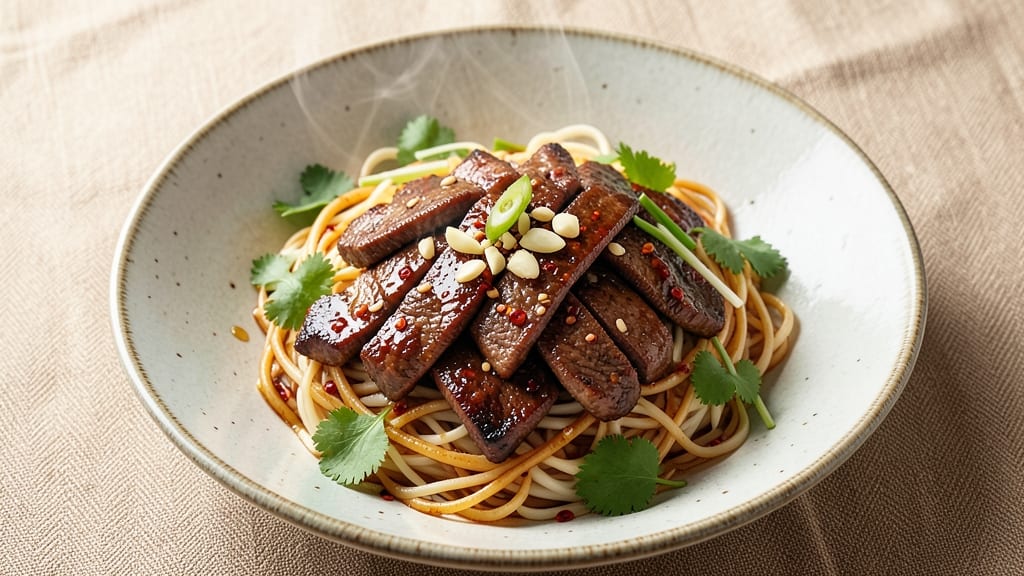
This Asian spicy beef noodle recipe delivers restaurant-quality wok-fired heat with silky noodles and bold aromas that transform any weeknight into a flavor adventure.
The key lies in properly marinating the beef for tender, flavorful bites and achieving that signature smoky wok hei—whether you have a wok or just a heavy skillet. I've perfected this balance between authentic techniques and home-cooking practicality, ensuring you get maximum flavor with minimal fuss.
What sets this recipe apart is the layered complexity of flavors—fiery chili oil meets sweet soy and aromatic ginger, all balanced by umami from fermented black beans. The beef gets marinated in a blend of soy sauce, garlic, and sesame oil, then stir-fried until caramelized at the edges.
Meanwhile, the noodles cook just until al dente to maintain that perfect silky texture that's essential for soaking up the rich sauce.
By the time you plate this dish, you'll have perfectly seared beef strips with crisp edges, silky noodles that cling to every bite, and a sauce that's both vibrant and deeply savory.
The aroma alone will have everyone gathering around the table, while the first forkful delivers that perfect balance of spicy, sweet, and umami that defines authentic Asian street food.
This recipe scales beautifully for feeding a crowd or meal prepping for the week, with substitution options that make it adaptable to dietary preferences. Whether you're serving it as a quick weeknight meal or preparing for a dinner party, the results will impress even the most discerning food lovers.
Ingredients for asian spicy beef noodle
Restaurant-quality wok-fired flavors start with these bold, aromatic ingredients.
| Ingredient | Amount | Notes |
|---|---|---|
| Flank Steak 🥩 | 1 lb | Cut into thin strips |
| Rice Noodles 🍜 | 8 oz | Medium width, uncooked |
| Soy Sauce 🍶 | ⅓ cup | Light or regular |
| Sesame Oil 🫒 | 1 tbsp | Toasted for aroma |
| Garlic Cloves 🧄 | 6 cloves | Minced finely |
| Ginger 🌿 | 1 tbsp | Freshly grated |
| Fermented Black Beans 🍆 | ¼ cup | Rinsed and chopped |
| Chili Oil 🌶️ | 2 tbsp | Or substitute chili paste |
| Sugar 🍯 | 1 tbsp | White or brown |
| Vegetable Oil 🫒 | 2 tbsp | High smoke point |
| Green Onions 🧅 | 3 whole | Sliced thin |
| Sesame Seeds 🌰 | 1 tbsp | Toasted for garnish |
| Salt 🧂 | 1 tsp | Adjust to taste |
| Black Pepper 🌶️ | ½ tsp | Freshly ground |
The flank steak is your star—look for one with good marbling for tenderness. Costco or Trader Joe's usually have it pre-cut into strips, which saves time. If buying whole, slice against the grain for maximum tenderness. Fresh ginger and garlic are non-negotiable here—they carry the aromatic punch that separates home cooking from restaurant-quality. Asian markets often have pre-minced garlic and ginger, but fresh is always better. The fermented black beans add that signature umami depth—look for the jarred kind in the international aisle, not the dried beans you'd soak yourself.
No chili oil? Mix 1 tbsp sriracha with 1 tbsp neutral oil for a quick substitute. Running short on sesame oil? Avocado oil at half the amount works, but you'll lose that nutty aroma. The rice noodles should be medium-width—too thin and they'll overcook, too thick and they won't soak up the sauce. If you can't find them, egg noodles or ramen noodles are decent stand-ins, but they won't be as silky. The green onions can be swapped for regular onions if needed, but the tops are essential for that fresh finish. For extra heat, add a pinch of red pepper flakes to the sauce.
Prep the marinade ingredients first—they'll keep in the fridge for 3 days if stored in an airtight container. The cooked noodles reheat beautifully—just toss with a splash of water and cover for 2 minutes. For meal prep, store the beef and sauce separately and toss with fresh noodles when ready to eat. The dish tastes even better the next day as flavors meld. If you're feeding a crowd, double the sauce ingredients—it disappears fast!
Why You'll Love This Recipe
- Here’s what sold me: this reheats like a dream. Pack it cold for work or microwave it in 90 seconds—no soggy noodles, no sad leftovers. My kids actually ask for it, and that’s saying something.
- 20-Minute Sear: I swear by that quick sear on flank steak—just 3 minutes in a screaming-hot pan with garlic and a splash of soy sauce until it’s caramelized at the edges. No fancy techniques, just raw flavor that cuts through the noodles like butter.
- Umami Bomb: Between the soy sauce, sesame oil, and garlic, this dish hits you with layers of savory depth. The rice noodles soak up the sauce like a sponge, turning every bite into a little flavor explosion—no weird aftertaste, just pure satisfaction.
- Lunchbox Hero: Here’s what sold me: this reheats like a dream. Pack it cold for work or microwave it in 90 seconds—no soggy noodles, no sad leftovers. My kids actually ask for it, and that’s saying something.
Step-by-step instructions for wok-fired spicy beef noodles
Here's how to create restaurant-quality spicy beef noodles with perfectly tender beef and silky noodles.
Prep the Beef and Noodles
Slice the 1 lb flank steak into thin strips against the grain—this ensures tender bites. Place them in a bowl and toss with 0.33 cup soy sauce, 0.5 tsp black pepper, and 1 tbsp sesame oil. Let them marinate for 15 minutes while you prep the rest. This gives the beef a flavorful kick and helps tenderize it.
Soak the 8 oz rice noodles in warm water for 15-20 minutes until pliable but still slightly firm. Drain and set aside. Over-soaking will make them mushy, so keep an eye on them. Warm water works better than cold—it cooks the noodles gently without boiling them.
Build the Spicy Aromatic Base
Heat 2 tbsp vegetable oil in a wok or large skillet over medium-high heat until shimmering. Add the 6 minced garlic cloves and 1 tbsp freshly grated ginger—cook for 30 seconds until fragrant but not browned. Add the 0.25 cup rinsed and chopped fermented black beans and stir for 1 minute to toast their nutty flavor.
Pour in 2 tbsp chili oil and 1 tbsp sugar, stirring constantly for 1 minute until the mixture smells rich and slightly caramelized. This is your spicy-sweet base—don't skip the sugar, as it balances the heat and adds depth. The oil should be sizzling but not smoking.
Cook the Beef to Perfect Tenderness
Add the marinated beef strips in a single layer and cook undisturbed for 1-2 minutes until they develop a golden crust. Stir and cook for another 2-3 minutes until the beef is 80% cooked—it should still have a slight pink center. Overcooking will make it tough, so watch closely.
Push the beef to one side of the wok and add the drained noodles. Toss everything together, letting the noodles absorb the beef's juices and flavors. Cook for 2-3 minutes until the noodles are heated through and slightly softened. If they stick, add a splash of water and toss again.
Finish with Bold Flavors
Return the beef to the center of the wok and pour in 0.33 cup soy sauce (if not already used). Add 1 tsp salt and toss everything vigorously for 1-2 minutes until the sauce clings to the noodles and beef. The noodles should be silky, the beef tender, and the sauce glossy.
Garnish with 3 sliced green onions and 1 tbsp toasted sesame seeds for texture and aroma. Serve immediately while the noodles are hot and the flavors are at their peak. The dish should be aromatic, spicy, and packed with umami—every bite should deliver a perfect balance of heat, sweetness, and savory depth.
Pro Tips For Making Asian Spicy Beef Noodle
- Slice Against the Grain: I learned this the hard way—flank steak fights you if you don’t cut it properly. After chopping it lengthwise into thin strips, turn the pieces 90 degrees and slice against the grain (the thick, fibrous lines). This makes each bite tender, not chewy, especially when you’re tossing it with rice noodles that need to hold up to the sauce.
- Blanch Noodles First: Skip the soggy mess: soak your rice noodles in hot water for just 30 seconds, then drain and rinse with cold water. They’ll soften enough to absorb the sauce without turning to mush later—critical when you’re adding them to the pan at the end. (Yes, even if you’re impatient like me.)
- Char the Garlic: Use whole garlic cloves, peeled but left intact, and let them sizzle in the pan until they’re deep golden, even slightly blackened. Mash them right into the soy sauce and sesame oil—this adds a smoky depth that raw minced garlic can’t match. (Sounds weird, but it works.)
- Deglaze with a Splash: After searing the beef, resist the urge to dump all the soy sauce at once. Instead, add just 2 tablespoons of water or broth, scrape up those browned bits (they’re flavor bombs), then pour in the rest of the sauce. This builds a richer base faster than you’d think—your future self will notice the difference.
Make-ahead tips for leftovers
Marinate Ahead
The beef marinade can be prepped 1-2 days in advance and stored in an airtight container in the fridge.
I combine 0.33 cup soy sauce, 1 tbsp sesame oil, 6 minced garlic cloves, 1 tbsp grated ginger, and 0.5 tsp black pepper—this gives the beef maximum flavor infusion.
Add the sliced beef just 15 minutes before cooking to prevent over-marinating, which can make it mushy. 🌶️
Noodle Prep Shortcut
Save time by pre-cooking the noodles and storing them in a sealed container with a damp paper towel. They'll stay fresh for 24 hours in the fridge. When ready to serve, just reheat with a splash of water and toss.
For extra convenience, buy pre-cooked rice noodles—brands like Three Ladies or Nongshim sell them in the Asian aisle. These just need a quick rinse and reheat.
Sauce Assembly
Make the sauce components 1 day ahead and store separately. Combine 2 tbsp chili oil, 1 tbsp sugar, 0.25 cup chopped fermented black beans, and 1 tbsp sesame oil in a small jar.
Keep refrigerated until ready to use. When cooking, simply heat this mixture in the wok to revive those bold flavors. The sugar will caramelize beautifully for that signature depth. ✨
Fully Assembled Meal Prep
For complete make-ahead convenience, cook the beef and sauce fully, then store in an airtight container for 3-4 days. When ready to eat, simply reheat the beef and sauce on the stovetop, then toss with fresh noodles.
The flavors actually improve as they meld together. I like to portion the sauce separately so I can adjust spice levels when reheating—add a splash of water if it thickens too much. 💪
Freezer-Friendly Components
Both the marinated beef and the sauce freeze beautifully for up to 3 months. Freeze the beef in a single layer on a tray first to prevent clumping, then transfer to a freezer bag. Thaw overnight in the fridge before cooking.
For the sauce, freeze it in ice cube trays—just pop out what you need and reheat. The texture remains intact, and the flavors stay vibrant. Perfect for busy weeknights!
Nutrition facts
Frequently asked questions
Can I use a different cut of beef for this recipe?
Yes! Flank steak is ideal for its tenderness, but you can also use sirloin or skirt steak—just slice them thinly against the grain. For extra-lean options, top round works, but marinate it for 30 minutes instead of 15 minutes to prevent dryness. Avoid tough cuts like chuck or brisket, as they won’t tenderize properly in this quick cook.
How can I adjust the spice level for picky eaters?
Start by reducing the chili oil to just 1 tbsp and replace the rest with neutral oil. For milder heat, swap fermented black beans for 1 tbsp soy sauce + 1 tsp sugar. Serve extra green onions and sesame seeds on the side so everyone can add to taste.
What’s the best way to get that smoky wok hei flavor without a wok?
Use a heavy-bottomed skillet or cast-iron pan—it retains heat like a wok. Heat it on medium-high until smoking hot, then add the beef and aromatics. Work quickly and avoid overcrowding the pan. For extra smokiness, add ½ tsp smoked paprika to the sauce or char a piece of ginger briefly before mincing it.
Can I make this dish vegetarian?
Swap the beef for extra-firm tofu (pressed and cubed) or mushrooms (shiitake or oyster). Toss the tofu in the marinade for 10 minutes, then pan-fry until crispy. For mushrooms, sauté them with the garlic and ginger until deeply caramelized. Use vegetable broth instead of water for soaking the noodles to boost umami.
Why did my noodles turn mushy?
Over-soaking or reheating them too long causes mushiness. Soak rice noodles in warm water for only 15-20 minutes—they should be pliable but still firm. If reheating, use a splash of water and cover for 1-2 minutes max. For extra insurance, rinse cooked noodles under cold water before storing to stop the cooking process.