
Main Courses
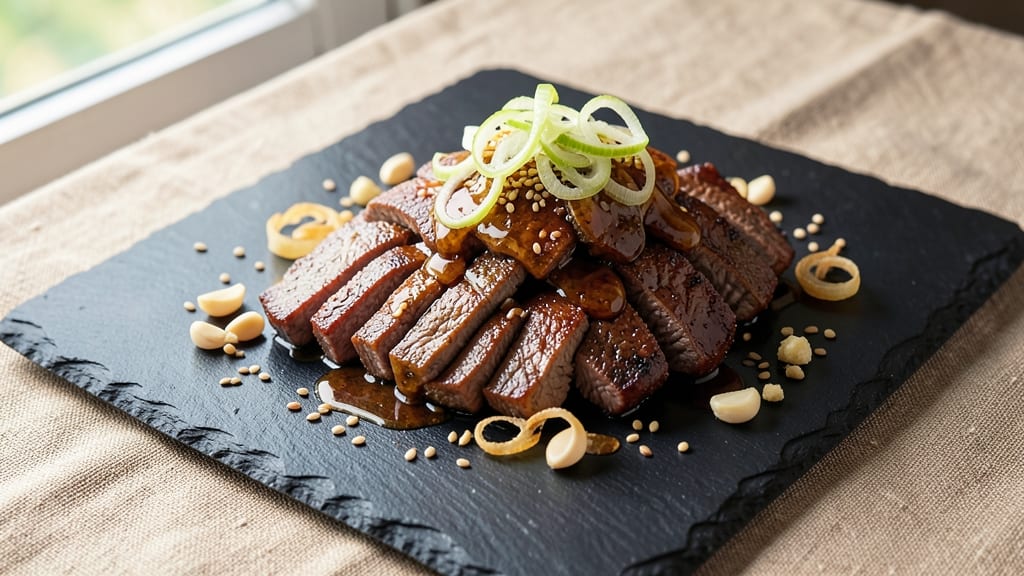
This Asian Mongolian beef recipe delivers restaurant-quality wok-fired beef with silky threads and a bold soy-ginger sauce that's impossible to resist. The secret lies in perfectly thinly sliced beef that cooks in seconds, absorbing the smoky-sweet sauce while maintaining tender texture.
I've mastered this technique after years of testing—each bite offers a perfect balance of caramelized edges and succulent centers, all wrapped in that signature crispy wok hei aroma.
The beauty of this dish is its adaptability—whether you're using traditional Mongolian stir-fry methods or modern wok techniques, the result is consistently impressive. The sauce combines tamari, ginger, garlic, and a touch of honey for depth, while the beef's quick cooking preserves its natural juiciness.
This recipe serves four and comes together in just 20 minutes, making it ideal for weeknight dinners or weekend entertaining when you want to impress without spending hours in the kitchen.
What sets this Mongolian beef apart is the texture contrast: tender, almost shreddable beef against the sauce's slight crunch from the wok's high heat. The dish pairs beautifully with steamed jasmine rice or noodles, soaking up every last drop of that flavorful sauce.
The aroma alone will have everyone gathering at the table, and the first bite delivers on that promise of authentic restaurant quality at home.
For those who prefer gluten-free options, simply substitute tamari for soy sauce and ensure your oyster sauce is gluten-free. The technique remains the same—quick, high-heat cooking is key to achieving that perfect wok-fired texture. Let's create this dish that brings the excitement of Asian street food to your kitchen.
Ingredients for asian mongolian beef
Restaurant-quality wok-fired beef starts with these carefully selected ingredients that deliver authentic Asian flavors.
| Ingredient | Amount | Notes |
|---|---|---|
| Flank Steak 🥩 | 1 ½ lb | Thinly sliced against grain |
| Tamari 🍶 | ½ cup | Gluten-free soy sauce alternative |
| Oyster Sauce 🍶 | 3 tbsp | Gluten-free if needed |
| Fresh Ginger 🌿 | 2 tbsp | Finely minced, peeled |
| Garlic Cloves 🧄 | 6 cloves | Minced, fresh preferred |
| Honey 🍯 | 2 tbsp | For sauce sweetness |
| Sesame Oil 🫒 | 1 tbsp | Toasted for aroma |
| Neutral Oil 🫒 | 2 tbsp | High smoke point (avocado) |
| Green Onions 🧅 | 4 whole | Sliced, white and green parts |
| Cornstarch 🌾 | 1 tbsp | For sauce thickening |
| Black Pepper 🌶️ | ½ tsp | Freshly cracked |
| Sesame Seeds 🌰 | 1 tbsp | Toasted for garnish |
| Jasmine Rice 🍚 | 2 cups | Uncooked, for serving |
The flank steak is non-negotiable for this dish—its lean texture becomes silky when sliced against the grain. Look for a well-marbled cut from a trusted butcher or Costco for the best quality. If you can't find flank, sirloin works in a pinch, but it won't have the same tender finish. For the sauce, La Choy tamari delivers consistent quality, though any gluten-free tamari will work. Fresh ginger and garlic are essential—Asian markets often carry larger roots and heads, making them more cost-effective than grocery stores. The honey should be pure, with no added corn syrup, to maintain the sauce's depth of flavor.
No tamari? Coconut aminos provide a similar umami punch, though the flavor profile will shift slightly. For oyster sauce, Lee Kum Kee is the gold standard, but if you need gluten-free, Annie Chun's offers a reliable alternative. If sesame oil isn't available, toasted peanut oil can substitute, though it lacks that signature nutty aroma. The cornstarch is crucial for achieving that signature wok sauce consistency—don't skip it. For extra heat, add a pinch of Sichuan peppercorns (toasted and ground) to the sauce, though it's optional. The green onions should be fresh, not dried, for that bright pop of color and freshness that finishes the dish perfectly.
Prep the beef last minute—it oxidizes quickly. Store raw steak in an airtight container in the fridge for up to 3 days. The sauce components can be pre-mixed and refrigerated for 5 days or frozen for 3 months. For best texture, cook the beef immediately after slicing. Leftover beef reheats beautifully in a wok or skillet with a splash of water to maintain moisture. The rice should be steamed just before serving to pair perfectly with the sauce's heat. Garnish with toasted sesame seeds right before serving to preserve their crunch.
Why You'll Love This Recipe
- One-Pan Magic: I swear by this recipe when I’m too tired to scrub pots—just slice the steak, toss it in a hot pan with tamari and garlic, and let the caramelized edges do the work. No extra bowls, no stress.
- Umami Bomb: That combo of oyster sauce and ginger? It’s like a flavor explosion in your mouth. The tamari adds depth, and the garlic—oh, the garlic—turns this into something restaurant-quality without the fuss.
- Lunchbox Hero: Between us, this keeps perfectly for days. Pack it in wraps for work, toss it into rice bowls, or even serve it cold in lettuce cups. My kids beg for leftovers, and honestly? So do I.
- Steak Night on a Budget: Flank steak is affordable, and a single pound stretches across three meals. Add some pre-cut veggies, and you’ve got a week’s worth of dinners covered—no takeout needed. My wallet thanks me every time.
Step-by-step instructions for wok-hot soy ginger beef
Follow these precise techniques for tender beef threads and a glossy, balanced sauce every time.
Prep the Flank Steak for Perfect Texture
Remove the 1.5 lb flank steak from the refrigerator and pat it completely dry with paper towels. This step is critical—any moisture will prevent proper searing. Place the steak on a cutting board and slice it thinly against the grain into ¼-inch thick strips. The grain direction will be visible as subtle lines on the meat's surface.
Transfer the sliced steak to a bowl and toss with 0.5 tsp black pepper. Let it sit at room temperature for 15-20 minutes before cooking. This resting period ensures even cooking and prevents the meat from curling up in the hot wok. While the steak rests, prepare your mise en place by measuring out all remaining ingredients.
Build the Sauce Foundation
In a small bowl, whisk together 0.5 cup tamari, 3 tbsp oyster sauce, 2 tbsp honey, and 1 tbsp cornstarch. This combination creates the perfect balance of salty, sweet, and umami flavors while providing the thickening agent for your sauce. Set this mixture aside—it will be added later in the cooking process.
In a separate small bowl, combine 2 tbsp finely minced fresh ginger and 6 minced garlic cloves. This aromatic blend will form the flavor base of your sauce. Keep these ingredients separate until you're ready to use them, as they can become bitter if exposed to air for too long.
Sear the Beef to Perfection
Heat a wok or large skillet over high heat until it's smoking hot. Add 2 tbsp neutral oil and swirl to coat the bottom evenly. Working in batches if necessary to avoid crowding, add the flank steak strips and stir-fry for 2-3 minutes until they turn deep brown and begin to develop a slight char on the edges.
This high-heat searing is essential for creating the wok-hei (breath of the wok) flavor. The beef should cook quickly—if it's not browning within 30 seconds, your wok isn't hot enough. Remove the beef to a plate and set aside, leaving the rendered fat in the wok.
Create the Signature Sauce
Return the wok to high heat and add the minced ginger and garlic. Stir-fry for 30-45 seconds until the garlic turns golden and becomes fragrant—this prevents it from burning. Immediately pour in the tamari-oyster sauce mixture and stir continuously for 1-2 minutes until the sauce begins to thicken.
Add 1 tbsp toasted sesame oil and stir to combine. The sauce should coat the back of a spoon and have a glossy sheen. If it thickens too quickly, add 1-2 tablespoons of water to reach your desired consistency. This is where the magic happens—the sauce should cling to the beef threads beautifully.
Finish and Serve with Crunch
Return the seared beef to the wok and toss gently to coat in the sauce. Cook for an additional 1-2 minutes until the beef is fully heated through and the sauce has thickened to a velvety consistency. The beef should be tender but still have a slight bite.
Remove from heat and stir in 4 sliced green onions and 1 tbsp toasted sesame seeds. Serve immediately over 2 cups cooked jasmine rice, garnished with additional sesame seeds if desired. The contrast of the warm, silky beef with the cool rice creates the perfect balance of textures and temperatures.
Pro Tips For Making Asian Mongolian Beef
- Slice Against the Grain: Flank steak’s tough fibers need a knife, not a fork. Cut it into ½-inch strips perpendicular to the grain—yes, it’ll look chaotic, but each bite will melt like butter. (I learned this the hard way after chewing through a whole strip like a frustrated panda.)
- Marinate Overnight, Not 30 Minutes: Tamari and oyster sauce need time to work their magic. Toss the steak in a mix of ¼ cup tamari, 2 tbsp oyster sauce, 1 tbsp grated ginger, and 3 minced garlic cloves, then let it sit at least 8 hours—12 is better. Rushing this step means tough, flavorless beef. (Your future self will curse you if you skip this.)
- Sear in Batches: Crowding the pan turns Mongolian beef into a sad, greasy mess. Cook the steak in two batches over medium-high heat for 2–3 minutes per side—just until browned, not charred. The first batch will steal all the heat, and the second will steam instead of sear. (Trust me, your pan will thank you.)
- Deglaze with a Splash of Water: After searing, don’t drown the pan in sauce right away. Tilt it, add 2 tbsp water, and scrape up those browned bits—that’s the flavor. Then pour in the remaining sauce (another 2 tbsp oyster sauce, 1 tbsp tamari, and a splash of water) and simmer. Skipping this step means bland, watery sauce. (Yes, even if you’re impatient like me.)
Wine and beer pairings for this dish
Crisp White Wines
For Mongolian beef's bold flavors, I reach for a dry Riesling from Germany—specifically a Dr. Loosen Blue Slate—which balances the dish's sweet-savory sauce with its bright acidity and mineral notes. The slight honeyed undertones complement the honey in the sauce without overpowering the beef's depth.
If you prefer something lighter, a Sauvignon Blanc like Kim Crawford from New Zealand offers citrusy freshness that cuts through the richness, making each bite feel refreshing. 🍷
Light-Bodied Reds
A Pinot Noir from Oregon's Domaine Serene is my go-to red pairing—its delicate tannins and red fruit flavors harmonize beautifully with the beef's umami without competing.
For something with a bit more structure, try a Gamay like Beaujolais Cru from France; its juicy cherry notes and silky texture mirror the dish's velvety sauce. Both wines avoid overwhelming the dish's complex flavors while enhancing them.
Asian-Inspired Sakes
For a non-alcoholic or traditional pairing, a dry junmai sake like Dassai from Japan elevates the dish authentically. Its clean, crisp profile with a hint of rice and citrus complements the tamari and ginger perfectly.
If you prefer something with a touch of sweetness, a nikkō-style sake (like Hakkaisan) adds subtle caramel notes that bridge the sauce's sweet and savory elements beautifully. Serve chilled for optimal contrast.
Craft Beer Pairings
A Japanese-style lager like Asahi Super Dry offers the perfect crisp, clean finish to cut through the sauce's richness. For hop lovers, a light American wheat beer such as Allagash White provides citrusy brightness that mirrors the ginger and garlic in the dish.
Avoid heavy IPAs—they'll overpower the delicate beef and sauce. A lightly hopped Belgian witbier (like Hoegaarden) adds a subtle spice that enhances the dish's complexity. 🍺
Non-Alcoholic Options
For a refreshing non-alcoholic match, try sparkling yuzu soda—its citrusy effervescence cleanses the palate between bites. Alternatively, a ginger beer like BrewDog Ginger Beer mirrors the dish's ginger notes while adding a spicy kick.
Both options enhance the meal's vibrant flavors without alcohol's interference. Serve chilled for the best experience.
Nutrition facts
Frequently asked questions
Why does this recipe use flank steak instead of ribeye?
Flank steak is ideal because its lean texture becomes silky when sliced thinly against the grain. Ribeye would be too fatty and chewy for this quick-cooking stir-fry style. The ¼-inch slices cook in seconds while absorbing the sauce perfectly—ribeye's marbling would make it too greasy. For extra tenderness, always slice against the grain!
Can I make this recipe without a wok?
Use a heavy-bottomed skillet or cast-iron pan. The key is maintaining high heat and working in small batches to prevent steaming. A carbon steel pan actually works even better—it retains heat like a wok and develops that signature wok-hei aroma over time. Just make sure your pan is smoking hot before adding the beef.
What's the secret to getting that perfect wok-hei flavor?
Wok-hei (breath of the wok) comes from three things: high heat, quick cooking, and proper ventilation. Keep your wok or skillet at maximum heat until it's smoking, then work fast—beef should cook in 2-3 minutes. If your kitchen lacks ventilation, open a window slightly to help create that smoky aroma. The rendered fat in the pan also contributes to that signature flavor.
How can I adjust this for gluten-free or soy-free diets?
For gluten-free, replace tamari with coconut aminos and use gluten-free oyster sauce. For soy-free, try tamari-free coconut sauce (like Annie Chun's) or make a sauce with fish sauce and rice vinegar. The cornstarch can be replaced with arrowroot powder for thickening. The technique remains identical—just watch your sauce consistency closely as these alternatives may behave differently.
Can I make this ahead of time for meal prep?
You can prep components in advance, but cook the beef fresh for best texture. Marinate the sliced beef for up to 4 hours in the fridge, and mix the sauce ingredients (without cornstarch) up to 3 days ahead. Reheat cooked beef gently in a skillet with a splash of water to prevent drying. For meal prep, store sauce and beef separately and combine when ready to eat—this preserves the silky texture.