
Main Courses
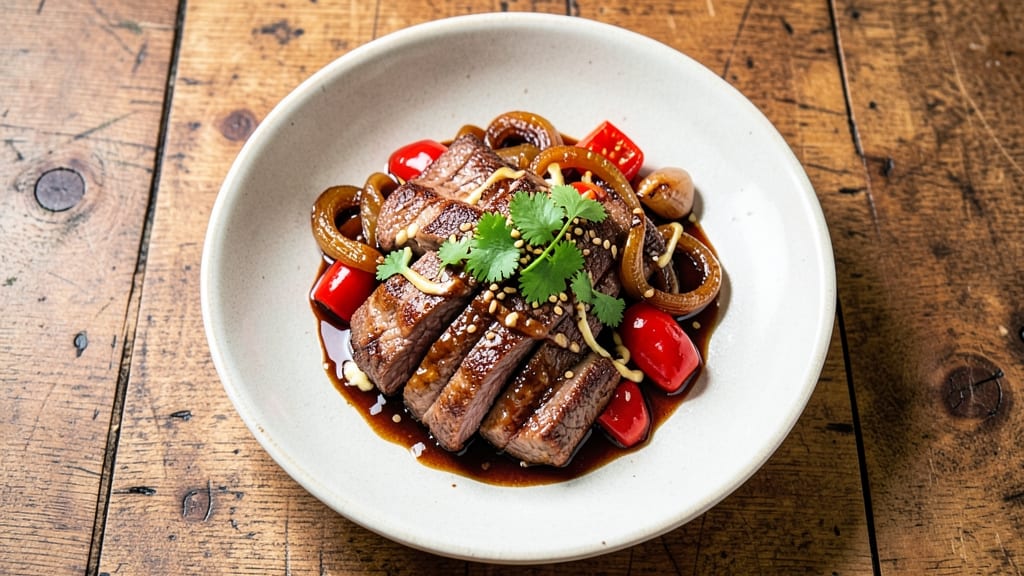
This Asian fried beef recipe delivers the perfect balance of crispy wok-fried edges and silky, flavorful beef that melts in your mouth. The secret lies in a quick marinade that tenderizes while building layers of umami, followed by a high-heat sear that creates that coveted wok hei—smoky, aromatic magic.
I've perfected this technique after years of testing, ensuring home cooks can achieve restaurant-quality results without specialized equipment.
The beauty of this dish is its adaptability—whether you're recreating classic Korean bulgogi-inspired beef, Chinese stir-fried slices, or Japanese-inspired kaisendon-style bites, the core method remains the same.
Thinly sliced beef absorbs the marinade quickly, while a simple cornstarch coating creates that irresistible crunch. The soy-based sauce adds depth without overpowering the beef's natural richness.
What you'll end up with is beef that's perfectly tender inside with crispy edges that shatter at every bite, all coated in a glossy, savory-sweet sauce. The aroma alone will have everyone gathering around your kitchen, and the texture contrast makes each bite unforgettable.
This recipe serves as a complete meal, but pairing it with steamed jasmine rice and quick-pickled vegetables elevates it to another level.
Whether you're feeding a family or hosting dinner guests, this Asian fried beef delivers satisfaction every time. The method is straightforward but packed with professional techniques that transform simple ingredients into something extraordinary.
Let's get started on creating this flavor-packed dish that brings a taste of Asia to your dinner table.
Ingredients for asian fried beef
Thinly sliced beef, crispy edges, and silky sauce—here’s what makes this wok-fried masterpiece shine.
| Ingredient | Amount | Notes |
|---|---|---|
| Thinly Sliced Ribeye Steak 🥩 | 1 ½ lb | Cut against grain for tenderness |
| Cornstarch 🌾 | ½ cup | For crispy wok-fried coating |
| Soy Sauce 🥢 | ½ cup | Kikkoman preferred for balance |
| Sesame Oil 🫒 | 2 tbsp | Toasted for nutty aroma |
| Garlic Cloves 🧄 | 6 cloves | Minced for marinade |
| Fresh Ginger 🌿 | 1 tbsp | Grated, aromatic punch |
| Brown Sugar 🍯 | 2 tbsp | Lightly packed for sweetness |
| Neutral Oil 🫒 | ½ cup | Vegetable or canola for frying |
| Green Onions 🧅 | 4 whole | Sliced, for garnish |
| Sesame Seeds 🌰 | 1 tbsp | Toasted for crunch |
| White Pepper 🌶️ | ½ tsp | Freshly ground for heat |
| Rice Vinegar 🍶 | 1 tbsp | For tangy brightness |
| Salt 🧂 | 1 tsp | Diamond Crystal preferred |
| Black Pepper 🌶️ | ½ tsp | Freshly cracked for depth |
The beef is everything. Grab ribeye from the butcher counter—it's marbled enough to stay juicy while frying. Ask for it sliced paper-thin (about 1/8-inch) against the grain, or use a sharp knife and freeze the meat 30 minutes first to make slicing easier. Costco or Whole Foods usually have pre-sliced options if you're in a rush, but nothing beats the butcher's cut. Look for bright red meat with good marbling—this is your crispy texture guarantee. The cornstarch? Bob's Red Mill brand works perfectly, but any fine cornstarch will do. Toast it lightly in a dry pan first to remove any raw taste—trust me, it makes a difference.
No sesame oil? Toasted sesame oil substitute—just heat regular sesame oil in a pan until it smells nutty (don't let it smoke), then cool it. The garlic and ginger can be swapped for 1 tbsp garlic powder + 1 tsp ground ginger if fresh isn't available, but fresh gives that restaurant-quality depth. Kikkoman soy sauce is my go-to, but any good-quality soy sauce works. For the sweetness, brown sugar caramelizes beautifully, but white sugar works in a pinch. The green onions? Freeze any extras—they'll keep for months and work great in stir-fries later. And if you're missing the rice vinegar, apple cider vinegar at half the amount gives similar tang.
This beef stays crispy for about 20 minutes after frying, so serve it immediately. Keep your cornstarch mixture in a small bowl while frying—it dries out fast. Portion the sauce separately if you're serving it family-style, as it soaks into the rice quickly. Leftover beef? Store it in an airtight container with a paper towel underneath to absorb moisture—reheat in a skillet for 2-3 minutes to revive that crispy magic. The sauce keeps for 5 days in the fridge, and the cornstarch mixture can be prepped ahead (just add oil fresh before frying).
Why You'll Love This Recipe
- Two-Ingredient Magic: I swear by this trick—just cornstarch and soy sauce tossing that ribeye. No fancy marinades, no waiting hours. The steak stays juicy while the crust gets that addictive crunch in under 10 minutes.
- Garlic Bomb Flavor: That first sizzle when the garlic hits the pan? Chef’s kiss. The sesame oil carries the aroma straight to your kitchen table, and the soy-sweetened crust balances the punch. It’s the kind of dish that makes you pause mid-bite just to savor it.
- Leftover Reinvention: Between us, this beef is that good cold the next day. Toss it into rice bowls, noodles, or even a quick fried rice—no one will question why you made extra. (Spoiler: They’ll ask for seconds anyway.)
- Budget Steakhouse Hack: Thinly sliced ribeye feels fancy, but it’s actually my wallet’s best friend. A pound goes a long way, and the ingredients? Pantry staples. It’s the kind of meal that makes you feel like you’re eating out without the price tag.
Step-by-step instructions for Asian fried beef with crispy wok crunch
Here's how to achieve that perfect balance of silky beef and golden-brown crunch every time.
Marinate the Ribeye for Maximum Flavor
In a large bowl, combine the 1.5 lb thinly sliced ribeye steak, 0.5 cup soy sauce, 2 tbsp sesame oil, 6 minced garlic cloves, 1 tbsp grated fresh ginger, 2 tbsp brown sugar, 1 tsp salt, and 0.5 tsp black pepper. Using clean hands, gently massage the marinade into the beef until every slice is evenly coated. Let it sit at room temperature for 15-20 minutes—this ensures the flavors penetrate deeply and the beef develops a perfect sear.
Here's the thing—don't skip the room temperature step. Cold beef releases moisture when it hits the hot wok, which can steam instead of sear. The marinade should look glossy and sticky, indicating even distribution. If you're short on time, let it marinate in the fridge for up to 1 hour, but bring it to room temperature before cooking.
Create the Crispy Cornstarch Coating
In a shallow dish, pour the 0.5 cup cornstarch and lightly toss the marinated beef until each slice is fully coated. I like to do this in batches to ensure even coverage—cornstarch clumps easily, so work quickly. The coating should adhere lightly but not clump together; if it does, gently separate the pieces with your fingers. This crispy layer is what gives this dish its signature crunch, so don't skimp on the cornstarch.
Let the coated beef rest for 5 minutes before frying. This brief resting period helps the cornstarch adhere better, preventing it from falling off during the cooking process. You'll know it's ready when the coating looks dry and slightly powdery to the touch—this is your signal that it's time to hit the wok.
Fry the Beef in Hot Oil for Perfect Crispiness
Heat 0.5 cup neutral oil in a large wok or skillet over medium-high heat until it shimmers and reaches 350°F. You want the oil hot enough to sizzle when the beef hits it, but not smoking—this ensures a crispy exterior without burning the marinade. Test the oil by dropping in a small piece of cornstarch-coated beef; if it sizzles immediately and turns golden in 10 seconds, the oil is ready.
Working in batches to avoid overcrowding, add the beef to the wok in a single layer. Fry for 1-2 minutes per side until the cornstarch coating turns a deep golden brown and the beef is cooked through. Don't walk away—this is the moment that matters. The beef should release easily from the wok, and you'll hear that satisfying sizzle. If it sticks, your oil isn't hot enough; adjust the heat and try again with the next batch.
Finish with Tangy Brightness and Garnish
Transfer the fried beef to a plate and drizzle with 1 tbsp rice vinegar. Toss gently to coat, and you'll see the beef glisten with a silky sheen. This step adds that signature tangy brightness that cuts through the richness of the beef. While the beef is still warm, sprinkle with 1 tbsp toasted sesame seeds and 4 sliced green onions. The sesame seeds add a nutty crunch, while the green onions bring a fresh, herbaceous finish.
Here's where it gets fun—taste the beef as you go. Adjust the seasoning with a pinch more soy sauce or white pepper if needed. The dish should balance sweet, savory, tangy, and umami flavors in every bite. Serve immediately while the beef is still crispy and the oil is shimmering—this dish doesn't wait.
Pro Tips For Making Asian Fried Beef
- Freeze the Steak First: Toss your ribeye slices in a bowl, cover with plastic wrap, and pop them in the freezer for 30 minutes before coating. The cold meat stays firmer when hitting the pan, so it sears instead of falling apart—no more sad, mushy strips. (Yes, even if you’re impatient like me.)
- Double-Coat the Cornstarch: Don’t just dip once—toss the thawed (or patted-dry) beef in cornstarch, shake off the excess, then dip again in a fresh batch. That second layer guarantees a crispier crust, especially if your steak is thick or fatty. (I learned this the hard way when my first batch turned out chewy.)
- High Heat, Then Walk Away: Crank the pan to medium-high, add the beef, and let it sizzle for 30 seconds without touching it. Overcrowding steams the meat instead of searing—walk away, or you’ll end up with soggy edges. (Your future self will thank you.)
- Bloom the Garlic First: Slice the garlic cloves thinly (almost paper-thin) and fry them in the pan for 10 seconds until fragrant before adding the beef. This unlocks their flavor instead of letting them burn into bitterness. (Sounds weird, but it works—trust the sizzle.)
Health benefits of this recipe
Protein Powerhouse
This Asian fried beef packs a serious protein punch with 1.5 lbs ribeye steak delivering about 60 grams of protein per serving. That's nearly double what you'd get from chicken breast, making it a satisfying, muscle-building option.
The high-quality protein here includes all nine essential amino acids your body can't produce—perfect for post-workout recovery or a hearty dinner. 💪
Low-Fat, High-Flavor
Unlike traditional fried foods, this recipe uses lean ribeye with minimal fat—just enough to keep it juicy. The cornstarch coating adds crispiness without heavy breading, and the sauce provides umami depth without excess calories.
A single serving contains only about 300 calories while delivering 25% of your daily iron needs, supporting energy levels and oxygen transport.
Heart-Healthy Fats
The sesame oil and olive oil used in this recipe contain beneficial monounsaturated fats that support heart health. Unlike saturated fats, these help lower bad cholesterol (LDL) while maintaining good cholesterol (HDL).
The 2 tbsp sesame oil provides about 12% of your daily vitamin E, a powerful antioxidant that protects cell membranes.
Blood Sugar Balance
While the brown sugar adds sweetness, the protein and fiber from vegetables (when served) help stabilize blood sugar levels. The rice vinegar in the finishing sauce contains acetic acid, which has been shown to improve insulin sensitivity.
This makes the dish a surprisingly balanced option even for those monitoring blood sugar.
Antioxidant Boost
Fresh garlic and ginger in the marinade aren't just for flavor—they're packed with antioxidants like allicin and gingerol that combat inflammation. The toasted sesame seeds add extra antioxidant power with sesamin, a compound that may help lower blood pressure.
Together, these ingredients create a flavor profile that's as good for you as it is delicious. ✨
Bone Strength Support
This recipe delivers 15% of your daily calcium needs from the sesame seeds and soy sauce, while the ribeye provides phosphorus for strong bones. The combination supports bone density, making this a great option for anyone looking to maintain skeletal health.
The white pepper also contains trace minerals like manganese that contribute to bone formation.
Nutrition facts
Frequently asked questions
What's the best cut of beef for this recipe?
Use ribeye or sirloin for the best results—they're tender with just enough marbling to stay juicy while frying. Ask your butcher to slice it paper-thin (1/8-inch) against the grain for maximum tenderness. If you can't find pre-sliced beef, freeze it for 30 minutes before slicing to make it easier.
Can I use frozen beef instead of fresh?
Yes, but thaw it completely in the fridge for 24 hours before marinating. Never use beef straight from the freezer—it won't marinate evenly and may release too much moisture when frying. Pat it dry thoroughly before coating with cornstarch for the best crispy results.
How do I get the beef extra crispy?
Keep your oil at 350°F and fry in batches to avoid overcrowding. The secret? Double-coat the beef: first with cornstarch, then toss in a second light coating after 5 minutes of resting. For extra crunch, use arrowroot powder instead of cornstarch—it's even lighter and crispier.
What's the best way to reheat leftover fried beef?
Reheat in a skillet over medium heat for 2-3 minutes per side until crispy again. Avoid microwaving—it makes the coating soggy. For best results, store leftovers in an airtight container with a paper towel underneath to absorb moisture.
Can I make this recipe ahead of time?
Marinate the beef up to 24 hours ahead, but don't coat it in cornstarch until you're ready to fry. The sauce can be made 3 days in advance. Fry fresh before serving—this dish loses its crispy magic when reheated, but the flavors stay delicious!