
Main Courses
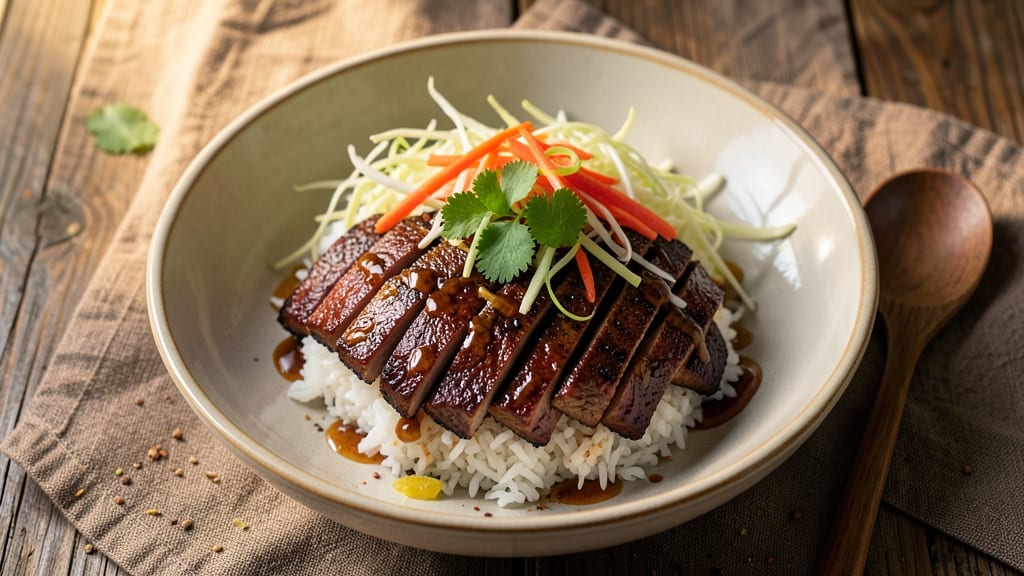
This Asian beef wrap recipe delivers the perfect balance of tender beef and crispy rice paper in every bite—no takeout required. The secret lies in a quick marinade that infuses the beef with savory-sweet flavors, while a light stir-fry keeps it juicy and tender.
What makes this recipe stand out is the crispy texture of the rice paper, achieved through a simple steaming trick that transforms it from flimsy to sturdy in seconds.
The star of this dish is the beef, sliced thin and marinated in a blend of soy sauce, garlic, and a touch of brown sugar for depth. Stir-frying over high heat ensures it stays tender while developing a caramelized crust.
Pair it with classic Asian-inspired fillings like shredded carrots, cucumber, and fresh herbs, then drizzle with a tangy hoisin-sriracha mayo that ties everything together. The rice paper, lightly steamed for just 10 seconds, becomes the ideal wrapper—crispy enough to hold up to the filling but still pliable for easy rolling.
Assembling these wraps is where the magic happens. Each bite delivers a harmonious mix of textures—tender beef, crunchy vegetables, and that crispy rice paper that shatters slightly with every fold.
The sauce adds a bright, spicy kick that cuts through the richness of the beef, making every wrap feel like a restaurant-quality meal. This recipe is designed to be flexible, so you can swap in your favorite fillings or adjust the spice level to suit your taste.
Perfect for a quick weeknight dinner or a crowd-pleasing appetizer, these wraps come together in under 30 minutes with minimal cleanup. The key to success? Prepping all your fillings ahead of time and keeping the rice paper steamed until you're ready to assemble.
Serve with extra sauce on the side and watch these disappear faster than you can say "takeout." Let’s get cooking!
Ingredients for asian beef wrap
Tender beef and crispy rice paper come together with just these 15 ingredients—no shortcuts needed.
| Ingredient | Amount | Notes |
|---|---|---|
| Flank Steak 🥩 | 1 lb | Thinly sliced against grain |
| Low-Sodium Soy Sauce 🥢 | ¼ cup | For marinade depth |
| Garlic Cloves 🧄 | 4 cloves | Minced for marinade |
| Brown Sugar 🍯 | 2 tbsp | Lightly packed |
| Rice Vinegar 🍶 | 1 tbsp | For tangy balance |
| Vegetable Oil 🫒 | 2 tbsp | High smoke point |
| Carrots 🥕 | 1 medium | Shredded, about 1 cup |
| English Cucumber 🥒 | 1 whole | Seedless, thinly sliced |
| Fresh Thai Basil 🌿 | ¼ cup | Stems removed |
| Rice Paper Wrappers 🍱 | 8 whole | 4-inch diameter |
| Hoisin Sauce 🍶 | 2 tbsp | For sauce base |
| Sriracha 🌶️ | 1 tbsp | Adjust for heat |
| Mayonnaise 🥫 | ¼ cup | For sauce creaminess |
| Sesame Seeds 🌾 | 1 tsp | Toasted for garnish |
| Salt 🧂 | ½ tsp | Kosher or sea salt |
The beef is everything here. Flank steak is lean and tender when sliced thin, but sirloin works too—just don't skip slicing against the grain. I grab mine from the butcher counter at Whole Foods when it's on sale, but the regular supermarket package works fine. For the marinade, low-sodium soy sauce keeps things from getting too salty—trust me, you'll thank me later. The carrots and cucumber should be fresh; Trader Joe's has the best pre-shredded carrots, but regular ones work if you've got a box grater. Fresh Thai basil makes all the difference—dried just won't cut it here.
No rice paper wrappers? Lettuce leaves are a solid backup, though they're not crispy. Short on hoisin? Substitute with extra soy sauce plus a dash of brown sugar. The sriracha can be swapped for chili garlic sauce if you're out, but reduce the mayo slightly since it's thinner. For the sauce, I use Hellmann's mayo—it's reliable, but any good brand works. Toasting the sesame seeds in a dry pan for 30 seconds? Worth the extra minute—they add so much texture. The rice paper wrappers need to be fresh; check the expiration date—they dry out fast once opened.
Keep the beef marinade in the fridge for up to 4 hours—no longer, or it gets mushy. The rice paper wrappers? Store them in a sealed bag with a damp paper towel to keep them pliable. They'll last 1 week in the fridge this way. The sauce keeps for 5 days in the fridge, but I always make extra since it disappears fast. These wraps reheat surprisingly well—just warm in a steamer basket for 30 seconds to revive the crisp. Freeze extras wrapped in parchment for 1 month—they thaw beautifully.
Why You'll Love This Recipe
- 20-Minute Marinade Magic: I swear by this quick soak—just soy sauce, garlic, brown sugar, and vinegar. No fancy steps, no waiting hours; the steak absorbs flavor fast while I chop veggies or fold laundry. Honestly, the first time I rushed it and still got that perfect balance of sweet, salty, and umami.
- Umami Bomb Combo: That brown sugar caramelizes while the garlic sizzles—crispy edges on tender meat? Chef’s kiss. The rice vinegar cuts through the richness just enough to keep it bright, not heavy. I’ll be real: my kids ask for seconds before I even finish wrapping.
- Lunchbox or Party Star: Wrap it in a tortilla for a grab-and-go meal, or serve it sliced over rice for a crowd. Between us, I’ve used the leftovers in ramen, salads, and even breakfast burritos. The marinade’s bold enough to stand alone but flexible enough to play backup.
- Budget-Friendly Powerhouse: Flank steak stretches far, and the marinade costs pennies. Double the batch, freeze half—no waste, no stress. I’ve fed six people for under $15 with this, and no one ever complains about the taste. (Yes, even on a Tuesday night.)
Step-by-step instructions for Asian beef wraps
Here's how to make restaurant-quality beef wraps with perfectly tender meat and crispy rice paper.
Marinate the Flank Steak for Maximum Tenderness
Slice the 1 lb flank steak thinly against the grain into strips about ¼-inch thick. This is crucial—thin slices cook faster and stay tender. Place the sliced steak in a bowl and add the 0.25 cup low-sodium soy sauce, 4 minced garlic cloves, 2 tbsp brown sugar, 1 tbsp rice vinegar, and 0.5 tsp salt. Mix gently to coat the beef evenly. Cover and refrigerate for at least 30 minutes (up to 2 hours for deeper flavor). The marinade works magic here, breaking down the tough muscle fibers while adding sweet-savory depth.
I like to use a resealable plastic bag for marinating—it helps the flavors penetrate better. Give it a good shake every 10 minutes if you're short on time. The longer it marinates, the more flavorful and tender your beef will be. Don't skip this step, even if you're in a hurry—it makes all the difference in the final texture.
Cook the Beef to Juicy Perfection
Heat 1 tbsp of the vegetable oil in a large skillet over medium-high heat until shimmering. Remove the steak from the marinade (reserve the marinade) and add it to the pan in a single layer. Cook undisturbed for 1-2 minutes until the bottoms develop a golden crust. Flip and cook another 1-2 minutes until just cooked through—you want it tender, not tough. The beef should be cooked to about 145°F internal temperature.
Add the reserved marinade to the pan and let it simmer for 1 minute, scraping up any browned bits from the bottom. This adds incredible depth of flavor. Remove the beef from the pan and let it rest for 5 minutes before using. The resting period is key—it allows the juices to redistribute, ensuring each bite stays moist and flavorful. If you skip this, your beef will be dry and tough.
Prepare the Fresh Vegetable Fillings
While the beef rests, shred the 1 medium carrot using a box grater or food processor. Thinly slice the 1 whole English cucumber (remove seeds if not seedless) and pat dry with paper towels to remove excess moisture. Chop the 0.25 cup fresh Thai basil stems removed into small pieces. Combine all the vegetables in a large bowl and toss gently with the remaining 1 tbsp vegetable oil.
The vegetables should be fresh and crisp—this is what gives the wraps that refreshing crunch. If your cucumber has seeds, scoop them out with a spoon first. The shredded carrots will soften slightly when wrapped, but they'll still provide a nice texture contrast. Keep the vegetables separate from the sauce until you're ready to assemble—this prevents them from getting soggy.
Make the Creamy Hoisin-Sriracha Sauce
In a small bowl, whisk together the 2 tbsp hoisin sauce, 1 tbsp sriracha, 0.25 cup mayonnaise, and any remaining marinade from the beef. Adjust the sriracha to taste if you prefer more or less heat. The sauce should be thick but still pourable. Toast the 1 tsp sesame seeds in a dry skillet over medium heat for 1-2 minutes until golden and fragrant, then set aside to cool slightly.
This sauce is the star of the wraps—it balances the sweetness of the beef with a tangy kick. If the sauce seems too thick, add a teaspoon of water to loosen it. The texture should coat the back of a spoon but still be spreadable. Keep the sauce separate until you're ready to assemble so it doesn't make the filling too wet.
Assemble and Serve the Wraps
Fill a large shallow bowl with warm water. Dip one rice paper wrapper at a time for about 5 seconds until pliable but not soggy. Lay it flat on a clean surface. Spoon about 2 tbsp of the vegetable mixture near the bottom third of the wrapper. Add a few pieces of the cooked beef, then drizzle with about 1 tbsp of the sauce. Fold the bottom corner over the filling, then fold in the sides, and finally roll tightly from the bottom up.
Work quickly but carefully—rice paper dries out fast. If a wrapper feels too stiff, dip it again in warm water for a few seconds. For the best texture, keep the filling concentrated toward the bottom so the wrapper wraps neatly. Serve immediately while the rice paper is still slightly warm and crisp. The contrast of crispy wrapper, tender beef, and fresh vegetables makes each bite irresistible.
Pro Tips For Making Asian Beef Wrap
- Slice Against the Grain: Flank steak’s stubborn fibers mean chewy bites if you slice carelessly. After cooking, let it rest 5 minutes first, then cut diagonally against the grain—no need to be perfect, just consistent. (Yes, even if you’re impatient like me, the wrap will actually hold together better.)
- Char the Steak First: High heat. Seriously, crank it up to medium-high before adding oil, then sear the steak for 2-3 minutes per side until deeply browned. That crust locks in flavor and keeps the meat juicy when it later braises in the soy-brown sugar mix. (I used to skip this, and the dish always tasted flat.)
- Minimize the Vinegar: Rice vinegar adds brightness, but too much turns your glaze into a sad, tangy mess. Start with 1 tablespoon and taste as you go—you can always add more, but you can’t undo the sour punch. (Trust me, I’ve ruined a batch by doubling it.)
- Deglaze Aggressively: After removing the steak, don’t just splash in the soy sauce and walk away. Scrape up every last bit of browned garlic and caramelized sugar from the pan with a wooden spoon—those bits are pure flavor. Let it simmer 1-2 minutes until thickened before tossing the meat back in. (This isn’t the prettiest method, but it’s the tastiest.)
Serving suggestions for asian beef wrap
Plating for Presentation
Serve these wraps on a large platter lined with a banana leaf or parchment paper for an authentic Asian touch. Arrange them slightly overlapping for a restaurant-style presentation. Garnish each wrap with a sprinkle of toasted sesame seeds and a few Thai basil leaves for vibrant color.
For extra flair, drizzle a zigzag of the hoisin-sriracha sauce down the center of the platter. 🌿
Sauce Variations
Offer three sauce options on the side for customization: the original hoisin-sriracha mayo, a peanut sauce (mix 2 tbsp peanut butter, 1 tbsp soy sauce, 1 tsp lime juice, and 1 tsp honey), and a spicy chili-lime (combine 1 tbsp lime juice, 1 tsp chili powder, and 1 tsp honey).
Use small ramekins or shot glasses for an elegant touch. This lets guests adjust heat and flavor to their preference.
Side Dish Pairings
Serve with steamed jasmine rice or cucumber salad to round out the meal. For the rice, cook 1 cup jasmine rice with 1.5 cups water and a pinch of salt—it’s ready in 15 minutes.
For the salad, toss 1 cup thinly sliced cucumber, 2 tbsp rice vinegar, 1 tsp sugar, and ½ tsp sesame oil. Both sides complement the wraps perfectly without overpowering them.
Dipping Sauce Station
Set up a DIY sauce station with small bowls of soy sauce, sriracha, lime wedges, and chopped cilantro. Provide small spoons and let guests mix their own dipping sauce.
This interactive element makes the meal feel special and lets everyone tailor their experience. A small bowl of pickled ginger also pairs beautifully with the beef’s richness.
Garnish Like a Pro
Elevate your wraps with three simple garnishes: a drizzle of chili oil, crushed peanuts, and lime zest. Heat 1 tbsp neutral oil with ½ tsp red pepper flakes in a pan until fragrant, then drizzle lightly over the wraps.
Sprinkle 1 tbsp crushed peanuts and ½ tsp lime zest for brightness. These additions add texture and depth without complicating the dish. ✨
Meal Prep Tips
Prep components ahead to save time: marinate the beef, shred the carrots, and make the sauce in advance. Store everything separately in airtight containers in the fridge for up to 2 days.
When ready to serve, quickly assemble the wraps—keep the rice paper in a damp paper towel to maintain pliability. Reheat the beef in a skillet for 2 minutes before wrapping to keep it tender.
Nutrition facts
Frequently asked questions
Can I use regular tortillas instead of rice paper?
Yes, but the texture will differ! Regular flour tortillas work well if you want a softer wrap, but they won’t be crispy. For a closer match, try spring roll wrappers (found in the Asian aisle) – they’re similar to rice paper but slightly thicker. If using tortillas, lightly toast them first to add crunch.
How do I make the beef extra tender?
Marinate for at least 2 hours (overnight is best) and slice against the grain – this is key! For even more tenderness, pound the beef lightly with a meat mallet before marinating. Also, don’t overcook – remove it from heat when it reaches 145°F and let it rest 5 minutes before wrapping.
What if my rice paper tears when wrapping?
Work quickly and keep your hands dry! Dip the wrapper for just 3-5 seconds (longer makes it soggy) and lay it flat before adding fillings. If it tears, try folding it differently – place fillings near the edges instead of the center. For extra strength, lightly steam the wrapper for 10 seconds before dipping.
Can I make these wraps ahead of time?
Prep components separately: cook the beef, make the sauce, and chop veggies. Store in airtight containers for up to 2 days. Assemble just before serving – the rice paper loses crispness when wrapped ahead. To reheat, warm beef in a skillet for 2 minutes and steam wrapped portions for 30 seconds to revive texture.
What’s the best way to adjust the spice level?
Start with the sauce – reduce sriracha by ½ tsp for mild heat or add 1 extra tbsp for extra kick. For spicier beef, add ½ tsp chili flakes to the marinade. If using peanut sauce, reduce heat by adding ½ tsp honey or increase it with extra chili powder.