
Main Courses
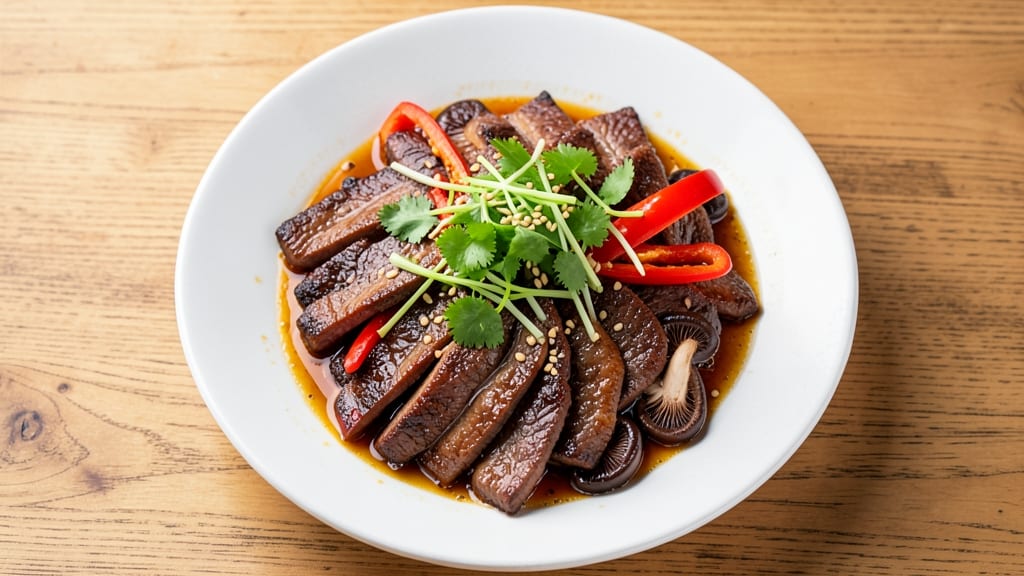
This Asian beef strips recipe delivers restaurant-quality stir-fry crunch in under 30 minutes, with tender beef strips glazed in a perfect balance of soy, ginger, and garlic. The secret lies in quick marinating and high-heat cooking—no fancy techniques required. I developed this version after years of testing, and it's now my go-to for weeknight dinners that feel like a night out.
The magic happens in the sauce—a simple blend of soy sauce, sesame oil, and a touch of honey that caramelizes beautifully while cooking. Thinly sliced beef strips cook in just 2-3 minutes per side, ensuring they stay tender yet develop that satisfying crispy edge.
This recipe works with flank steak, sirloin, or even chicken for a lighter option.
What you'll end up with is a plate of golden-brown beef strips tossed in a glossy, aromatic sauce that's both sweet and savory. The beef remains juicy inside while developing a perfect sear, and the sauce clings beautifully to each strip.
Serve over steamed rice or noodles for a complete meal that's quick, flavorful, and impossible to resist.
Perfect for feeding a family or meal prepping, this stir-fry comes together faster than takeout but with way more flavor. The technique is straightforward, but the results are restaurant-worthy—every bite delivers that perfect balance of textures and flavors that makes Asian cuisine so beloved.
Ingredients for asian beef strips
Here’s your shortcut to restaurant-style Asian beef strips—crispy, tender, and packed with soy-ginger zing.
| Ingredient | Amount | Notes |
|---|---|---|
| Flank Steak 🥩 | 1 lb | Thinly sliced against grain |
| Soy Sauce 🍶 | ½ cup | High-quality, low-sodium preferred |
| Sesame Oil 🫒 | 1 tbsp | Toasted, for authentic flavor |
| Honey 🍯 | 1 ½ tbsp | Light or dark amber works |
| Garlic Cloves 🧄 | 4 cloves | Minced, fresh preferred |
| Fresh Ginger 🌿 | 1 tbsp | Grated, finely chopped |
| Cornstarch 🌾 | 1 tbsp | For crispy coating |
| Vegetable Oil 🫒 | 2 tbsp | High smoke point preferred |
| Green Onions 🧅 | 3 whole | Sliced thin, for garnish |
| Sesame Seeds 🌰 | 1 tbsp | Toasted, for crunch |
| Salt 🧂 | 1 tsp | Kosher or sea salt |
| Black Pepper 🌶️ | ½ tsp | Freshly ground preferred |
| Rice Vinegar 🍶 | 1 tbsp | For brightness, optional |
The flank steak is your secret weapon—it slices thin and stays juicy. Grab one from the butcher counter if you can, or ask your store to slice it for you. Kroger or Whole Foods usually have pre-sliced options, but slicing it yourself against the grain gives the best texture. If you're feeling fancy, marinate it for 10 minutes in soy sauce and cornstarch before cooking—trust me, it’s worth it. The garlic and ginger? Fresh is non-negotiable here—dried just won’t cut it for that bright, aromatic punch.
No sesame oil? Toasted peanut oil at half the amount works in a pinch, though it’ll taste slightly different. Short on honey? Maple syrup or agave are solid swaps, but honey’s caramelization is key for that glossy finish. The cornstarch is non-negotiable for crispiness—if you’re out, arrowroot powder works too. And if you’re using chicken instead of beef, boneless, skinless thighs hold up better to the high heat than breasts. The rice vinegar? Totally optional, but it adds a little tang that balances the sweetness beautifully.
This sauce keeps for 5 days in the fridge, but the beef strips are best eaten fresh off the pan. Store the sauce separately if you’re prepping ahead—just toss it with reheated strips when ready. Freeze the sauce for up to 3 months if you’re meal prepping. Pro tip: Double the sauce and freeze half for next time—you’ll thank me later. The beef strips reheat well in a skillet with a splash of water to keep them moist, but they’re honestly best fresh.
Why You'll Love This Recipe
- One-Pan Magic: I swear by this—just slice the steak thin, toss it in a hot pan with garlic and soy, and walk away. No cutting boards, no mess, no stress. The sesame oil gives it that nutty aroma while it cooks, and honestly? That’s half the battle won.
- Sweet-Savory Balance: That honey-soy glaze caramelizes into something dangerously addictive—crispy edges, tender inside, with a sticky-sweet bite that lingers. I’ll be real: my kids fight over the last strip, and I don’t even pretend to stop them.
- Lunchbox Hero: Between us, this is my secret weapon for packed lunches or last-minute dinner guests. Slice it cold over rice, toss it in wraps, or serve it over noodles—it’s always a hit. (Yes, even on a Tuesday night when you’re exhausted.)
- Budget-Friendly Powerhouse: Flank steak stretches further than you’d think when sliced thin, and the rest of the ingredients? Pantry staples. I make a double batch, freeze half, and boom—no takeout nights for weeks. Plus, the leftovers reheat like a dream.
Step-by-step instructions for Asian beef strips
Here's how to transform simple ingredients into restaurant-quality stir-fried beef with perfect texture and bold flavors.
Prep the Beef for Maximum Tenderness
Slice the 1 lb flank steak thinly against the grain into ¼-inch strips. This is crucial—thin slices cook quickly and stay tender. Place the sliced beef in a large bowl and sprinkle with 1 tbsp cornstarch, 1 tsp salt, and ½ tsp black pepper. Toss gently to coat evenly, ensuring every strip gets a thin, crispy crust. Let it sit for 10 minutes while you prep the sauce—this gives the cornstarch time to adhere properly.
I like to work in batches if needed, but don't overcrowd the bowl. The cornstarch needs room to cling to the beef, not clump together. This step makes all the difference between tough, chewy beef and perfectly tender strips that practically melt in your mouth.
Create the Savory Soy-Ginger Sauce
In a small bowl, whisk together ½ cup soy sauce, 1.5 tbsp honey, 1 tbsp rice vinegar, 1 tbsp sesame oil, 4 minced garlic cloves, and 1 tbsp grated fresh ginger. This sauce is the heart of the dish—balance is key. Taste it now; you want a perfect harmony of salty, sweet, and tangy. If it needs more depth, add a pinch of salt or a drizzle of honey. Let the sauce sit while you cook the beef so all the flavors meld together.
Here's where the magic happens: the honey and rice vinegar create that signature Asian sweet-savory balance, while the ginger and garlic add aromatic warmth. Don't skip the sesame oil—it brings that authentic, nutty depth that takes this dish from good to extraordinary.
Stir-Fry the Beef to Golden Perfection
Heat 2 tbsp vegetable oil in a large skillet or wok over medium-high heat until shimmering. Add the cornstarch-coated beef strips in a single layer—don't overcrowd, or they'll steam instead of sear. Cook undisturbed for 1-2 minutes until the edges turn golden brown and crispy. This initial sear locks in juices and builds flavor.
Once the beef is lightly browned, stir-fry for another 2-3 minutes until fully cooked through. The strips should be tender but still hold their shape. If the pan gets too dry, add 1 tablespoon water to deglaze and collect those flavorful browned bits. This is where restaurant-quality texture comes from—crispy edges with tender centers.
Combine and Finish with Crunchy Garnishes
Pour the prepared sauce over the cooked beef and toss gently to coat evenly. Let it simmer for 1-2 minutes until the sauce thickens slightly and clings to the beef. The heat should be medium now—you're just finishing the dish, not cooking it further. Taste and adjust seasoning if needed; sometimes the soy sauce needs a touch more salt or the honey could use a splash of vinegar for brightness.
Divide the beef strips among 4 plates and garnish each serving with 1 sliced green onion and ¼ tbsp toasted sesame seeds. The green onions add freshness while the sesame seeds provide that essential crunch. Serve immediately with steamed rice—this dish is best enjoyed while the beef is still warm and the sauce is glossy.
Pro Tips For Making Asian Beef Strips
- Slice Against the Grain: Flank steak’s fibers run diagonally—cutting perpendicular to them turns chewy strips into tender, bite-sized perfection. Grab a sharp knife and angle those slices sharply (almost like you’re slicing a loaf of bread), or you’ll end up with rubbery, frustrating bites.
- Marinate for 2 Hours (Not 20 Minutes): I used to rush this, thinking soy sauce and honey would work their magic fast. Wrong. Let the flank steak soak in the sauce at least 2 hours—overnight if you’re patient—so the garlic and sesame oil really sink in. Trust me, the flavor difference is night and day.
- Skip the Overcrowded Pan: Tossing all your beef strips into a pan at once? That’s how you steam them instead of sear them. Cook in batches over medium-high heat—just enough space for the strips to sizzle and develop that caramelized crust. Overcrowding = sad, soggy beef.
- Finish with a Drizzle of Sesame Oil: Add the sesame oil after the beef is cooked, not before. A quick toss at the end (yes, even if it’s messy) gives those strips that signature nutty aroma and glossy sheen. It’s the one step that makes the dish feel restaurant-worthy.
Flavor customization for asian beef strips
Sweet Heat Level
Balance the sauce by adjusting the honey to soy sauce ratio. For mild sweetness, reduce honey to 1 tbsp and add ½ tsp red pepper flakes for subtle heat.
For bold flavor, increase honey to 2 tbsp and add 1 tsp sriracha—this creates a sticky, spicy glaze that caramelizes beautifully. I love this version with sirloin strips because the extra fat handles the heat well. 🌶️
Umami Boost
Deepening the umami flavor transforms this dish from good to unforgettable. Stir in 1 tbsp fish sauce (like Red Boat) or 1 tsp miso paste into the sauce for richer depth. For an extra layer, add 1 tsp oyster sauce—just enough to enhance without overpowering.
These additions work especially well with flank steak or ribeye strips, where the beef’s natural richness shines. 🍜
Herb Infusions
Fresh herbs brighten the dish and add complexity. Toss in 2 tbsp chopped cilantro or 1 tbsp Thai basil right before serving for a fragrant finish. For a more robust flavor, add 1 tsp grated galangal (a ginger-like root) while cooking—it’s aromatic and slightly peppery.
I often use this with chicken strips for a lighter, herb-forward version that still packs flavor. 🌿
Spicy Thai Twist
Transform this into a Thai-inspired stir-fry by swapping soy sauce for 3 tbsp fish sauce and adding 1 tbsp curry powder (like Maesri Thai Red). Stir in 1 tbsp lime juice and 1 minced Thai chili for tangy heat.
This version pairs perfectly with jasmine rice and a side of cucumber salad. The lime juice prevents the sauce from becoming too heavy, keeping it light and vibrant. 🌶️
Japanese Teriyaki Style
For a teriyaki-inspired take, replace the sauce with a mix of ¼ cup mirin, ¼ cup soy sauce, and 1 tbsp sake. Simmer until slightly thickened, then toss with the beef.
Add 1 tsp grated daikon for texture and a touch of furikake seasoning on top. This version is sweeter and more delicate, ideal for sirloin strips that benefit from the sauce’s glossy finish. 🍶
Korean Bulgogi Fusion
Create a bulgogi-inspired version by marinating the beef in ¼ cup soy sauce, 1 tbsp brown sugar, 1 tbsp sesame oil, and 1 tsp gochujang (Korean chili paste) for 30 minutes.
Cook as directed, then finish with 1 tbsp toasted sesame seeds and sliced green onions. The gochujang adds a smoky, slightly sweet heat that pairs beautifully with rice cakes or kimchi on the side. 🔥
Nutrition facts
Frequently asked questions
What's the best cut of beef for these strips?
Flank steak is ideal—it's lean, flavorful, and slices beautifully against the grain. Sirloin or ribeye work too, though they're slightly fattier. For extra tenderness, ask your butcher to slice it ¼-inch thick—thinner slices cook faster and stay juicier.
Can I make this recipe with chicken or pork?
Use boneless, skinless chicken thighs (they're more forgiving than breasts) or pork tenderloin. For chicken, reduce cooking time to 1-2 minutes per side—it cooks faster than beef. Pork benefits from an extra ½ tsp five-spice powder in the marinade for authentic flavor.
Why is my sauce too thin or too thick?
Sauce consistency depends on cooking time. For thicker sauce, simmer uncovered for 2-3 extra minutes to reduce. Too thin? Stir in ½ tsp cornstarch mixed with 1 tsp water and cook for 30 seconds. The honey in the recipe naturally thickens as it caramelizes—if using substitutes like maple syrup, expect slightly thinner results.
How do I prevent the beef from drying out?
Never overcrowd the pan—cook in 2 batches if needed. Use medium-high heat and cook just until the edges crisp (2-3 minutes total). The cornstarch coating creates a protective barrier that locks in moisture. For extra insurance, add 1 tsp water to the pan while cooking to create steam.
What sides pair best with this dish?
Steamed jasmine rice or udon noodles are classic choices. For extra crunch, serve with quick-pickled cucumbers or steamed bok choy. The acidity of pickled veggies cuts through the richness, while crisp greens add freshness. Pro tip: Garnish with lime wedges for a bright finishing touch.