
Sauces & Condiments
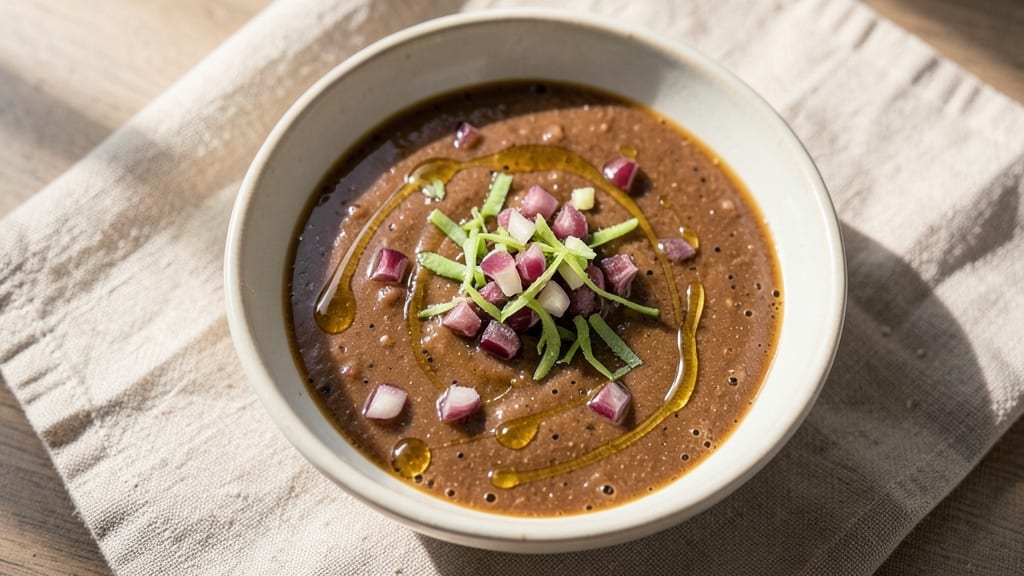
This Asian beef salad dressing transforms ordinary greens into a bold, umami-packed experience with just five simple ingredients. The secret lies in balancing soy sauce's deep savoriness with fresh ginger's zing and a touch of sweetness—creating a glossy, clingy finish that elevates every bite.
I developed this recipe after years of tweaking store-bought versions that always fell flat, and the difference is night and day.
The dressing comes together in minutes with pantry staples: soy sauce, rice vinegar, sesame oil, honey, and freshly grated ginger. What makes it special is the caramelized depth from reducing the sauce slightly—this step intensifies the flavors without adding extra time.
The result? A glossy, velvety dressing that clings to shredded beef, cucumbers, and greens, delivering layers of umami, brightness, and subtle heat in every drizzle.
Perfect for Asian-inspired salads, this dressing works equally well on cold noodles, grilled meats, or even as a marinade. The soy-ginger combo cuts through rich proteins while enhancing their natural flavors, making it a versatile staple for any meal.
Whether you're prepping lunchboxes or hosting a dinner, this recipe ensures restaurant-quality results with minimal effort.
Use it immediately or store in an airtight container for up to a week—the flavors only deepen over time. The key is balancing the sweet, salty, and tangy notes, so adjust to taste.
For extra richness, add a splash of sesame paste or a dash of chili flakes. Let's make this dressing your new go-to for Asian beef salads.
Ingredients for asian beef salad dressing
Five simple ingredients transform into a restaurant-quality Asian beef salad dressing.
| Ingredient | Amount | Notes |
|---|---|---|
| Soy Sauce 🍶 | ½ cup | High-quality, preferably Japanese-style |
| Rice Vinegar 🍶 | ¼ cup | Seasoned or plain, your choice |
| Sesame Oil 🫒 | 2 tbsp | Toasted for nutty aroma |
| Honey 🍯 | 2 tbsp | Wildflower or clover preferred |
| Fresh Ginger 🧄 | 2 tbsp | Finely grated, peel included |
| Garlic Cloves 🧄 | 2 cloves | Minced, for extra depth |
| Sesame Seeds 🌾 | 1 tbsp | Toasted for garnish |
| Red Chili Flakes 🌶️ | ½ tsp | Optional, for subtle heat |
The soy sauce is the foundation—Kikkoman or Yamasa are reliable choices, but any high-quality brand works. Fresh ginger matters; look for firm, vibrant roots with no soft spots. The sesame oil should be toasted—Trader Joe's or Costco carry good options. For honey, wildflower or clover adds subtle floral notes. If you're short on time, pre-minced garlic works, but fresh is always better. The rice vinegar can be seasoned (for extra flavor) or plain (for more control).
No soy sauce? Coconut aminos in a pinch, though the flavor won't be identical. Skip the honey? Maple syrup or agave works equally well. If you're avoiding gluten, tamari is a great soy sauce substitute. The garlic can be omitted if you dislike its flavor, but the ginger remains essential—its zing balances the richness. For extra umami, add a splash of miso paste or fish sauce (if not vegetarian). Toast the sesame seeds in a dry pan for 1-2 minutes until fragrant for maximum flavor.
Store in an airtight container in the fridge for up to 1 week. The flavors deepen over time, so it's even better the next day. For longer storage, freeze for 3 months. Shake well before using, as ingredients may settle. This dressing works best at room temperature, so let it sit for 5 minutes before drizzling. Garnish with toasted sesame seeds just before serving for extra texture.
Why You'll Love This Recipe
- Five-Ingredient Magic: I swear by this combo—just soy sauce, rice vinegar, sesame oil, honey, and ginger. That’s it. No fancy gadgets, no last-minute grocery runs. Honestly, I keep a mini jar in my fridge for when I need to jazz up anything from takeout to a simple salad.
- Umami Bomb: The ginger hits first—bright and zesty—then the soy sauce and honey play off each other like a perfect duet. Between us, that sesame oil finish? It’s the little detail that turns "dressing" into "I’d eat this with a spoon."
- Works Everywhere: Slather it on grilled beef, drizzle it over noodles, or toss it with cold cuts for a lunch upgrade. I’ve even used it to glaze chicken wings. It’s my secret weapon for when I’m bored of the same old flavors.
- Lasts All Week: Make a big batch—it keeps for days in the fridge. I’ll be real: I’ve had this dressing survive three lunches before I even think about tossing it. Plus, it’s cheap enough that I’m not stressing over wasted ingredients.
Step-by-step instructions for Asian beef salad dressing
This vibrant dressing combines bold umami flavors with a perfect balance of sweet, tangy, and spicy notes.
Prepare the Ginger-Garlic Base
In a small bowl, finely grate the 2 tablespoons fresh ginger using a microplane or fine grater. The texture should resemble wet sand with no visible flecks. Add the 2 cloves minced garlic and stir to combine. This aromatic foundation will carry the entire dressing's character.
Set this mixture aside while you measure the remaining ingredients. The ginger should be fresh—if using pre-grated ginger from a jar, it won't provide the same bright, zesty punch. The garlic should be minced finely enough to dissolve completely into the dressing rather than remain as distinct pieces.
Whisk Together the Wet Ingredients
In a medium bowl, combine the 0.5 cup soy sauce, 0.25 cup rice vinegar, 2 tablespoons honey, and the prepared ginger-garlic mixture. Use a whisk to blend vigorously for 30 seconds until everything is fully incorporated. The soy sauce should begin to emulsify slightly from the honey's natural properties.
This is where the dressing's balance begins to form. The soy sauce provides deep umami, the rice vinegar adds tangy brightness, and the honey rounds out the flavors. If you're using seasoned rice vinegar, the dressing will have an extra layer of complexity. Taste at this stage—you should detect all three primary flavors without any one dominating.
Incorporate the Sesame Oil and Chili
Slowly drizzle in the 2 tablespoons sesame oil while continuing to whisk. The oil should be toasted sesame oil for that nutty aroma that will elevate the dressing. Add the 0.5 teaspoon red chili flakes and whisk until fully distributed. The chili flakes will provide subtle heat that lingers on the palate.
Here's where the dressing comes together. The sesame oil adds richness and depth, while the chili flakes introduce a gentle warmth. If you prefer more heat, you can increase the chili flakes by 0.25 teaspoon at a time. The mixture should now be smooth with no visible streaks of oil—this indicates proper emulsification.
Toast the Sesame Seeds for Garnish
While the dressing rests, toast the 1 tablespoon sesame seeds in a dry skillet over medium heat for 1-2 minutes until they turn a rich golden brown color and release their nutty aroma. This step enhances their flavor significantly compared to using raw seeds.
Transfer the toasted seeds to a small plate and let them cool slightly. They'll be used as a garnish to add both visual appeal and textural contrast to the dressing. The seeds should be evenly toasted with no burnt spots—watch them closely as they can go from perfect to burnt in seconds.
Final Taste and Adjustment
Let the dressing sit for 5 minutes to allow all the flavors to meld together. Taste and adjust the balance as needed. If it's too salty, add 1 teaspoon more honey or 1 teaspoon rice vinegar. If it needs more depth, add 1 teaspoon more soy sauce. For extra richness, add 1 teaspoon more sesame oil.
The dressing should have a perfect balance of sweet, tangy, savory, and slightly spicy flavors with a smooth, glossy texture. It should coat the back of a spoon without being overly thick. Once you've achieved the ideal balance, it's ready to use immediately or store in an airtight container in the refrigerator for up to 1 week.
Pro Tips For Making Asian Beef Salad Dressing
- Grate Ginger Fine: Use the smallest holes on your grater or pulse in a food processor—no need for paste. Fresh ginger loses its bite when over-processed, and you want that sharp zing cutting through the honey’s sweetness. (I learned this the hard way with mushy, watery ginger that just made the dressing taste sad.)
- Whisk in Stages: Start with soy sauce and rice vinegar, then add honey—this prevents clumping. Finally, drizzle in sesame oil last and whisk just until combined. Overmixing turns it into a gloopy mess; you want the oil to glisten, not disappear. (Yes, even if you’re impatient like me.)
- Skip the Boiling Ginger: No need to heat the ginger—raw is brighter. If you’re worried about bitterness, just let it sit in the dressing for 10 minutes before using. The cold extraction keeps the flavor crisp, and the vinegar mellows it out naturally. (I used to nuke it, and the dressing always tasted dull.)
- Measure Honey by Weight: Use a scale for honey—2 tablespoons by volume varies wildly. Aim for 15–20g (about 1 tablespoon) for balance. Too much and it’ll cloy; too little and the dressing tastes flat. (This is the thing that matters most after the ginger.)
Common mistakes when making perfect results
Over-Salting the Base
This is my biggest rookie mistake when first making this dressing—I'd pour in the full ½ cup soy sauce without tasting the other ingredients first. The result? A dressing that's overwhelmingly salty and masks the ginger's brightness.
Always taste after combining the soy sauce, vinegar, and honey before adding the sesame oil. If it's too salty, you can't fix it by adding more sweetener later—the flavors won't rebalance properly. 🧂
Using Low-Quality Soy Sauce
Not all soy sauces are created equal, and using a cheap, watery brand will make your dressing taste flat. I've learned the hard way that Kikkoman or Yamasa Japanese-style soy sauces provide the richest umami flavor.
If you're using a substitute like coconut aminos, you'll need to add ½ teaspoon fish sauce or 1 teaspoon miso paste to compensate for the missing depth. The difference is night and day—your dressing will taste like it came from a restaurant, not a pantry.
Skipping the Ginger Toast
Freshly grated ginger is essential, but many people make the mistake of not letting it sit for at least 5 minutes before mixing. The ginger releases its oils and mellows slightly during this time, which prevents the dressing from being overly sharp.
I used to add it right away and end up with a dressing that tasted like you'd just scraped a ginger root. Pro tip: Use a microplane for ultra-fine grating—it makes all the difference in texture and flavor integration. 🧄
Adding Sesame Oil Too Quickly
When I first made this dressing, I'd pour in the 2 tablespoons sesame oil all at once while whisking vigorously. This caused the oil to separate and create a greasy texture. The correct technique is to drizzle it in slowly while whisking continuously.
This allows the oil to emulsify properly with the other ingredients, creating that glossy, velvety finish we all love. If you see oil streaks, whisk in ½ teaspoon cornstarch mixed with 1 teaspoon water to help bind everything together.
Ignoring the Chili Flakes
Many people skip the ½ teaspoon red chili flakes entirely or add them too late in the process. These flakes aren't just for heat—they add a subtle earthiness that rounds out the dressing's flavor profile. If you're sensitive to spice, start with just ¼ teaspoon and taste before adding more.
The key is to distribute them evenly while whisking so every bite gets that gentle warmth. I've found that adding them with the sesame oil ensures even distribution throughout the dressing. 🌶️
Not Letting It Rest
This is the most common mistake I see in home kitchens—people can't wait to use their dressing immediately after making it. The flavors need time to meld together, especially the ginger and garlic.
Always let your dressing sit for at least 5 minutes (up to 30 minutes for maximum flavor development). I used to rush this step and end up with a dressing that tasted disjointed. Patience here makes all the difference in achieving that restaurant-quality balance we're all after.
Nutrition facts
Frequently asked questions
Can I make this dressing without honey?
Replace the 2 tablespoons honey with 2 tablespoons maple syrup or agave nectar for a similar sweetness. For a deeper caramel note, try 1 tablespoon brown sugar dissolved in 1 tablespoon hot water. The key is maintaining that sweet-savory balance to complement the soy and ginger.
How much dressing should I make for a standard salad?
This recipe yields about 1 cup of dressing, which is perfect for 4-6 servings of Asian beef salad. For a lighter drizzle (like over greens only), 2 tablespoons per serving works well. If using it as a marinade for beef strips, ¼ cup per pound of meat ensures great flavor penetration.
Can I use this dressing on other proteins besides beef?
Yes! This dressing pairs beautifully with chicken, shrimp, or tofu. For seafood, reduce the soy sauce to ¼ cup to avoid overpowering delicate flavors. It also works as a dipping sauce for spring rolls or as a glaze for grilled fish. The ginger-sesame combo enhances almost any protein's natural taste.
Why does my dressing look separated after storing?
Natural separation happens when oils and liquids settle. Before using, whisk vigorously or shake the container for 30 seconds to re-emulsify. For extra stability, add ½ teaspoon cornstarch mixed with 1 teaspoon water when making it. The dressing should return to its glossy texture—this is completely normal and doesn't affect flavor.
What's the best way to use leftover dressing?
Leftover dressing keeps well for 1 week refrigerated or 3 months frozen. Use it to:
- Toss with cold noodles or rice bowls
- Drizzle over steamed veggies
- Mix into homemade pesto
- Use as a quick marinade for 10-15 minutes before grilling The flavors actually improve with time as the ginger and garlic mellow!