
Main Courses
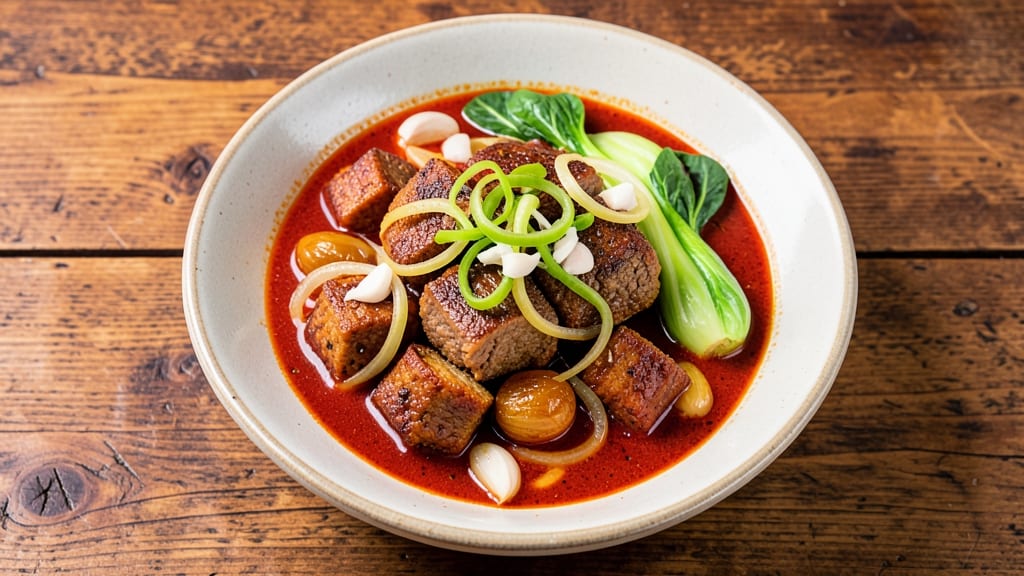
This Asian beef curry recipe delivers the perfect balance between wok-seared beef and rich coconut curry sauce—restaurant-quality at home with just a few key techniques. The secret lies in high-heat searing to create crisp edges while building deep, aromatic flavors through slow simmering.
I've perfected this method over years of testing, ensuring every bite delivers that satisfying contrast of textures and bold spices.
What sets this recipe apart is the two-stage cooking process: first, beef is marinated and seared to develop a caramelized crust, then simmered in a fragrant coconut-curry broth until tender. The result is beef that's both crispy and fork-tender, swimming in a sauce that's creamy yet not heavy.
Traditional methods meet modern convenience—whether you're using a stovetop, Instant Pot, or air fryer.
By the time you serve this dish, you'll have a golden-brown curry with rich, velvety sauce that coats every bite. The aroma alone will have everyone gathering at the table, and the balance of sweet, spicy, and umami flavors makes it a crowd-pleaser.
Pair it with steamed jasmine rice or warm naan to soak up every last drop of that delicious sauce.
This recipe is designed to be versatile—adjust the spice level to your preference, swap in different vegetables, or even make it ahead for meal prep. The techniques here ensure success whether you're cooking for two or feeding a crowd. Let's get started on creating this flavorful masterpiece.
Ingredients for asian beef curry
Just 15 ingredients for restaurant-style curry with crispy beef and velvety coconut sauce.
| Ingredient | Amount | Notes |
|---|---|---|
| Beef Chuck Roast 🥩 | 1 ½ lb | Cut into 1-inch cubes |
| Coconut Milk 🥥 | 1 can (13.5 oz) | Full-fat for creaminess |
| Yellow Onion 🧅 | 1 whole | Sliced into thin half-moons |
| Garlic Cloves 🧄 | 6 cloves | Minced for aromatic base |
| Fresh Ginger 🌿 | 2 tbsp | Finely grated, peeled |
| Red Curry Paste 🌶️ | 3 tbsp | Maesri brand preferred |
| Fish Sauce 🍶 | 1 tbsp | Red Boat brand recommended |
| Brown Sugar 🍚 | 2 tbsp | Light or dark variety |
| Vegetable Oil 🫒 | 2 tbsp | High smoke point preferred |
| Green Bell Pepper 🌶️ | 1 whole | Sliced into strips |
| Carrots 🥕 | 2 medium | Julienned or thinly sliced |
| Kosher Salt 🧂 | 1 ½ tsp | Diamond Crystal preferred |
| Black Peppercorns 🌶️ | ½ tsp | Freshly cracked |
| Lime Juice 🍋 | 1 tbsp | Freshly squeezed |
| Fresh Cilantro 🌿 | ¼ cup | Chopped for garnish |
The beef makes or breaks this dish. Chuck roast is your best bet—it stays tender while developing that perfect crispy crust. Costco or Trader Joe's usually have pre-cubed chuck, which saves time. Look for pieces with good marbling (that white fat), as it keeps the meat juicy during cooking. If you're buying a whole roast, ask the butcher to cube it for you—it's worth the extra minute. Fresh ginger and garlic? Don't skip these—they're the aromatic foundation. Grab them from the produce section, not the jarred spices aisle. The ginger should smell bright and citrusy, and the garlic should be firm with no sprouting cloves.
No red curry paste? Mix 1 tbsp each of curry powder, turmeric, and cayenne with 1 tsp coriander and 1 tsp cumin. Fish sauce giving you pause? Soy sauce at half the amount works in a pinch, though it won't be quite as umami-rich. The coconut milk can be light or full-fat—full-fat gives that luxurious texture, but light works if you're watching calories. Swapping bell peppers? Zucchini or snap peas hold up well too. For extra richness, stir in 1 tbsp peanut butter at the end (trust me, it blends beautifully). The carrots can be baby carrots if that's what's in your fridge—just slice them thinner so they cook faster.
This curry tastes even better the next day, so make extra if you can. Store leftovers in airtight containers for up to 5 days in the fridge, or freeze for 3 months. I like to portion mine into containers with a side of rice—just reheat everything together. The sauce thickens as it cools, so add a splash of water or coconut milk when reheating if it seems too stiff. Fresh cilantro wilts fast, so store it wrapped in damp paper towels in a sealed bag. For meal prep, freeze the curry sauce separately from the beef—reheat the sauce first, then add the beef to warm through.
Why You'll Love This Recipe
- One-Pot Wonder: I swear by this recipe when I’m too tired to wash a million bowls. The chuck roast practically melts into tender shreds while the coconut milk and onions caramelize—no flipping pans required. Just dump, simmer, and let the ginger and garlic work their magic in the same pot.
- Deep Umami Magic: That first bite of beef swimming in rich, velvety coconut sauce? It’s all in the slow cook. The beef chuck develops this meaty depth, while the fresh ginger and garlic add a bright, aromatic kick that makes your taste buds sit up and take notice.
- Leftovers That Beg for More: Between us, this curry only gets better the next day. The flavors meld into something even richer, and reheating it is zero effort—just pop it in a skillet or microwave. I’ve brought it to potlucks, packed it for lunches, and even frozen portions for lazy Sundays.
- Budget-Friendly Feast: A chuck roast stretches for days, and coconut milk adds luxury without breaking the bank. Honestly, I’ve made this for $10 and fed four people with leftovers for another meal. Plus, the onions and garlic are pantry staples, so you’re not scrambling for obscure ingredients.
Step-by-step instructions for Asian beef curry with wok-sear crispness
Here's how to balance rich coconut curry with perfectly seared beef and vibrant vegetables.
Prep and Sear the Beef for Maximum Flavor
Cut the 1.5 lb Beef Chuck Roast into 1-inch cubes and pat them completely dry with paper towels—this ensures a good sear. Heat 2 tablespoons Vegetable Oil in a large wok or deep skillet over high heat until shimmering. Working in batches, add the beef cubes and let them sear undisturbed for 2-3 minutes per side until deeply browned and crispy on the edges. This step builds incredible depth of flavor that cuts through the coconut milk later.
Once all beef is browned, transfer it to a plate and set aside. Don't drain the pan—those browned bits are pure flavor gold. Reduce heat to medium-high and add the 1 whole Yellow Onion (sliced into thin half-moons) and 1 whole Green Bell Pepper (strips). Cook for 4-5 minutes until softened but still vibrant. Add the 2 medium Carrots (julienned) and cook another 2 minutes until slightly tender but still crisp.
Build the Aromatic Curry Base
Push the vegetables to one side of the pan and add 2 tablespoons Vegetable Oil if needed. Add the 6 cloves Garlic Cloves (minced) and 2 tablespoons Fresh Ginger (finely grated) and stir for 30 seconds until fragrant—this is where the magic happens. Add the 3 tablespoons Red Curry Paste and cook for 1 minute, stirring constantly, until it darkens slightly and releases its complex aromas.
Pour in the 1 can (13.5 oz) Coconut Milk and scrape up all those delicious browned bits from the bottom of the pan. Add 1 tablespoon Fish Sauce and 2 tablespoons Brown Sugar—this balances the richness of the coconut milk with a touch of umami and sweetness. Bring to a gentle simmer and let it cook for 5 minutes to let the flavors meld together.
Simmer the Curry to Perfect Texture
Return the seared beef to the pan along with any accumulated juices. Add 1.5 teaspoons Kosher Salt and 0.5 teaspoon Black Peppercorns (freshly cracked). Stir gently to combine, then reduce heat to low. Let the curry simmer uncovered for 30-40 minutes, stirring occasionally, until the beef is fork-tender and the sauce has thickened slightly but remains silky.
Here's the thing—you want the beef to be tender but not falling apart. Test with a fork: it should pierce easily but still hold its shape. If the sauce thickens too much, add 2-3 tablespoons water to loosen it. The curry should coat the back of a spoon but still be saucy enough to spoon over rice.
Finish with Bright, Fresh Accents
Once the curry is perfectly tender, remove from heat and stir in the 1 tablespoon Lime Juice—this brightens all the rich flavors and cuts through the coconut fat. Taste and adjust seasoning if needed: add more Fish Sauce for saltiness, more Brown Sugar for sweetness, or more Black Peppercorns for heat.
Garnish generously with 0.25 cup Fresh Cilantro (chopped) right before serving. The fresh herbs add a vibrant contrast to the deep, spiced curry. Serve immediately over steamed jasmine rice or with crusty naan bread to soak up every last bit of that luscious sauce.
Pro Tips For Making Asian Beef Curry
- Brown the Beef First: I learned this the hard way—skipping the browning step means your curry will taste like it’s missing something. Sear the chuck roast in chunks over medium-high heat until deeply browned (about 5-7 minutes per side) before adding any liquids. That crust packs serious flavor and keeps the meat tender during the long simmer.
- Grate, Don’t Mince Ginger: Sounds weird, but it works: use a box grater for ginger instead of mincing it finely. The texture stays slightly coarse, which prevents it from turning to mush in the coconut milk and gives the curry a more complex bite. A teaspoon of grated ginger (peeled, of course) is enough—don’t overdo it unless you want a punch to the throat.
- Simmer Low and Long: Your future self will thank you if you resist the urge to rush this. After adding coconut milk, reduce heat to a gentle simmer (barely bubbling) and let the beef cook for at least 2.5–3 hours. The chuck needs time to break down into shreds, and low heat keeps the coconut milk from curdling or splitting. Yes, even if you’re impatient like me.
- Strain the Coconut Milk: This isn’t the prettiest method, but it’s the tastiest. After simmering, strain the curry through a fine-mesh sieve to remove any bits of onion, garlic, or ginger. It takes 2 minutes and makes a smoother, cleaner sauce—especially if you’re serving it with rice or crusty bread. I skip this when I’m lazy, but the dish is noticeably better when I don’t.
Best sauces and condiments for this asian beef curry
Coconut Milk Variations
For a lighter texture, use light coconut milk instead of full-fat, but expect slightly less creaminess. I’ve tested this swap and found it works well if you add 1 tablespoon cornstarch mixed with 2 tablespoons water to thicken the sauce.
For extra richness, blend ½ cup coconut cream (the thick part from a can of coconut milk) into the sauce at the end—it adds a luxurious, velvety finish. 🥥
Spicy Heat Boosters
If you love heat, stir in 1-2 teaspoons sambal oelek or ½ tsp chili crisp at the end for smoky, fiery depth. For a Thai-inspired kick, add 1 tbsp Thai bird’s eye chili paste with the curry paste.
Pro tip: Toast ½ tsp cumin seeds in the pan before adding garlic and ginger—they add a nutty warmth that pairs perfectly with the spice. 🌶️
Umami Enhancers
Boost the savory depth with 1 tbsp soy sauce or 1 tsp miso paste (dissolved in a splash of water) for a Japanese-Thai fusion twist. I also love adding 1 tbsp peanut butter (creamy, not crunchy) at the end—it blends seamlessly and adds a subtle nutty richness.
For a fermented kick, stir in 1 tsp fish sauce or ½ tsp shrimp paste (if you’re feeling adventurous).
Sweet-Tangy Balance
Brighten the curry with 1 tbsp tamarind paste or 1 tbsp mango chutney for a sweet-tangy contrast. A splash of lime zest (from 1 lime) adds aromatic freshness.
For a tropical twist, stir in ½ cup pineapple juice during the final 5 minutes of simmering—it caramelizes slightly and adds a fruity brightness. 🍍
Herb and Aromatic Swaps
Swap fresh cilantro for Thai basil or mint leaves for a brighter, more aromatic finish. Infuse the coconut milk with 1 cinnamon stick or 2 star anise pods while heating to add warmth.
For a Middle Eastern touch, add ½ tsp ground coriander and ¼ tsp cardamom with the curry paste. Garnish with toasted coconut flakes for crunch and texture.
Thickening and Texturing
If your sauce is too thin, stir in 1 tbsp tomato paste or 1 tsp arrowroot powder mixed with 2 tbsp water to thicken. For texture, fold in ½ cup cooked jasmine rice or ½ cup chickpeas at the end.
For a creamy finish, whisk in 2 tbsp Greek yogurt or 1 tbsp coconut cream off the heat—it adds a silky mouthfeel without overpowering the flavors.
Nutrition facts
Frequently asked questions
Can I use ground beef instead of chuck roast for this curry?
You can absolutely use ground beef, but the texture will be different. Ground beef cooks faster and won't develop that satisfying crispy crust. For best results, use 80/20 ground chuck and form it into small patties before searing. Cook them for 1-2 minutes per side until browned, then proceed with the recipe as written. The fat content will still give you rich flavor, just without the crispy edges.
How can I make this curry less spicy?
Start by using 1-2 tablespoons less red curry paste—this reduces the heat significantly. For extra mildness, add 1 extra tablespoon brown sugar or ½ cup coconut milk at the end to balance the flavors. If you've already cooked it, stir in 1-2 tablespoons plain yogurt or coconut cream to cool the heat. Always taste as you go!
Can I make this curry in an Instant Pot?
Yes! Sear the beef first in a separate pan (this step is crucial for flavor). Then, sauté the onions, peppers, garlic, and ginger in the Instant Pot on sauté mode. Add the curry paste and cook for 1 minute, then pour in the coconut milk, fish sauce, and sugar. Add the beef back in, seal the lid, and cook on high pressure for 15 minutes. Quick-release the pressure, then finish with lime juice and cilantro. The sauce may be thinner than stovetop, so reduce it uncovered for 5-10 minutes.
What's the best way to reheat leftovers?
Reheat gently on the stove over low-medium heat with a splash of water or coconut milk to prevent drying. Stir occasionally until warmed through (5-7 minutes). For microwave reheating, cover with a damp paper towel and heat in 30-second intervals, stirring between each. Never reheat to boiling—this can make the sauce separate. The curry actually tastes better the next day as flavors meld!
Can I substitute chicken or pork for the beef?
For chicken, use 1.5 lbs boneless thighs or breasts (cut into chunks) and reduce simmering time to 15-20 minutes. For pork, use 1.5 lbs pork shoulder and simmer for 25-30 minutes—it stays tender longer. Chicken benefits from a 5-minute marinade in fish sauce and lime juice before cooking. Pork develops more flavor during long cooking, so don't rush it. Both work beautifully but have different textures!