
Main Courses
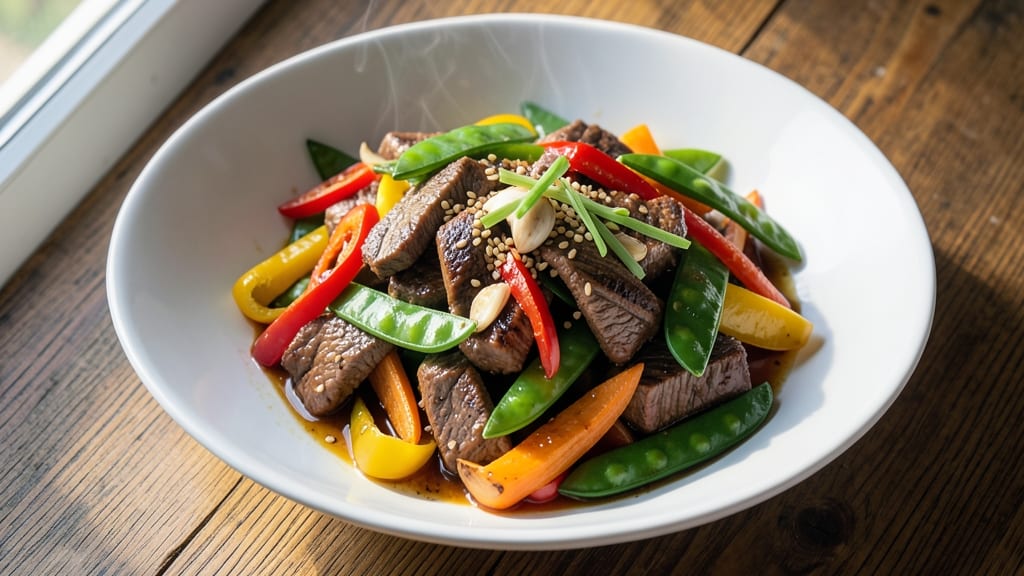
This Asian beef and vegetable stir fry delivers wok-hot umami crunch in just 20 minutes, transforming simple ingredients into a restaurant-quality meal.
The secret lies in high-heat searing of beef strips followed by quick stir-frying with crisp-tender vegetables, all bound together by a savory-sweet sauce that balances soy, ginger, and garlic. I've perfected this technique over countless weeknight dinners—it's the kind of dish that makes fresh vegetables exciting again.
The magic happens in the wok or large skillet where beef develops a caramelized crust while vegetables maintain their vibrant crunch. We'll use thinly sliced flank steak for maximum tenderness and a mix of bell peppers, snap peas, and carrots that cook in minutes.
The sauce comes together in seconds with soy sauce, sesame oil, rice vinegar, and a touch of honey for depth. This recipe builds on traditional stir-fry principles while offering flexibility for protein swaps or seasonal vegetable variations.
By the time you're done, you'll have a plate of perfectly seared beef with wok-charred edges, crisp-tender vegetables, and a glossy sauce that ties everything together. The aromatics alone will have everyone at the table asking for seconds.
The best part? It's ready in under 20 minutes with minimal cleanup—ideal for busy weeknights when you still want flavor-packed dinner.
Serve over steamed jasmine rice or noodles for the full experience, or enjoy as-is for a complete meal. The technique scales beautifully for two or four, making it perfect for meal prep or spontaneous dinner guests.
Let's get cooking with this wok-hot stir fry that brings Asian bistro flavors to your home kitchen.
Ingredients for asian beef and vegetable stir fry
The right ingredients make this stir fry sing with restaurant-level flavor in under twenty minutes.
| Ingredient | Amount | Notes |
|---|---|---|
| Flank Steak 🥩 | 1 lb | Thinly sliced against grain |
| Red Bell Pepper 🌶️ | 1 whole | Thinly sliced, seeds removed |
| Yellow Bell Pepper 🌶️ | 1 whole | Thinly sliced, seeds removed |
| Snap Peas 🌱 | 1 ½ cups | Trimmed, halved if large |
| Carrots 🥕 | 2 medium | Julienned or thinly sliced |
| Garlic Cloves 🧄 | 4 cloves | Minced, for sauce and searing |
| Fresh Ginger 🌿 | 1 inch | Peeled, finely grated |
| Sesame Oil 🫒 | 1 tbsp | Toasted for aroma, plus extra |
| Low-Sodium Soy Sauce 🍶 | 3 tbsp | Kikkoman preferred |
| Rice Vinegar 🍶 | 1 ½ tbsp | Unseasoned, for brightness |
| Honey 🍯 | 1 tbsp | For depth, not sweetness |
| Neutral Oil 🫒 | 2 tbsp | Avocado or vegetable oil |
| Toasted Sesame Seeds 🌾 | 1 tbsp | For garnish, optional |
| Diamond Crystal Kosher Salt 🧂 | ¾ tsp | For seasoning |
| Freshly Ground Black Pepper 🌶️ | ½ tsp | For finishing |
Flank steak is your secret weapon here—ask the butcher for the thinnest possible slices or freeze it for 30 minutes before slicing against the grain. Whole Foods or Trader Joe's carry pre-sliced stir-fry beef if you're short on time, but fresh is always better. For vegetables, fresh snap peas are ideal, but frozen works in a pinch—just thaw and pat dry. The bell peppers should be firm with no soft spots, and the carrots should be crisp. If you're feeling fancy, grab shishito peppers for extra heat and texture.
No sesame oil? Toasted peanut oil at half the amount works surprisingly well. Swapping the honey? Maple syrup or agave keeps it vegan while adding depth. The soy sauce can be regular, but low-sodium is better for balancing flavors. If you're missing rice vinegar, apple cider vinegar adds tanginess. For extra umami, add a dash of fish sauce (or soy sauce if vegetarian). The ginger and garlic can be pre-minced from the jar, but fresh is always brighter—Trader Joe's sells pre-minced in tubes for convenience.
Prep all your ingredients before starting—this stir fry moves fast. The beef will keep in the fridge for 2 days if prepped ahead, but slice it last-minute for best texture. Vegetables stay fresh for 5 days in the crisper drawer. The sauce can be made 1 day ahead and stored in the fridge—just stir before using. For leftovers, reheat gently over low heat to preserve that wok-char flavor. Portion into containers with rice for easy lunches—it reheats beautifully.
Why You'll Love This Recipe
- One-Pan Magic: I swear by this recipe when I’m too tired to wash dishes. Flank steak gets sliced thin and seared fast—no fancy cuts or hours of marinating—while the bell peppers and snap peas just need a quick chop. The carrots? I toss them in whole and slice them later—they soften perfectly without turning to mush.
- Umami Bomb: That first bite of caramelized flank steak with the bright crunch of snap peas and the sweetness of bell peppers? It’s the kind of flavor that makes you pause mid-bite. The soy sauce and garlic balance the natural sweetness of the veggies, and the steak stays tender without falling apart. (Yes, even on a Tuesday night.)
- Lunchbox Hero: Between us, this is my go-to for meal prep. I double the batch, let it cool, and pack it in containers for the week—steak stays juicy, veggies hold their crunch, and it reheats like a dream. My kids actually eat their veggies when they’re mixed in here. (Small victories.)
- Budget Win: Flank steak is affordable, and the veggies stretch across multiple meals. I’ll use half the stir-fry for dinner and freeze the rest for lazy nights. Honestly, it’s one of those recipes where you feel like you’re eating restaurant-quality without the price tag. The leftovers taste just as good the third day—no sad, soggy takeout here.
Step-by-step instructions for wok-hot Asian beef and vegetable stir fry
Let's create a vibrant stir fry where tender beef meets crisp vegetables in a glossy, umami-packed sauce.
Prep Ingredients for Maximum Flavor and Texture
Start by slicing the 1 lb flank steak against the grain into ¼-inch thick strips. This ensures tender bites that cook quickly. Pat the slices dry with paper towels—moisture prevents proper searing. In a bowl, toss the beef with 0.75 tsp diamond crystal kosher salt and 0.5 tsp freshly ground black pepper, letting it sit for 10 minutes while you prep the vegetables.
Slice the 1 whole red bell pepper and 1 whole yellow bell pepper into ¼-inch strips, removing seeds and membranes. Julienne the 2 medium carrots into matchsticks, and halve the 1.5 cups snap peas if they're large. Finely mince the 4 cloves garlic and grate the 1 inch fresh ginger—these aromatics will form the flavor base. Keep all prepped ingredients in separate bowls until ready to use.
Build the Sauce and Sear the Beef
In a small bowl, whisk together the 3 tbsp low-sodium soy sauce, 1.5 tbsp rice vinegar, 1 tbsp honey, and 1 tbsp sesame oil. Set aside—this will become our glossy finishing sauce. Heat a 14-inch wok or large skillet over high heat until it's screaming hot. Add 2 tbsp neutral oil and swirl to coat.
Working in batches if needed, add the beef strips to the wok. Let them sear undisturbed for 1-2 minutes until deeply browned on one side—this creates that wok-hei flavor. Stir and repeat until all beef is browned. Remove beef and set aside, leaving the rendered fat in the wok. Here's the thing—don't overcrowd the pan, or the beef will steam instead of sear.
Stir-Fry Vegetables in Stages
Add the carrots to the wok and stir-fry for 1 minute until they begin to soften but still retain their crisp texture. Add the bell peppers and stir-fry for another 1-2 minutes until they brighten in color. Next, add the snap peas and stir-fry for 30 seconds—they should stay vibrant and slightly crisp. Finally, add the minced garlic and grated ginger, stirring for 20 seconds until fragrant but not browned.
This staged cooking prevents overcooking the delicate vegetables while building layers of flavor. The high heat ensures they stay crisp-tender rather than turning mushy. If your wok isn't hot enough, the vegetables will release too much moisture and steam instead of developing that signature wok-hei.
Combine and Finish with Sauce
Return the seared beef to the wok and pour in the prepared sauce. Stir everything together vigorously for 1-2 minutes until the sauce coats all ingredients and the beef absorbs the flavors. Taste and adjust seasoning—add a splash of water if the sauce is too thick, or a touch more soy sauce if needed for saltiness.
Here's where it gets exciting: the residual heat from the wok will create a glossy, slightly thickened sauce that clings beautifully to each bite. The beef should be cooked through but still tender, and the vegetables should be vibrant with just a hint of crispness. If you're using the toasted sesame seeds, sprinkle them over the top now for added texture and aroma.
Serve Immediately for Peak Freshness
Transfer the stir fry to a serving platter and serve immediately over steamed rice or noodles. The dish should be piping hot, with the beef and vegetables maintaining their distinct textures while coated in that glossy sauce. Each bite should deliver a perfect balance of sweet, salty, tangy, and umami flavors with a satisfying crunch from the vegetables.
Real talk: this dish tastes best straight from the wok, so don't let it sit. The vegetables will continue cooking as they cool, and the sauce may thicken further. Garnish with extra sesame seeds if desired, and enjoy the wok-hei experience you've worked so hard to create!
Pro Tips For Making Asian Beef And Vegetable Stir Fry
- Slice Thin, Slice Even: Flank steak fights you if it’s thick—cut it against the grain in ¼-inch slices, no thicker, or it’ll stay chewy. I learned this after serving a batch where half the slices were still tough; now I use a sharp knife and a ruler to keep it consistent.
- Prep Veggies in Order: Carrots and bell peppers need 5 minutes in hot oil to soften before adding snap peas (they cook in 2 minutes). Toss the harder veggies first, then the quick-cooking ones last—this keeps everything tender without mush. (Yes, I know it’s obvious, but I’ve seen people add everything at once.)
- Don’t Overcrowd the Pan: That wok or skillet isn’t a salad bowl—work in batches if needed. I’ve seen stir-fries turn soggy because someone dumped everything in at once. Keep the heat high and the pan uncluttered, or you’ll steam instead of sear.
- Use a Splash of Water: Right before adding sauce, toss in 2 tablespoons of water—it creates steam that tenderizes the snap peas and carrots without overcooking the beef. Sounds weird, but it works: the dish stays vibrant, and the veggies stay crisp. (I was skeptical until I tried it.)
Pro cooking tips for perfect results
Wok-Hei Mastery
That signature wok-hei—the smoky, charred flavor—comes from maintaining high, consistent heat throughout cooking. Preheat your 14-inch wok or cast-iron skillet over high heat for 5 minutes until it's nearly smoking hot.
I use a gas burner on maximum for this—electric stoves may need a 12-inch wok for proper heat distribution. The key is no temperature drops once you start cooking, so keep everything prepped and ready to go. 🔥
Protein Timing
Beef should sear in undisturbed batches for 1-2 minutes per side to develop that caramelized crust. If your wok isn't hot enough, the beef will release moisture and steam instead of developing wok-hei. I work in two batches for the 1 lb flank steak—never overcrowd the pan!
Remove beef immediately after browning and set it aside on a plate. The rendered fat in the wok becomes your flavor base for vegetables. ⏱️
Vegetable Staging
Cook vegetables in three distinct stages based on their density: carrots first (1 minute), then bell peppers (1-2 minutes), and finally snap peas (30 seconds). This prevents overcooking while building flavor layers.
Add garlic and ginger last—they should sizzle for just 20 seconds to release aroma without burning. I keep a small bowl of ice water nearby to refresh any overcooked vegetables if needed. 🌱
Sauce Integration
The sauce should coat everything without making it soggy. Return the beef to the wok and pour in the sauce, stirring vigorously for 1-2 minutes on high heat. If the sauce thickens too quickly, add 1-2 tbsp water to loosen it.
Taste and adjust—sometimes I add an extra ½ tsp soy sauce or a pinch of sugar for balance. The sauce should cling to the beef and vegetables like a glossy glaze. 🍶
Equipment Upgrades
For home cooks, a 12-inch carbon steel wok is ideal, but a heavy-bottomed stainless steel skillet works too. I recommend the Made In wok for its heat retention. If you don't have a wok, use a large, deep skillet with sloped sides.
A tongs set (like OXO Good Grips) helps prevent overcrowding. For extra wok-hei, add ½ tsp smoked paprika to the oil before searing the beef. 💡
Cleanup Hack
Stir-fry cleanup is minimal if you work efficiently. After cooking, immediately wipe the wok with a paper towel while it's still hot to remove residue. I keep a small bowl of warm water with 1 tsp baking soda nearby to soak any stuck-on bits.
For the beef and vegetables, transfer them directly to a serving dish—no need to rinse or separate. The sauce can be stored in the fridge for 3 days if you have leftovers. ✨
Nutrition facts
Frequently asked questions
Can I use a different cut of beef instead of flank steak?
Flank steak is ideal for its tenderness when sliced thin, but you can substitute with sirloin or ribeye cut into ¼-inch strips. For extra-lean options, try top round or chuck roast (sliced thin and pounded). If using chicken or shrimp, reduce cooking time to 2-3 minutes total—they cook faster than beef.
How do I prevent the vegetables from getting mushy?
Stir-fry vegetables in stages based on density: start with carrots (1 minute), then bell peppers (1-2 minutes), and finish with snap peas (30 seconds). Use a wok or large skillet on high heat and avoid overcrowding. If needed, refresh overcooked veggies in ice water for 10 seconds before combining.
Can I make this stir fry ahead of time?
The sauce can be prepped 1 day ahead and stored in the fridge. For the full dish, cook it fresh for best texture, but you can assemble components separately: sear the beef and blanch vegetables ahead, then reheat everything together for 2-3 minutes on high heat. The sauce will thicken slightly when reheated—add a splash of water if needed.
What if I don't have a wok?
A 12-inch cast-iron skillet or heavy-bottomed stainless steel pan works perfectly. For even better results, use a pan with sloped sides to mimic a wok's shape. Preheat it on maximum heat for 5 minutes to achieve that signature wok-hei flavor. A carbon steel wok is ideal if you plan to cook stir-fries often.
How can I make this vegetarian?
Swap the beef for extra-firm tofu (pressed and cubed), mushrooms (shiitake or oyster), or chickpeas (for protein). Increase the sauce slightly (1 extra tbsp soy sauce) to compensate for the lack of meaty umami. For texture, add crispy fried shallots or toasted cashews at the end.