
Main Courses
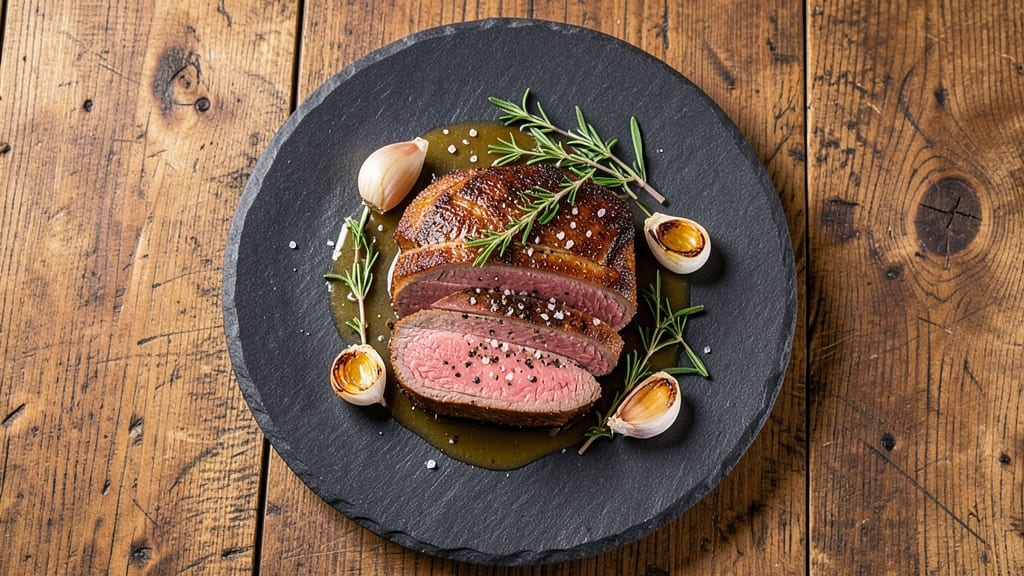
This angus beef tenderloin steak recipe delivers melt-in-your-mouth perfection with every bite—juicy, buttery, and cooked to an ideal medium-rare core. The secret lies in high-heat searing followed by precise temperature control, ensuring a tender interior and a caramelized crust that locks in flavor.
I’ve perfected this method over years of testing, and it consistently delivers restaurant-quality results at home without the fuss.
What sets this recipe apart is the focus on technique over complexity. A simple dry-brine enhances natural beef flavors, while reverse searing guarantees perfect doneness from edge to center. The tenderloin’s inherent tenderness means minimal prep—just season, sear, and rest.
This method works equally well on the grill, in a cast-iron skillet, or even with a sous vide setup for those who prefer precision.
The result is a steak so tender it nearly falls apart, with a rich, buttery texture and a crust that’s crisp enough to stand up to bold garnishes like flaky sea salt or fresh herbs.
Each slice delivers deep beefy flavor without overpowering the palate, making it ideal for special occasions or when you want to impress. The key? Confidence in the process—no guesswork, just foolproof execution.
Serve with classic sides like roasted garlic mashed potatoes or a simple arugula salad to let the steak shine. This recipe isn’t just about cooking; it’s about creating a memorable dining experience that feels luxurious yet achievable. Let’s get started on that perfect medium-rare cut.
Ingredients for angus beef tenderloin steak
Restaurant-quality steak starts with these premium ingredients—each chosen to elevate your tenderloin's natural richness.
| Ingredient | Amount | Notes |
|---|---|---|
| Angus Beef Tenderloin 🥩 | 2 lb | Center-cut, trimmed of silver skin |
| Kosher Salt 🧂 | 2 tbsp | Diamond Crystal preferred for flaky texture |
| Freshly Ground Black Pepper 🌶️ | 1 tbsp | Cracked peppercorns for maximum aroma |
| Extra-Virgin Olive Oil 🫒 | ¼ cup | High smoke point for searing |
| Fresh Thyme Sprigs 🌿 | 4 whole | For dry-brine infusion |
| Garlic Cloves 🧄 | 6 cloves | Smashed for aroma, peeled |
| Unsalted Butter 🧈 | 4 oz | European-style for rich flavor |
| Flaky Sea Salt 🧂 | 2 tsp | For finishing crust |
| Fresh Rosemary Sprigs 🌿 | 2 whole | For aromatic finishing |
The Angus beef tenderloin is non-negotiable for this recipe—look for center-cut with visible marbling at your butcher or Costco's pre-trimmed cuts for convenience. The thyme and rosemary should be fragrant, not woody—Whole Foods or Trader Joe's carry excellent fresh bundles. For the olive oil, California Avocado oil or Spanish premium brands hold up best under high heat without bitterness. The butter? Plugrá or European-style from Wegmans melts into luxurious pools. If your tenderloin has a thick end, ask your butcher to trim it evenly—this ensures perfect doneness throughout.
No fresh thyme? Dried works at half the amount, but fresh is ideal for that bright aroma. Short on time? Pre-smashed garlic cloves in a jar save prep minutes. For the salt, Diamond Crystal flakes beautifully over finished steaks, while Maldon adds dramatic texture. Olive oil substitutes like avocado oil or ghee work in a pinch, but nothing beats the fruity depth of a quality EVOO. The butter can be swapped for brown butter (rendered and cooled) for extra caramelized richness. And if you're grilling? Use a high-heat cast-iron skillet indoors for identical results—just crank the burner to maximum.
Store the raw tenderloin wrapped in parchment, then plastic, for up to 5 days in the fridge. Butter and herbs keep fresh for 2 weeks in the fridge or 6 months frozen. For leftovers (if there are any), slice against the grain and reheat in a 350°F oven for 10 minutes with a splash of broth—never microwave, or you'll lose that buttery tenderness. Freeze portions in vacuum-sealed bags for up to 3 months. Pro tip: Rest the steak 10 minutes after cooking—this ensures juicy slices every time, no matter how eager you are to dig in.
Why You'll Love This Recipe
- Five-Ingredient Magic: The secret’s in the simplicity—just salt, pepper, oil, thyme, and that perfect tenderloin. No fancy marinades or hours of prep; just a quick sear and a sprinkle of herbs that make it taste like you’ve been cooking all day.
- Butter-Soft Perfection: That tenderloin melts in your mouth while staying juicy, thanks to the high heat and olive oil. Honestly, the first time I sliced into it, I nearly dropped the knife—it’s that good.
- Weeknight or Dinner Party: Serve it with roasted potatoes for a no-fuss weeknight meal, or pair it with a bold red wine and asparagus for a restaurant-worthy dinner. Same recipe, two totally different vibes.
- Leftovers That Don’t Suck: Slice the cooked tenderloin thin for sandwiches the next day—trust me, it’s even better cold. Or chop it up for a quick stir-fry; the flavor holds up like a champ.
Step-by-step instructions for Angus beef tenderloin steak
Here's how to transform premium Angus tenderloin into melt-in-your-mouth perfection.
Prepare the Dry Brine for Maximum Flavor
Pat the 2 lb Angus Beef Tenderloin dry with paper towels, removing any remaining moisture. This step is critical—wet surfaces prevent proper searing. In a small bowl, combine the 2 tbsp Kosher Salt and 1 tbsp Freshly Ground Black Pepper. Rub this mixture all over the tenderloin, pressing firmly so the seasoning adheres to every surface.
Place the seasoned tenderloin on a wire rack set over a baking sheet. This elevated position allows air to circulate evenly. Cover loosely with plastic wrap and refrigerate for 24 hours. This dry-brine method ensures deep, even seasoning and helps create that coveted crust. The thyme sprigs and rosemary sprigs will infuse subtle aromatic notes during this time—place them on the rack with the meat for maximum flavor transfer.
Sear the Tenderloin to Lock in Juices
Remove the tenderloin from the refrigerator and let it sit at room temperature for 1 hour before cooking. Preheat your oven to 425°F. Heat a heavy oven-safe skillet over medium-high heat and add the 0.25 cup Extra-Virgin Olive Oil. Once the oil shimmers but doesn't smoke, carefully add the tenderloin. Sear for 3-4 minutes per side until developing a deep golden-brown crust.
Here's the thing—don't move the tenderloin during the first 2 minutes of searing. Let it develop that perfect crust undisturbed. You'll know it's ready when it releases easily from the pan. Transfer the skillet to the preheated oven and roast for 15-20 minutes, rotating the pan halfway through for even cooking.
Create the Buttery Garlic Infusion
While the tenderloin roasts, prepare the garlic butter compound. In a small saucepan over low heat, melt the 4 oz Unsalted Butter until just liquid. Add the 6 smashed Garlic Cloves and the 4 whole Fresh Thyme Sprigs. Cook gently for 2-3 minutes until the garlic is fragrant but not browned. Remove from heat and keep warm.
This garlic butter will become your finishing sauce. The thyme sprigs add subtle earthy notes that complement the beef's natural richness. If you notice the butter starts to brown, immediately remove it from heat—you want a golden, aromatic compound, not burnt flavor.
Rest and Finish with Artistic Flourish
Remove the tenderloin from the oven and transfer it to a cutting board. Let it rest for 10-15 minutes before slicing. This resting period allows the juices to redistribute throughout the meat, ensuring each bite remains juicy and tender. Use a meat thermometer to check the internal temperature—it should read 130-135°F for perfect medium-rare.
While the tenderloin rests, strain the garlic butter through a fine-mesh sieve to remove the thyme sprigs and garlic cloves. Spoon the butter over the top of the resting tenderloin. Sprinkle evenly with the 2 tsp Flaky Sea Salt and the 2 whole Fresh Rosemary Sprigs. The salt enhances the natural beef flavor, while the rosemary adds a final aromatic touch.
Slice and Serve with Confidence
Using a sharp carving knife, slice the tenderloin into ½-inch thick medallions against the grain. The grain direction will be visible as you cut—look for those subtle muscle fibers. Arrange the slices on warm serving plates, spooning any accumulated juices and garlic butter from the cutting board over the top.
Serve immediately with your choice of sides. Each slice should be perfectly medium-rare with a buttery crust, juicy pink center, and that incredible depth of beef flavor. The garlic butter adds a luxurious finish that ties all the elements together. This is the kind of steak that makes people ask, "What cut is this?"
Pro Tips For Making Angus Beef Tenderloin Steak
- USE A THERMOMETER: Angus tenderloin is forgiving, but hitting 125°F internal (medium-rare) is where it shines—any hotter and it turns chewy. I learned this the hard way after slicing into a steak that looked perfect but tasted dry; the thermometer never lies.
- DRY THE MEAT FIRST: Pat that tenderloin thoroughly with paper towels before searing—moisture is the enemy of crust. I used to skip this, and my steaks would steam instead of brown. Take the extra 30 seconds; your pan won’t smoke like a campfire.
- SALT IN LAYERS: Season the steak first with salt, then let it sit uncovered on a rack for 20 minutes—this seasons deeper than a quick rub. After searing, add thyme sprigs after the last minute of cooking so they don’t burn. (Yes, even if you’re impatient like me.)
- REST UNDER FOIL: Tenderloin stays juicy, but resting is non-negotiable: tent loosely with foil for 5–10 minutes. I used to skip this, thinking it was overkill, but the juices redistribute only when you give it time—no exceptions.
Creative variations of this angus beef tenderloin steak
Global Spice Twists
Transform your tenderloin into a global sensation with just a few ingredient swaps. For a Japanese-inspired version, marinate the steak in 2 tbsp soy sauce and 1 tbsp mirin for 2 hours before cooking. Finish with toasted sesame seeds and grated daikon radish for a sweet-savory bite. 🌏
Craving Mediterranean flavors? Swap the garlic butter for lemon-herb compound butter—mix 4 oz butter with 1 tbsp lemon zest, 2 tbsp chopped parsley, and 1 tsp smoked paprika. Garnish with crumbled feta and kalamata olives for a bright, herby twist.
Herb & Aromatic Infusions
Elevate the dry brine by adding 1 tsp ground coriander or ½ tsp smoked paprika to the salt mixture. These earthy notes complement the beef’s richness without overpowering it.
For a rosemary-garlic boost, infuse the olive oil with 2 sprigs rosemary and 3 smashed garlic cloves for 30 minutes before searing.
Love fresh herbs? Try a chive and tarragon finish—mix 2 tbsp chopped chives and 1 tbsp chopped tarragon into the garlic butter. The delicate anise notes of tarragon add a sophisticated touch that pairs beautifully with the steak’s buttery texture.
Crust Variations
Skip the butter for a crispy crust using 2 tbsp crushed pistachios or pecans pressed into the seared surface. The nuts add a toasted, crunchy contrast that stands up to the tender meat.
For a spicy kick, coat the steak in 1 tbsp smoked paprika and ½ tsp cayenne before searing—this creates a deep red crust with a subtle heat.
For a cheesy crust, top the steak with ¼ cup shredded Gruyère or Parmigiano-Reggiano during the final 2 minutes of roasting. The cheese melts into a golden, salty blanket, adding a luxurious finish. Just be sure to use a low-moisture cheese to avoid steaming the meat.
Sauce Pairings
Ditch the garlic butter for a red wine reduction—simmer ½ cup red wine with 1 tbsp balsamic vinegar and 1 tsp brown sugar until syrupy. Drizzle over the steak for a bold, tangy contrast.
For a creamy option, mix 4 oz crème fraîche with 1 tsp Dijon mustard and chopped chives—this adds a silky, tangy finish.
A chimichurri sauce brings freshness to the plate. Blend 1 cup parsley, 3 garlic cloves, 2 tbsp red wine vinegar, 3 tbsp olive oil, and ½ tsp red pepper flakes until chunky. Spoon over the steak for a bright, herby contrast that cuts through the richness.
Nutrition facts
Frequently asked questions
How do I choose the best cut of tenderloin for this recipe?
Look for a center-cut tenderloin with visible marbling and minimal silver skin. The ideal size for this recipe is 2 pounds, though you can scale up for larger groups. Ask your butcher for the thickest, straightest piece—they’ll often trim it for you. Avoid cuts with dark spots or excessive fat, as these can affect flavor and texture.
Can I cook this recipe without an oven?
For a stovetop-only method, sear the tenderloin in a heavy skillet until browned, then reduce heat to medium-low and cover with a lid. Cook for 15-20 minutes, checking the internal temperature with a meat thermometer. The key is patience—keep the heat consistent to avoid overcooking the outside while the center catches up.
What's the best way to store leftovers?
Slice the steak against the grain and store in an airtight container with any leftover garlic butter. Keep refrigerated for up to 3 days or freeze for 3 months. To reheat, warm in a 350°F oven for 10 minutes with a splash of beef broth—never microwave, or you’ll lose that buttery tenderness.
Why does my steak turn out dry even when I rest it?
Overcooking is the most common culprit—use a meat thermometer to hit 130-135°F for medium-rare. Also check your resting time: 10-15 minutes is perfect, but no longer. Another tip: Pat the steak bone-dry before seasoning to ensure a proper crust. If using a thick cut, sear it longer to compensate for slower heat penetration.
What sides pair best with this steak?
Classic choices include creamy mashed potatoes, roasted asparagus, or a simple arugula salad with lemon vinaigrette. For a heartier meal, try truffle polenta or garlic-herb roasted potatoes. The key is balancing textures—creamy sides complement the steak’s buttery richness while crisp vegetables add freshness.