
Main Courses
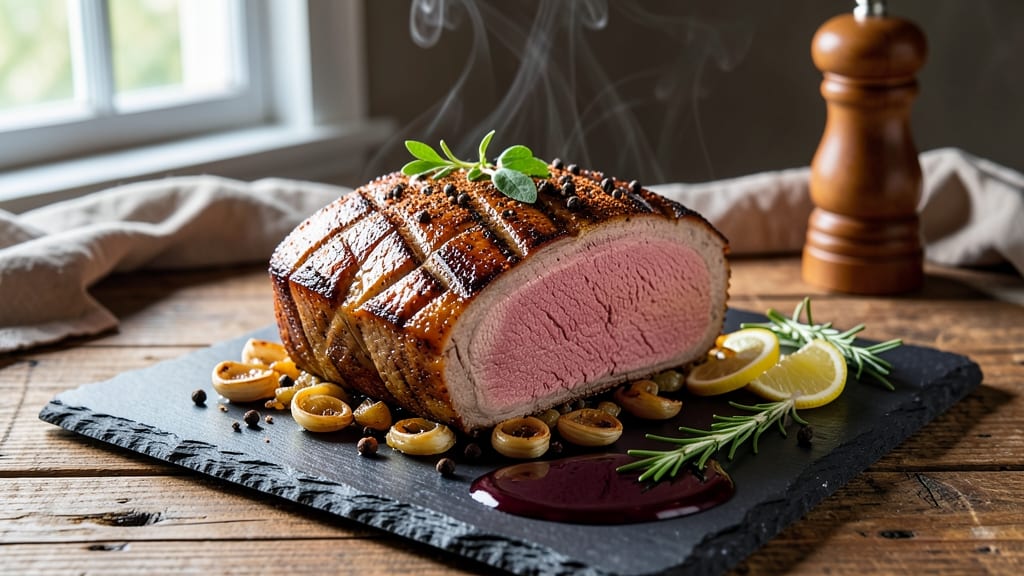
This Angus beef tenderloin roast recipe transforms a simple piece of meat into a showstopping centerpiece with a buttery-rare center and smoky crust that commands attention. The secret lies in precise temperature control and a dry-brine technique that enhances natural beef flavors without overpowering them.
I’ve perfected this method after years of testing—each slice should melt like silk while maintaining that coveted pink center.
What sets this recipe apart is the reverse sear method, which ensures even cooking and a perfect crust without drying out the meat. Start with a low oven temperature to cook the tenderloin slowly, then finish with a high-heat sear for that caramelized exterior.
The result? A roast so tender it nearly falls apart, with a crust that adds depth and texture to every bite.
Pair this roast with a bold red wine reduction or a crisp white wine sauce to elevate the dish further. The sides—whether roasted garlic mashed potatoes or a fresh arugula salad—will complement the rich beef without competing for attention. This isn’t just dinner; it’s an experience worth planning ahead for.
Ready to impress? The key is patience—let the meat rest after roasting, and carve against the grain for perfectly tender slices. This recipe delivers restaurant-quality results at home, proving that even the most luxurious cuts can be mastered with the right technique.
Ingredients for angus beef tenderloin roast
Precision-cut beef and aromatic seasonings create a luxurious roast with melt-in-your-mouth tenderness and caramelized perfection.
| Ingredient | Amount | Notes |
|---|---|---|
| Angus Beef Tenderloin 🥩 | 4 lb | Center-cut, trimmed of silver skin |
| Kosher Salt 🧂 | 2 tbsp | Diamond Crystal preferred, coarse grain |
| Freshly Ground Black Pepper 🌶️ | 1 tbsp | Cracked peppercorns for optimal flavor |
| Extra-Virgin Olive Oil 🫒 | ¼ cup | High smoke point, fruity variety |
| Smoked Paprika 🌶️ | 1 tsp | For smoky crust development |
| Garlic Powder 🧄 | 1 tsp | Freshly ground preferred |
| Fresh Thyme Leaves 🌿 | ½ tsp | Finely chopped, aromatic variety |
| Unsalted Butter 🧈 | ½ cup | Cold, cubed for searing |
| Red Wine 🍷 | ½ cup | Bold Cabernet Sauvignon, reduced |
| Fresh Rosemary 🌿 | ¼ cup | Needles finely chopped, aromatic |
| Vegetable Oil 🫒 | ¼ cup | High smoke point for searing |
| Beef Tallow 🧈 | 1 tbsp | Optional, for extra richness |
The Angus beef tenderloin is the star—center-cut and trimmed ensures maximum tenderness. Source from a reputable butcher who specializes in high-end cuts; the marbling should be substantial but not excessive. For a 4-pound roast, look for a piece about 1.5 inches in diameter at its thickest point. Costco or Whole Foods typically carry premium tenderloins, but local butchers often provide fresher cuts. The dry-brine technique (salting 24 hours ahead) enhances natural beef flavors without overpowering them—Diamond Crystal kosher salt is ideal for its coarse texture, which adheres better to the meat's surface. Avoid pre-ground pepper; freshly cracked peppercorns deliver superior flavor and aroma.
No smoked paprika? Substitute with a mix of regular paprika and a pinch of liquid smoke—though the smoky depth won’t be identical. Fresh thyme and rosemary are non-negotiable for this recipe; dried herbs won’t provide the same aromatic punch. Short on red wine? Beef stock reduced with a splash of balsamic vinegar works in a pinch, though the acidity will slightly alter the flavor profile. For the sear, avocado oil is a great alternative to vegetable oil—its high smoke point prevents bitterness. The beef tallow is optional but adds an extra layer of richness; duck fat makes an excellent substitute if available. Always pat the meat dry before seasoning to ensure an optimal crust.
The tenderloin should rest at room temperature for 1 hour before roasting to ensure even cooking. Store any unused extra-virgin olive oil in a cool, dark cabinet for up to 6 months, while fresh herbs (thyme, rosemary) last 5-7 days wrapped in damp paper towels in the fridge. The reduced red wine can be prepped 2 days ahead and stored in an airtight container. For leftovers, slice against the grain and store in an airtight container for 3-4 days; the meat continues to tenderize as it rests. Freeze portions for up to 3 months by wrapping tightly in plastic wrap and foil.
Why You'll Love This Recipe
- I swear by this: just the tenderloin, salt, and pepper—that’s it—roasted until it’s buttery inside with a crust so golden it looks like it belongs in a steakhouse. Honestly, the simplicity is what makes it foolproof.
- I’ll be real: most roasts turn into sad, dry scraps. Not this one. The tenderloin stays juicy for days, so I make it big, portion it out, and freeze half—no takeout needed. (Yes, even on a Tuesday night.)
Step-by-step instructions for Angus beef tenderloin roast
Master this technique and you'll achieve a perfectly tender center with a rich, smoky crust every time.
Prepare and Season the Tenderloin
Begin by removing the beef tenderloin from the refrigerator and patting it completely dry with paper towels—this is critical for achieving a proper sear. I like to use two layers of towels to ensure all moisture is removed, especially in the crevices and around the edges.
In a small bowl, combine the 2 tablespoons kosher salt, 1 tablespoon freshly ground black pepper, 1 teaspoon smoked paprika, 1 teaspoon garlic powder, and 0.5 teaspoon finely chopped fresh thyme leaves. Rub this mixture generously over the entire surface of the tenderloin, pressing it into the meat to ensure even adhesion. Let the seasoned tenderloin rest at room temperature for 30 minutes—this allows the surface to dry slightly and ensures more even cooking.
Create the Smoky Crust Mixture
While the tenderloin rests, prepare the crust mixture in a small bowl. Melt the 0.5 cup unsalted butter in a saucepan over low heat, then remove from heat and stir in the 0.25 cup finely chopped fresh rosemary. Let this mixture cool slightly while you prepare the remaining components.
In a separate small bowl, combine the 0.25 cup extra-virgin olive oil and 1 tablespoon beef tallow. This blend provides a high smoke point for searing while adding rich flavor. Keep both mixtures at room temperature—they should be thick but spreadable. This dual-layer crust will create that coveted smoky exterior while keeping the interior tender.
Sear the Tenderloin for Maximum Flavor
Preheat your oven to 400°F. Heat a large oven-safe skillet over medium-high heat and add the 0.25 cup vegetable oil. Once the oil is shimmering, carefully place the tenderloin in the skillet. Using tongs, coat the entire surface with the olive oil and beef tallow mixture, working quickly to ensure even distribution.
Sear the tenderloin for 2 minutes per side until a deep golden-brown crust forms. Then, carefully remove the skillet from the heat and immediately pour the melted butter-rosemary mixture over the top, tilting the pan to coat all surfaces. This step locks in moisture while creating that signature smoky crust.
Roast to Perfect Medium-Rare
Transfer the skillet to the preheated oven and roast for 20-25 minutes for a medium-rare center (internal temperature 125-130°F). The high initial temperature ensures a perfect crust while the controlled oven finish maintains tenderness. For medium doneness, continue roasting until the internal temperature reaches 135-140°F.
About 5 minutes before the tenderloin reaches your desired doneness, reduce the oven temperature to 375°F to prevent overcooking. This final adjustment helps maintain the perfect internal temperature while allowing the crust to develop fully. Use a meat thermometer for accuracy—insert it horizontally into the thickest part of the tenderloin, avoiding the bone if present.
Rest and Serve with Pan Sauce
Remove the tenderloin from the oven and transfer it to a cutting board. Tent loosely with aluminum foil and let it rest for 15-20 minutes—this crucial step allows the juices to redistribute throughout the meat, ensuring each slice remains moist and flavorful.
While the tenderloin rests, place the skillet with any accumulated juices over medium heat. Add the 0.5 cup red wine and scrape up any browned bits from the bottom of the pan using a wooden spoon. Simmer for 3-4 minutes until the sauce reduces slightly. Strain the sauce through a fine-mesh sieve if desired, then drizzle it over the sliced tenderloin before serving. Each slice should reveal a pink, buttery center surrounded by that beautiful smoky crust.
Pro Tips For Making Angus Beef Tenderloin Roast
- Pat Dry First: Angus tenderloin is lean—don’t let moisture steam in the pan and ruin your crust. Grab paper towels and dry it thoroughly before searing, even if it feels excessive. I learned this the hard way when my first sear turned to sad, soggy stickiness.
- Salt 48 Hours Early: Tenderloin absorbs salt like a sponge, but rushing it leads to a bland center. Season generously with kosher salt and let it sit uncovered in the fridge—this keeps it juicy and lets the flavor penetrate. (Yes, even if you’re impatient like me.)
- Sear Edge-Down: Place the tenderloin fat-side down first to render fat and flavor into the pan before flipping. After 2–3 minutes, flip to the cut side for that golden crust—this prevents a dry exterior while locking in moisture. Skip this, and you’ll end up with a one-sided char.
- Use a Thermometer: Guessing doneness with tenderloin is a fast track to overcooking. Aim for 125°F (medium-rare) and pull it immediately—it’ll rise to 130°F while resting. I used to pull it at 130°F and wondered why it tasted dry. (Your future self will thank you.)
Serving suggestions for this recipe
Elegant Plating
Slice the tenderloin against the grain into ½-inch thick slices for maximum tenderness. Fan them slightly on a large platter and arrange with the smoky crust facing outward. Garnish with fresh rosemary sprigs and a drizzle of the reduced red wine sauce for a restaurant-worthy presentation. 🌟
Wine Sauce Variations
For a richer sauce, replace the red wine with ½ cup beef stock reduced with 1 tbsp balsamic vinegar. Simmer for 5 minutes to deepen the flavor.
Alternatively, finish with 1 tsp Dijon mustard for a tangy twist. I love adding a pinch of smoked salt to complement the crust.
Classic Side Pairings
Roasted garlic mashed potatoes with crispy skin and truffle oil elevate the dish beautifully. For a lighter option, serve with a winter greens salad tossed in lemon vinaigrette. The acidity cuts through the richness of the beef perfectly.
Vegetable Accompaniments
Grilled asparagus with lemon zest and shaved Parmesan adds freshness. Alternatively, roasted baby carrots glazed with honey and thyme provide natural sweetness. Both options balance the smoky, buttery notes of the tenderloin.
Bread Service
Offer warm crusty baguette slices brushed with garlic butter for soaking up the pan sauce. I like to toast them in the oven for 5 minutes at 375°F while the tenderloin rests. The crunch contrasts perfectly with the tender meat.
Dessert Harmony
Finish the meal with a light dessert like vanilla bean crème brûlée or chocolate-dipped strawberries. The creamy textures and sweet notes provide a satisfying contrast to the rich beef. A demi-tasse of espresso pairs wonderfully with these options.
Nutrition facts
Frequently asked questions
How long should I dry-brine the tenderloin before roasting?
For optimal flavor and texture, dry-brine the tenderloin for 24 hours before cooking. This allows the salt to penetrate deeply, enhancing natural beef flavors without overpowering them. Pat it dry just before seasoning to ensure a perfect crust. Pro tip: Place the seasoned tenderloin on a wire rack over a baking sheet to prevent excess moisture buildup.
What's the best way to check doneness without overcooking?
Use a meat thermometer for accuracy—insert it horizontally into the thickest part of the tenderloin. For medium-rare, aim for 125-130°F; for medium, 135-140°F. Remove it from the oven 5°F below your target temperature, as it will continue cooking while resting. The resting period is critical for redistributing juices. Always let it rest for 15-20 minutes before slicing.
Can I substitute beef tallow with another fat?
Yes! Beef tallow can be replaced with duck fat or lard for a similar rich flavor. If you prefer a neutral option, use avocado oil or ghee. Just ensure your substitute has a high smoke point to avoid bitterness during searing. The key is adding fat to the crust mixture for extra richness and moisture.
Why does my tenderloin turn out dry?
Overcooking is the most common cause—tenderloin is a lean cut that dries out quickly. Avoid high heat for too long, and always use a meat thermometer. Another issue is not resting the meat long enough; juices need time to redistribute. For extra moisture, brush the crust with melted butter during the final 5 minutes of roasting.
How do I store leftovers to keep them tender?
Slice the tenderloin against the grain and store in an airtight container for 3-4 days in the fridge. For longer storage, freeze portions for up to 3 months by wrapping tightly in plastic wrap and foil. Reheat gently in the oven at 300°F until warmed through—never microwave, as it can make the meat tough.