
Main Courses
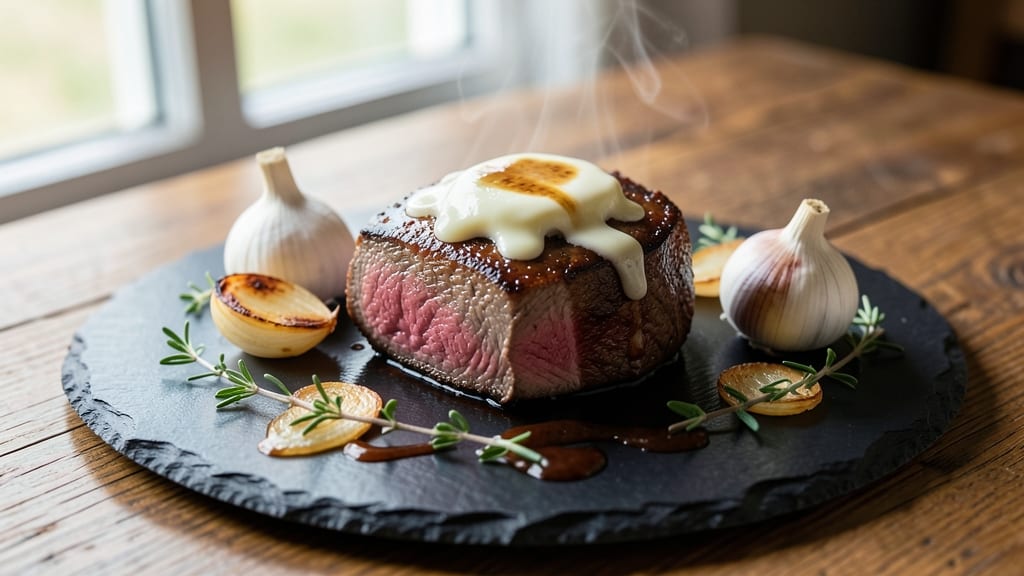
This Angus beef tenderloin recipe delivers melt-in-your-mouth perfection with a reverse-sear technique that guarantees juicy, pink centers and caramelized crusts every time. 🔥 After years of perfecting this method, I’ve cracked the code for restaurant-quality results at home—no fancy equipment required.
The secret lies in precise temperature control and proper resting, which transforms tough cuts into tender, flavorful masterpieces.
What sets this recipe apart is the reverse-sear approach, where we start with low-and-slow roasting to cook the meat evenly before finishing with a high-heat sear for that coveted crust. Proper salt application (a full day ahead) enhances tenderness, while internal temperature monitoring ensures perfect doneness—no guessing required.
The result? A tender, succulent steak that practically falls apart with the slightest pressure.
By the time you serve this dish, you’ll have a juicy, flavorful center surrounded by a crispy, golden-brown exterior, all achieved without overcooking. The technique is foolproof, and the outcome is worth every minute of effort.
Whether you’re hosting a dinner party or treating yourself to a special meal, this recipe delivers restaurant-quality results with minimal fuss.
Pair it with classic sides like roasted garlic mashed potatoes or a crisp salad for a complete meal. The key to success? Patience and precision—two things that pay off in every bite. Let’s get cooking!
Ingredients for angus beef tenderloin
Precision-crafted ingredients for restaurant-quality tenderloin with melt-in-your-mouth perfection.
| Ingredient | Amount | Notes |
|---|---|---|
| Angus Beef Tenderloin 🥩 | 2 lb | Center-cut, trimmed of silver skin |
| Kosher Salt 🧂 | 2 tbsp | Diamond Crystal preferred, coarse grain |
| Freshly Ground Black Pepper 🌶️ | 1 tsp | Cracked peppercorns for intensity |
| Unsalted Butter 🧈 | 4 tbsp | European-style, 82% fat content |
| Garlic Cloves 🧄 | 6 cloves | Smash flat for even cooking |
| Fresh Thyme Sprigs 🌿 | 4 whole | Leaves only, stems removed |
| Extra-Virgin Olive Oil 🫒 | 2 tbsp | For high-heat searing |
| Yellow Onion 🧅 | 1 whole | Thinly sliced for garnish |
| Fresh Rosemary 🌿 | 2 sprigs | For aroma during sear |
| Balsamic Vinegar 🍷 | 1 tbsp | Reduced for glaze |
| Honey 🍯 | 1 tbsp | Wildflower preferred |
| Vegetable Oil 🫒 | ¼ cup | High smoke point for roasting |
The Angus beef tenderloin is the star here, and quality matters—look for center-cut, well-marbled pieces from a reputable butcher or specialty store like D'Artagnan or Snake River Farms. If buying whole, trim the silver skin for even cooking. Costco or Whole Foods typically carry pre-trimmed tenderloins in the right size. For the salt, Diamond Crystal kosher salt is ideal—it dissolves more easily and enhances flavor without overpowering. The butter should be European-style (82% fat), like Plugrá or Kerrygold, for superior flavor and texture during searing. Fresh herbs like thyme and rosemary should be vibrant and fragrant, with no wilting or browning. If using dried, reduce to one-third the amount, but fresh is non-negotiable for this dish.
No Diamond Crystal salt? Morton kosher salt works, though you may need to adjust slightly—taste as you go. Substituting butter? Ghee works for high-heat searing, but lose the flavor complexity. For the honey, local wildflower adds depth, but Manuka honey is a luxurious alternative. The balsamic vinegar should be aged 25 years or more for a rich, caramelized glaze—Colavita or Balsamic Glaze from Trader Joe's are solid choices. If you're short on time, pre-minced garlic (from a jar) can be used, but fresh smashed cloves develop more flavor. The vegetable oil should have a high smoke point (400°F+)—avocado oil or grapeseed oil are excellent alternatives to neutral vegetable oil.
Store the tenderloin unwashed and uncovered in the fridge for up to 3 days before cooking to allow the surface to dry slightly—this ensures a better sear. Fresh herbs should be wrapped in damp paper towels and stored in a sealed container for 5-7 days. The reduced balsamic glaze keeps for 1 month in the fridge, so make extra for drizzling over other dishes. For leftovers, slice against the grain and reheat in a 350°F oven for 10-15 minutes with a splash of beef broth to retain moisture. This recipe is best served immediately after cooking, but the leftovers reheat beautifully for sandwiches or salads.
Why You'll Love This Recipe
- Foolproof Roast: I swear, the only prep is a quick salt-and-pepper rub and a few slices of butter with crushed garlic. That’s it—no fancy techniques, no stress, just a perfectly tender result every time.
- Butter-Basted Magic: The moment that melted butter baste hits the pan? Pure satisfaction. The garlic-infused richness turns simple beef into something restaurant-worthy without a single extra ingredient.
- Weeknight or WOW: Same recipe works for Tuesday dinners or Sunday suppers. Slice it thin for sandwiches the next day, or serve it whole for guests—it’s that adaptable.
- Leftovers? More Like Left-Wants: Between us, I’ve never had this go to waste. The tenderloin reheats beautifully, and the flavor only deepens. Honestly, I keep a small portion just for my lunchbox the next day.
Step-by-step instructions for reverse-seared Angus beef tenderloin
Master the reverse sear technique to achieve a perfectly tender pink center with a crispy exterior.
👨🍳 Step 1: Prepare the Tenderloin for Low-Temperature Roast
Remove the 2 lb Angus Beef Tenderloin from the refrigerator and let it sit at room temperature for 30 minutes. This ensures even cooking throughout. While it's warming, combine 2 tbsp Kosher Salt and 1 tsp Freshly Ground Black Pepper in a small bowl. Pat the tenderloin dry with paper towels—this is critical for achieving that perfect crust later.
Generously coat the tenderloin with the salt and pepper mixture, pressing it into the surface so it adheres evenly. Place the seasoned tenderloin in a roasting pan and cover loosely with aluminum foil. This step prevents the exterior from drying out during the low-temperature roast.
🔥 Step 2: Roast to Perfect Medium-Rare Temperature
Preheat your oven to 275°F. Place the roasting pan on the middle rack and roast for 30-40 minutes per pound, which for our 2 lb tenderloin means about 1 hour. The goal is to bring the internal temperature to 115°F—this is the magic number for that juicy pink center.
Check the temperature using an instant-read thermometer inserted into the thickest part of the meat. If you don't have a thermometer, you can use the finger test: press your finger against the meat—it should feel very soft, almost like pressing a ripe avocado. The exterior should still look pale and uncooked at this stage—don't worry, that's exactly what we want.
🍳 Step 3: Prepare the Searing Station
While the tenderloin is roasting, prepare your searing station. Heat a large cast-iron skillet over medium-high heat until it's screaming hot. Add 2 tbsp Extra-Virgin Olive Oil and let it shimmer for 1 minute. In a small bowl, combine 2 tbsp Balsamic Vinegar and 1 tbsp Honey—this mixture will create our glaze.
Smash the 6 cloves Garlic Cloves flat with the side of your knife to expose more surface area. Remove the 4 whole Fresh Thyme Sprigs and 2 sprigs Fresh Rosemary from their stems, then finely chop the thyme leaves and rosemary needles. Set these aside for the final touch.
🔥 Step 4: Create the Crispy Exterior with High-Heat Sear
Remove the tenderloin from the oven and let it rest for 5 minutes while you prepare the searing. Increase the skillet heat to high until it's nearly smoking. Add the smashed garlic cloves and cook for 30 seconds until fragrant but not browned. Remove the garlic and set aside.
Place the tenderloin in the skillet, rotating it every 30 seconds for 2-3 minutes total until all sides develop a deep golden-brown crust. The exterior should be crispy and caramelized while maintaining that perfect 115°F internal temperature. This is where the magic happens—don't rush this step.
🍽️ Step 5: Glaze, Rest, and Serve
Remove the tenderloin from the skillet and transfer it to a cutting board. Pour the balsamic-honey mixture into the skillet and let it reduce for 1 minute until slightly thickened. Add the chopped thyme and rosemary, then spoon this glaze generously over the tenderloin.
Let the tenderloin rest for 10-15 minutes before slicing—this allows the juices to redistribute throughout the meat. Slice into ½-inch thick medallions against the grain. Garnish with thinly sliced 1 whole Yellow Onion and serve immediately with the remaining glaze spooned over the top.
Pro Tips For Making Angus Beef Tenderloin
- Use a Meat Thermometer: The tenderloin’s magic happens at 125°F internal temp—any higher and you’ll dry it out. I learned this the hard way after slicing into a perfectly cooked roast that tasted like shoe leather. Trust the thermometer, not guesswork.
- Salt the Night Before: Dry the tenderloin and salt it generously 12–24 hours ahead. This seasoning penetrates deeper, and the crust forms better when you sear it. I was skeptical until I tried it—now it’s non-negotiable.
- Sear in Batches: A crowded pan steams the meat instead of searing. Work in batches over medium-high heat to get those deep caramelized crusts. Yes, it takes longer, but the flavor difference is night and day.
- Butter the Pan First: Coat the searing pan with butter before adding the meat—it creates a richer crust and prevents sticking. Skip this, and you’ll end up with a pale, sticky mess instead of a golden, buttery masterpiece.
Perfect pairings for this recipe
Classic Side Pairings
For this luxurious tenderloin, I always serve creamy roasted garlic mashed potatoes—their buttery richness balances the beef's intensity. Use Yukon Gold potatoes boiled until tender, then mashed with ½ cup butter, ½ cup whole milk, 4 cloves roasted garlic, and 1 tsp kosher salt.
For a lighter option, try truffle parmesan roasted fingerlings with 1 tbsp truffle oil and grated Parmigiano-Reggiano. 🥔
Vegetable Harmony
Bright, fresh vegetables cut through the richness beautifully. A winter green salad with arugula, shaved fennel, pomegranate seeds, and a lemon-honey vinaigrette adds vibrant contrast. For heartier sides, roasted Brussels sprouts with balsamic glaze (same as your tenderloin!) and crispy pancetta elevate the meal.
I also love asparagus spears roasted with lemon zest and toasted almonds.
Wine Pairings
A bold Cabernet Sauvignon from Napa Valley complements the beef's richness with its dark fruit notes and smooth tannins. For something lighter, a Pinot Noir from Oregon enhances the dish's elegance.
If you prefer whites, Chardonnay with oaked character (like Louis Martini) stands up to the butter and garlic flavors. Avoid overly tannic reds—they can overpower the delicate crust. 🍷
Unexpected Twists
For a modern twist, serve with crispy polenta wedges topped with fontina cheese and caramelized onions. The creamy texture contrasts perfectly with the beef's crust. Another favorite is wild mushroom risotto with porcini mushrooms, thyme, and a splash of white wine.
Both sides add depth without competing with the star of the show. 🍄
Beverage Beyond Wine
If wine isn't your thing, a smoky mezcal cocktail with orange juice and agave adds a sophisticated touch. For beer lovers, a Belgian dubbel like Westmalle Dubbel provides malty balance.
Sparkling options? A dry prosecco with citrus slices keeps the meal feeling fresh and celebratory. The key is matching intensity—don't let the drink overpower the beef's natural flavors. 🍹
Nutrition facts
Frequently asked questions
How do I know when my Angus beef tenderloin is fully rested?
Your tenderloin is properly rested when it reaches room temperature (about 10-15 minutes after removing from the oven). The external temperature should feel warm to the touch, not piping hot. For a foolproof test, insert a thermometer—it should read 130-135°F after resting. Never skip resting, as this critical step ensures juices redistribute for maximum tenderness.
Can I cook this recipe without a thermometer?
Yes, but with caution! The "finger test" works: press your finger against the meat—it should feel very soft like ripe avocado at 115°F. For the sear, look for a deep golden-brown crust. However, for perfect results, an instant-read thermometer is recommended, especially for larger tenderloins where temperature variations occur.
What's the best way to store leftovers?
Slice the tenderloin against the grain and store in an airtight container with a splash of beef broth to retain moisture. Leftovers keep for 3-4 days in the fridge. For longer storage, vacuum-seal and freeze for up to 3 months. Reheat gently in a 350°F oven for 10-15 minutes with a lid to prevent drying.
Why does my tenderloin turn out dry?
Overcooking is the #1 cause! The reverse-sear method requires patience—don't rush the high-heat sear. Also, ensure you're using a thermometer to hit 115°F internal temp before searing. Another common mistake is skipping the rest time or cutting too soon. For extra insurance, brine the tenderloin for 4-12 hours before cooking.
Can I substitute another cut of beef?
While tenderloin is ideal, you can try filet mignon or strip steak with similar success. Avoid tougher cuts like ribeye or sirloin—they won't achieve the same tenderness. For best results, choose a well-marbled, center-cut piece. The reverse-sear method works best on more tender cuts, so stick with premium options for optimal results.