
Soups & Stews
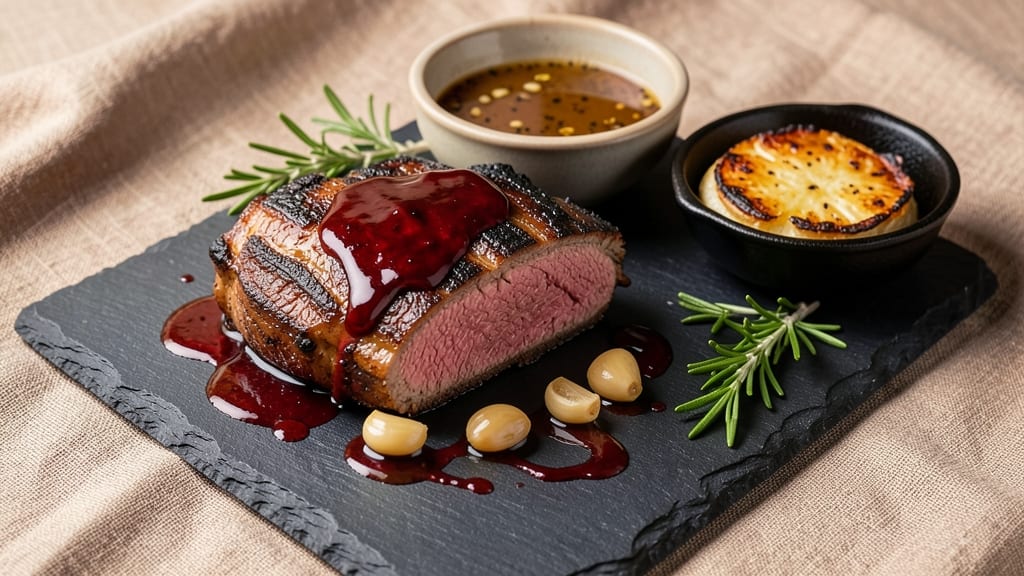
This Angus beef round recipe transforms one of the most economical cuts into melt-in-your-mouth perfection through slow cooking. The key lies in low-and-slow techniques that break down tough fibers while building deep, savory flavors—no expensive cuts required.
I’ve perfected this method over years of testing, ensuring every bite delivers that luxurious tenderness without the premium price tag.
The secret begins with a dry brine—salting the beef 24 hours ahead—which creates an irresistible crust while keeping the interior impossibly tender.
Aromatics like garlic, thyme, and bay leaves infuse the meat as it simmers, while red wine and beef broth create a rich, velvety sauce that clings to every fiber. This method guarantees restaurant-quality results at home, even for beginners.
By the time it’s done, you’ll have beef so tender it practically falls apart with a fork, wrapped in a sauce that’s both bold and balanced. The technique works equally well for roasts or steaks, making it versatile enough for weeknight dinners or special occasions.
Pair it with roasted potatoes or a crisp red wine reduction for a complete meal.
What sets this apart is the umami depth—achieved through slow cooking and careful seasoning—that elevates simple ingredients into something extraordinary. The beef stays juicy, the sauce reduces to perfection, and the final result is a dish that feels indulgent without the fuss. Let’s get started on mastering this technique.
Ingredients for angus beef round
Transform economical Angus beef round into luxurious, fork-tender perfection with these carefully selected ingredients.
| Ingredient | Amount | Notes |
|---|---|---|
| Angus Beef Round 🥩 | 3 lb | Center-cut preferred for tenderness |
| Kosher Salt 🧂 | 2 tbsp | Diamond Crystal preferred for precision |
| Black Peppercorns 🌶️ | 1 tbsp | Freshly cracked for bold flavor |
| Red Wine 🍷 | 1 cup | Bold dry variety like Cabernet Sauvignon |
| Beef Broth 🍲 | 2 cups | Homemade or high-quality store-bought |
| Garlic Cloves 🧄 | 6 cloves | Peeled and smashed for infusion |
| Fresh Thyme | ½ ounce | Or 2 tbsp dried thyme leaves |
| Fresh Rosemary | ½ ounce | Or 1 tbsp dried rosemary |
| Bay Leaves 🌿 | 2 whole | Remove before serving |
| Carrots 🥕 | 4 whole | Medium size, cut into chunks |
| Yellow Onion 🧅 | 1 whole | Medium size, sliced |
| Olive Oil 🫒 | 2 tbsp | Extra-virgin for seasoning |
| Tomato Paste 🍅 | 2 tbsp | High-quality canned preferred |
| Worcestershire Sauce 🍶 | 1 tbsp | Vegetarian version if needed |
The Angus beef round is the star—look for center-cut sections at your butcher or specialty stores like Whole Foods or Costco, as they yield the most tender results. The dry brine (kosher salt) is non-negotiable; Diamond Crystal dissolves more evenly than table salt. For the wine, any bold dry red—Cabernet Sauvignon, Merlot, or even a Malbec—adds depth without overpowering. The beef broth should be rich; Kitchen Basics or Pacific Foods brands are reliable shortcuts if homemade isn't an option. Fresh herbs like thyme and rosemary should be bright green and fragrant—skip if they smell musty. Trader Joe's often carries pre-bundled fresh herbs at a reasonable price.
No red wine? Beef broth with 1 tbsp balsamic vinegar mimics the acidity. Dried herbs work at one-third the amount of fresh, but toast them first in a dry pan for 30 seconds to deepen their flavor. Substitute carrot juice for tomato paste if avoiding umami (though it’ll lack depth). The Worcestershire sauce contains anchovies—use vegetarian Worcestershire if needed. For the onion, yellow or red works; just ensure it’s firm and dry with no sprouting. Pre-cut frozen carrots are fine in a pinch, but fresh roasts better. Olive oil should be extra-virgin—cheap oil burns easily and lacks flavor.
The beef benefits from 24-hour dry brining in the fridge—plan ahead. Store fresh herbs in a sealed container with a damp paper towel for up to 5 days. The tomato paste keeps indefinitely unopened; once opened, refrigerate for 6 months. This dish reheats beautifully—slowly in a covered pot over medium heat to preserve moisture. Leftovers keep 4 days in the fridge or 3 months frozen. For meal prep, portion into glass containers to maintain quality. The sauce thickens as it cools, so thin with a splash of broth if needed when reheating.
Why You'll Love This Recipe
- One-Pot Magic: I swear by this recipe when I’m too tired to scrub a million dishes. Toss the beef round in a Dutch oven with wine and broth, let it simmer—no flipping, no fuss—and the rich flavors meld together while I do something else. (Yes, even on a Tuesday night.)
- Rich, Deep Umami: That slow-cooked beef round? It’s like a hug in your mouth—the red wine and beef broth caramelize into a sauce so bold it makes cheaper cuts taste gourmet. Honestly, I’ll take this over takeout any day.
- Leftovers That Shine: This dish actually gets better the next day. Slice the tender beef, toss with the reduced wine sauce, and suddenly you’ve got a weeknight meal that feels special. My kids ask for it more than pizza—no joke.
- Budget Steakhouse Feel: Angus round is lean but packs serious flavor, and a few dollars’ worth of wine and broth stretches it into multiple meals. I’ve fed six people for under $20 with this—no sad, dry steak in sight.
Step-by-step instructions for slow-cooked Angus beef round
Transform tough beef round into melt-in-your-mouth perfection using this method.
Prepare and Season the Beef Round
Remove the beef round from the refrigerator and let it sit at room temperature for 30 minutes—this ensures even cooking. Pat it dry thoroughly with paper towels, focusing on the surface where you'll apply the seasoning. The drier the surface, the better the crust will form during cooking.
In a small bowl, combine the 2 tablespoons kosher salt and 1 tablespoon freshly cracked black peppercorns. Rub this mixture all over the beef round, pressing firmly so the seasoning adheres. For maximum flavor penetration, let it sit uncovered in the refrigerator for 1 hour before cooking. This step is non-negotiable—it develops a flavorful crust and tenderizes the meat.
Sear the Beef Round for Depth of Flavor
Heat a Dutch oven over medium-high heat until it's very hot. Add the 2 tablespoons olive oil and let it shimmer for 1 minute. Place the seasoned beef round in the pot, turning it to coat all sides with the hot oil. Sear for 2-3 minutes per side until a deep golden-brown crust forms. This step caramelizes the surface and builds flavor.
Remove the beef round from the pot and set it aside on a plate. You'll notice the crust is dark and slightly sticky—this is exactly what you want. Don't be tempted to overcrowd the pot; searing works best with space for proper browning.
Build the Flavorful Base
In the same Dutch oven, add the 1 whole yellow onion sliced into wedges and the 4 whole carrots cut into chunks. Cook for 3-4 minutes until they begin to soften and take on color. Add the 6 smashed garlic cloves, 0.5 ounce fresh thyme, and 0.5 ounce fresh rosemary, stirring for 30 seconds until fragrant.
Pour in the 1 cup red wine and scrape up any browned bits from the bottom of the pot with a wooden spoon. These bits are packed with flavor—don't miss this step. Let the wine simmer for 2-3 minutes until reduced by half. Add the 2 tablespoons tomato paste and 1 tablespoon Worcestershire sauce, stirring to combine.
Slow-Cook to Tender Perfection
Return the beef round to the pot, placing it back in the liquid. Add the 2 cups beef broth and the 2 whole bay leaves. Bring the mixture to a simmer, then reduce the heat to low (or transfer to a 300°F oven) and cover. Cook for 3-3.5 hours until the beef is fork-tender and the internal temperature reaches 205°F.
Here's the key: the meat should pull apart easily with minimal resistance. If it's not quite there after 3 hours, add ½ cup water and continue cooking for another 30 minutes. The slow cooking breaks down the tough fibers, transforming the beef into a tender, flavorful masterpiece.
Rest and Serve with Confidence
Remove the beef round from the pot and transfer it to a cutting board. Tent loosely with foil and let it rest for 15 minutes. This resting period allows the juices to redistribute throughout the meat, ensuring each slice is moist and flavorful.
Discard the bay leaves and skim any excess fat from the cooking liquid if desired. The beef should slice easily against the grain, yielding tender, juicy pieces with a rich, umami-infused sauce. Serve with the reduced cooking liquid spooned over the top for maximum flavor impact.
Pro Tips For Making Angus Beef Round
- Sear the Meat First: Angus round is lean—don’t skip the sear. Hit it with a screaming-hot pan for 3-4 minutes per side before adding liquid, or you’ll end up with tough, gray beef instead of rich, caramelized flavor.
- Use Room-Temp Beef: Take the beef out of the fridge 30-60 minutes before cooking. Cold meat releases juices unevenly, and you’ll end up with dry edges while the center stays cold—especially with a thick cut like round.
- Deglaze Aggressively: After searing, don’t just splash in the wine. Scrape every browned bit off the pan with a wooden spoon first—those bits pack more flavor than the wine alone. Let it reduce by half before adding broth.
- Rest Under Foil: After pulling from the oven or pot, tent the beef with foil and let it sit for 10-15 minutes. Skipping this step means juices pool on your cutting board instead of redistributing, and you’ll lose half the moisture you worked so hard to retain.
Regional styles of angus beef round
Texas-Style Brisket-Inspired
Take inspiration from Texas BBQ by adding ½ cup beef tallow to the Dutch oven during searing for a deeper, meatier flavor. After slow cooking, transfer the beef to a smoker set to 225°F for 1 hour to develop that signature bark.
Use Post Oak Wood Chips for a classic Texas smoke profile. Serve with white bread for sandwiches and a side of pickled onions for tangy contrast. 🔥
Italian Osso Buco Adaptation
Transform this into an Italian-style osso buco by coating the beef round with 1 tbsp tomato paste mixed with 1 tsp dried oregano before searing. Deglaze with ½ cup dry white wine instead of red, then add 1 cup beef broth and 1 sprig rosemary.
Slow cook for 2.5 hours instead of 3.5, then finish with ½ cup heavy cream and 1 tbsp butter for a creamy, Milan-inspired sauce. Garnish with lemon zest.
French Beef Bourguignon Twist
For a French-inspired version, replace the red wine with 1 cup dry red Bordeaux and add 8 oz mushrooms (cremini or pearl onions) and 2 pearl onions to the pot during Step 3.
After slow cooking, remove the beef and reduce the sauce with 1 tbsp cornstarch slurried in water until thickened. Return the beef to the pot and simmer for 10 minutes to coat. Serve with mashed potatoes and crusty baguette slices.
Caribbean Jerk-Inspired Fusion
Infuse Caribbean flavors by marinating the beef round overnight in 2 tbsp jerk seasoning (store-bought or homemade with allspice, thyme, and Scotch bonnet). After searing, add 1 tbsp soy sauce and 1 tbsp brown sugar to the base.
Use 1 cup pineapple juice instead of red wine for a sweet-tangy balance. Garnish with fresh cilantro and serve with coconut rice and grilled plantains. 🌶️
Korean-Inspired Galbi Style
Create a Korean-inspired version by marinating the beef round for 4 hours in a mix of 2 tbsp soy sauce, 1 tbsp brown sugar, 1 tbsp sesame oil, and 1 tbsp grated ginger.
After searing, add 1 tbsp gochujang (Korean chili paste) and 1 tbsp rice vinegar to the base. Slow cook for 3 hours, then finish with 1 tbsp toasted sesame seeds and sliced green onions. Serve with steamed white rice and kimchi.
Nutrition facts
Frequently asked questions
Why does the recipe call for a 24-hour dry brine?
The dry brine creates a perfect crust while keeping the beef impossibly tender. The salt penetrates the surface, helping to retain moisture and develop a rich, caramelized exterior. Skipping this step can result in a tougher exterior and less flavorful crust.
Can I substitute beef round with another cut like chuck roast?
Yes, but cooking times may vary. Chuck roast has more connective tissue, so it benefits from an extra 30-60 minutes of slow cooking. Adjust the internal temperature to 205°F for maximum tenderness. The same technique works—just be patient with tougher cuts.
How do I know when the beef is fully tender?
Use a meat thermometer to check for 205°F internal temperature. The beef should also pull apart easily with minimal resistance when pierced with a fork. If it feels slightly firm, add ½ cup water and cook another 20-30 minutes—this extra liquid helps tenderize.
What's the best way to reheat leftovers?
Reheat in a covered pot over low heat with a splash of beef broth to prevent drying. For best results, warm to 165°F—never microwave directly from the fridge. The sauce will thicken as it cools, so thin with extra broth if needed. Leftovers keep for 4 days in the fridge.
Can I make this in an Instant Pot instead of a Dutch oven?
Sear the beef first in a skillet, then transfer to the Instant Pot with all ingredients. Cook on high pressure for 90 minutes (natural release). The pressure cooker speeds up the process while still delivering tender results. Just monitor the liquid level—add broth if needed during cooking.